The plants we use. And why they belong here.
Natives that bring the ecosystem back, and fruit trees that actually reward the yards they live in. Every entry is written from what I've watched happen on-site across the Treasure Coast. Not copied off a tag.
A quick note on the photos: a lot of these are mine now, shot in real gardens here on the Treasure Coast, and I am swapping in more as I take them. The ones still showing a plain color block are plants I have not photographed yet. I would rather show you an honest gap than a stock photo of something growing in somebody else's climate.
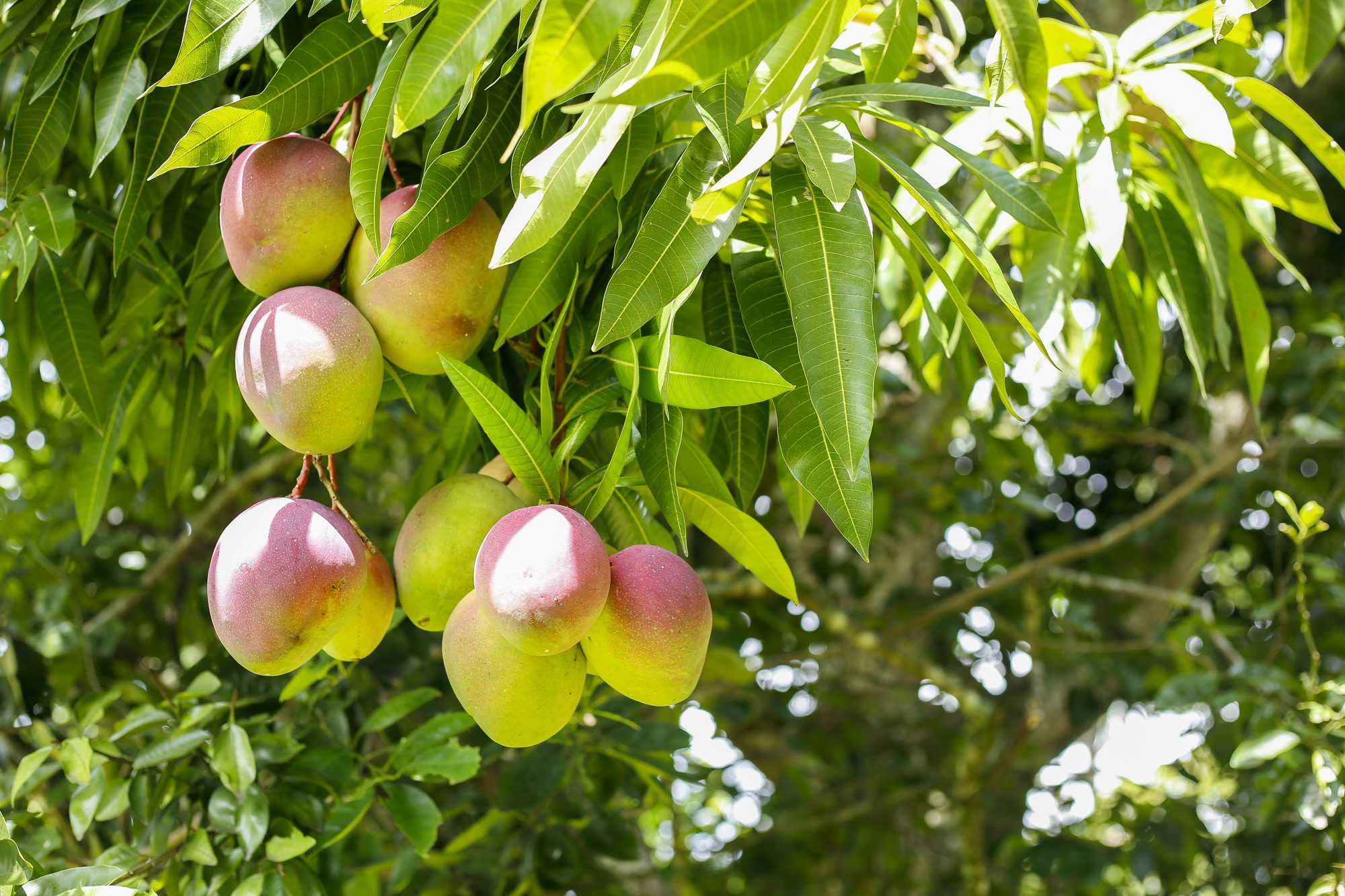
Fruit tree
Mango
The signature summer harvest of a South Florida edible landscape.
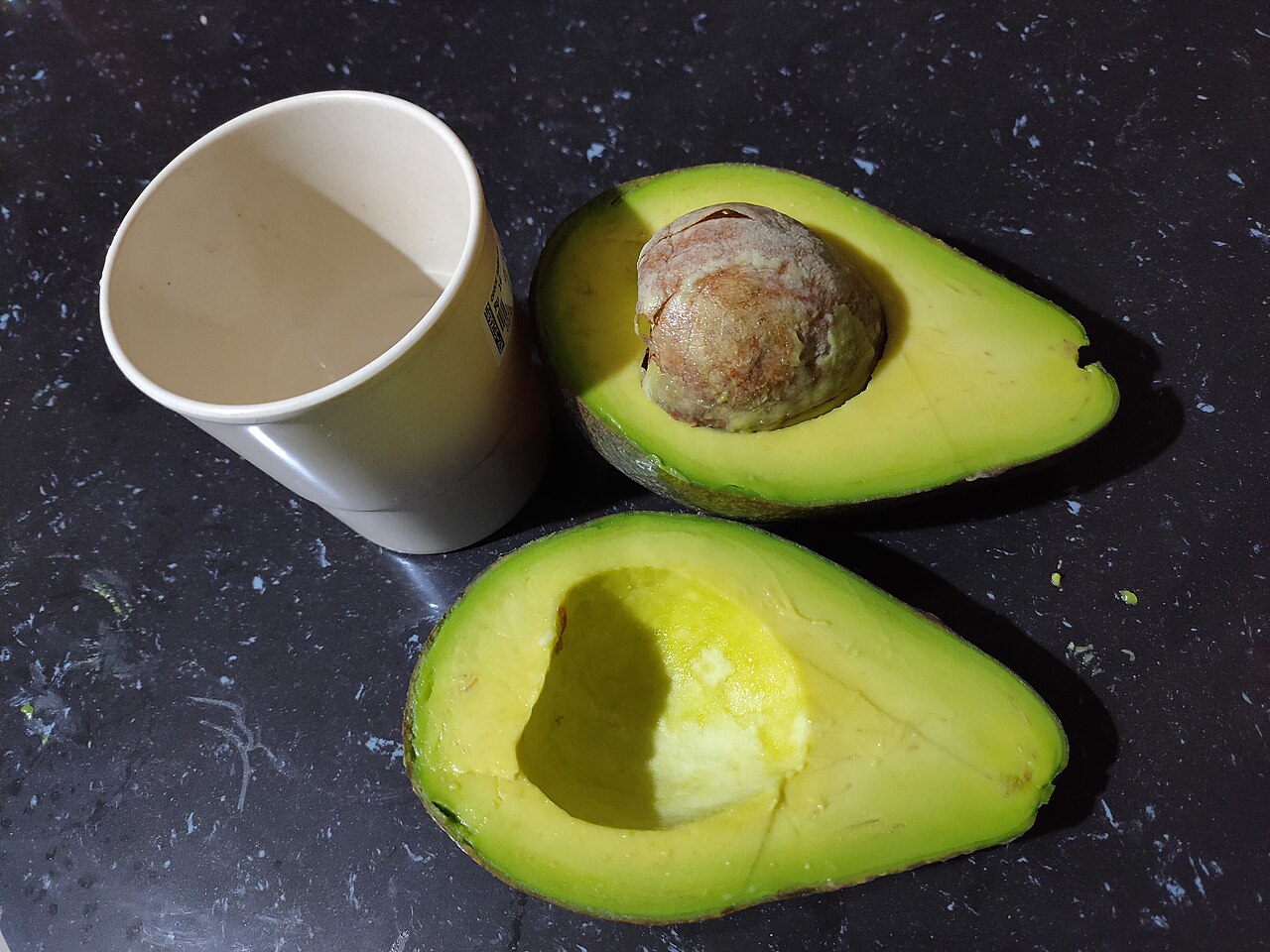
Fruit tree
Avocado
A serious tree that pays back for decades. Pick the right variety.
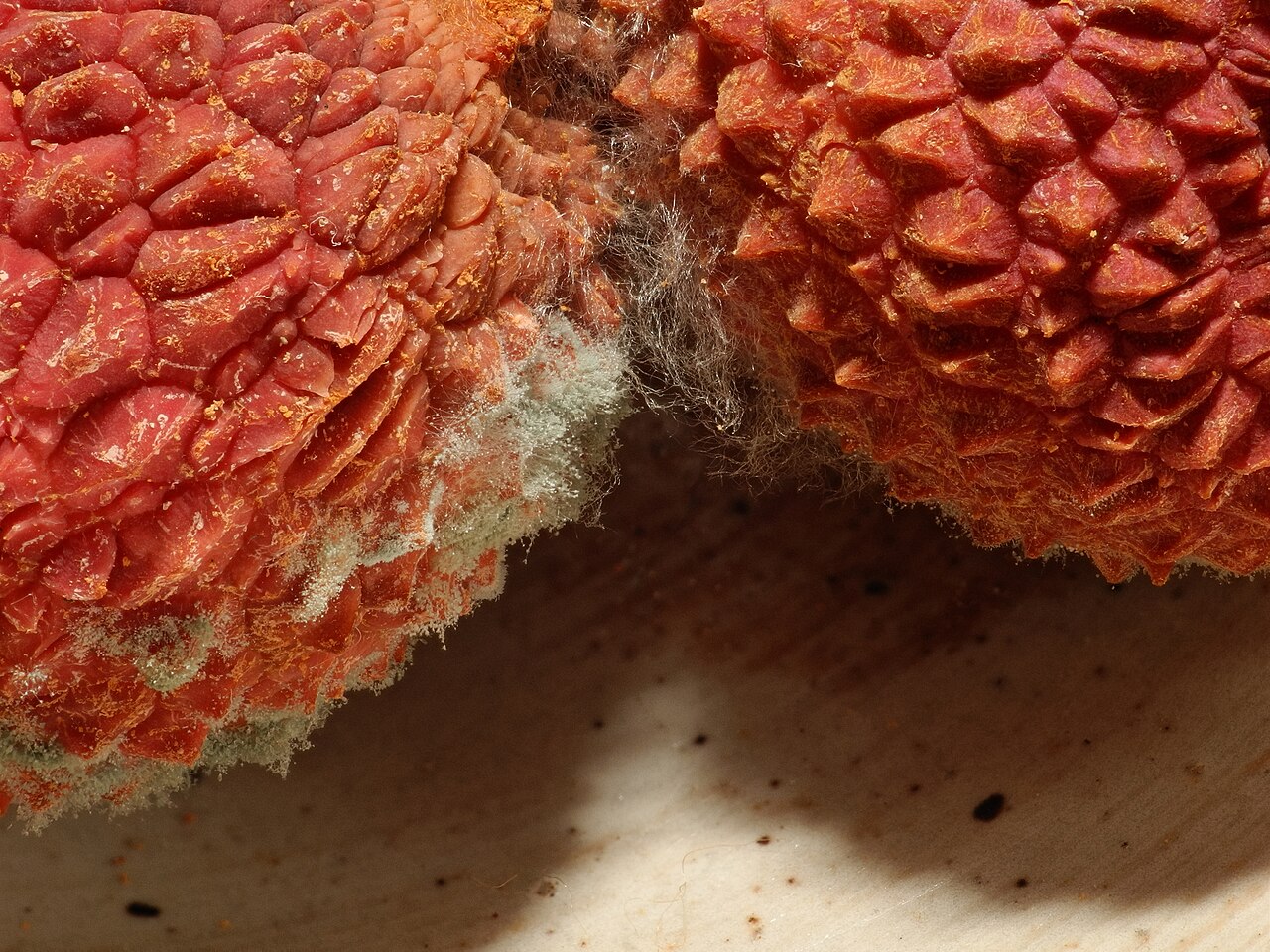
Fruit tree
Lychee
A slow-to-fruit tree, but a summer luxury worth the wait.
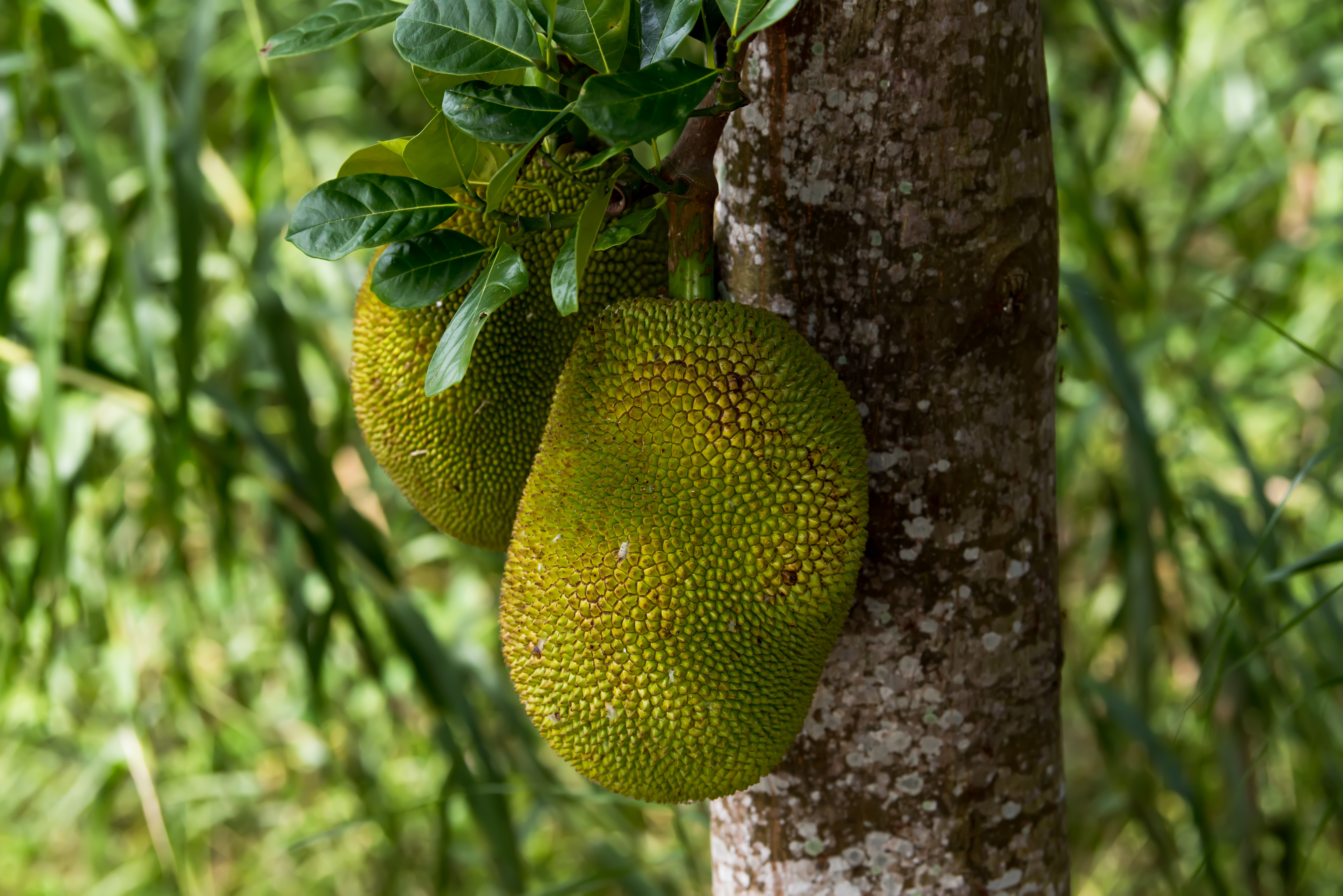
Fruit tree
Jackfruit
The world's largest tree fruit. And it grows here.
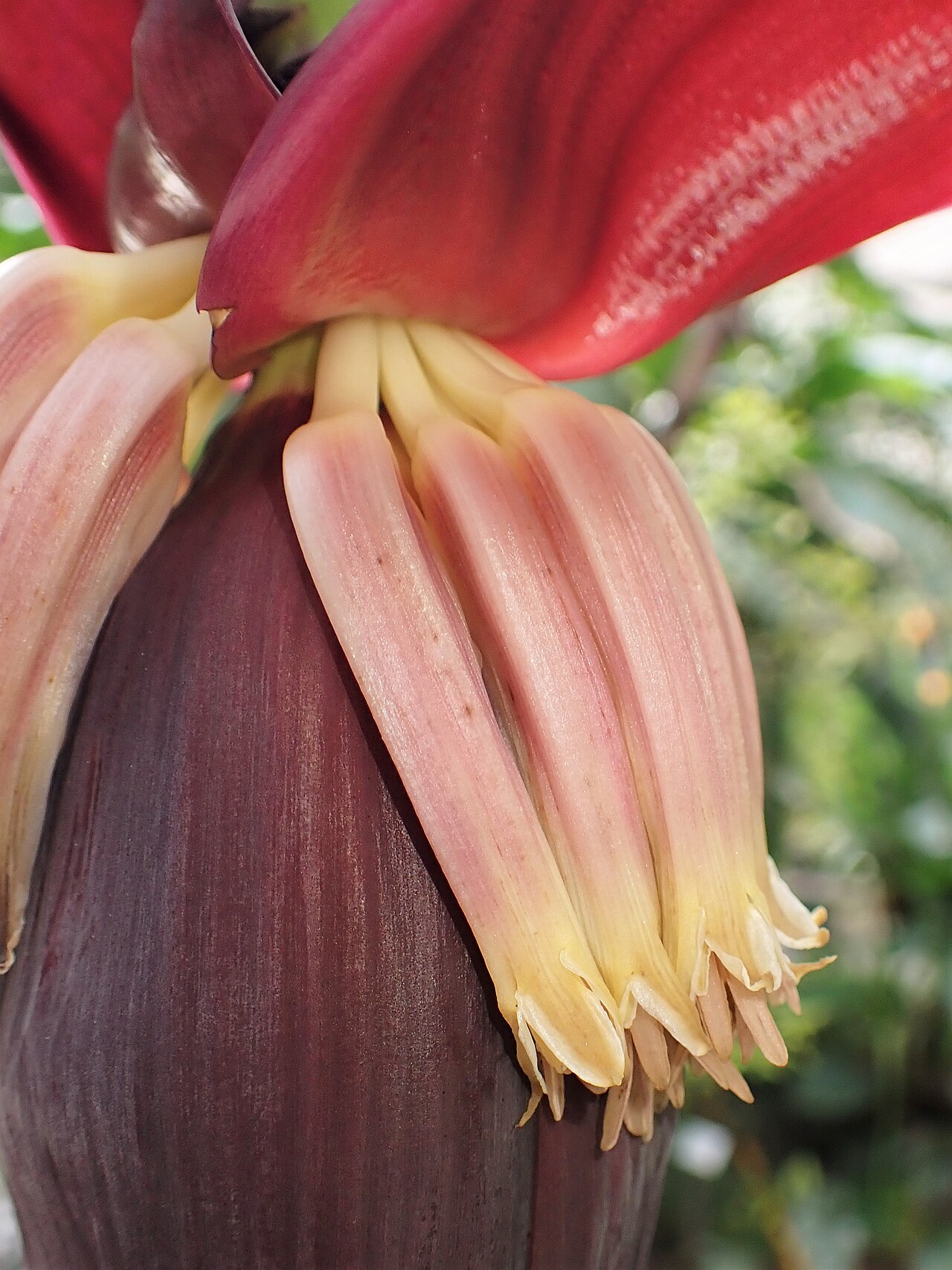
Fruit tree
Banana
The fastest edible payoff in a Florida yard.
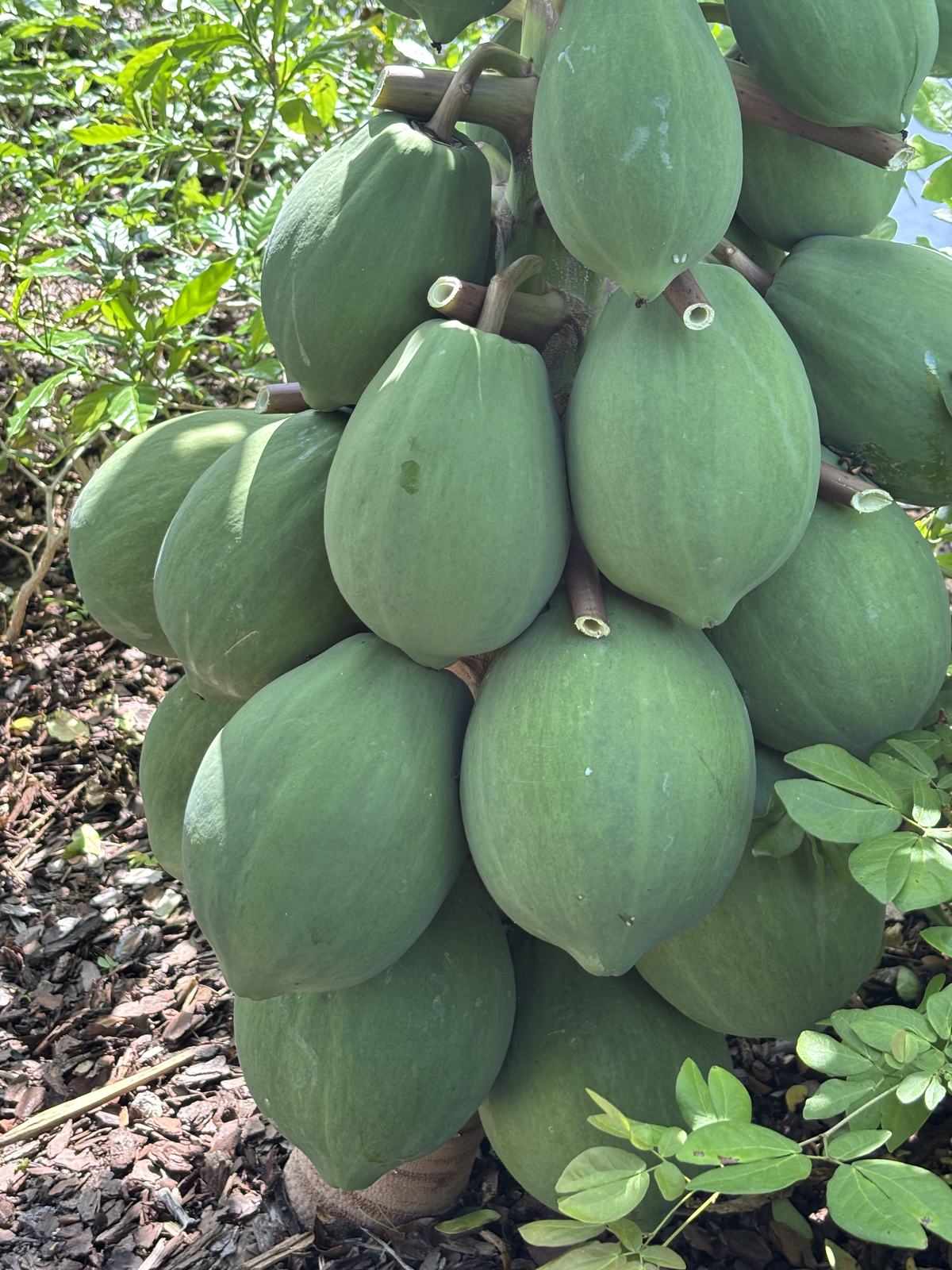
Fruit tree
Papaya
Fruit in 9 months from seed. No other tree does that.
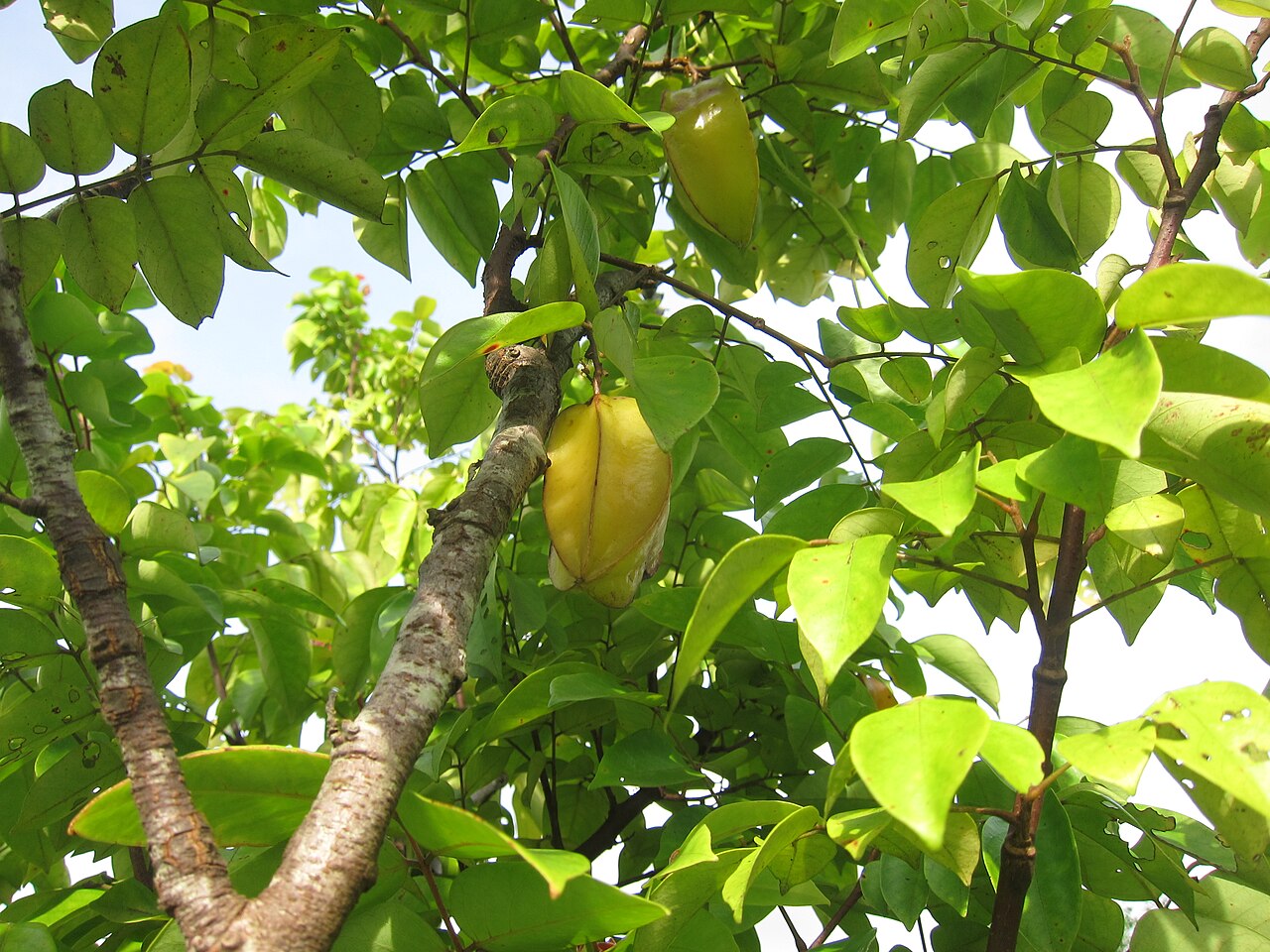
Fruit tree
Carambola (Starfruit)
Two crops a year and gorgeous form. An underused tree.
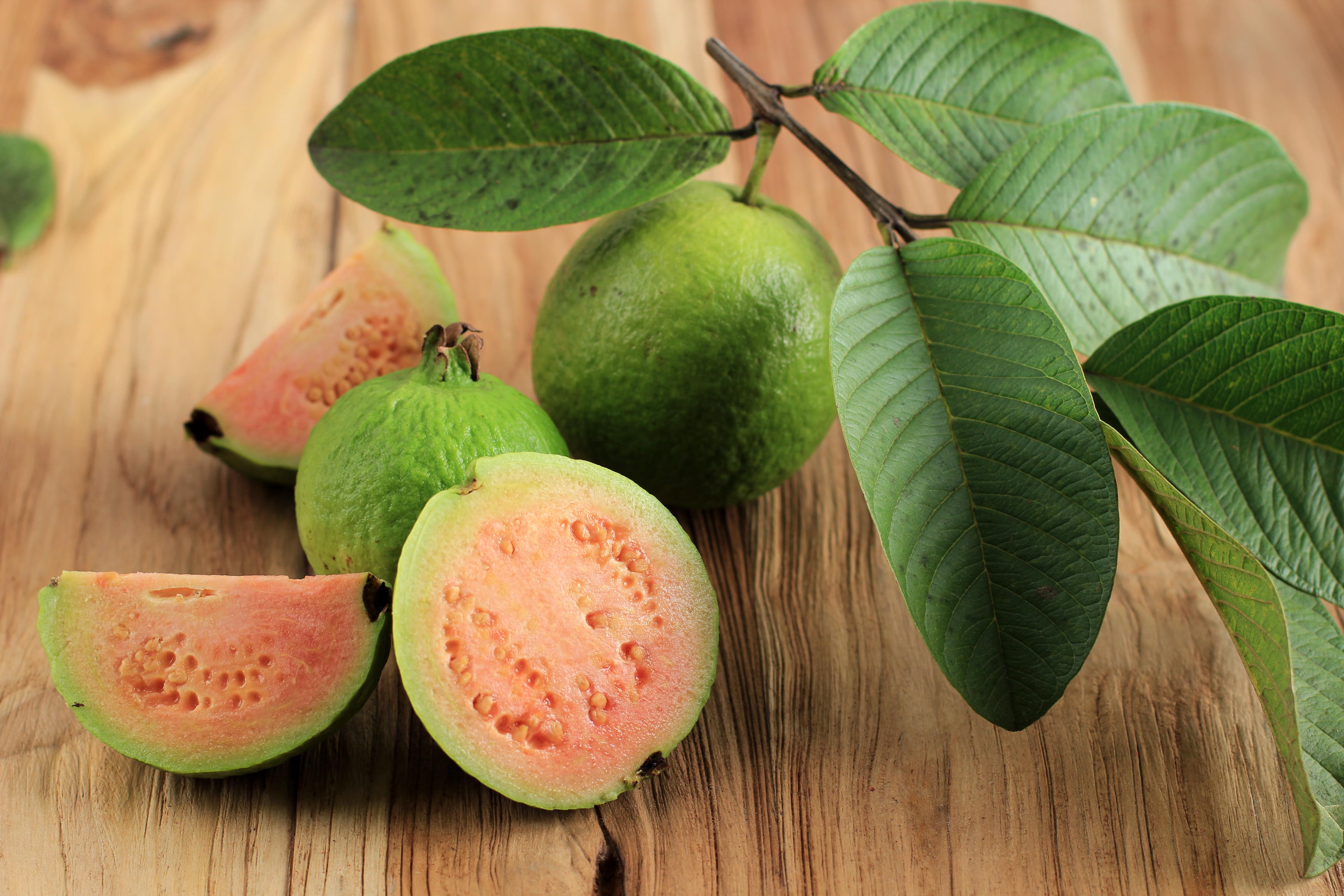
Fruit tree
Guava (multiple varieties)
Tough, productive, and forgiving. A great first fruit tree.
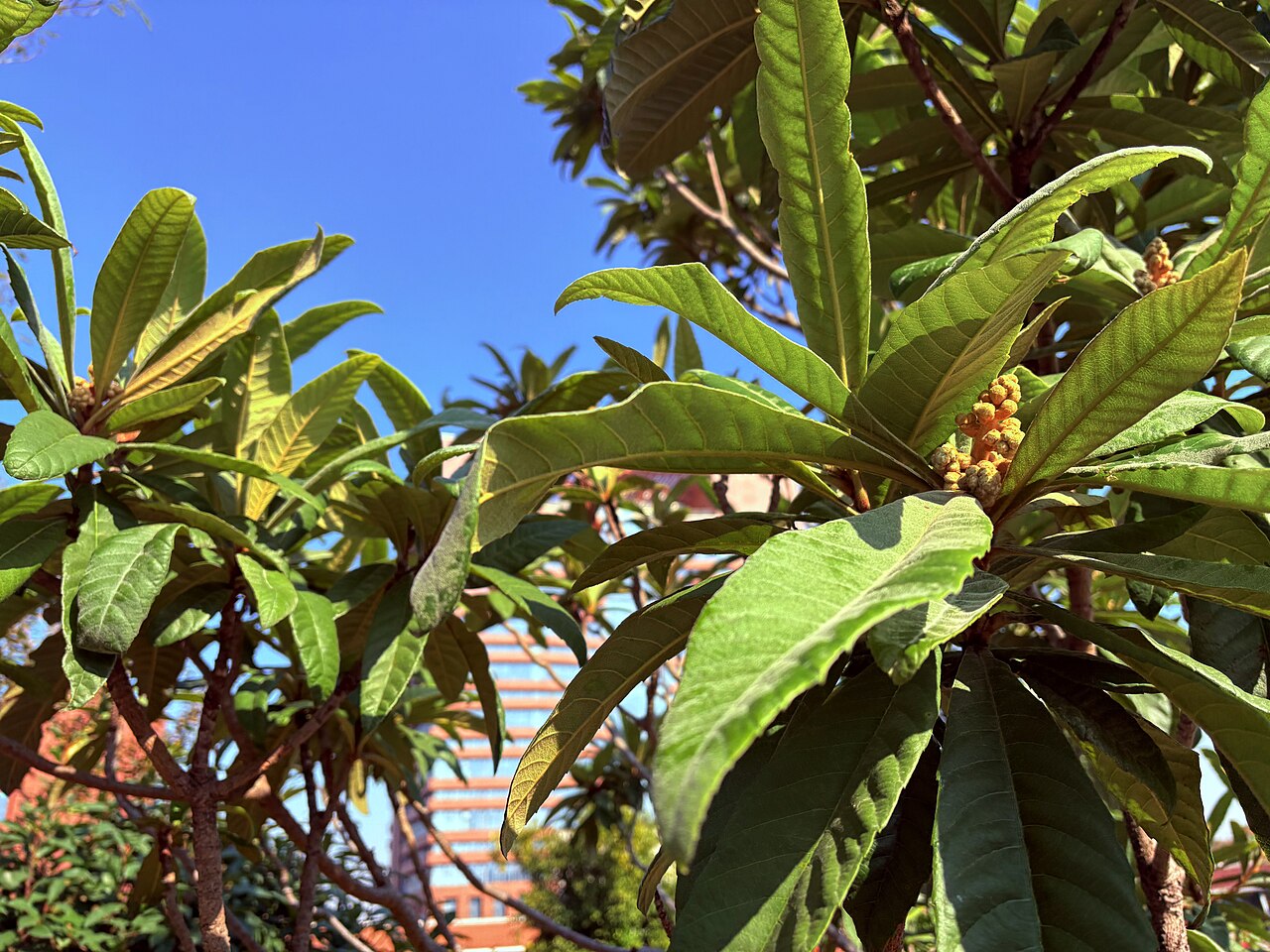
Fruit tree
Loquat
The winter-fruiting tree. Flowers in fall, ripens in spring.
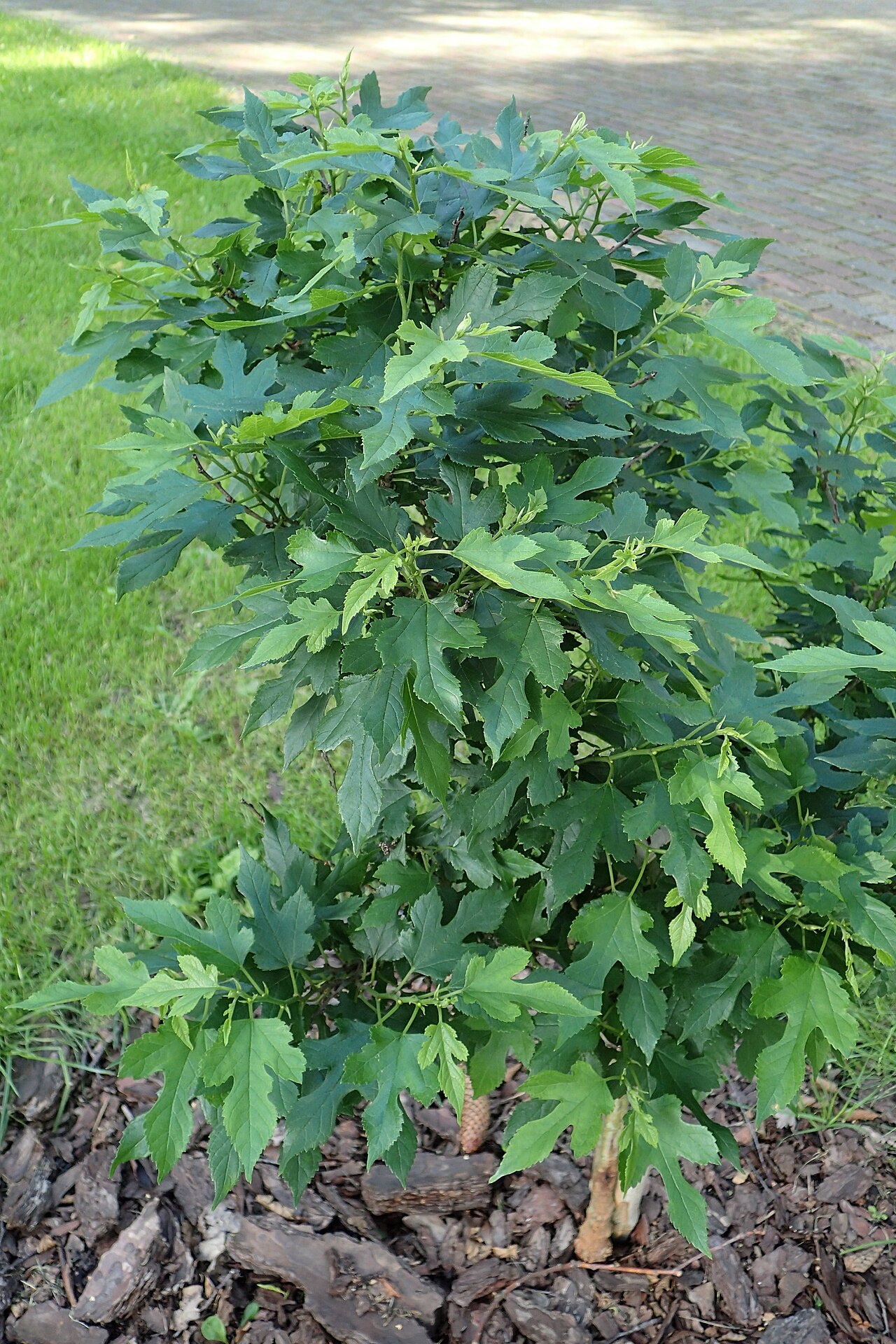
Fruit tree
Mulberry
A month of daily handfuls off a tough, fast tree.
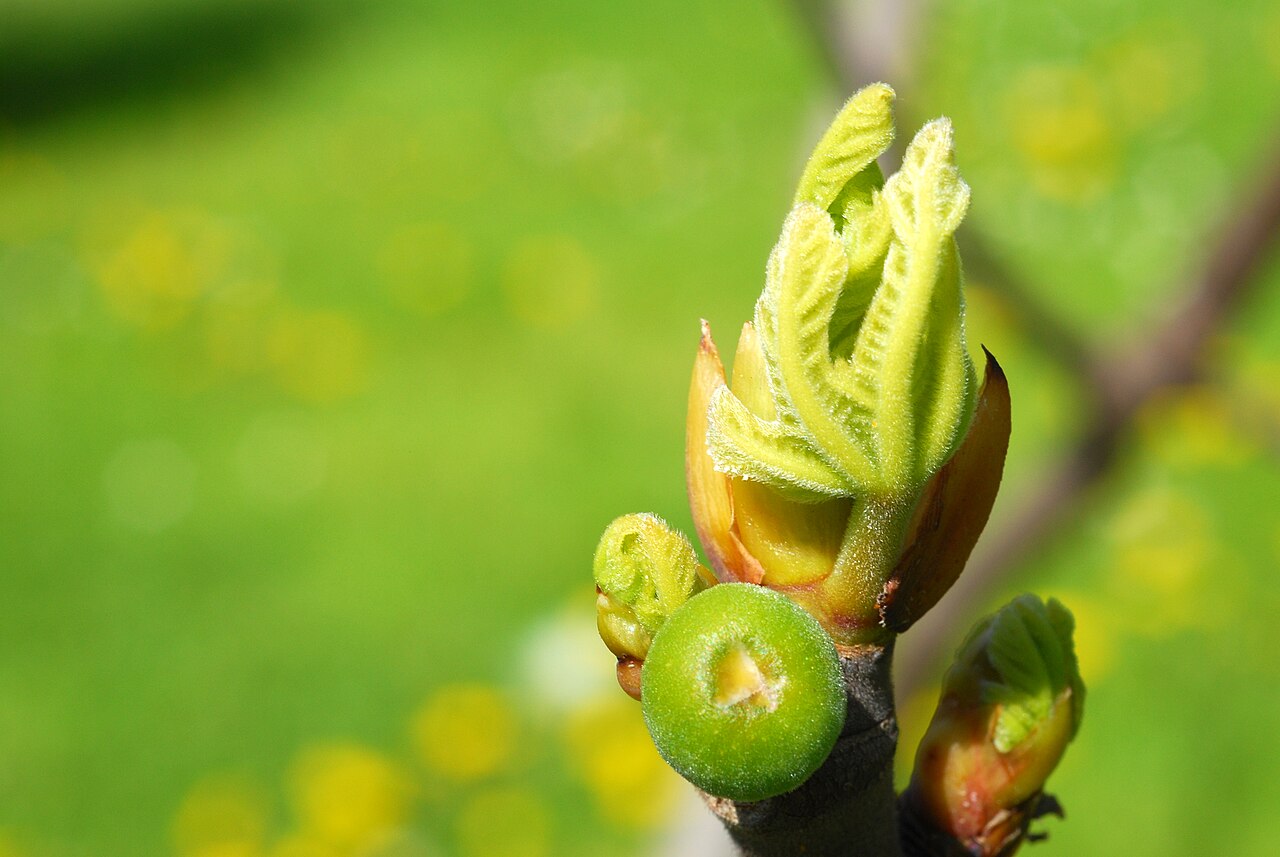
Fruit tree
Fig
Two crops of jam-sweet fruit from a compact tree.

Fruit tree
Barbados Cherry (Acerola)
A hedgerow that feeds you.
Fruit tree
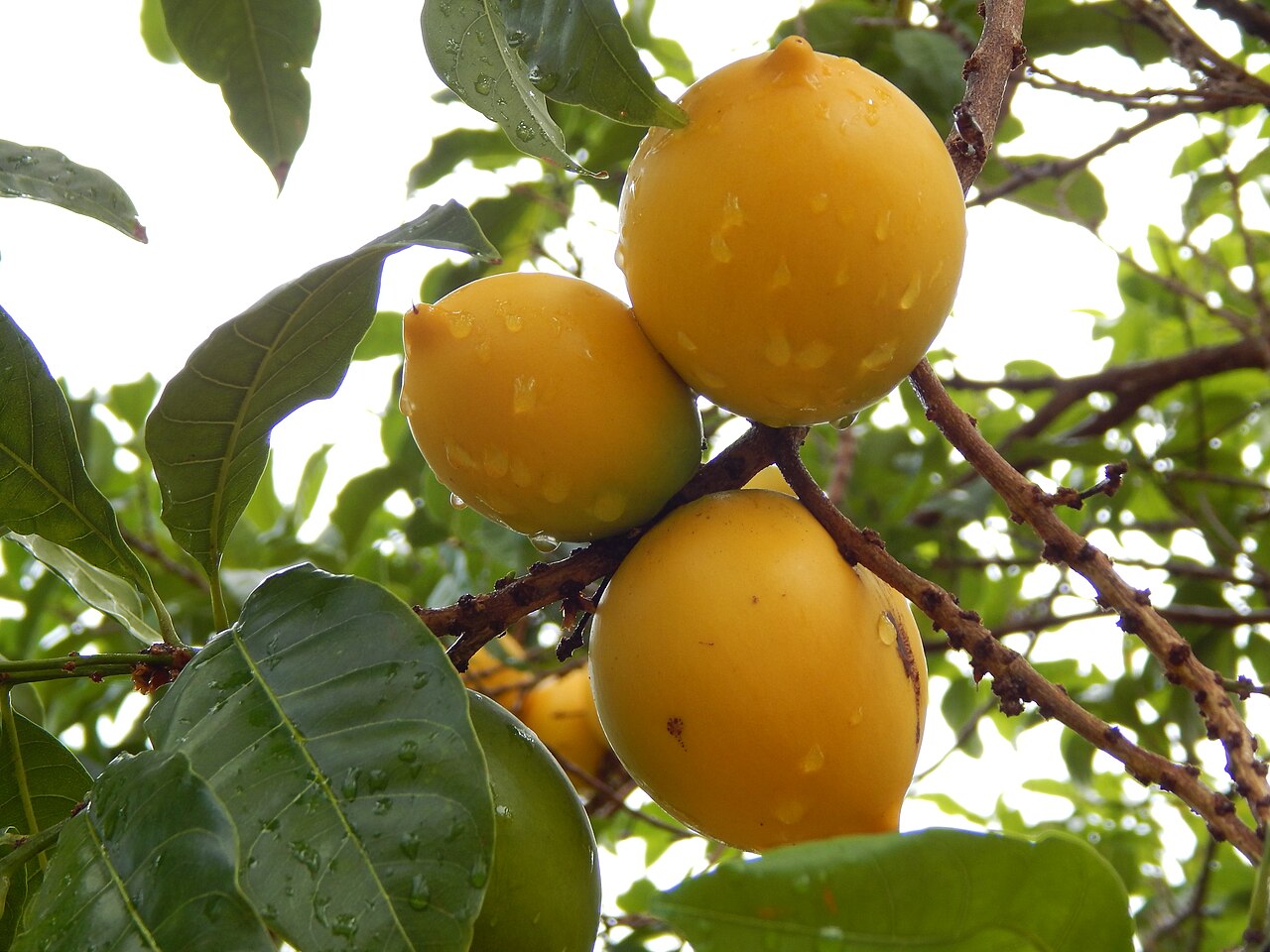
Abiu
Golden fruit with sweet, translucent flesh that eats like caramel custard. A South American sapote cousin that's right at home here.
Fruit tree
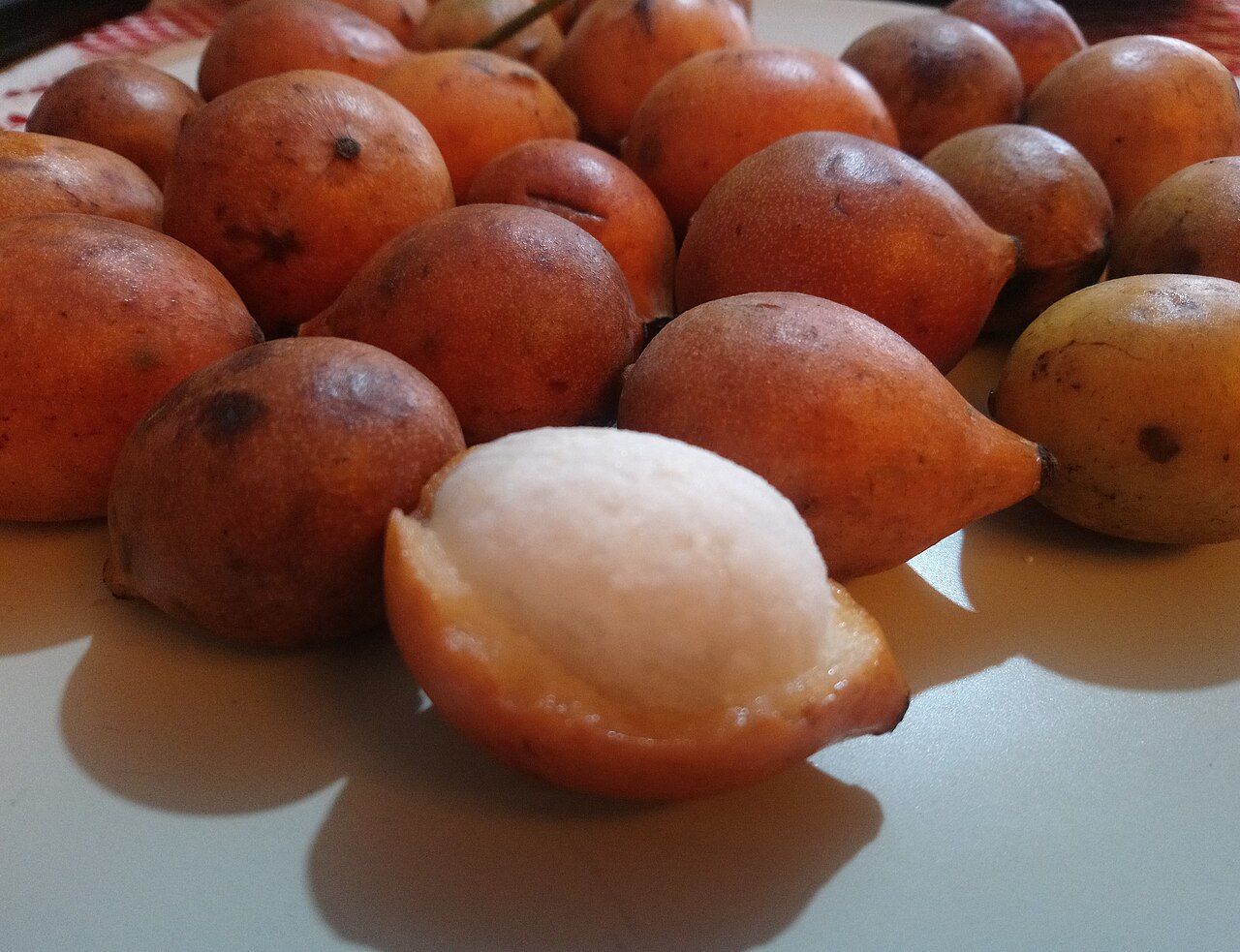
Achachairú (Achacha)
A Bolivian Garcinia with tangy-sweet fruit under an orange rind. Slow and steady, and worth every year of the wait.
Fruit tree
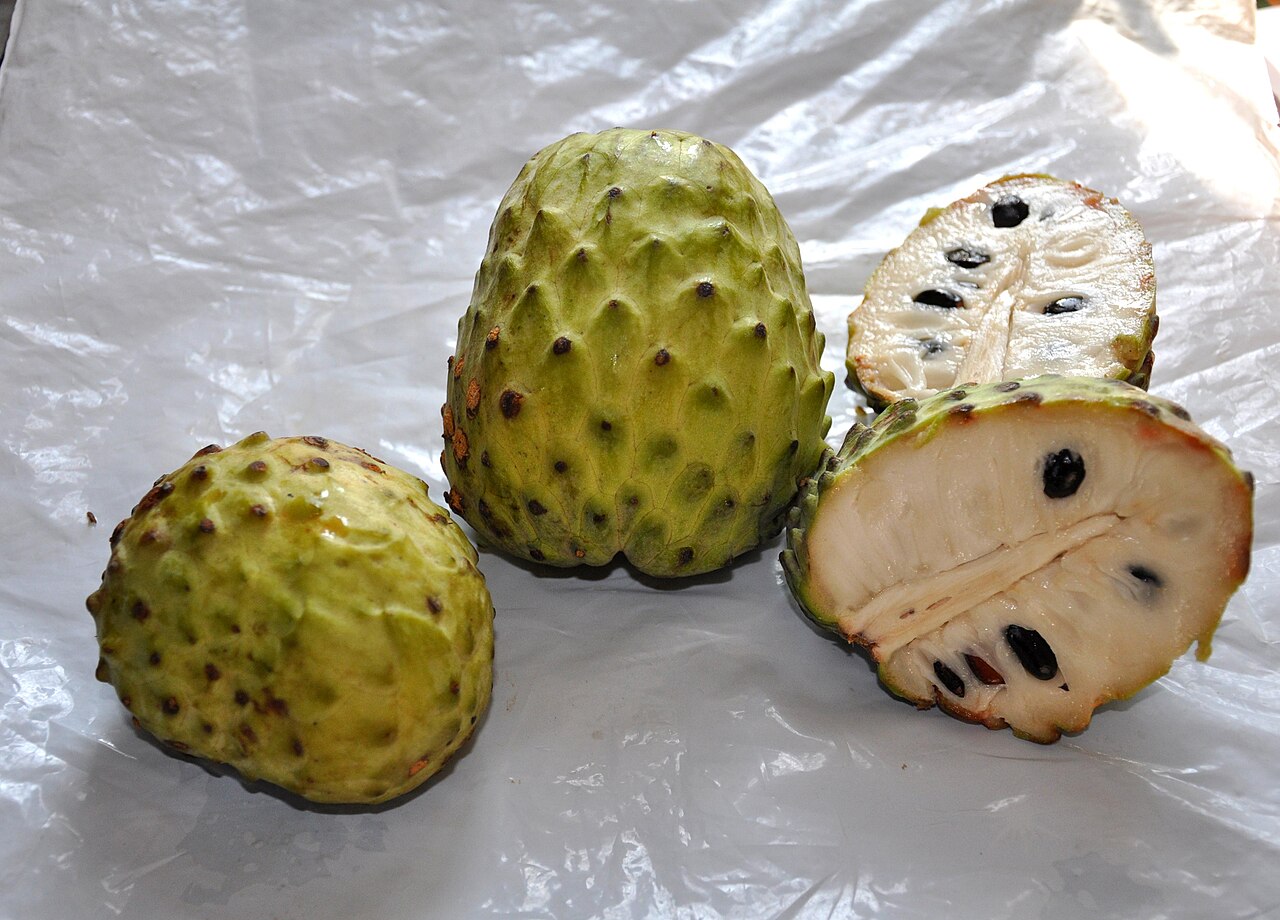
Atemoya
A sugar apple crossed with cherimoya. Custardy, sweet, and one of the Annonas that rewards real care.
Fruit tree
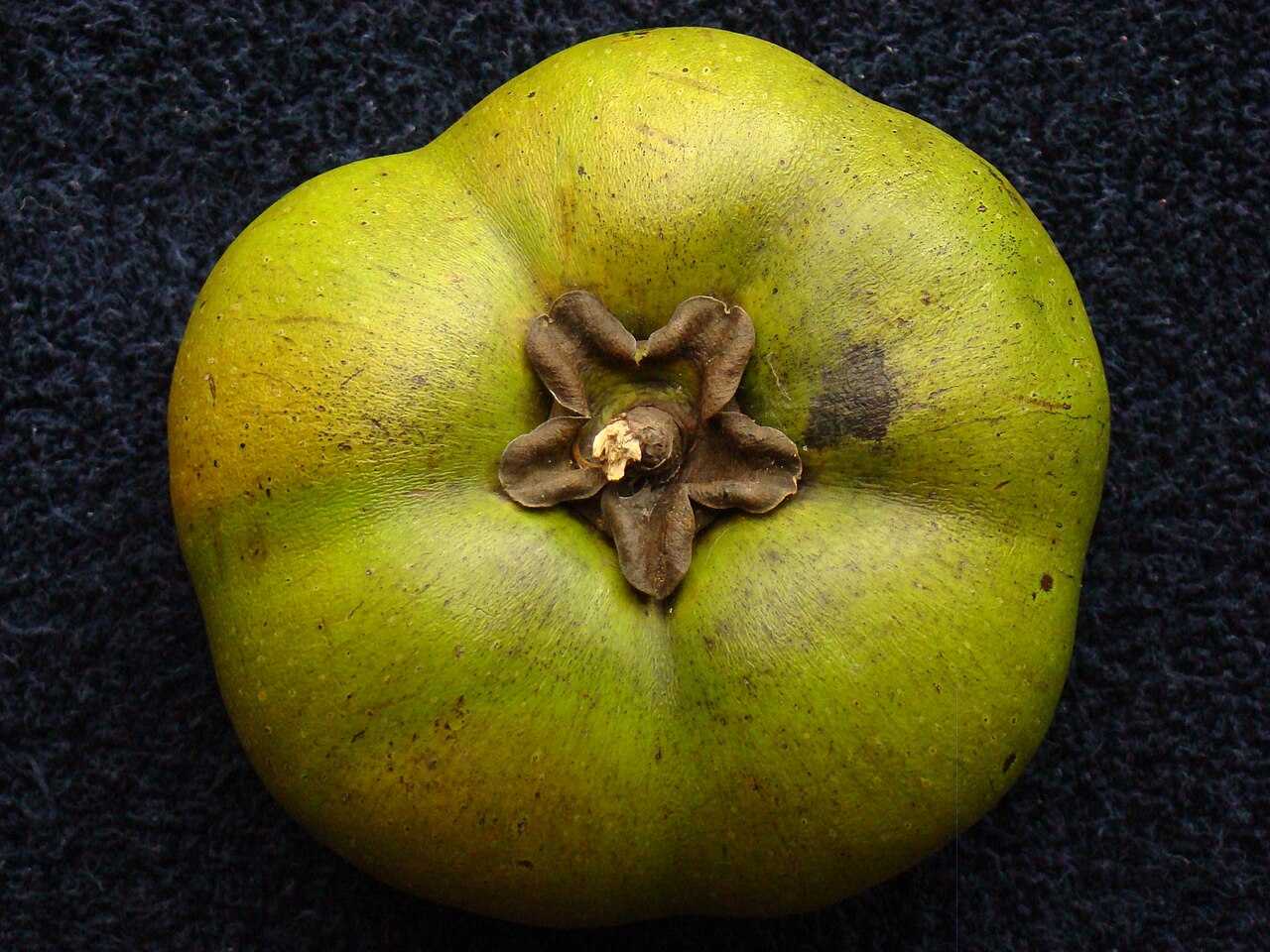
Black Sapote
The chocolate pudding fruit. Ripe flesh really does look and spoon like pudding, and it's one of the easier sapotes here.
Fruit tree
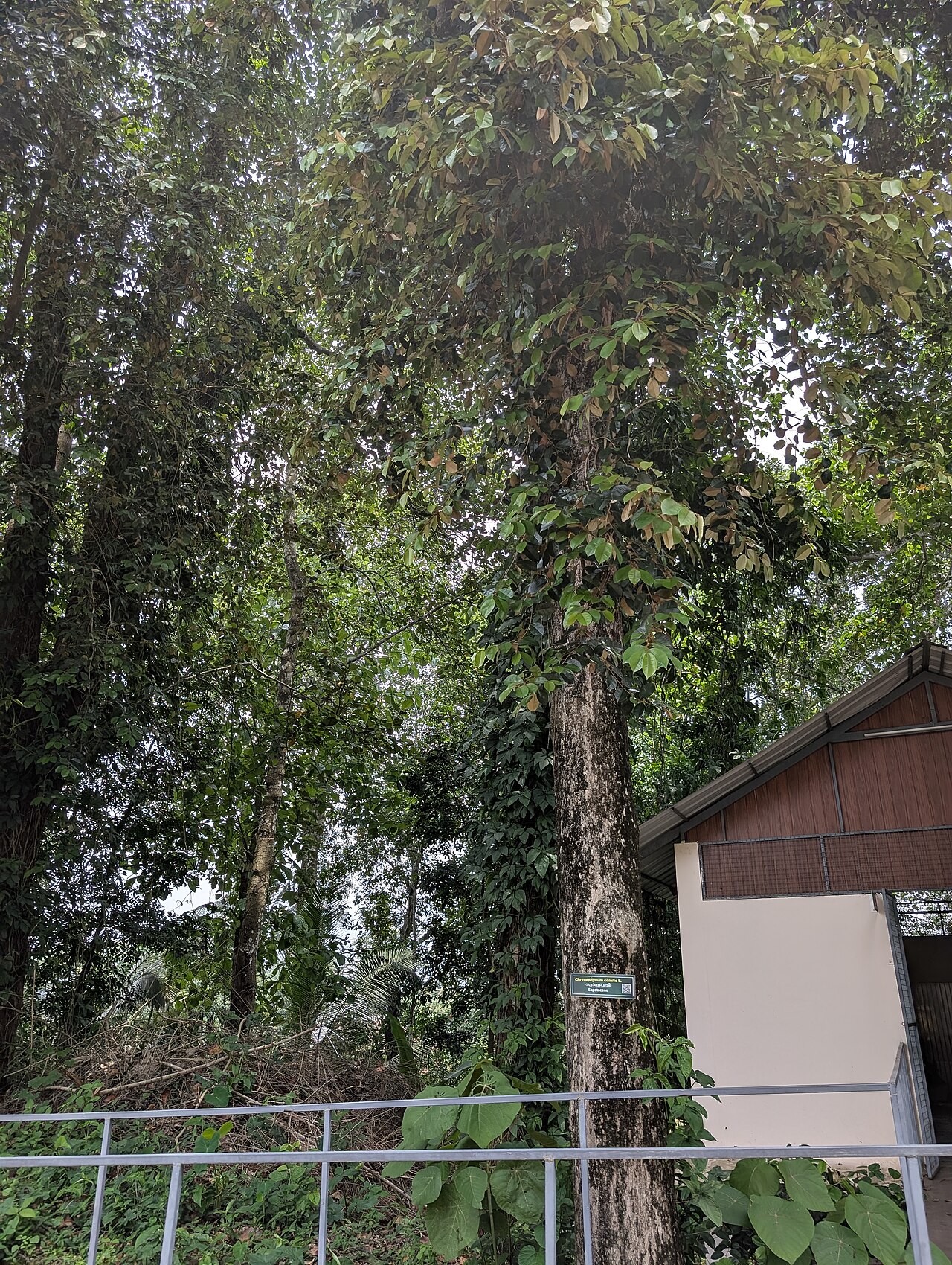
Caimito (Star Apple)
Cut it crosswise and there's the star. Sweet, milky flesh on a handsome tree with bronze-backed leaves.
Fruit tree
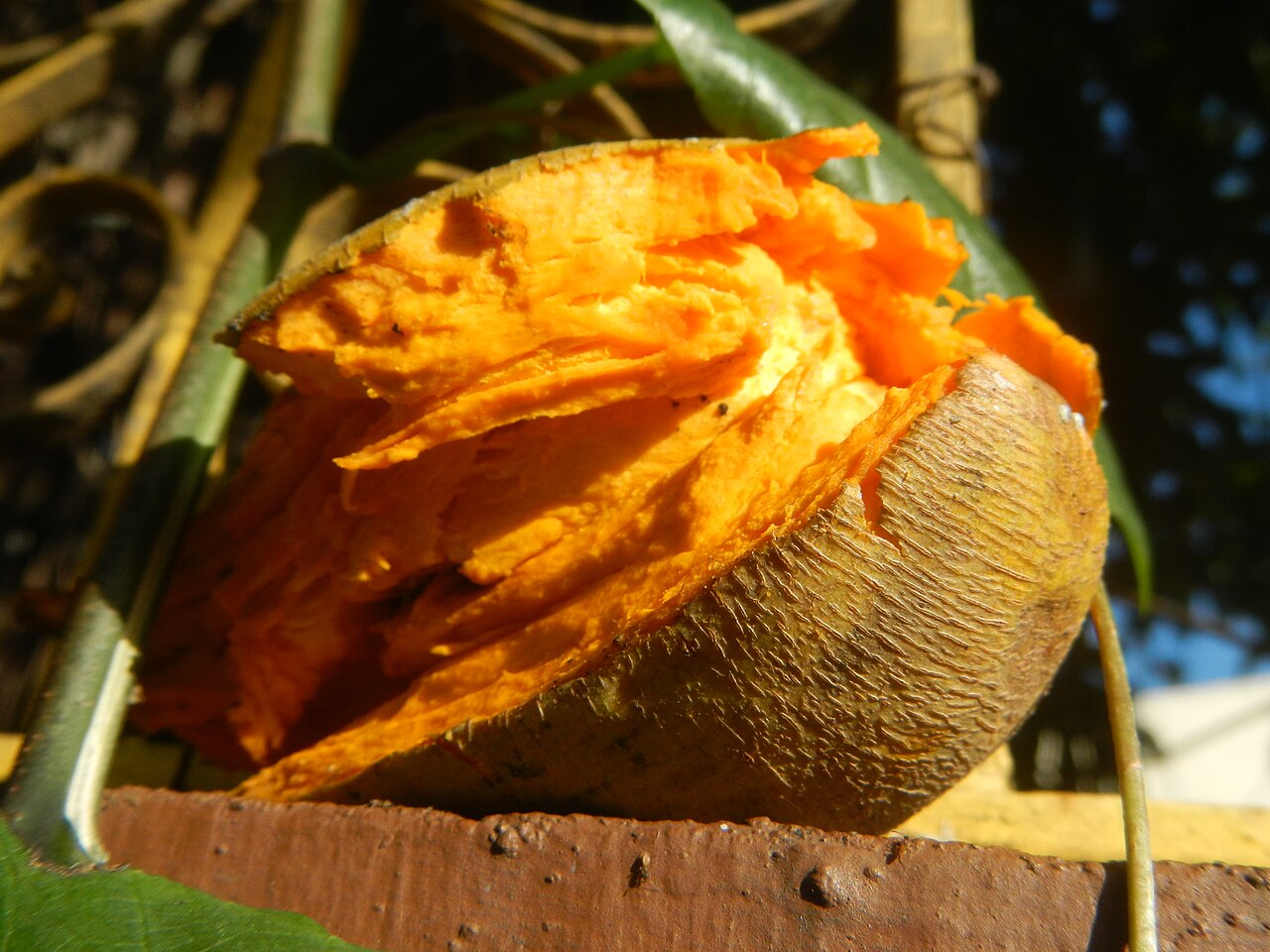
Canistel (Eggfruit)
Rich, sweet flesh with the texture of a boiled yolk. Sounds odd, tastes like pumpkin pie.
Fruit tree
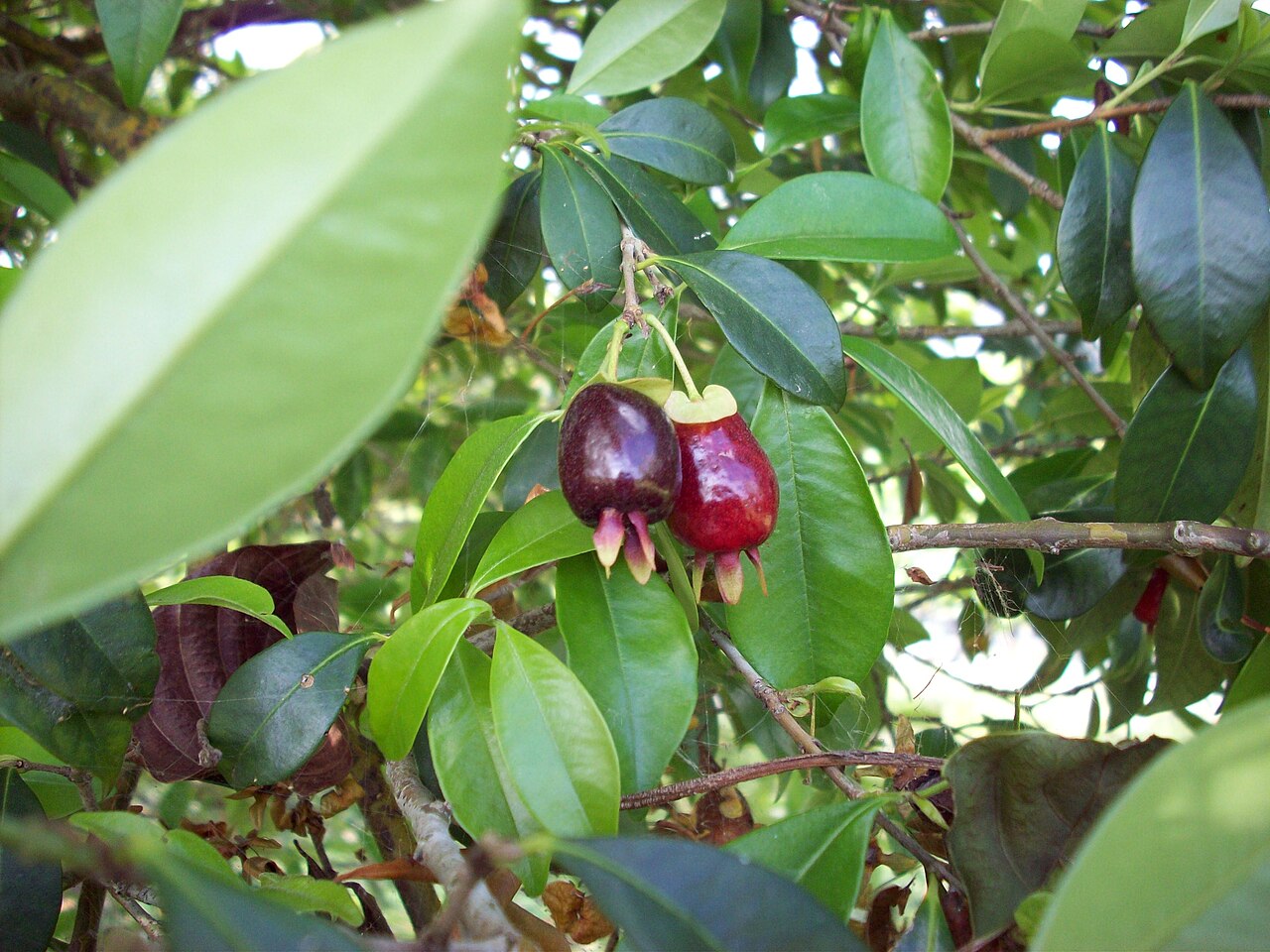
Cherry of the Rio Grande
One of the tropical cherries I plant most. Dark sweet fruit and a tidy, good-looking tree.
Fruit tree
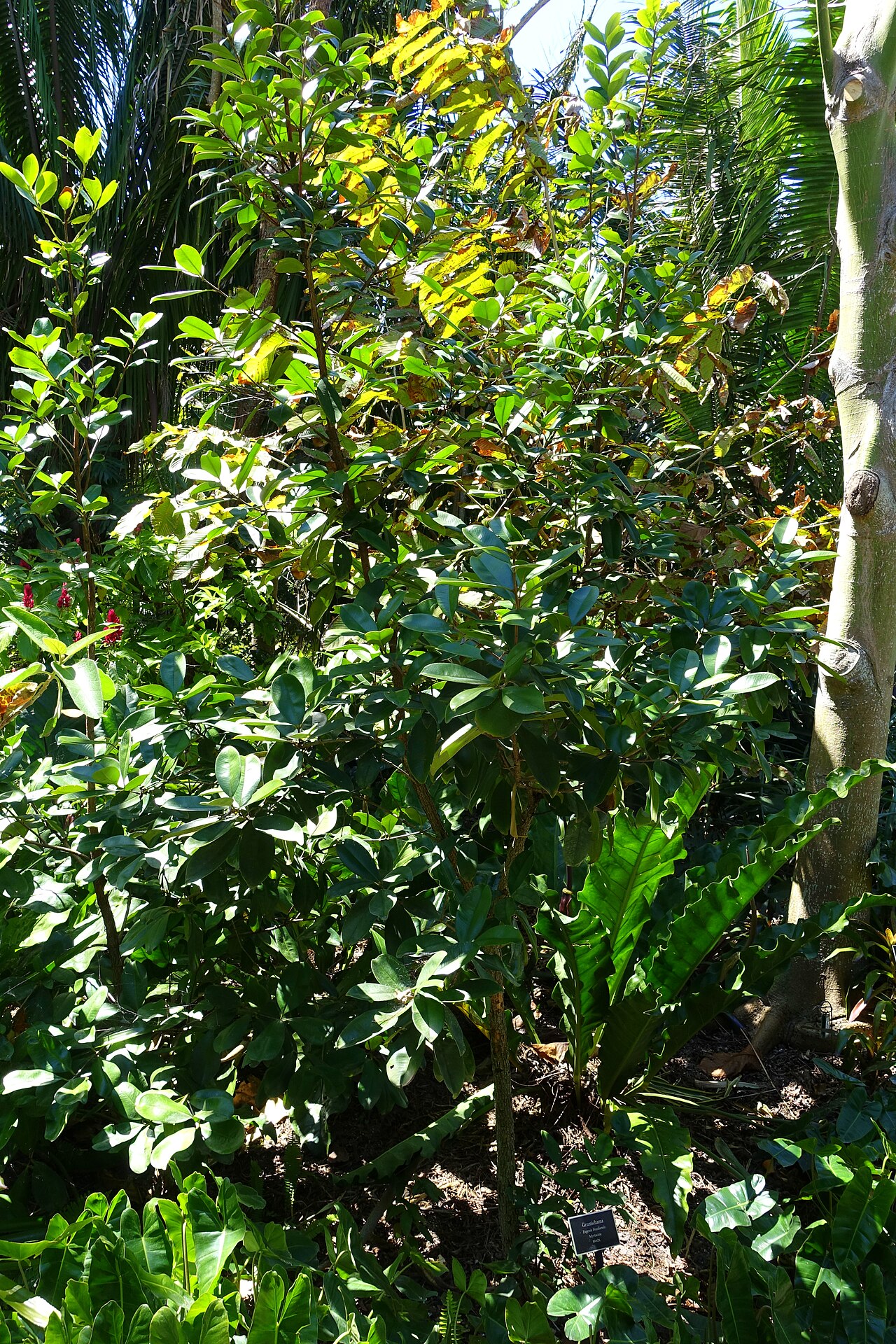
Grumichama
The Brazilian cherry. Glossy leaves, white flowers, and dark fruit that disappears fast.
Fruit tree
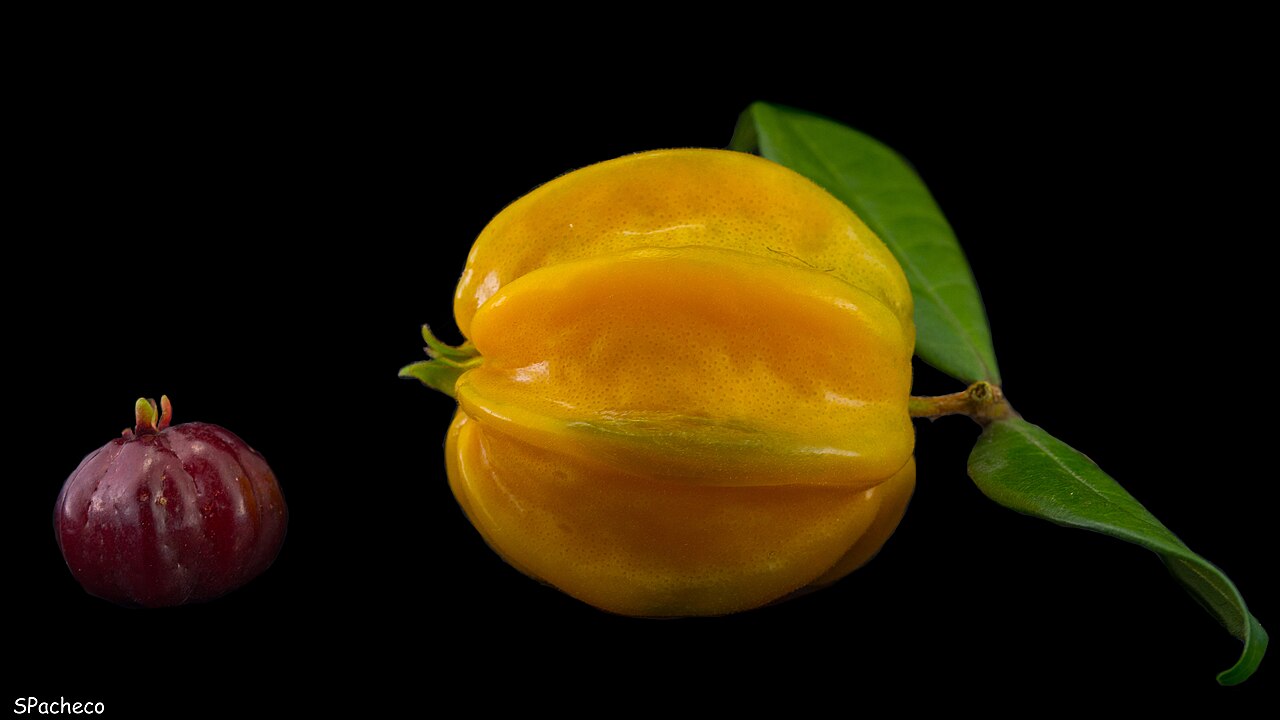
Pitangatuba
A rare little tropical cherry with golden star-shaped fruit and a bright sweet-tart bite. Small, slow, well-behaved, and growers love it for a reason.
Fruit tree
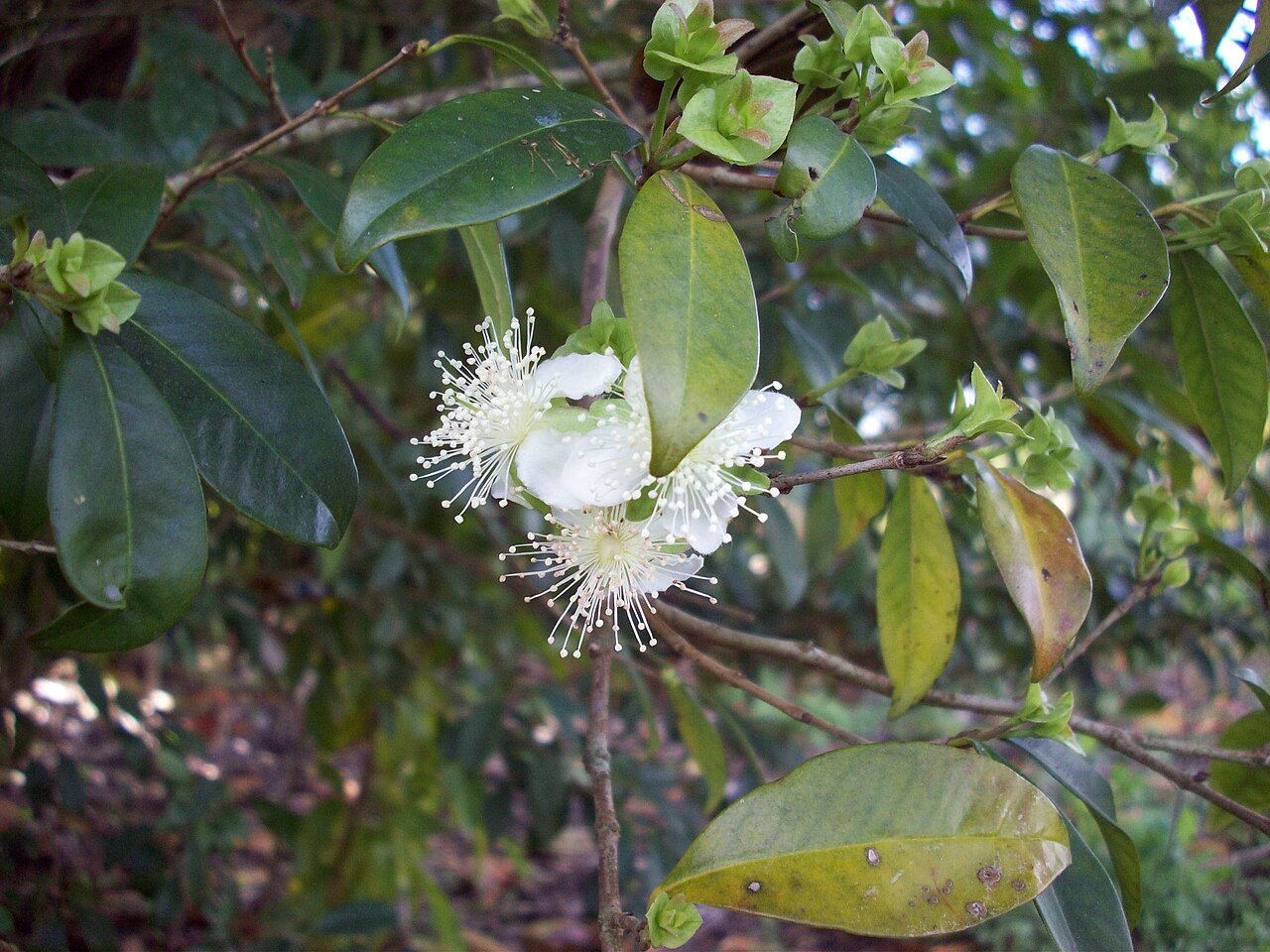
Pitomba
Golden, apricot-flavored fruit on a slow, handsome tree. Another tropical cherry worth the patience.
Fruit tree
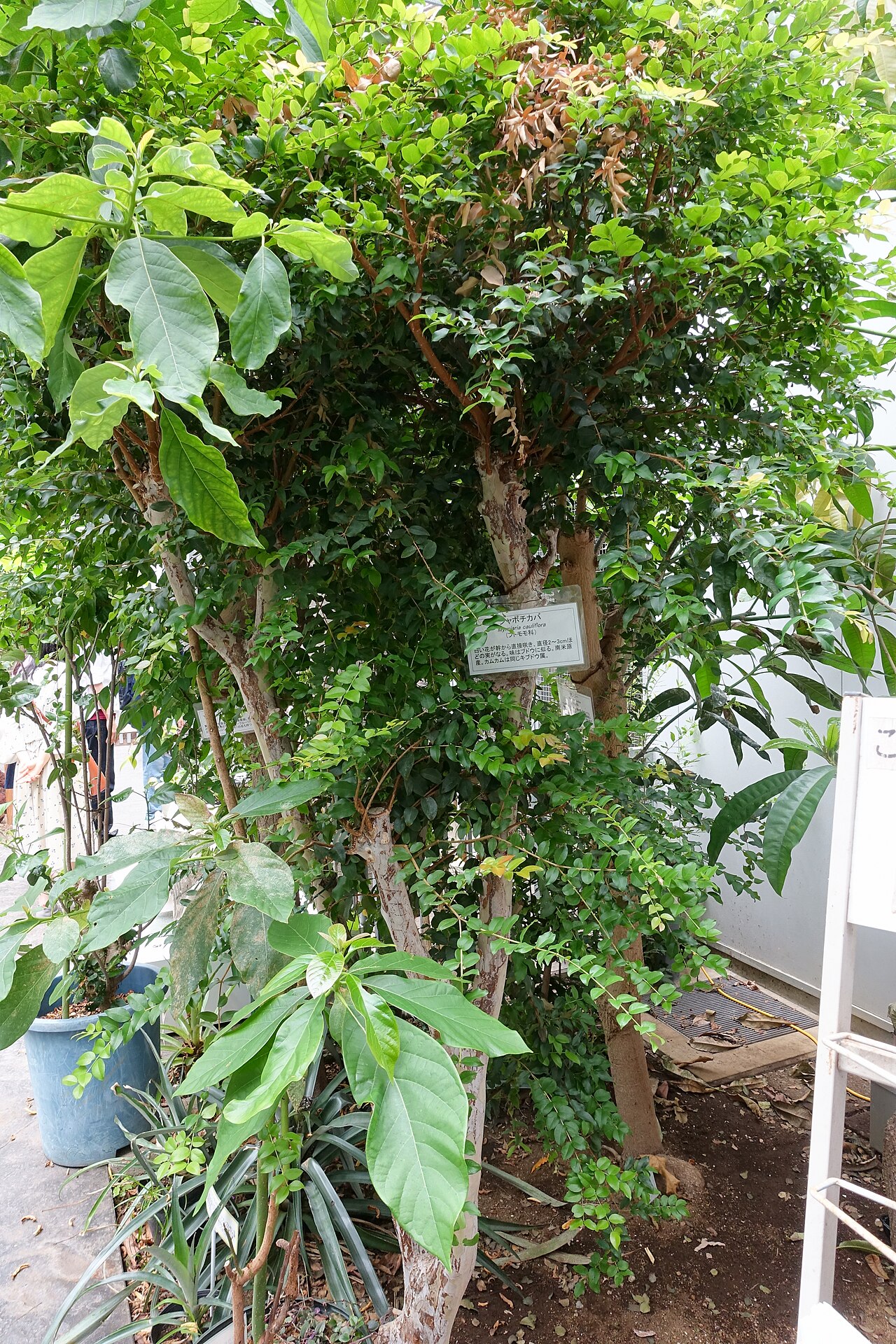
Jaboticaba (multiple varieties)
Grape-like fruit growing right out of the bark. Slow as can be, and one of the coolest fruiting sights in any garden.
Fruit tree
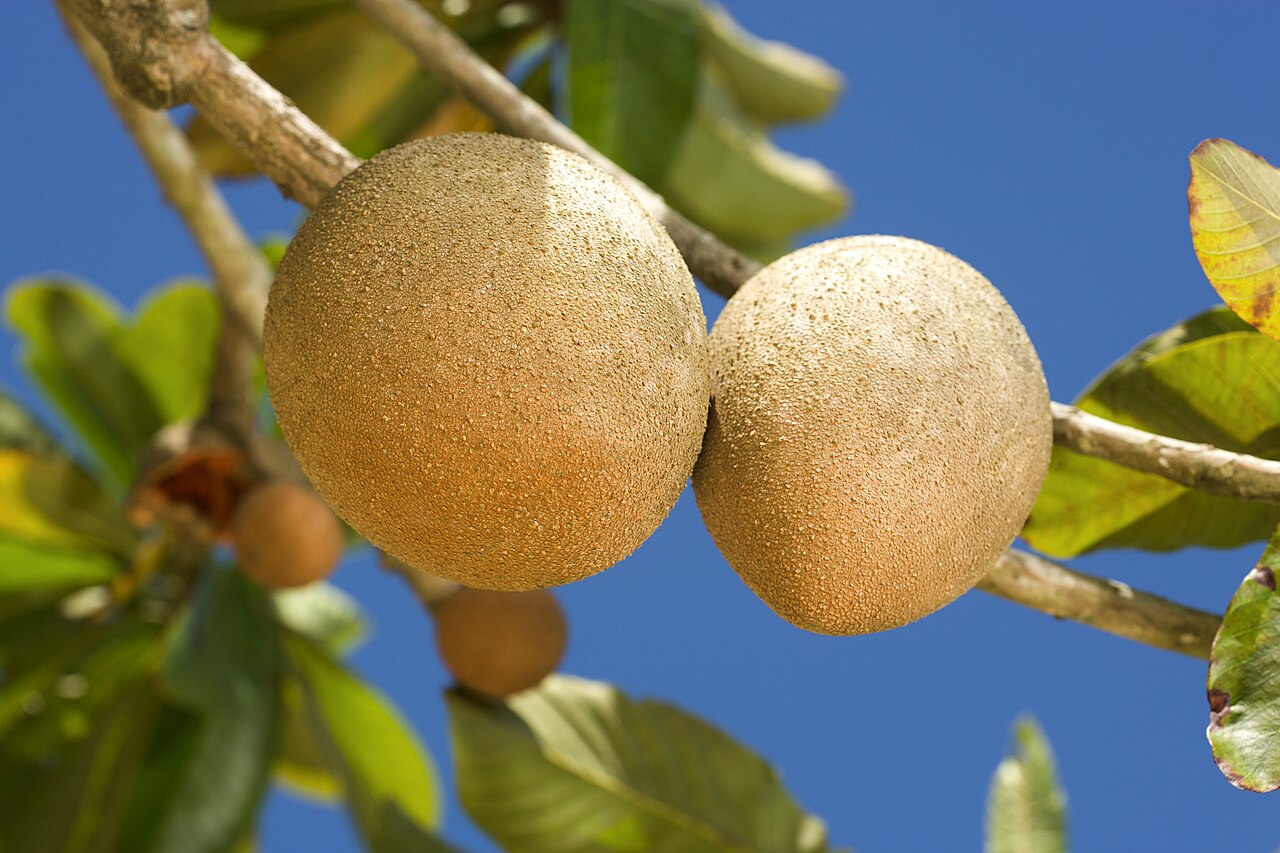
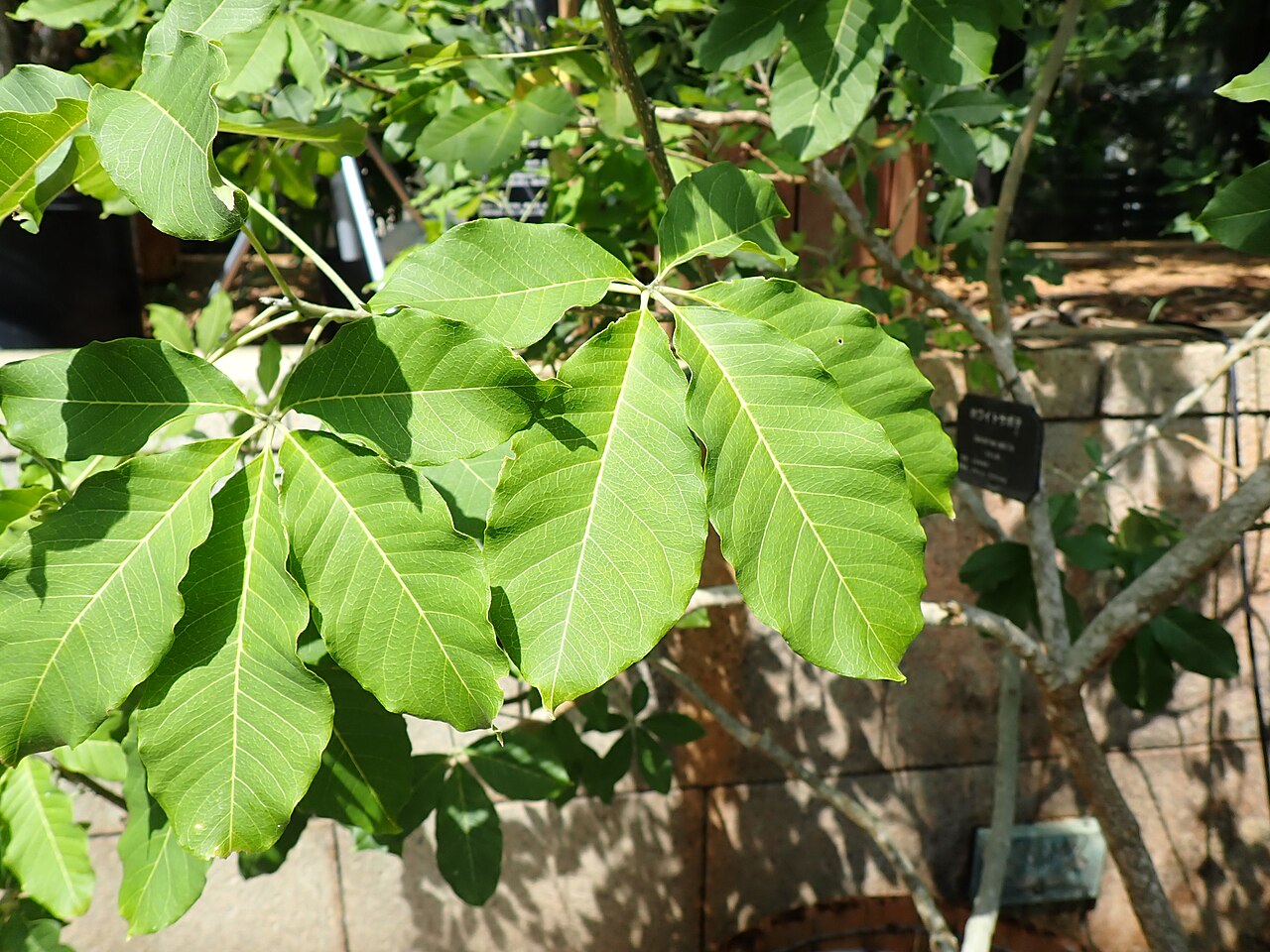
Mamey Sapote
The big one. Sweet, dense flesh like sweet potato pie with almond. A serious tree for a serious fruit lover.
Fruit tree
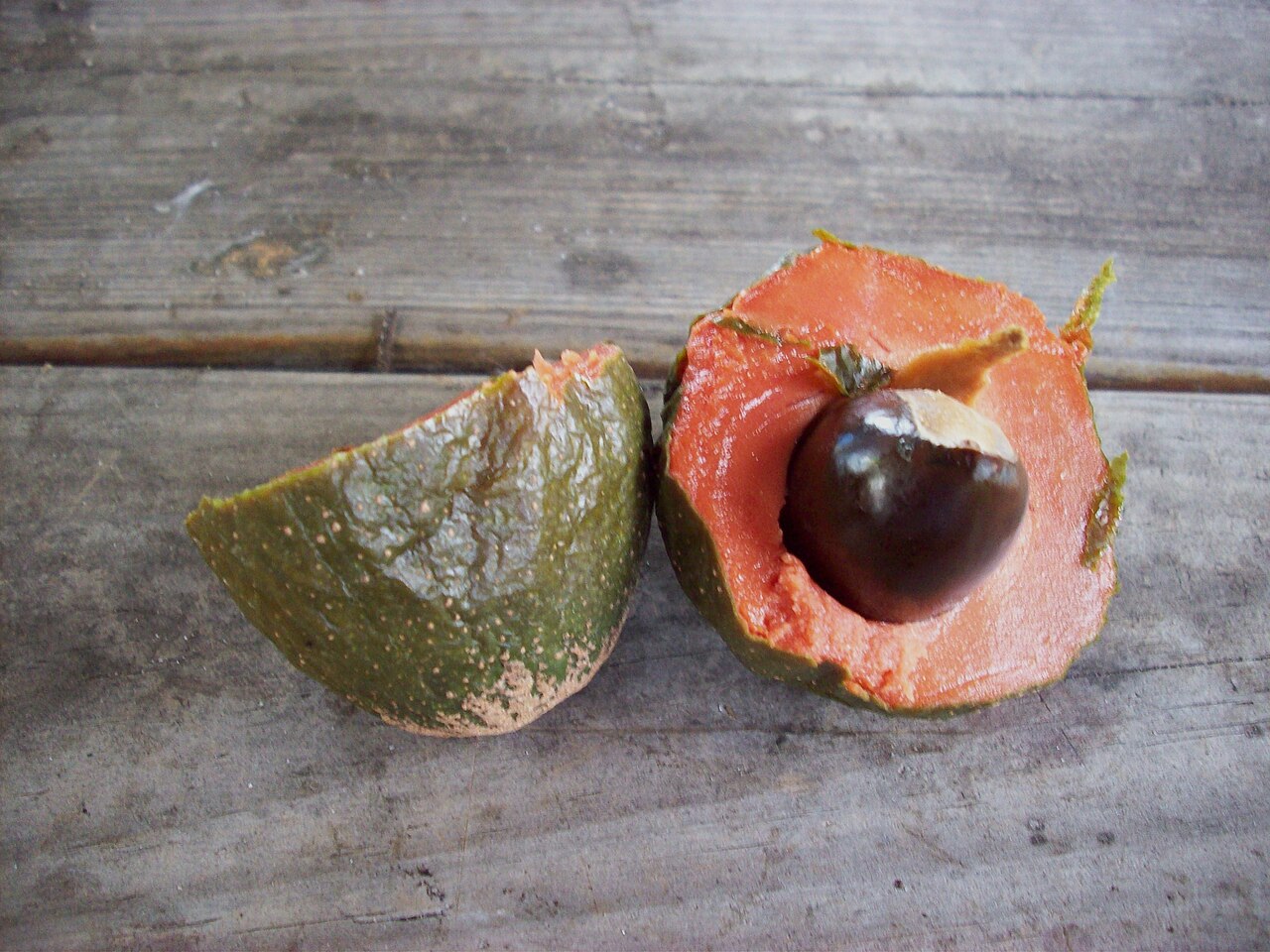
White Sapote
Custard-soft fruit with a peaches-and-cream sweetness. Trickier here than people expect, which is exactly why we plan for it.
Fruit tree
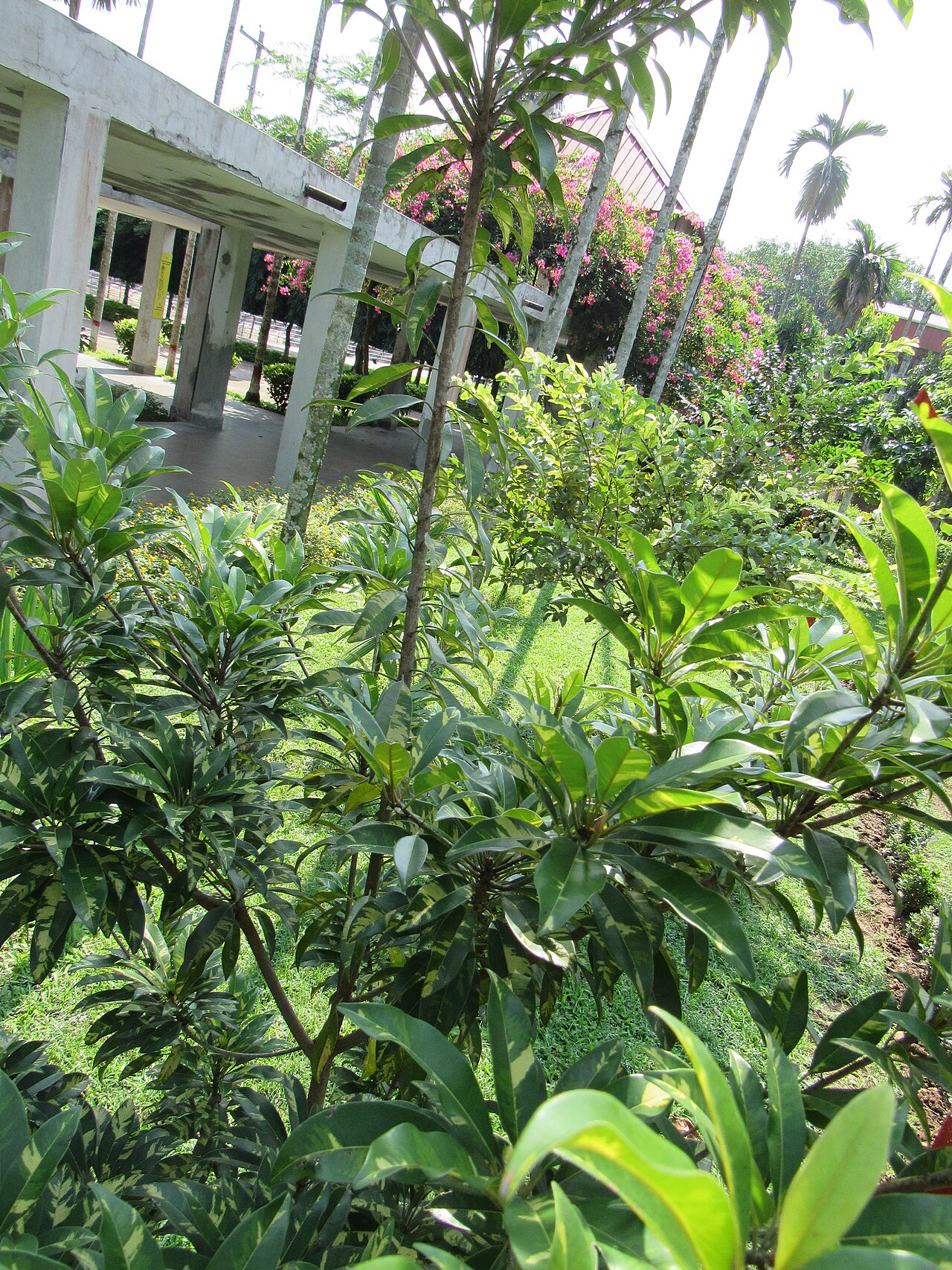
Green Sapote
Mamey's rarer, milder cousin. Slow and particular, and a collector's prize when it fruits.
Fruit tree
Sapodilla
Brown sugar in fruit form. Salt-tolerant, tough, and a well-cared-for one is one of the best things you can grow here.
Fruit tree
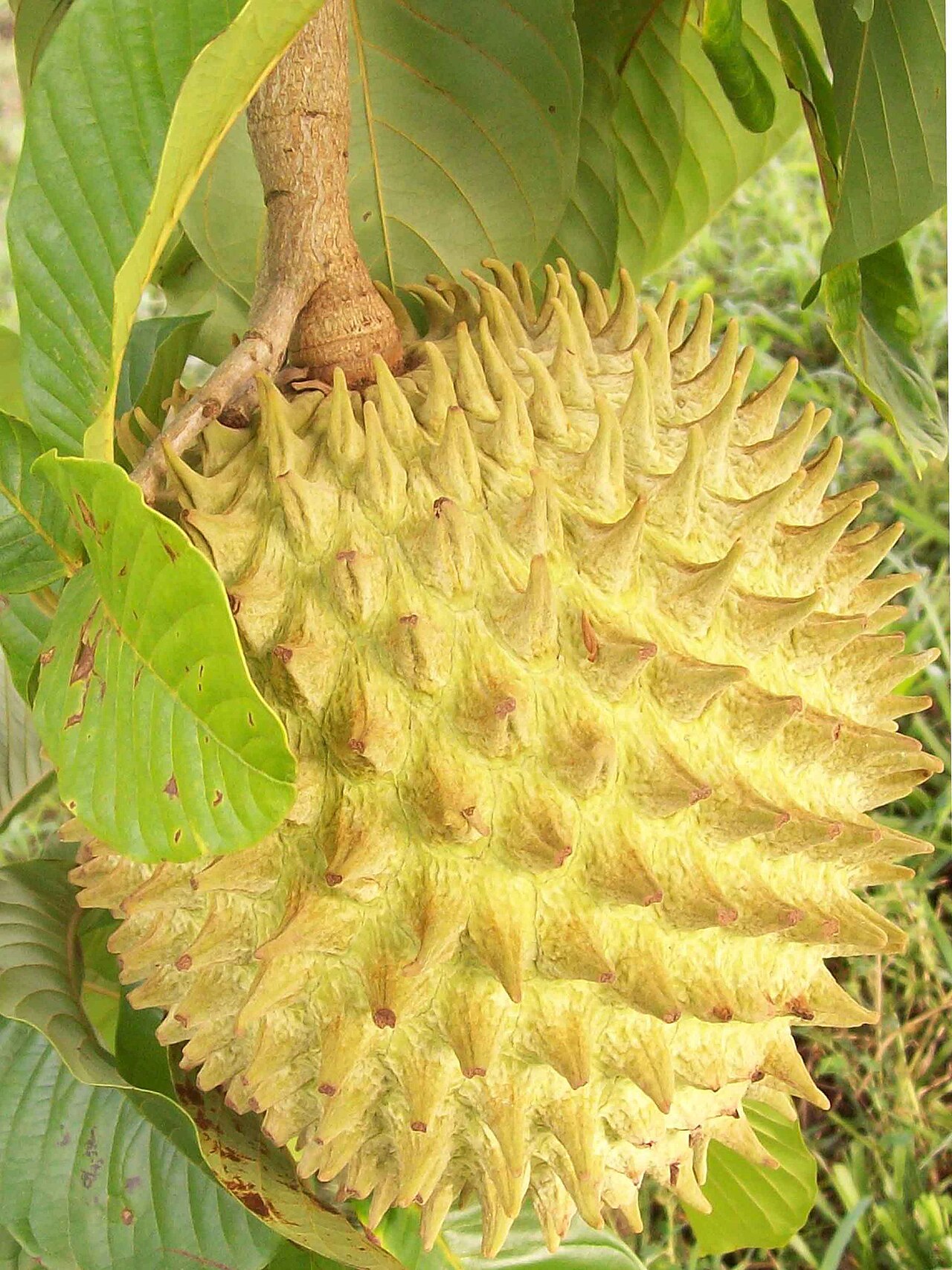
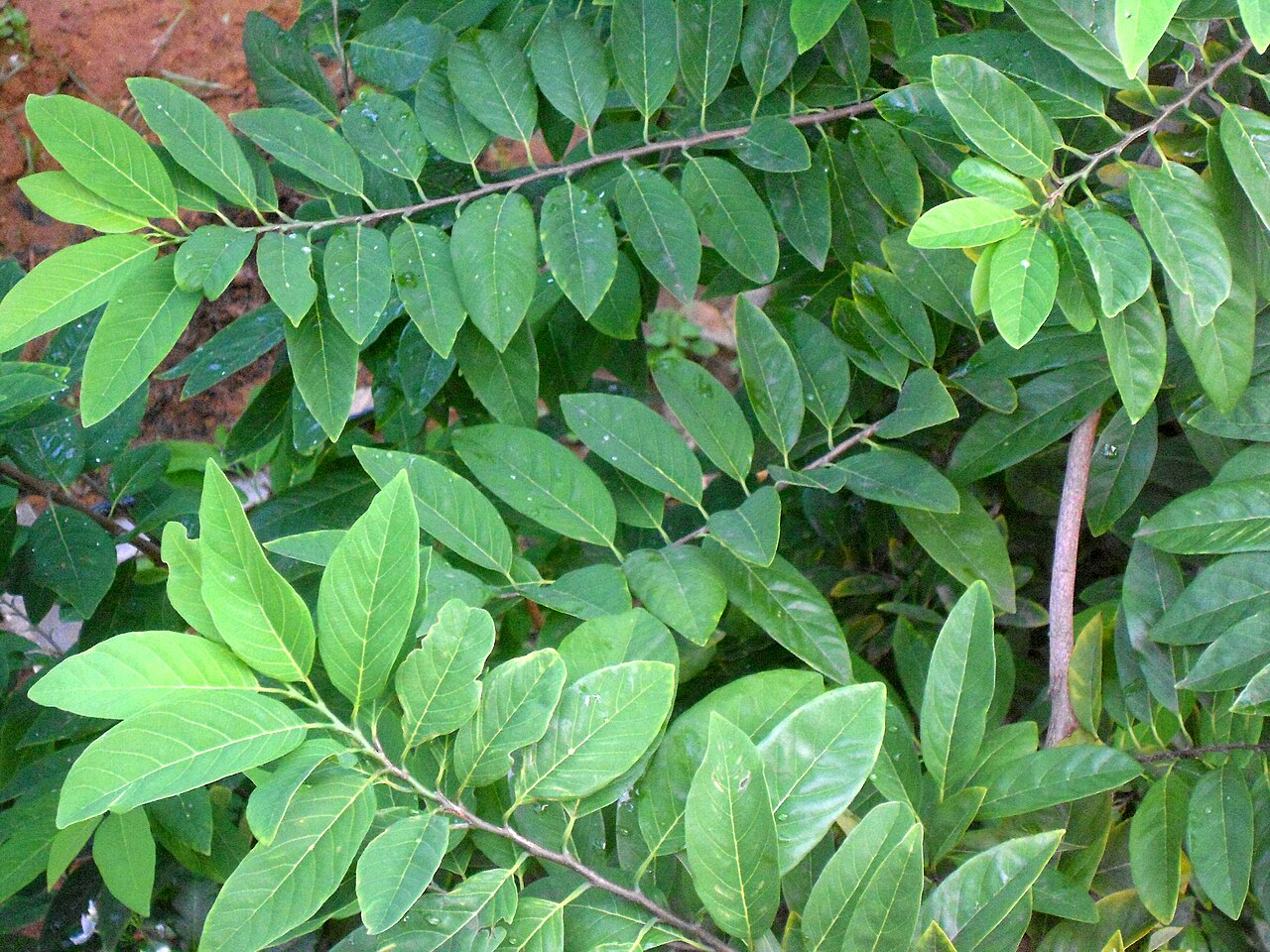
Rollinia
Lemon meringue on a tree, and I mean that almost literally. An Annona that rewards real care.
Fruit tree
Sugar Apple
The classic Annona. Sweet, segmented, custardy fruit on a small tree that fits almost any yard.
Fruit tree
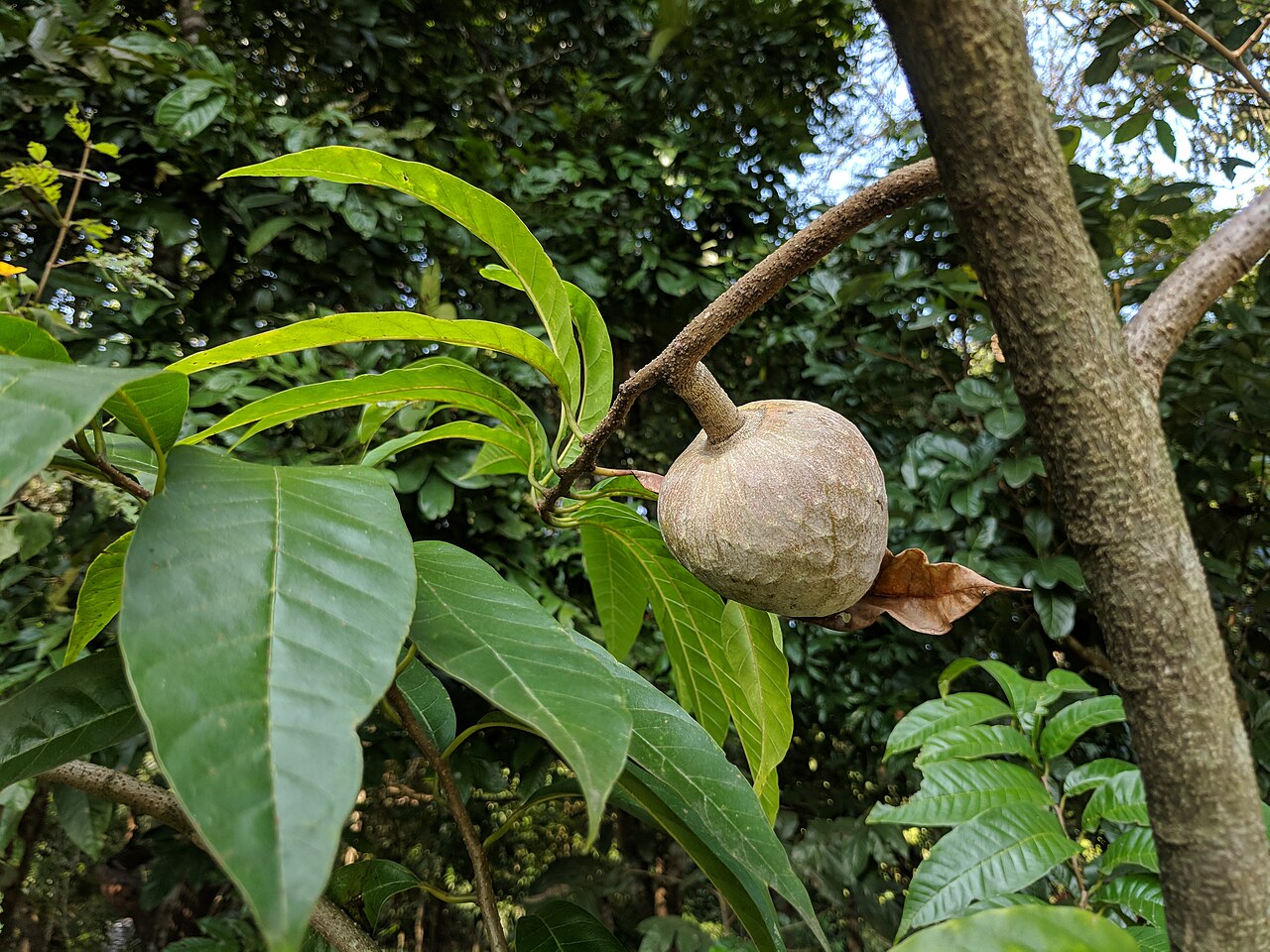
Custard Apple
The wetland-tolerant Annona cousin with soft, sweet flesh. An old Florida dooryard fruit.

Fruit tree
Ilama
The tropical lowland cousin of the cherimoya. Rare here, beautiful fruit, and a conversation piece in any collection.
Fruit tree
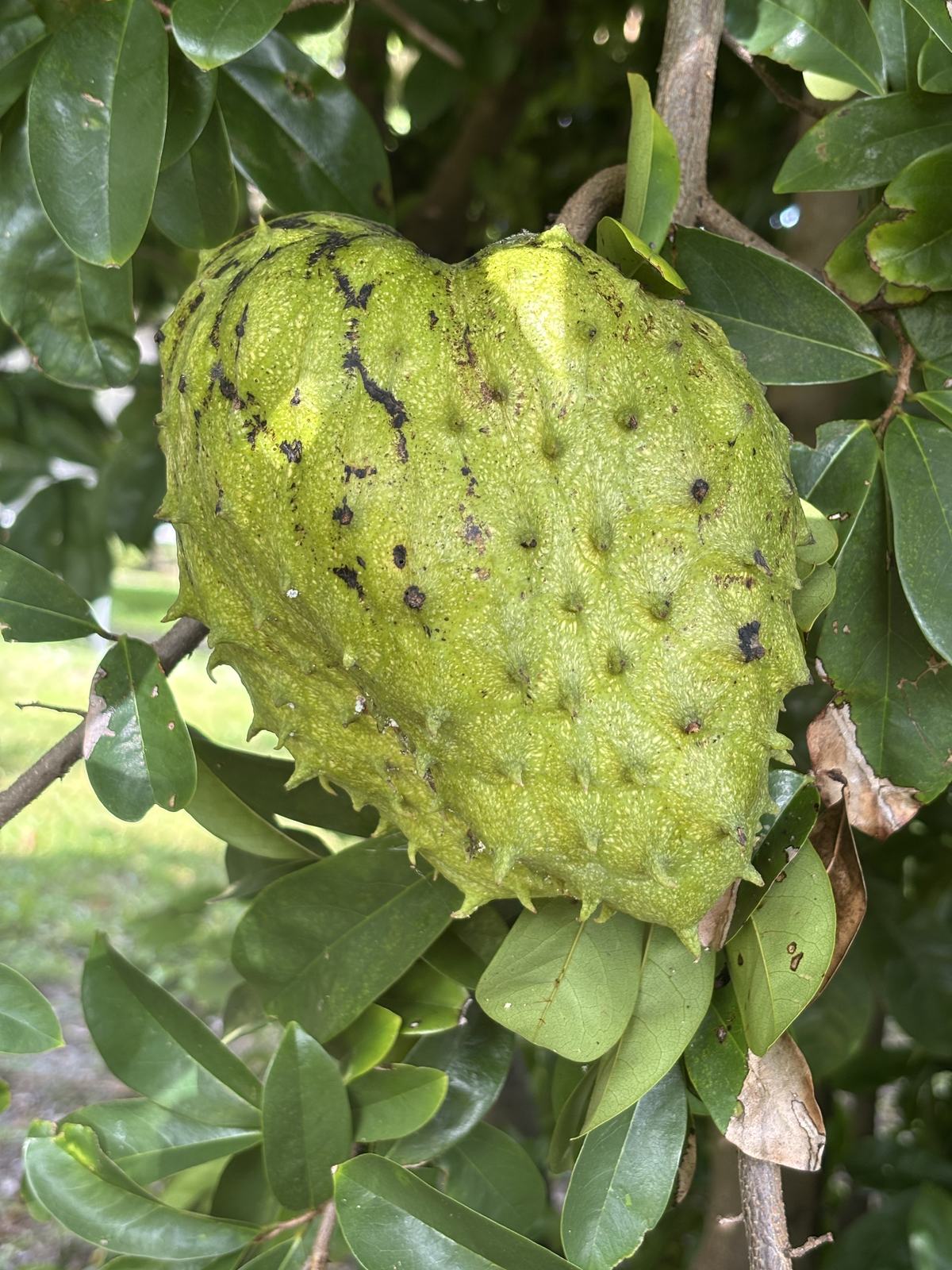
Soursop
Big, spiky, and intensely tropical, the fruit behind every good batido. Cold-sensitive, so where it sits matters.
Fruit tree
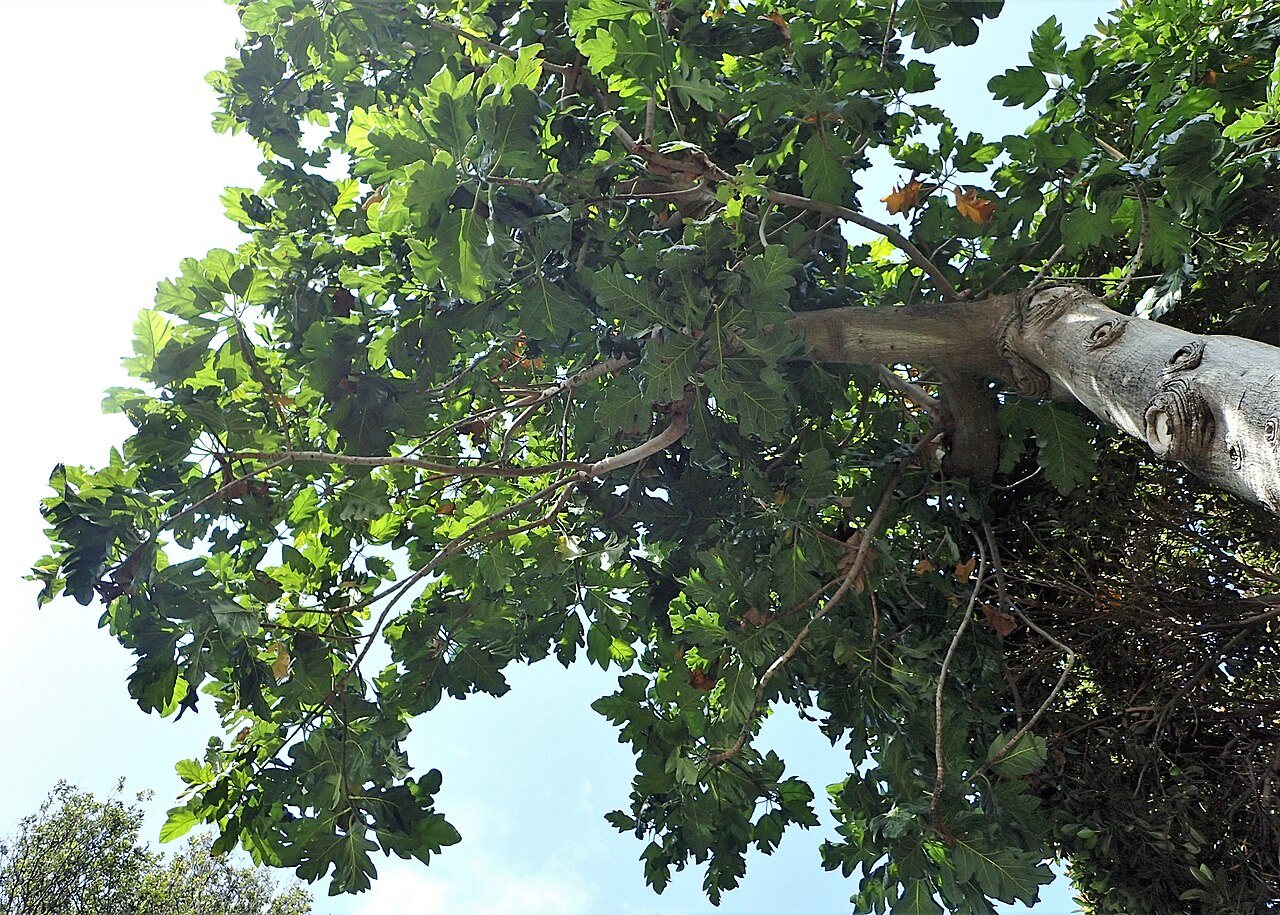
Breadfruit
The staple crop of the tropics. Truly cold-tender here, so it's for the protected, adventurous yard.
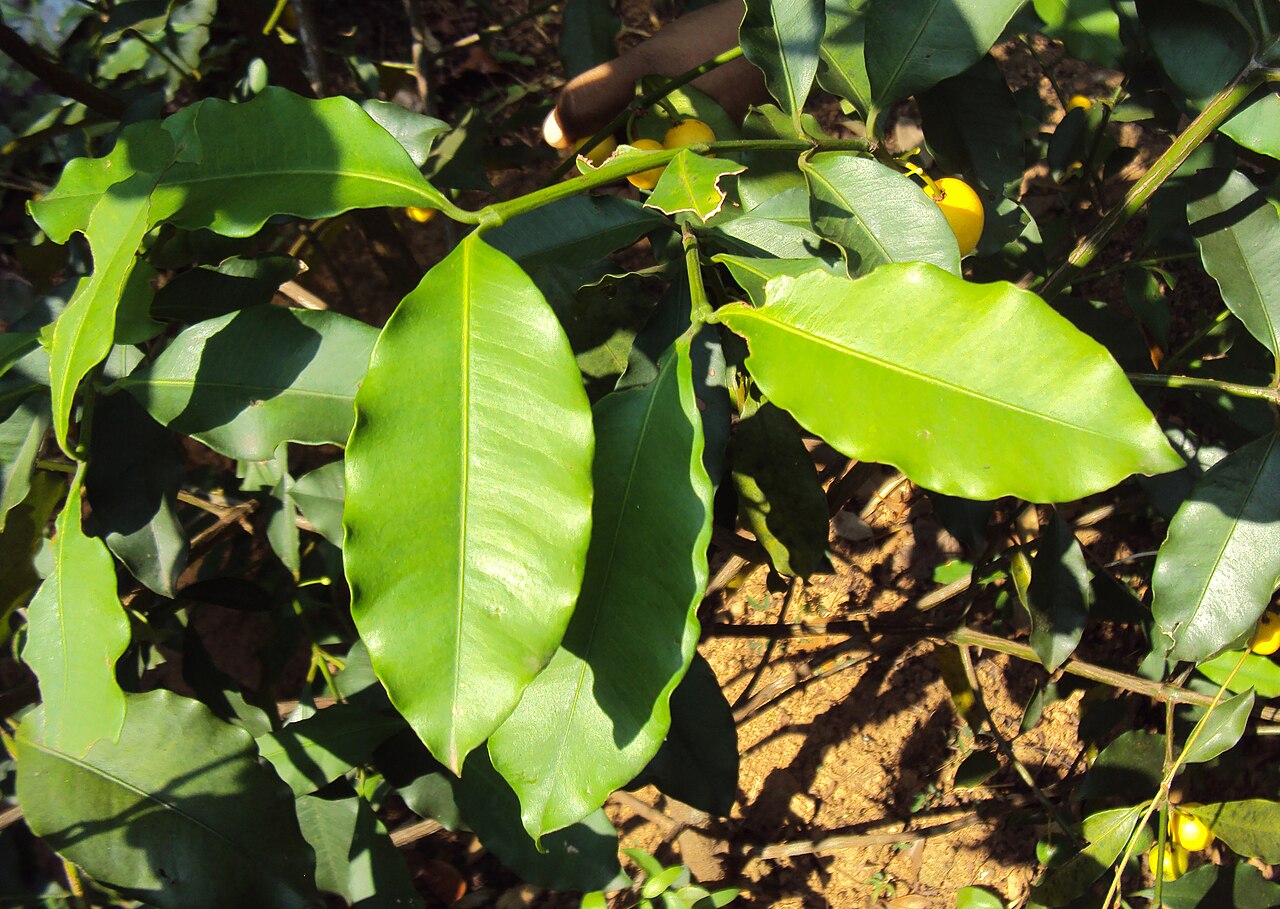
Fruit tree
Garcinia (multiple species)
The mangosteen family. Slow, picky about our chalky coastal sand, and home to some of the best fruit on the planet.
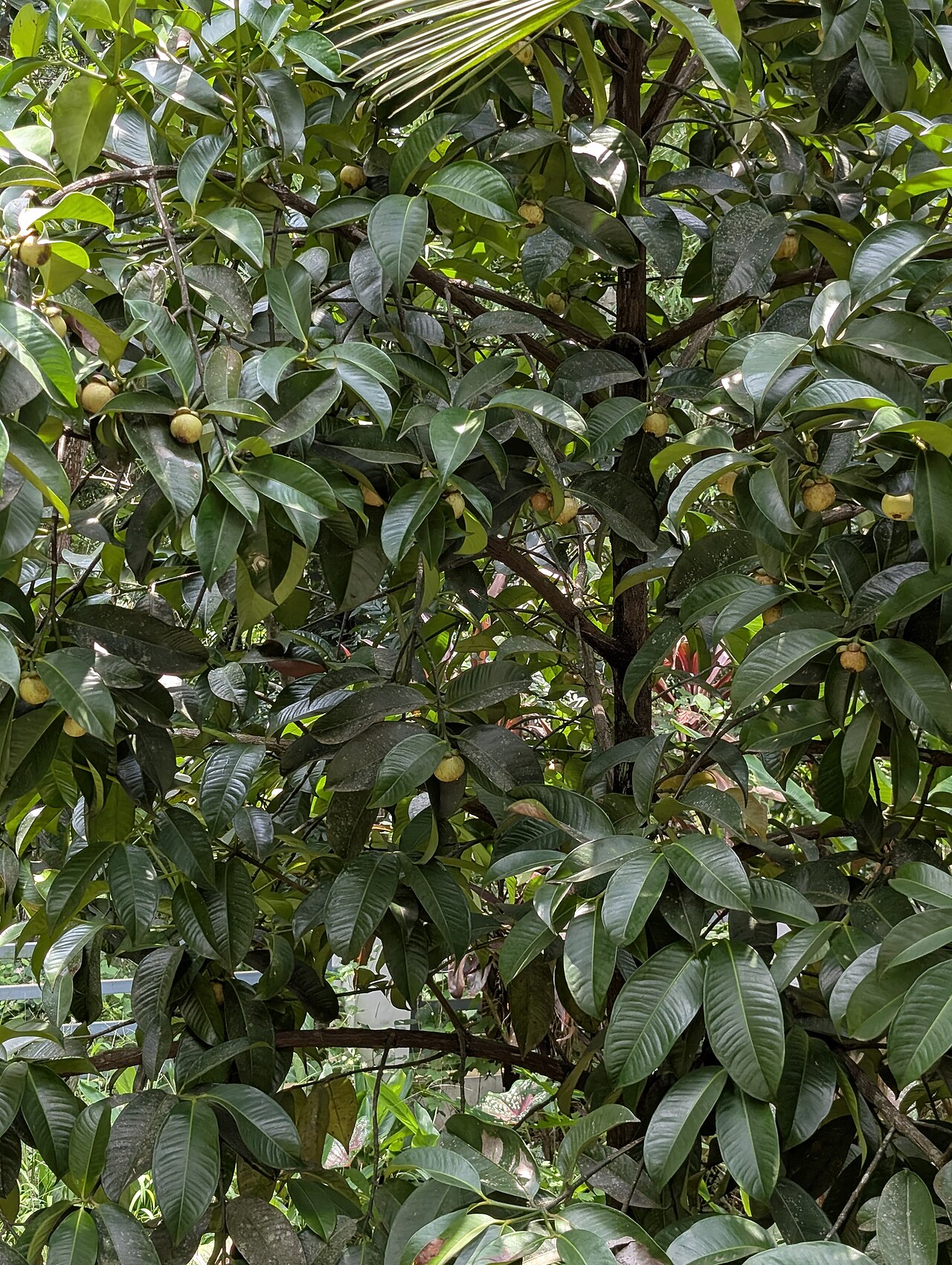
Fruit tree
Mangosteen
The queen of fruit, and I'll be straight with you: this is the hardest tree on this whole list to keep happy here. For the truly committed.
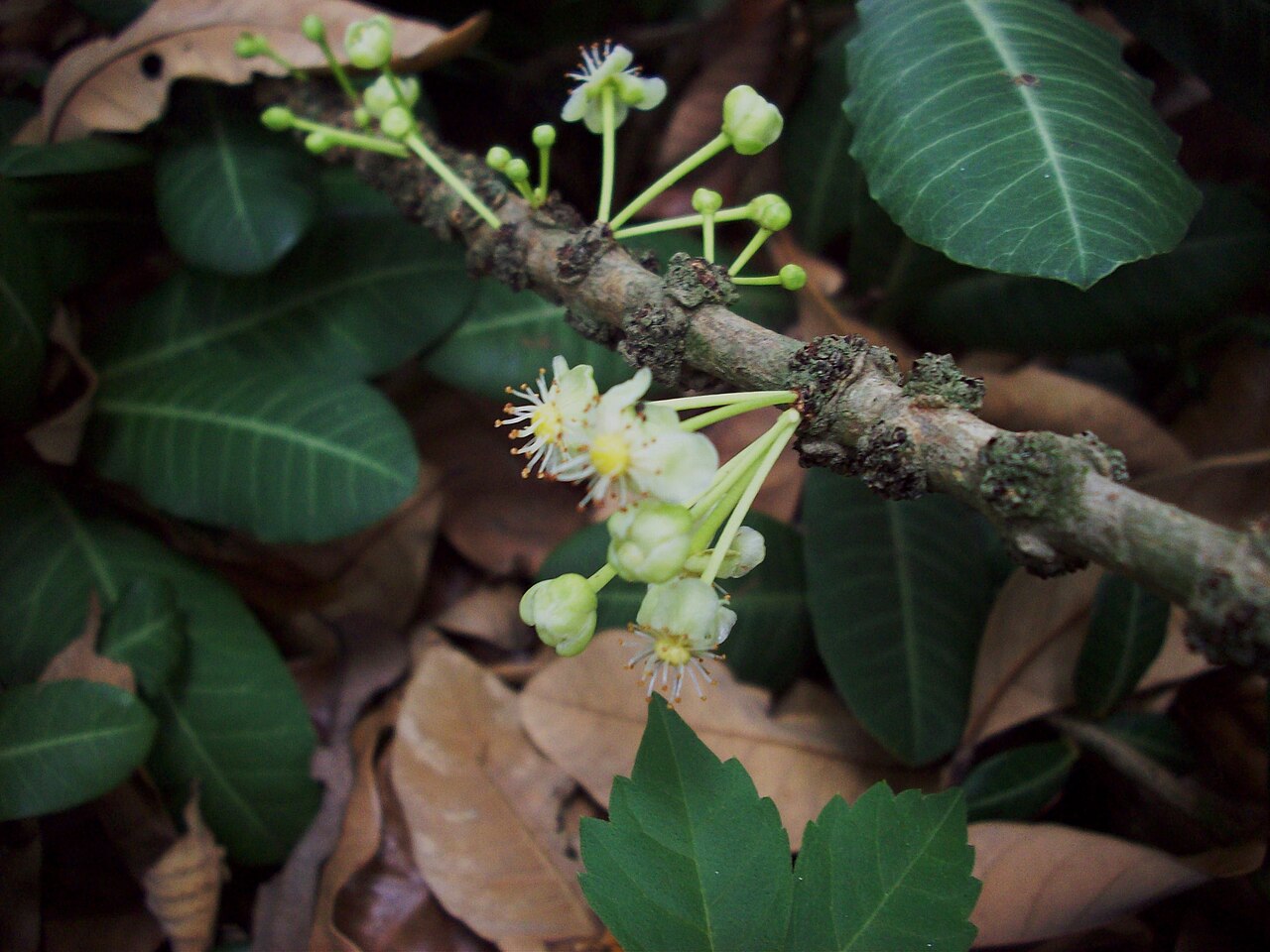
Fruit tree
Imbe
An African Garcinia with small, bright orange fruit. Tough little tree, tangy fruit, rarely seen.
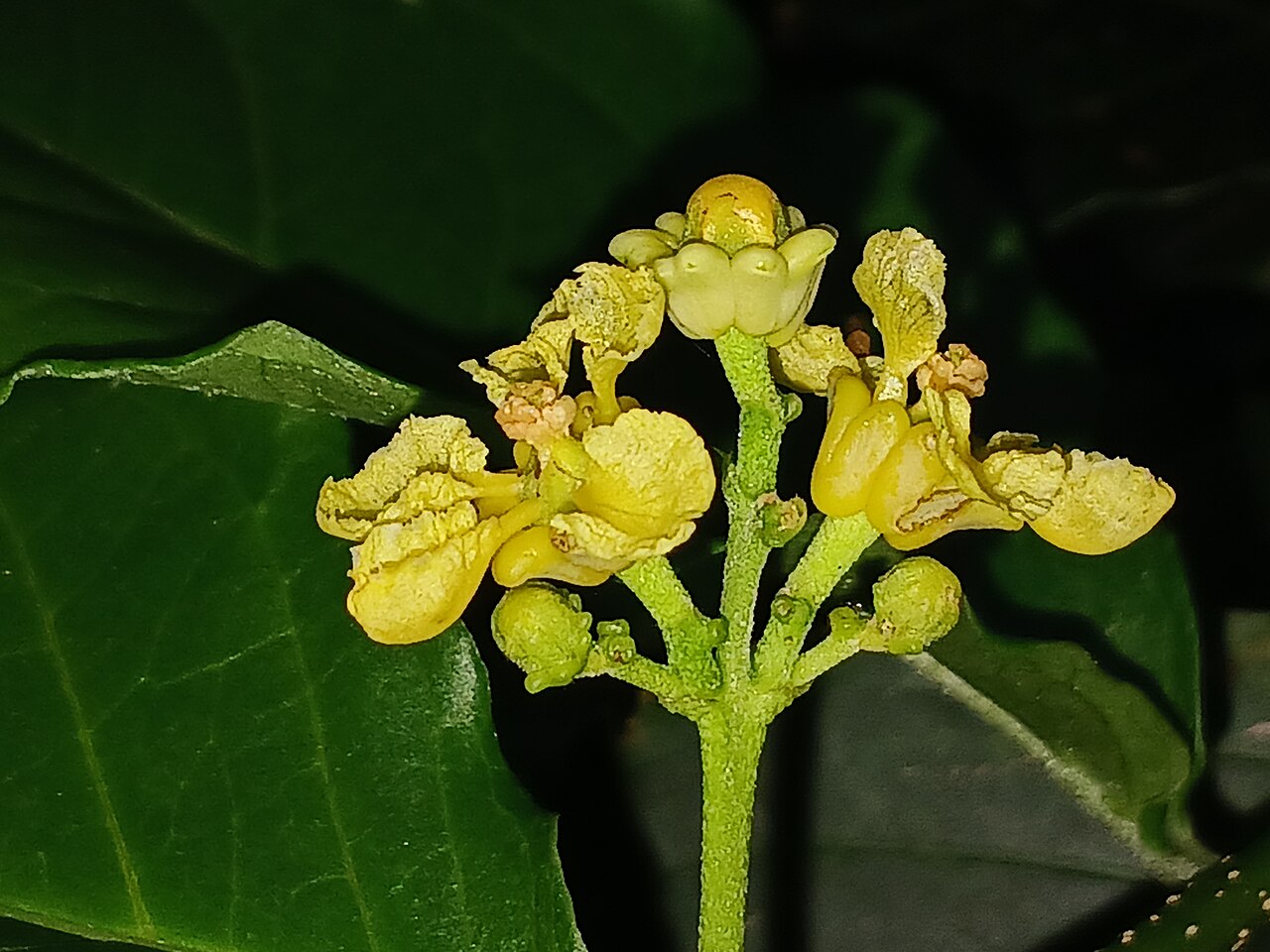
Fruit tree
Peanut Butter Fruit
Small red fruit that genuinely tastes like peanut butter. Kids don't believe it until they try it.

Fruit tree
Ross Sapote
A canistel cousin with softer, sweeter flesh. Rare, easy to like, hard to find.
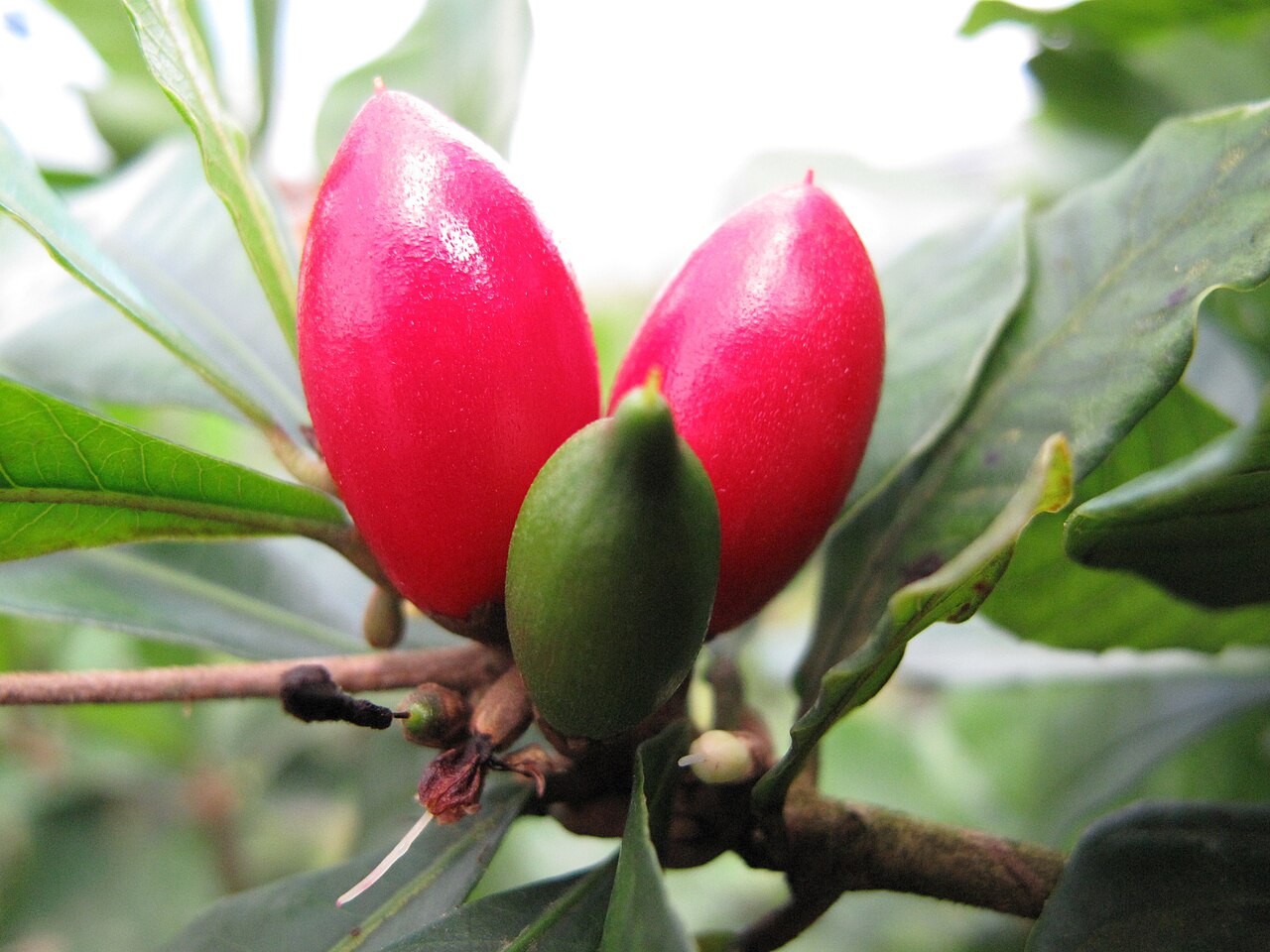
Fruit tree
Miracle Fruit
The berry that makes sour things taste sweet for a while afterward. A little shrub with a party trick that never gets old.
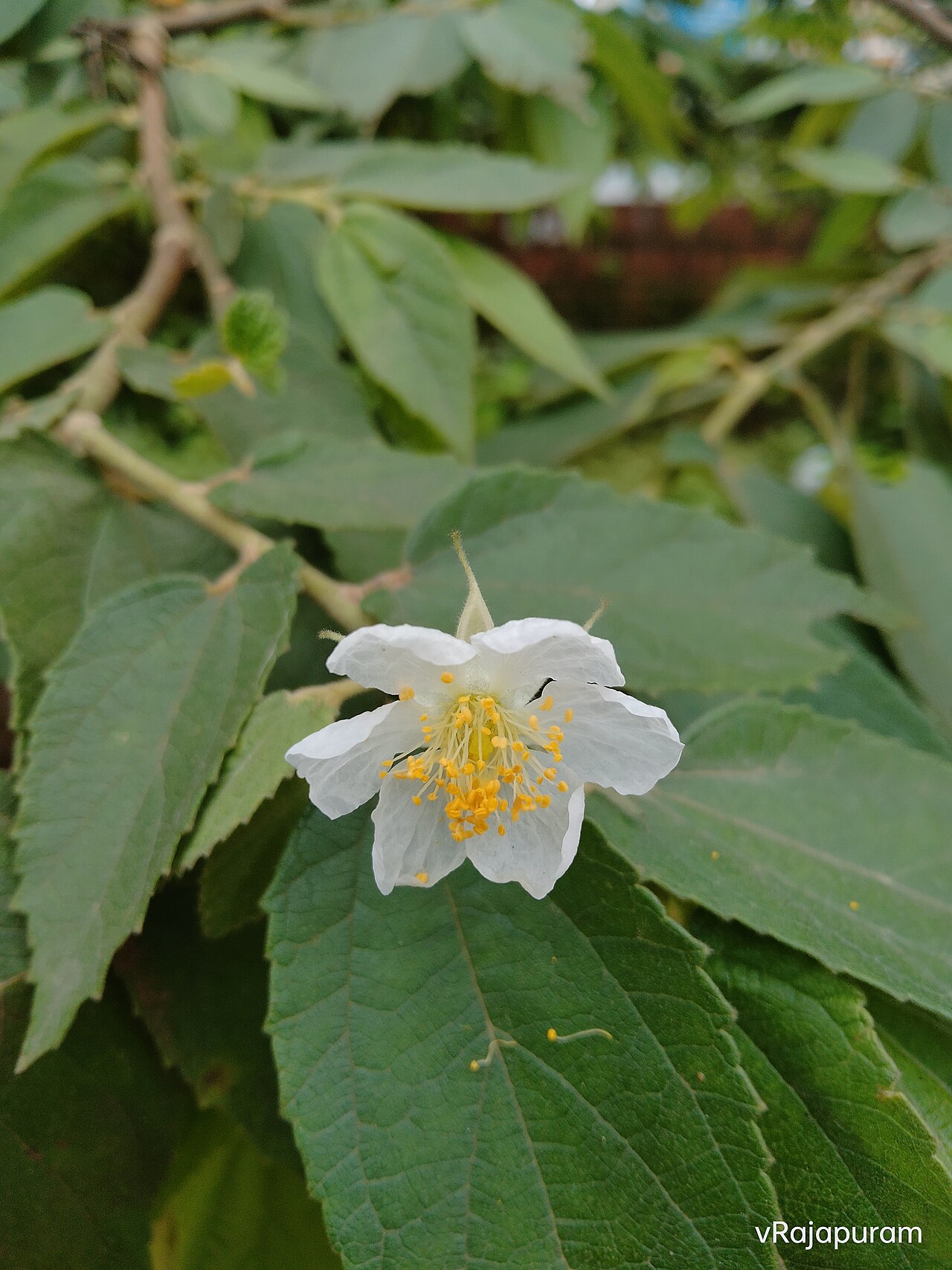
Fruit tree
Strawberry Tree (Muntingia)
Fast, generous, and covered in little cotton-candy berries the birds and the kids fight over.
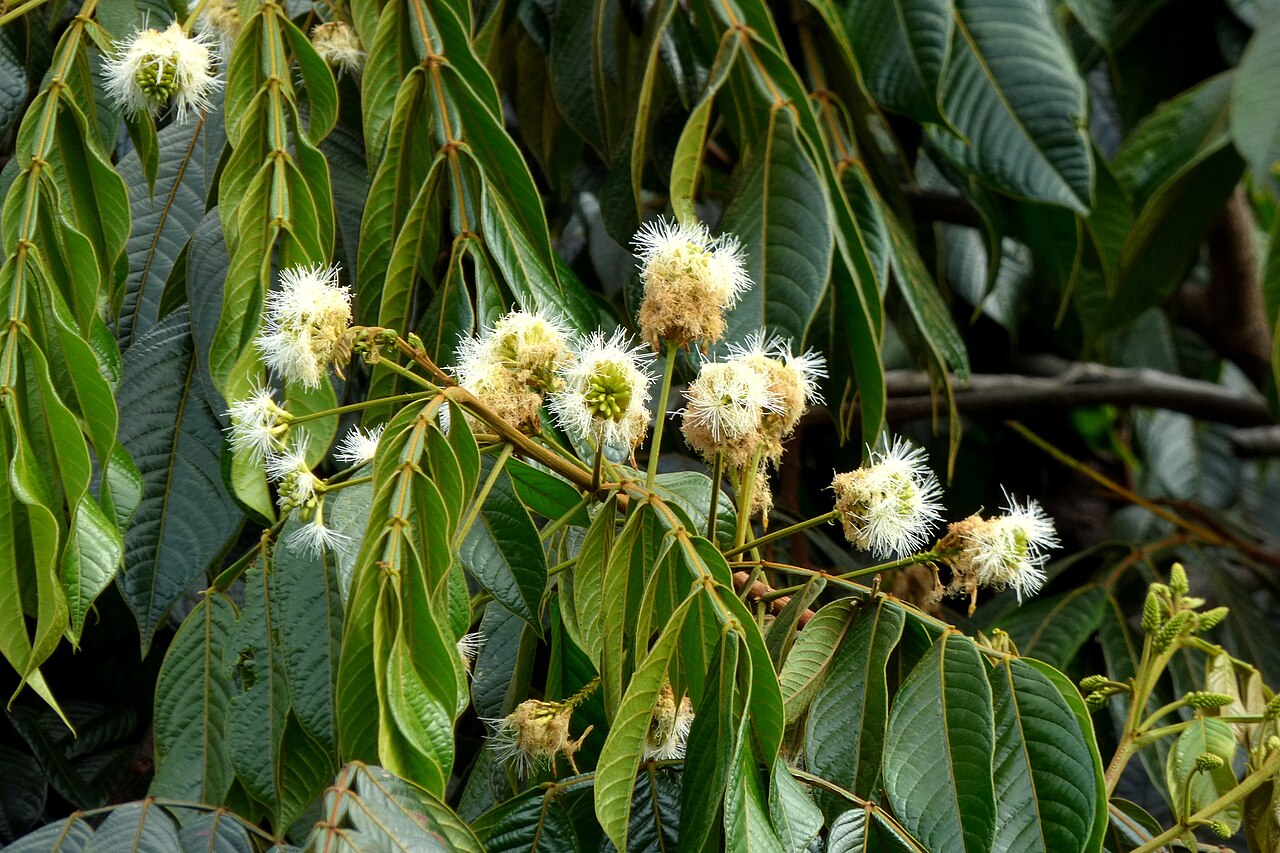
Fruit tree
Ice Cream Bean (Inga edulis)
Big pods lined with sweet, fluffy pulp, and as a legume it feeds the soil while it feeds you.
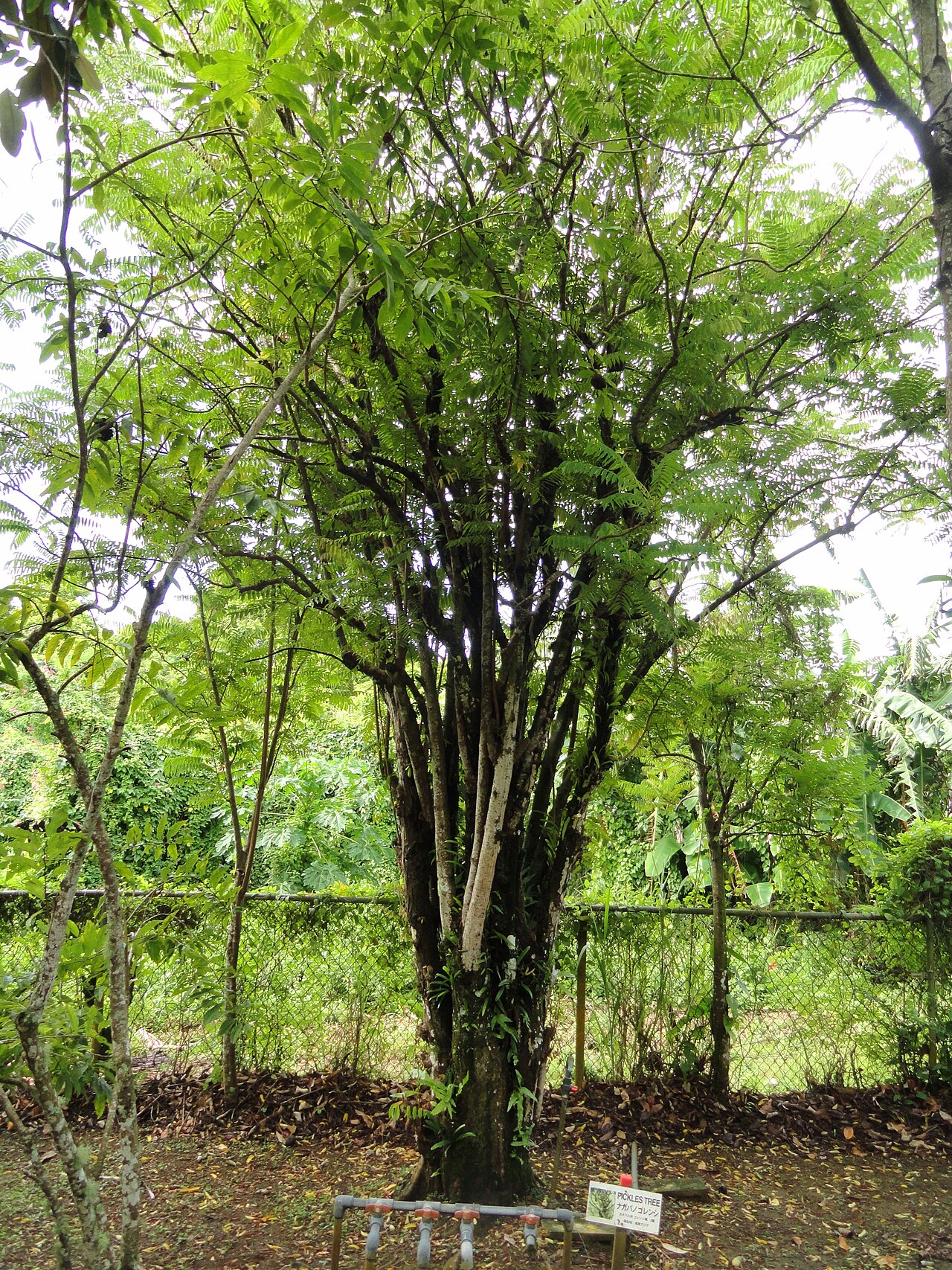
Fruit tree
Bilimbi
Cucumber-shaped, mouth-puckering sour fruit straight off the trunk. If you cook or pickle, you want this tree.
Fruit tree
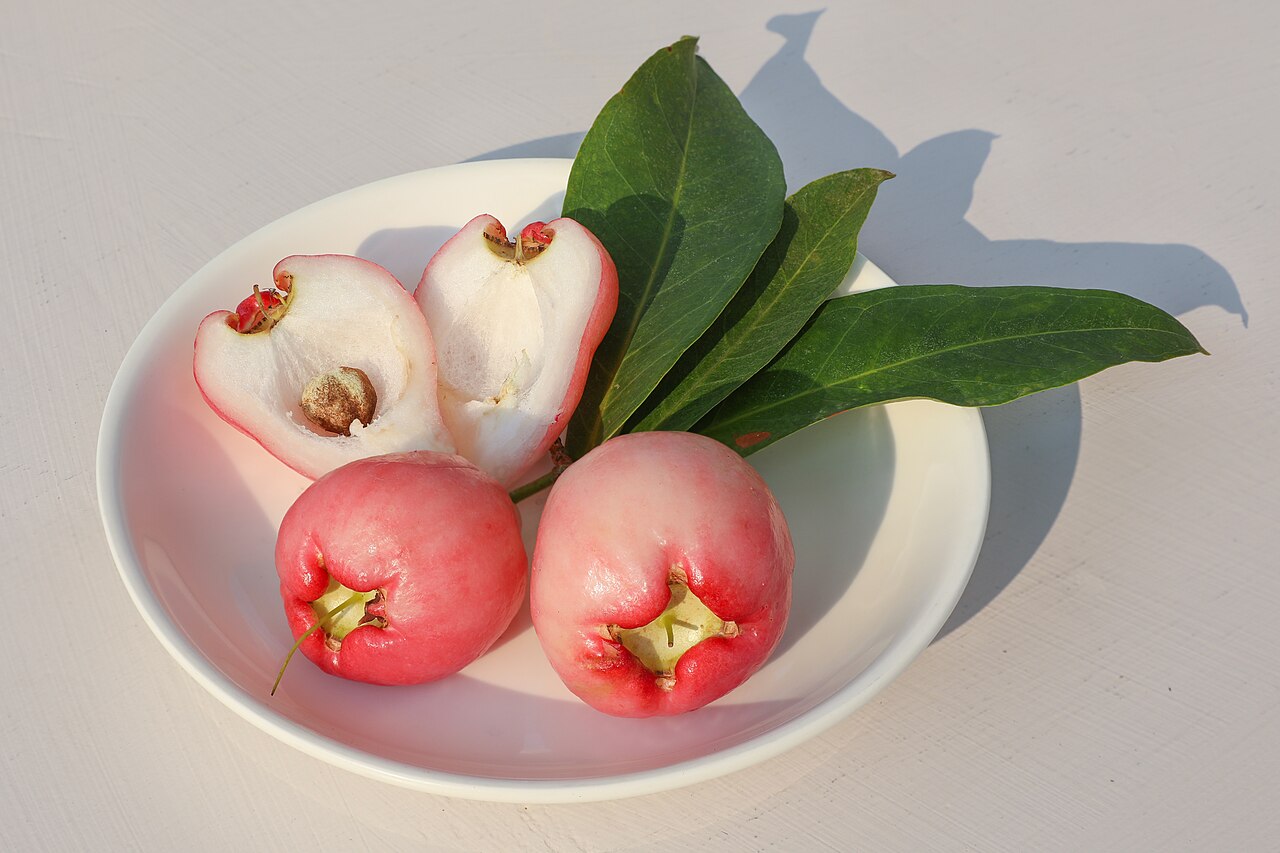
Wax Jambu (Wax Apple)
Crisp, juicy, lightly sweet fruit with a shine like it's been polished. A beautiful tree in flower and in fruit.
Fruit tree
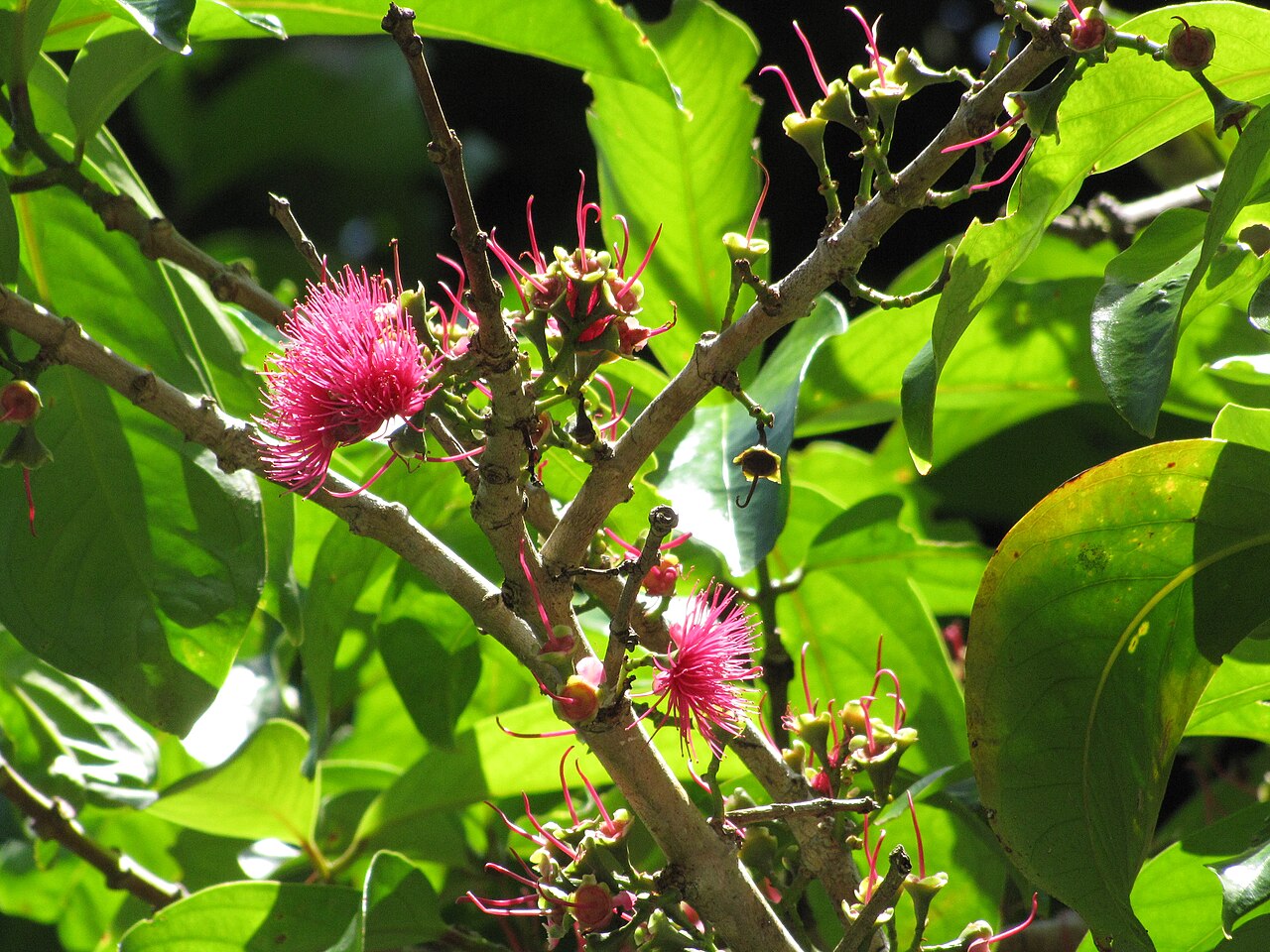
Malay Apple
Showy magenta powder-puff blooms, then crisp rosy fruit. One of the prettiest fruit trees you can plant here.
Fruit tree
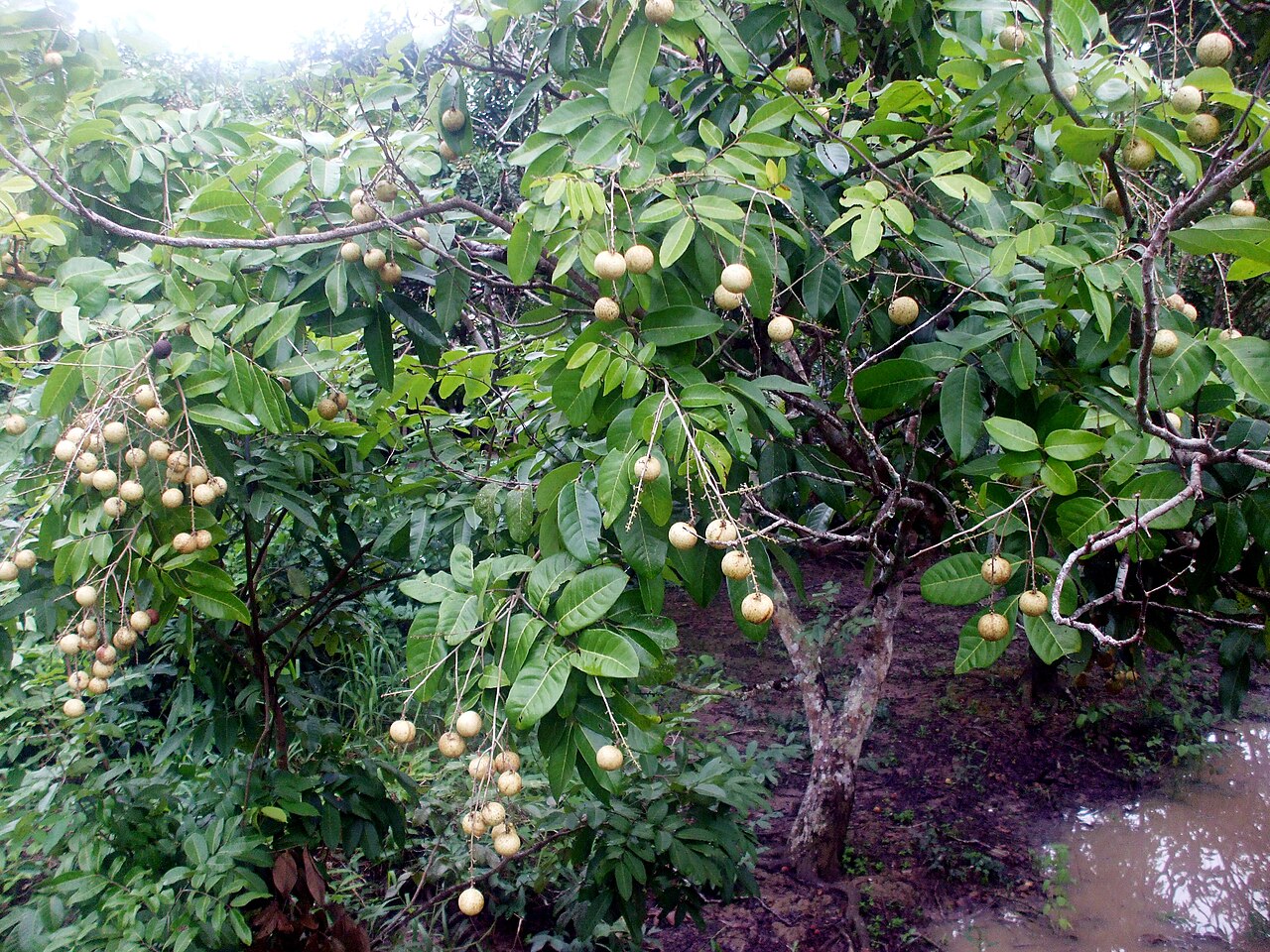
Longan
Lychee's easier-going cousin. Reliable clusters of sweet, musky fruit on a tough tree.
Fruit tree
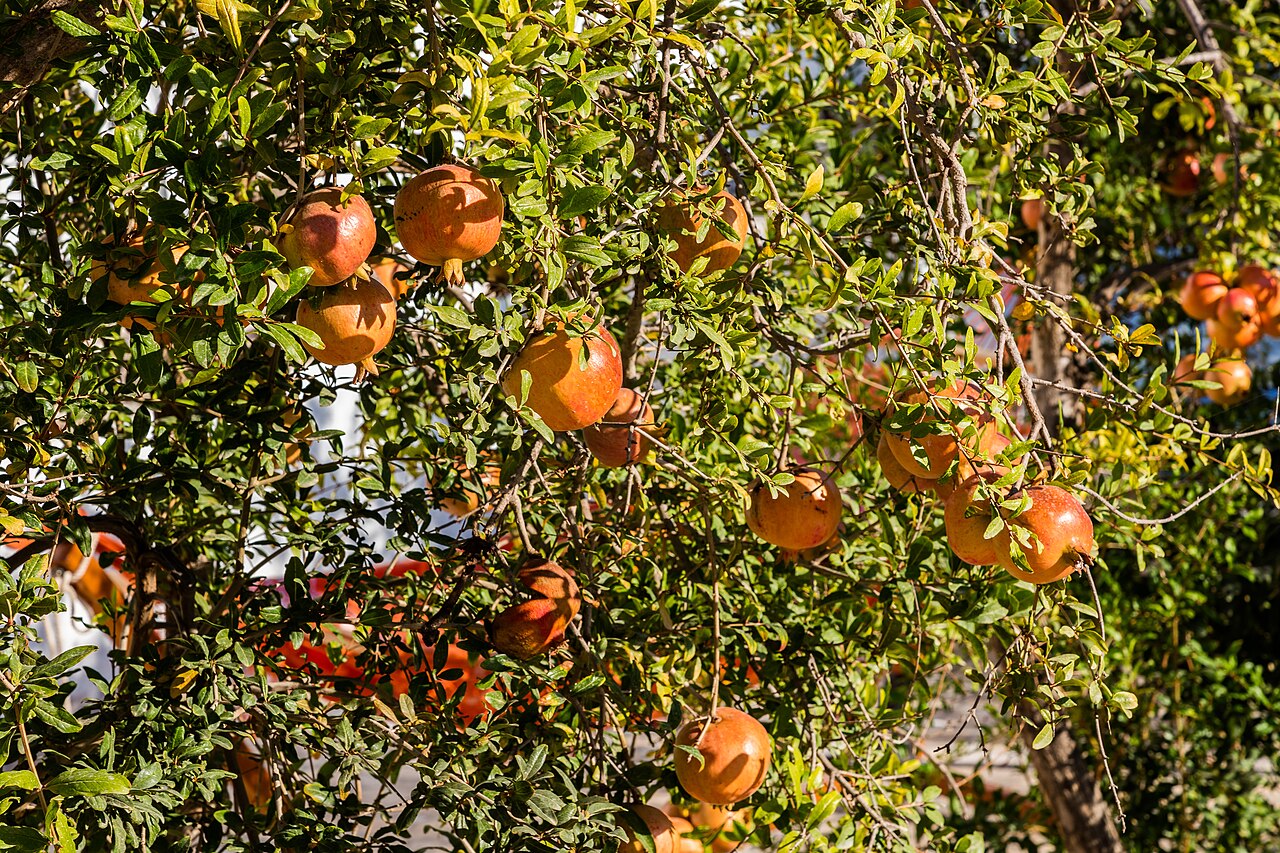
Pomegranate
An old-world fruit that can work here with the right variety and full sun. I'll be honest, our humidity makes it a project, but the right one earns its spot.
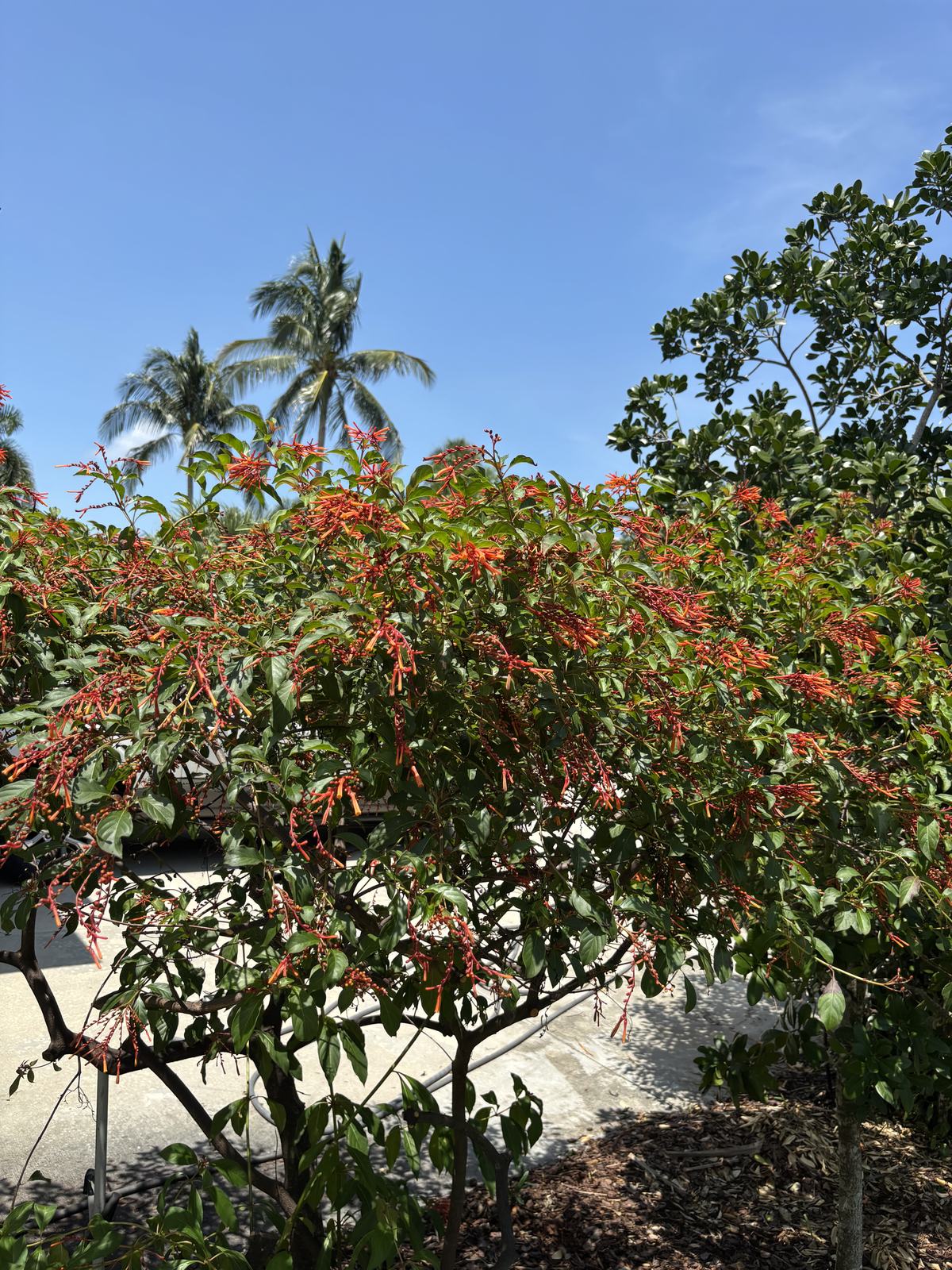
Native
Firebush (Hamelia patens)
The single best hummingbird plant on the Treasure Coast.
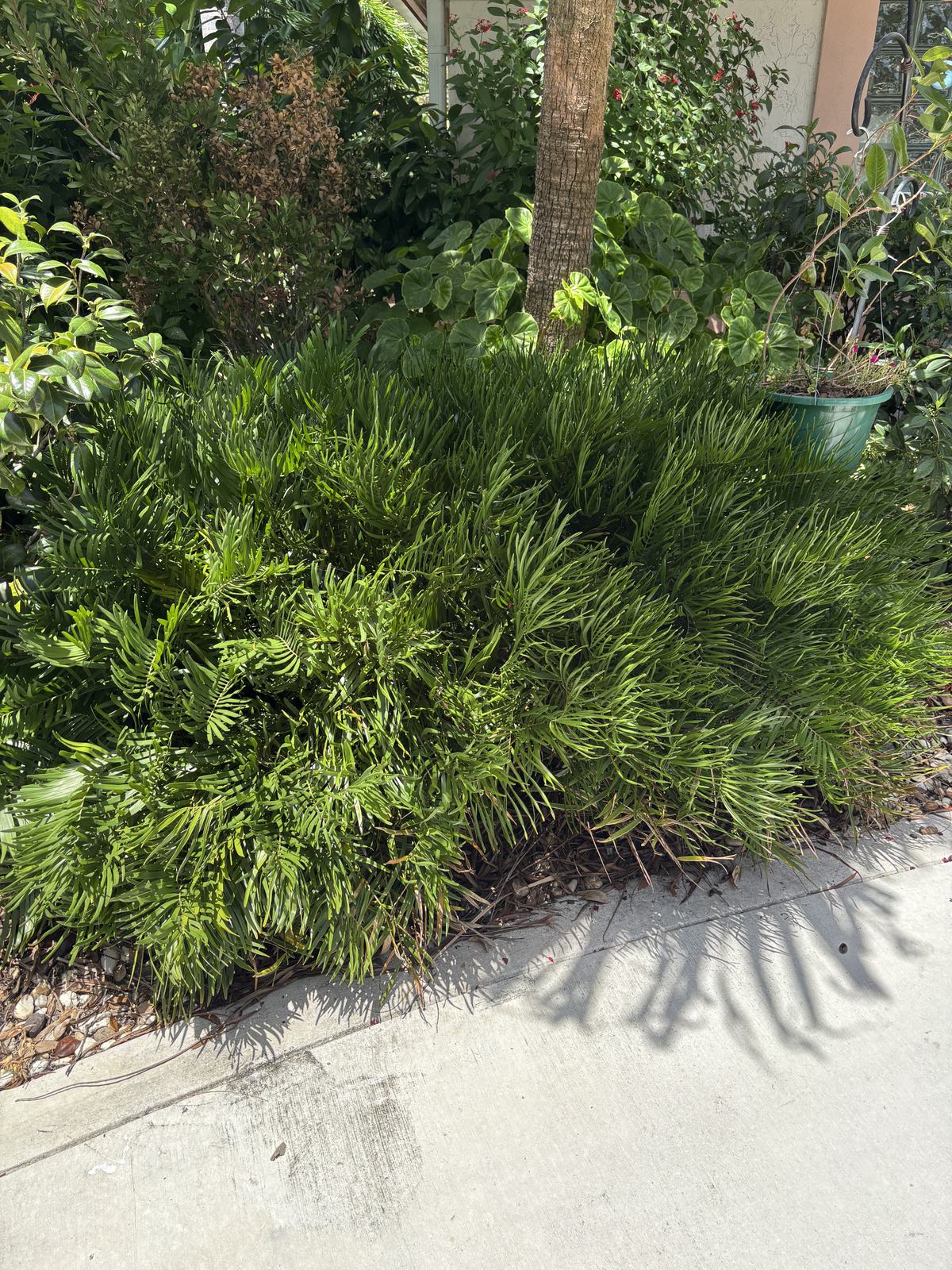
Native
Coontie
Florida's own cycad. Architectural, tough, host to an endangered butterfly.
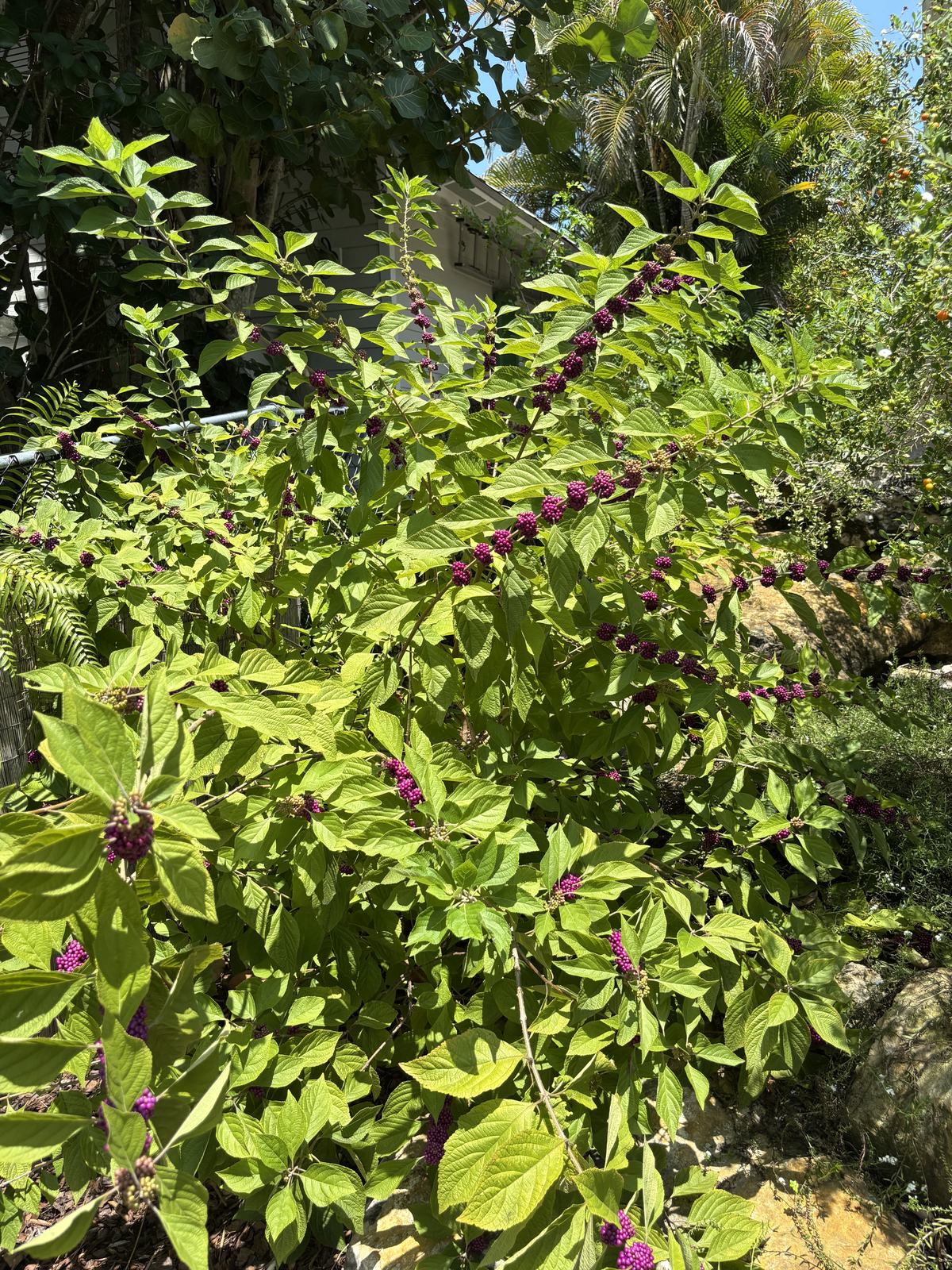
Native
American Beautyberry
Purple berries in fall, birds in winter.
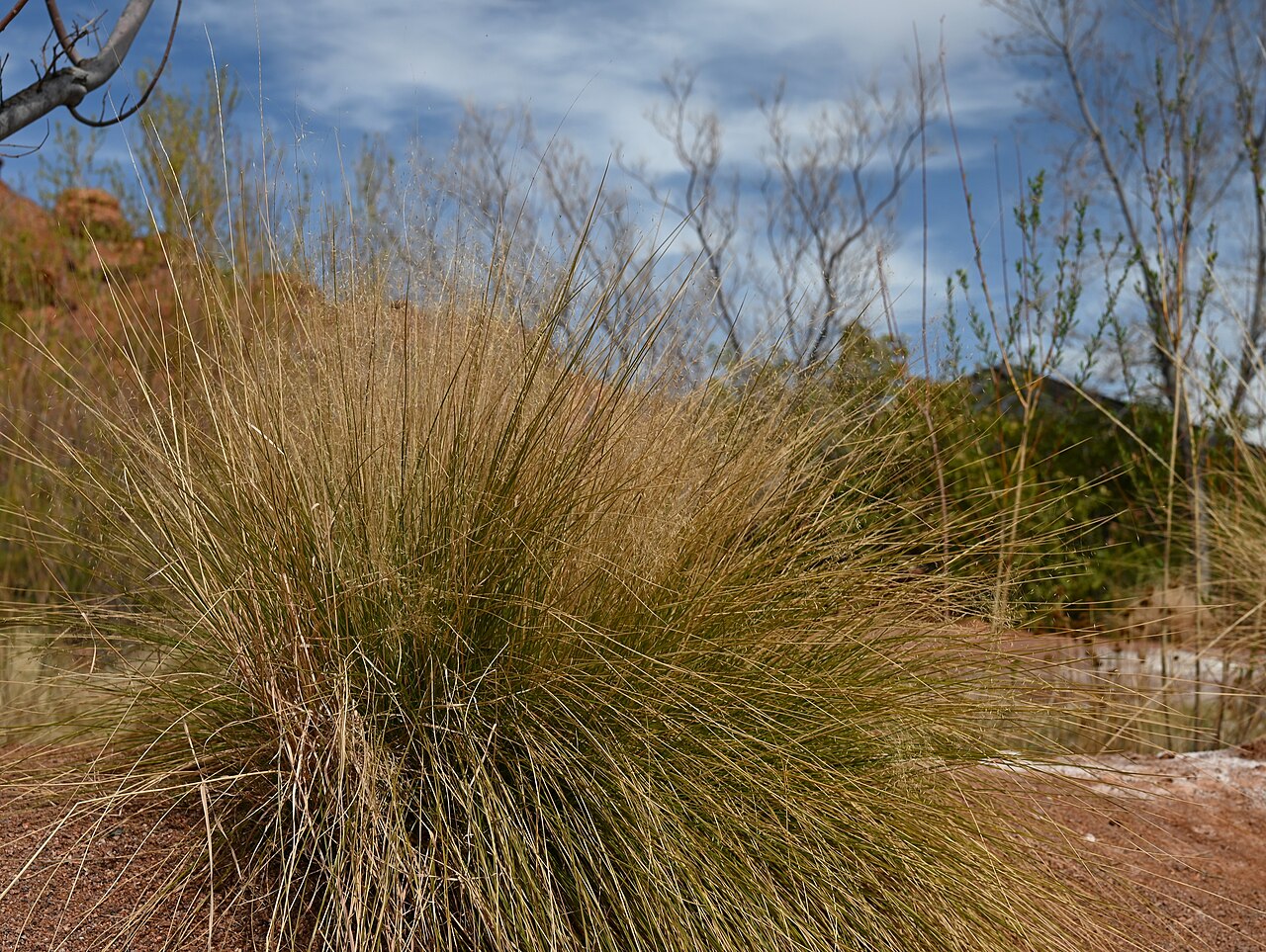
Native
Muhly Grass
The pink-cloud native grass that made mass plantings famous.

Native
Tropical Sage (Salvia coccinea)
A quiet workhorse for pollinators, in sun or shade.
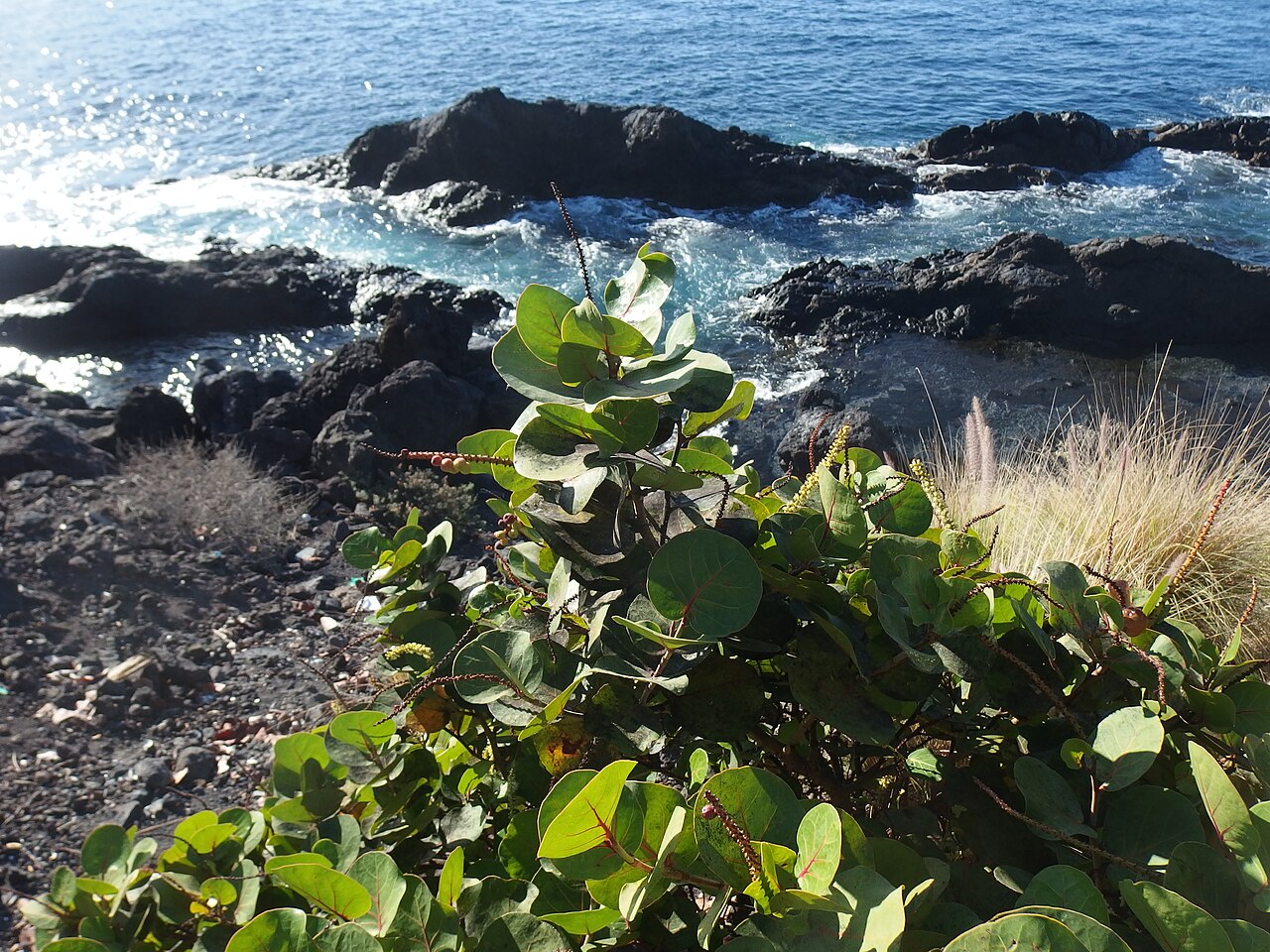
Native
Sea Grape
The definitive Florida coastal native. And edible.

Native
Simpson's Stopper
A workhorse native hedge shrub with fragrant flowers and berries the birds strip clean.

Native
Spanish Stopper
The narrow native. A tight, upright privacy hedge for skinny side yards.

Native
White Stopper
Coastal-tough evergreen privacy, with one honest heads up about the smell.
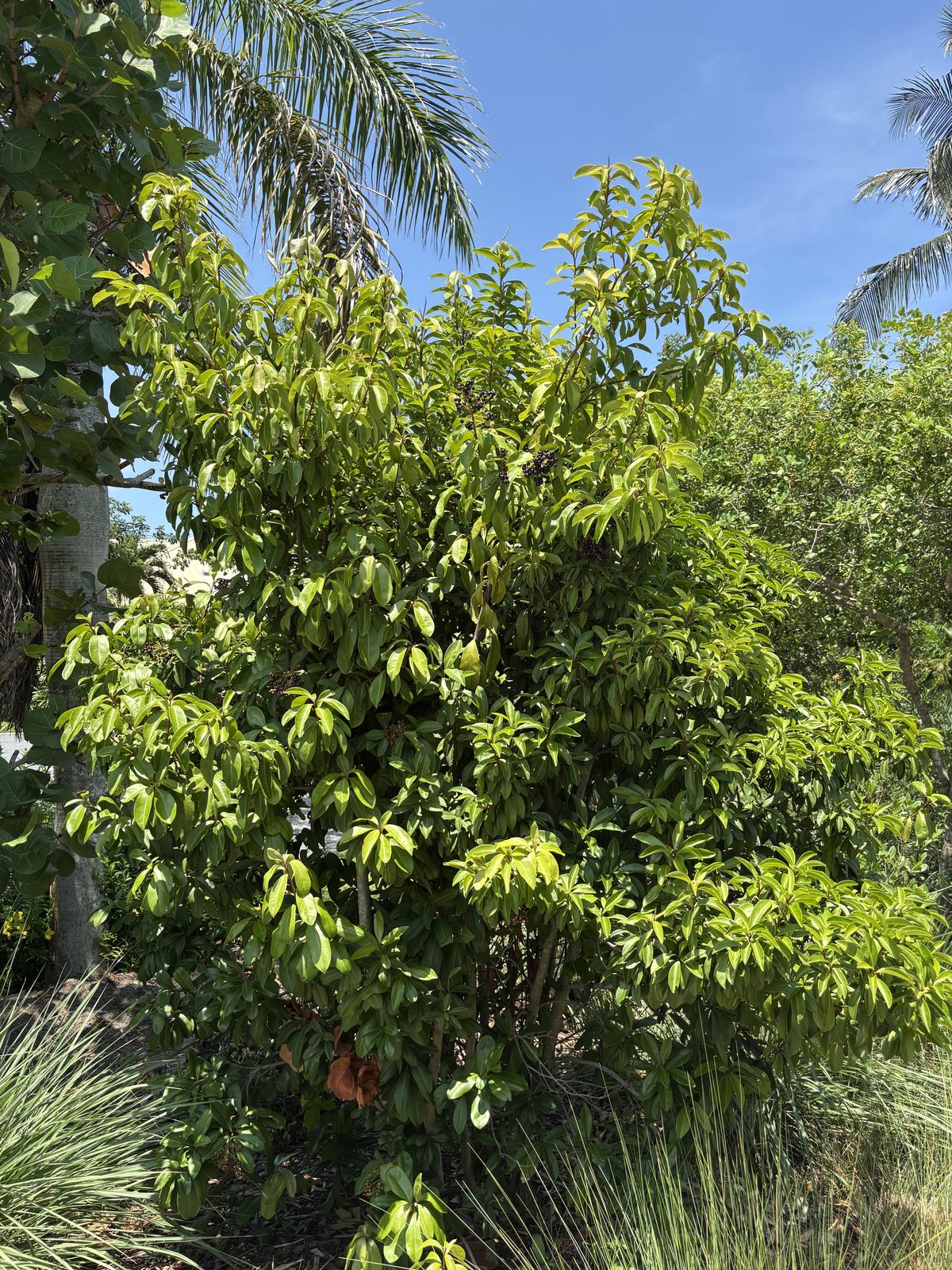
Native
Marlberry
A classic native hedge shrub that handles shade better than most.
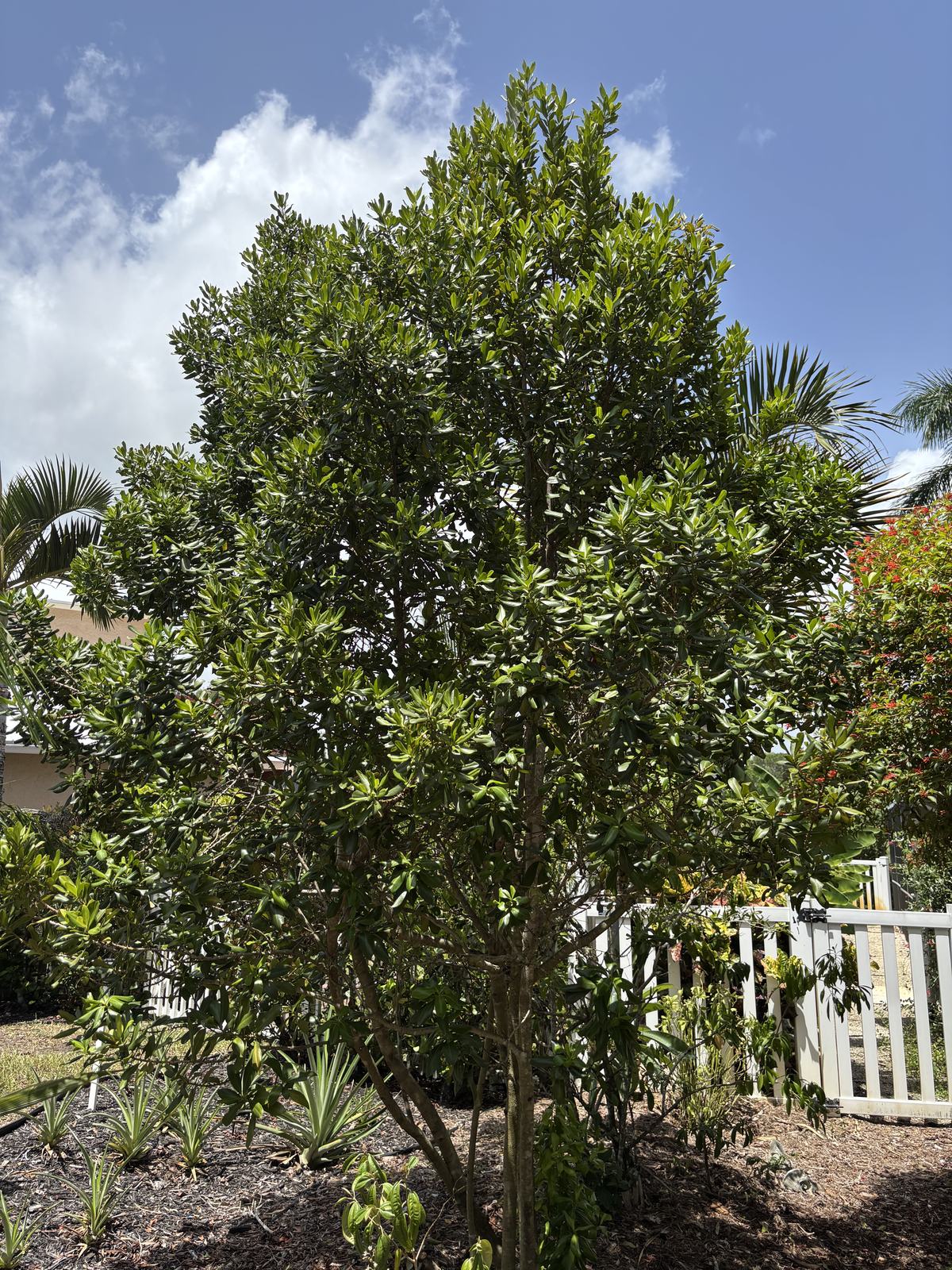
Native
Myrsine
Naturally columnar. A tidy native privacy screen that never needs shearing.
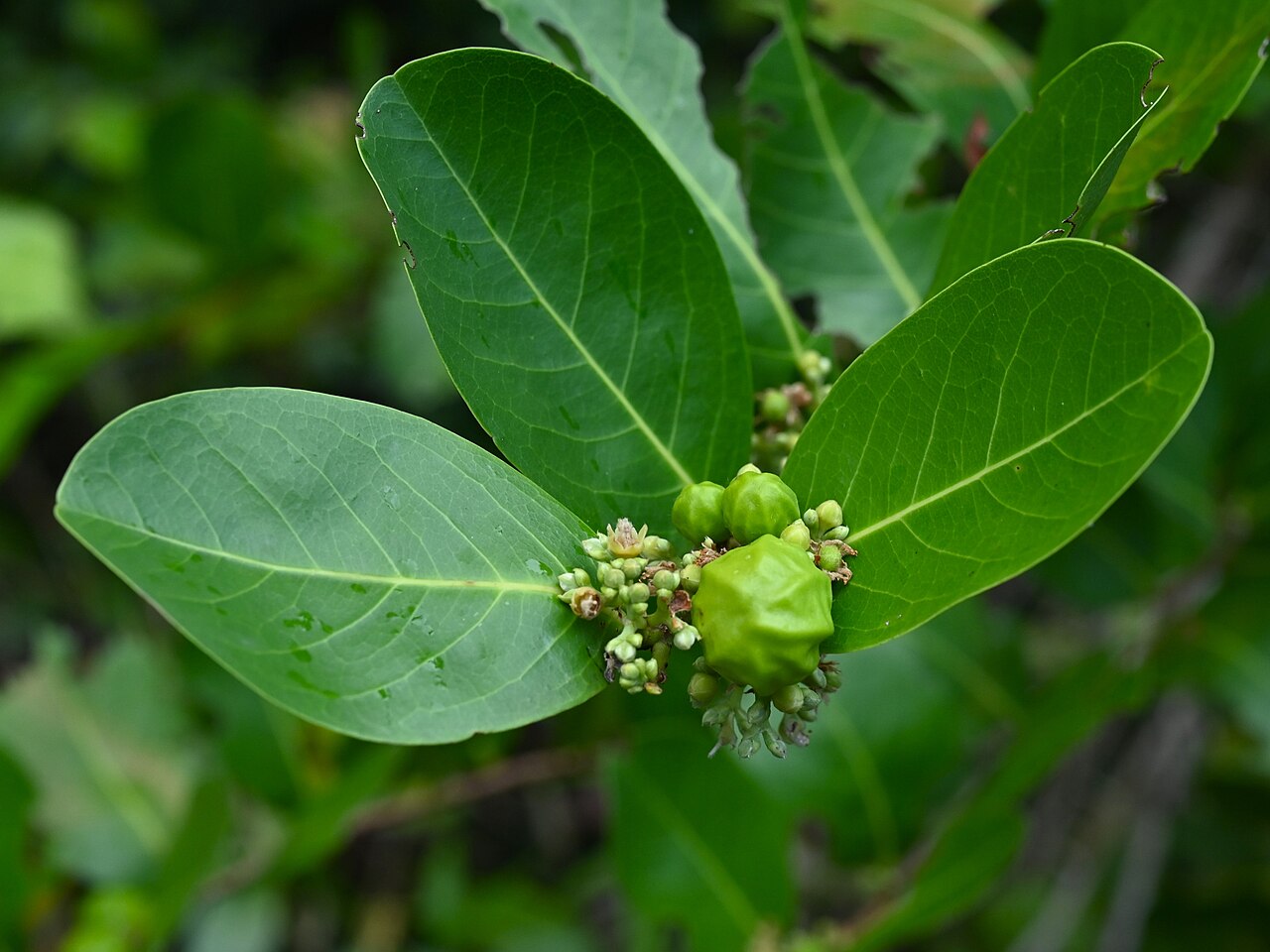
Native
Cocoplum
Everybody shaves it into a box. Left alone, it's one of the easiest plants in Florida.
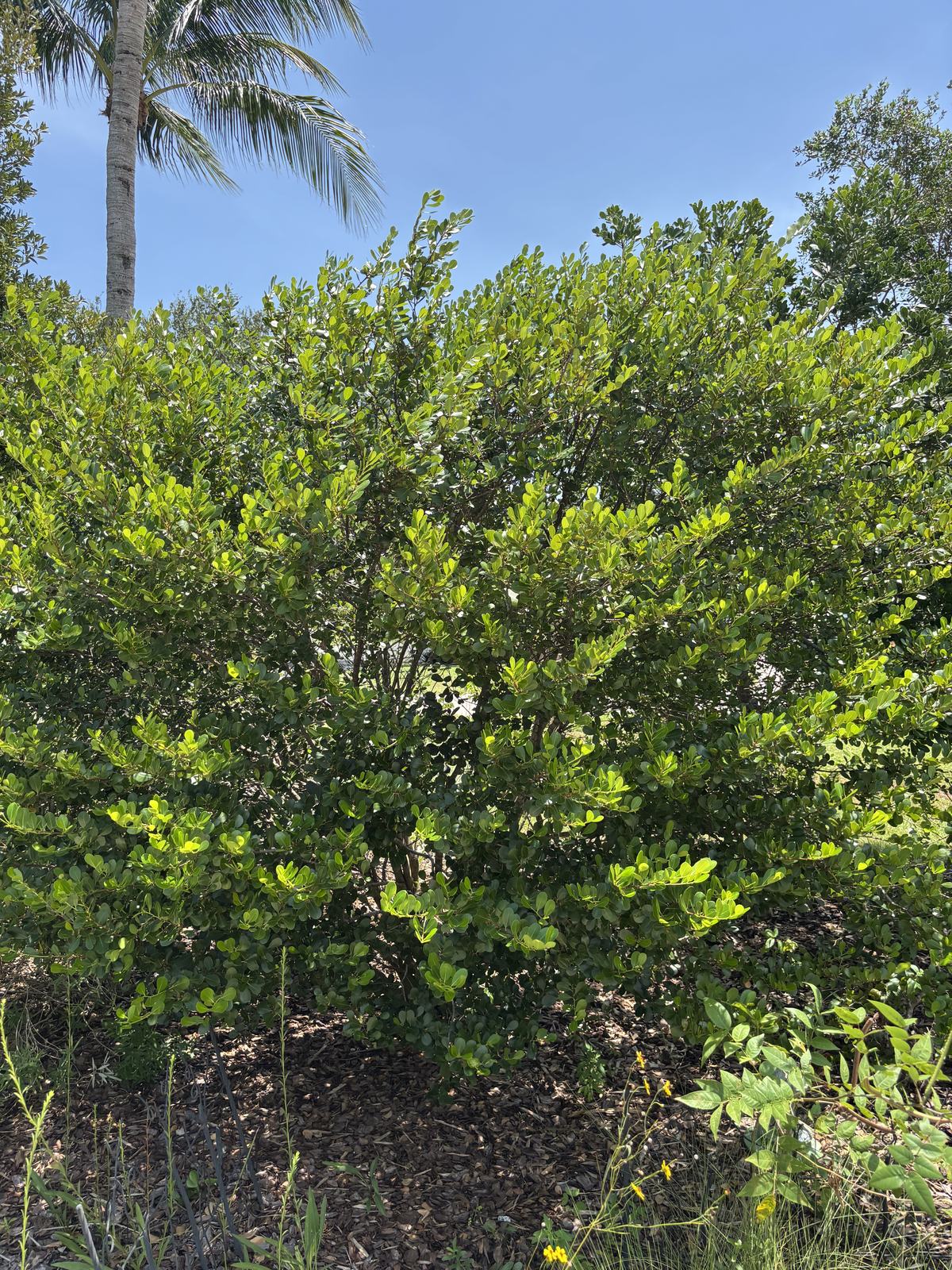
Native
Maidenbush
A shorter native hedge for when you want 5 to 10 feet, not 15.
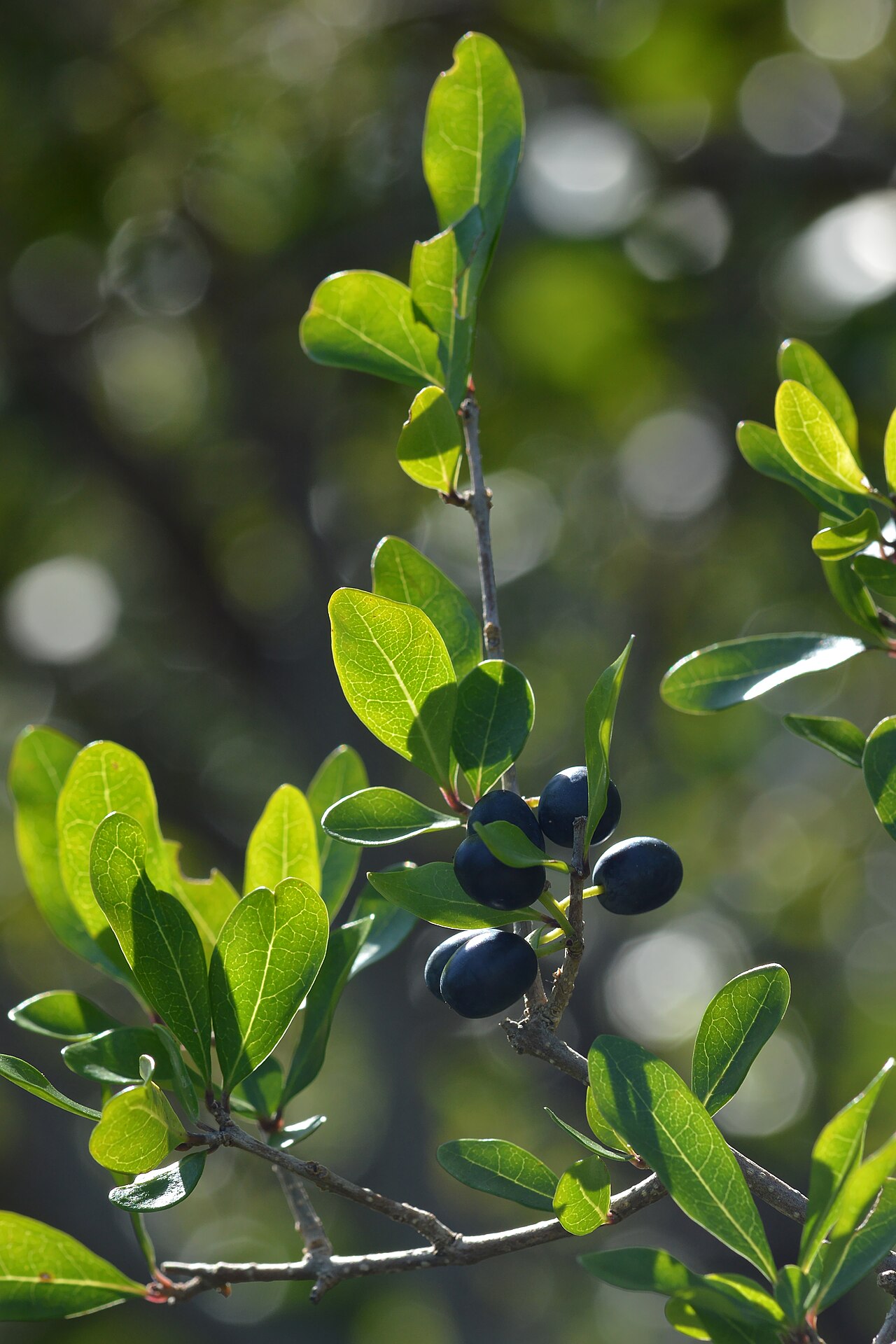
Native
Florida Privet
Small leaves, naturally dense, one of the best hedges for tough coastal spots.
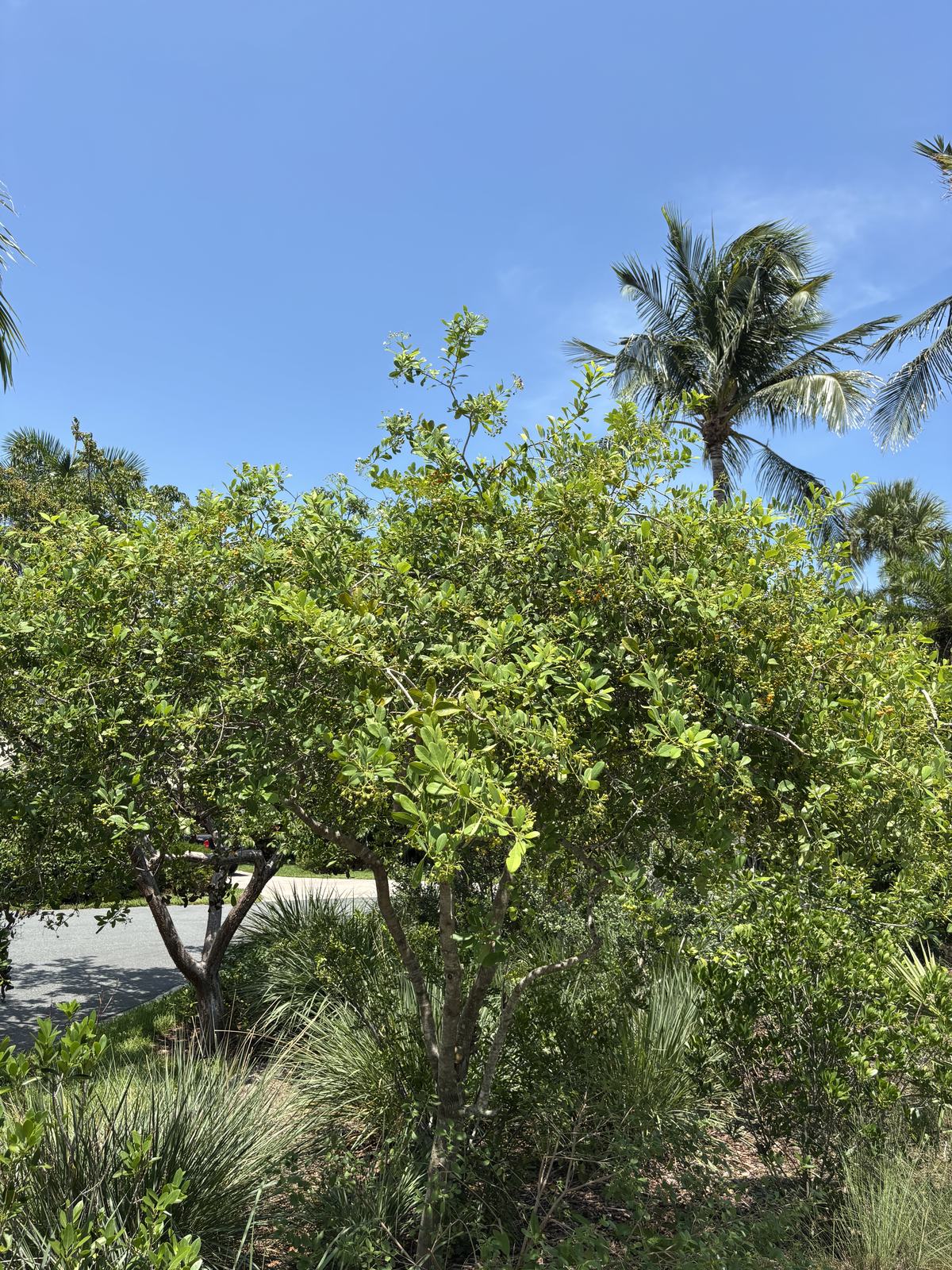
Native
Bahama Strongbark
Orange flowers for butterflies, orange berries for birds. Privacy that pulls in wildlife.
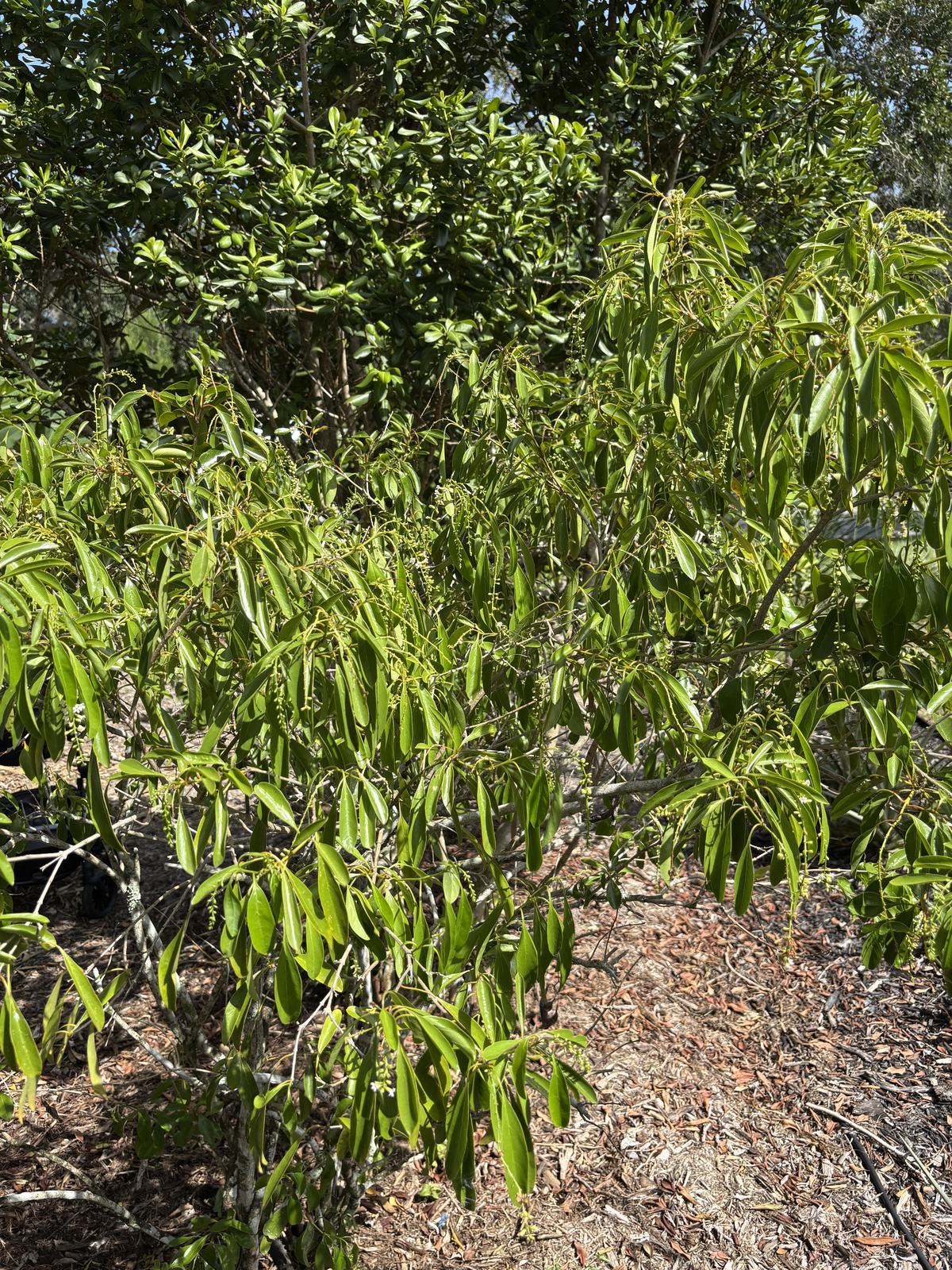
Native
Fiddlewood
Glossy leaves, sweet flowers, and 15 to 20 feet of native privacy.
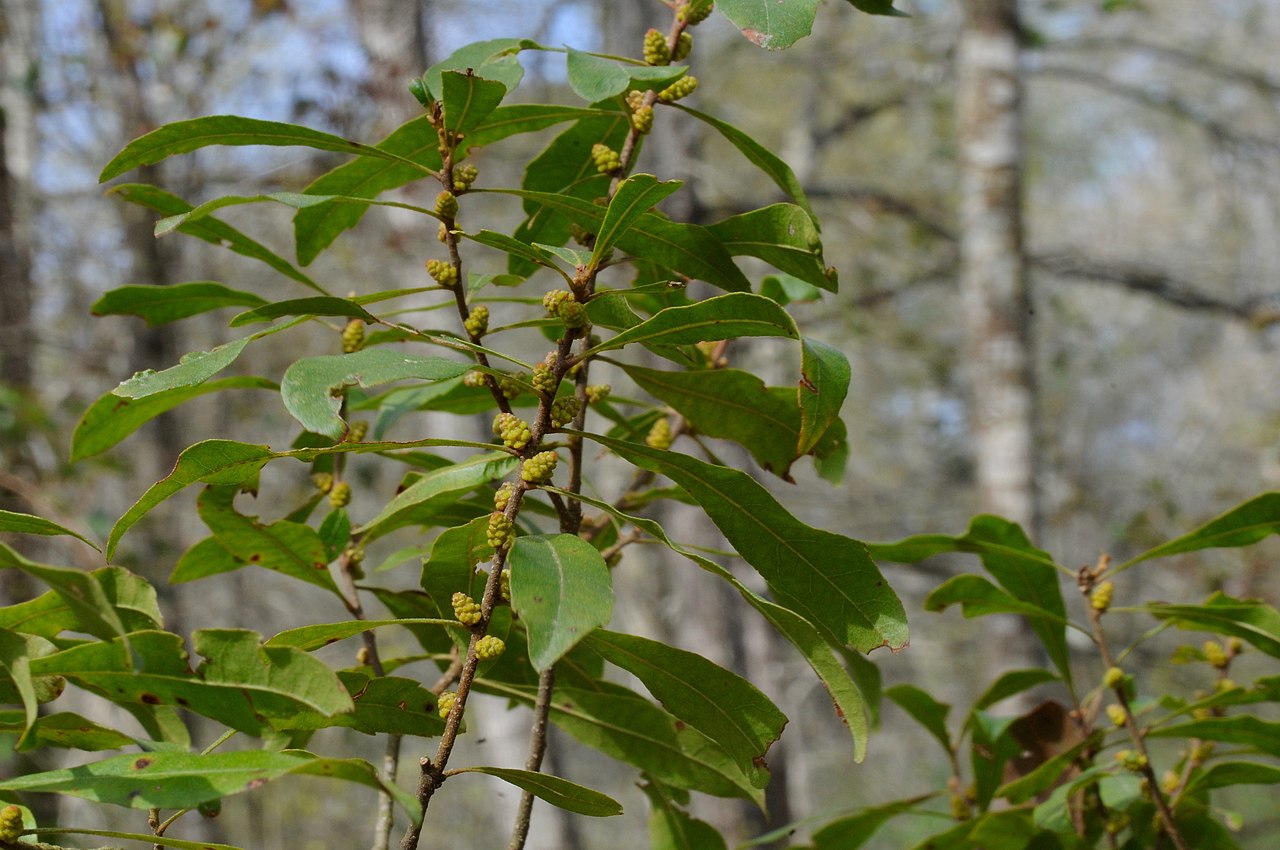
Native
Wax Myrtle
One of the fastest native privacy hedges you can plant.
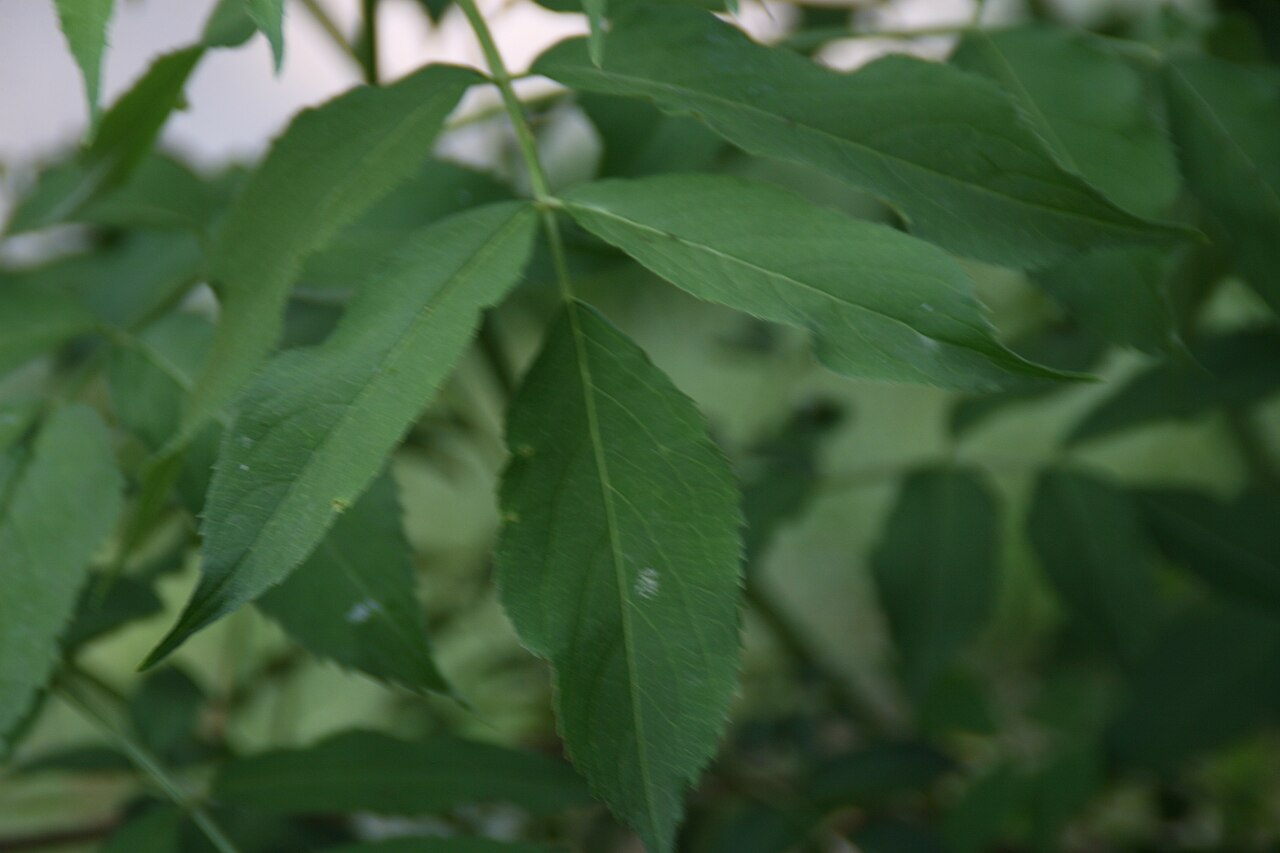
Native
Elderberry
Fast growing, huge flower clusters, loads of berries. And it suckers.
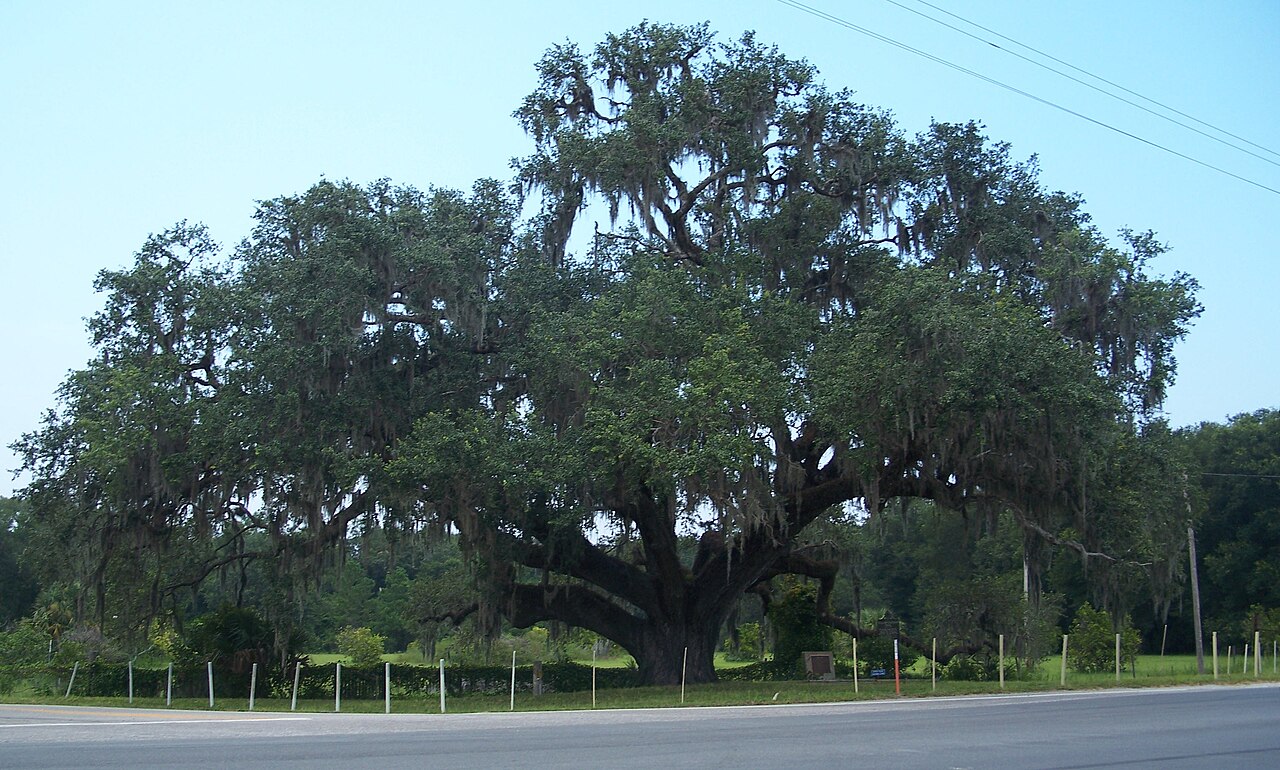
Native
Live Oak
The backbone of old Florida. Slow to start, then unstoppable, and it feeds more wildlife than any tree we can plant. Give it real room.
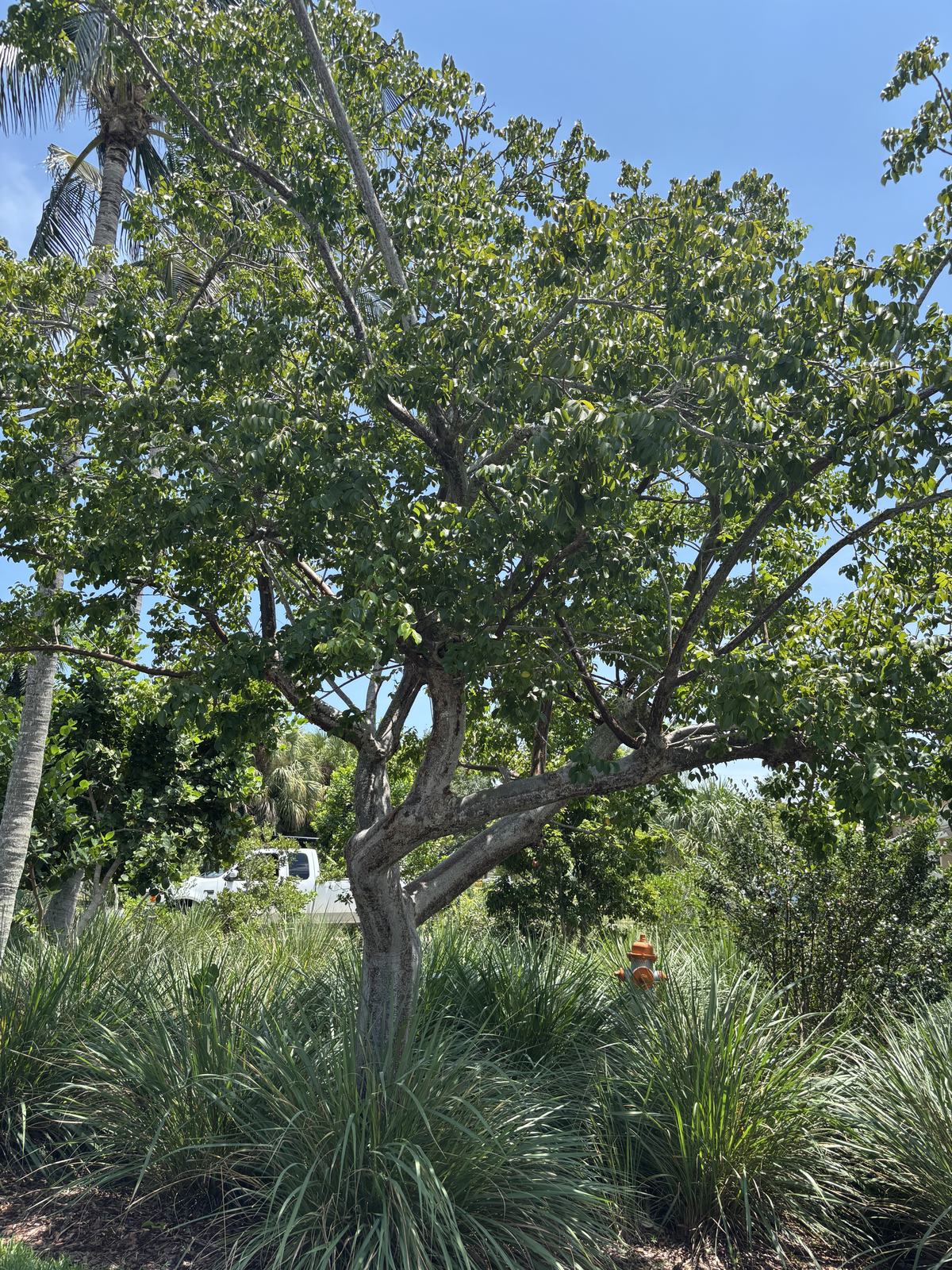
Native
Gumbo Limbo
The peeling red bark earns it the nickname tourist tree. Fast, hurricane-tough, and right at home near the coast.
Native
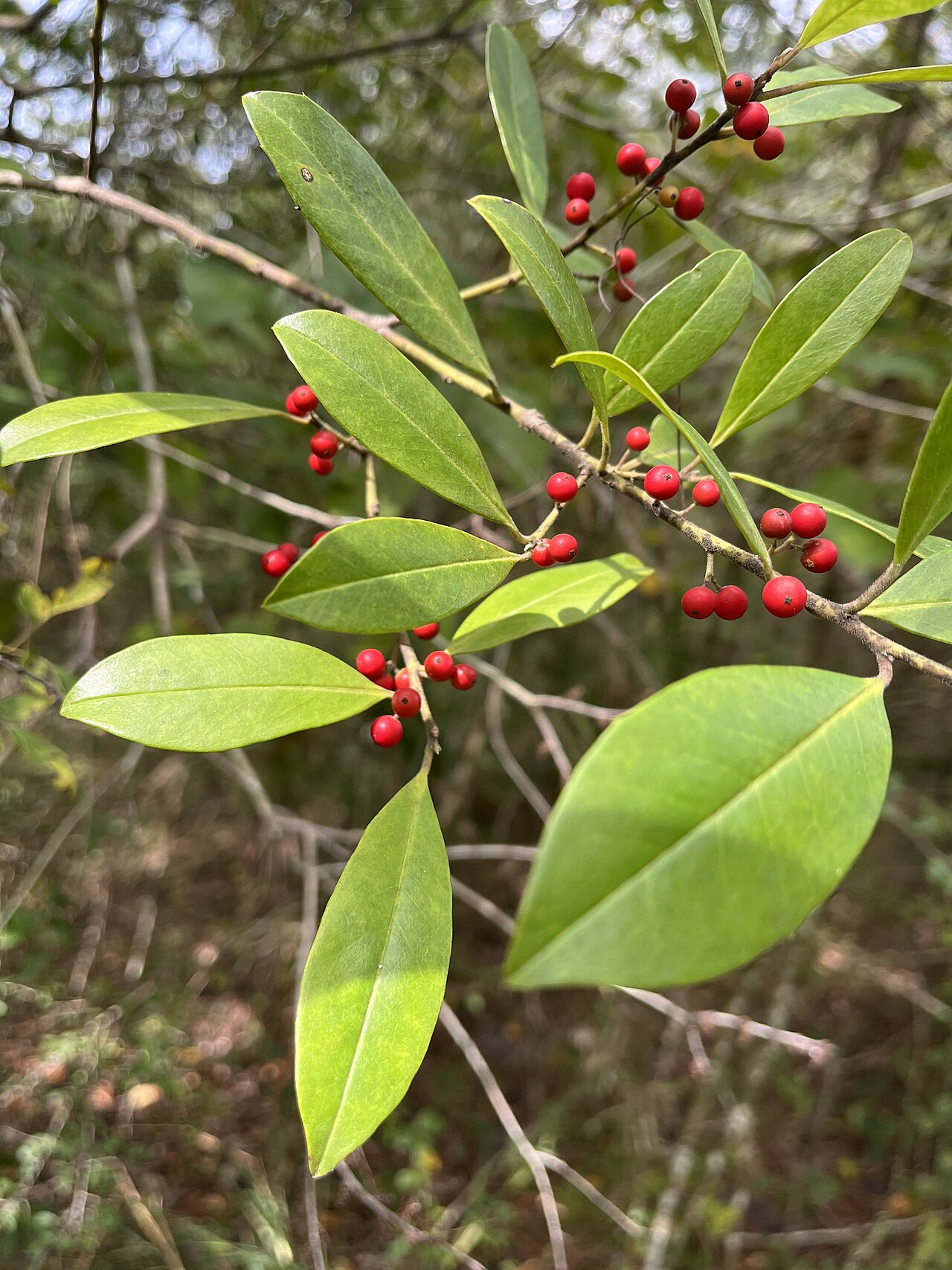
Dahoon Holly
A tidy native holly that handles wet feet. Female trees load up with red berries the birds strip all winter.
Native
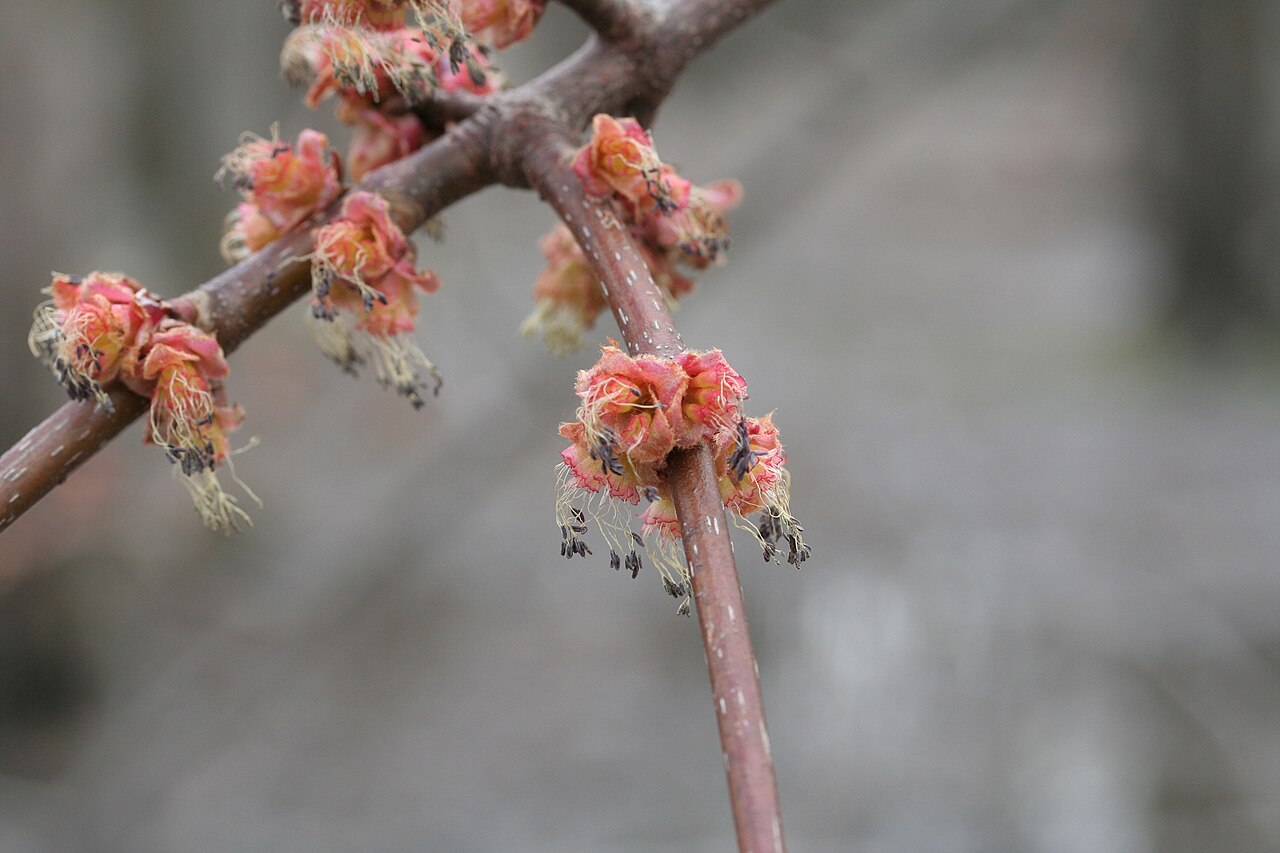
Red Maple
Our native maple for the damp spots. Red seeds and new growth put on a show when little else is changing color.
Native
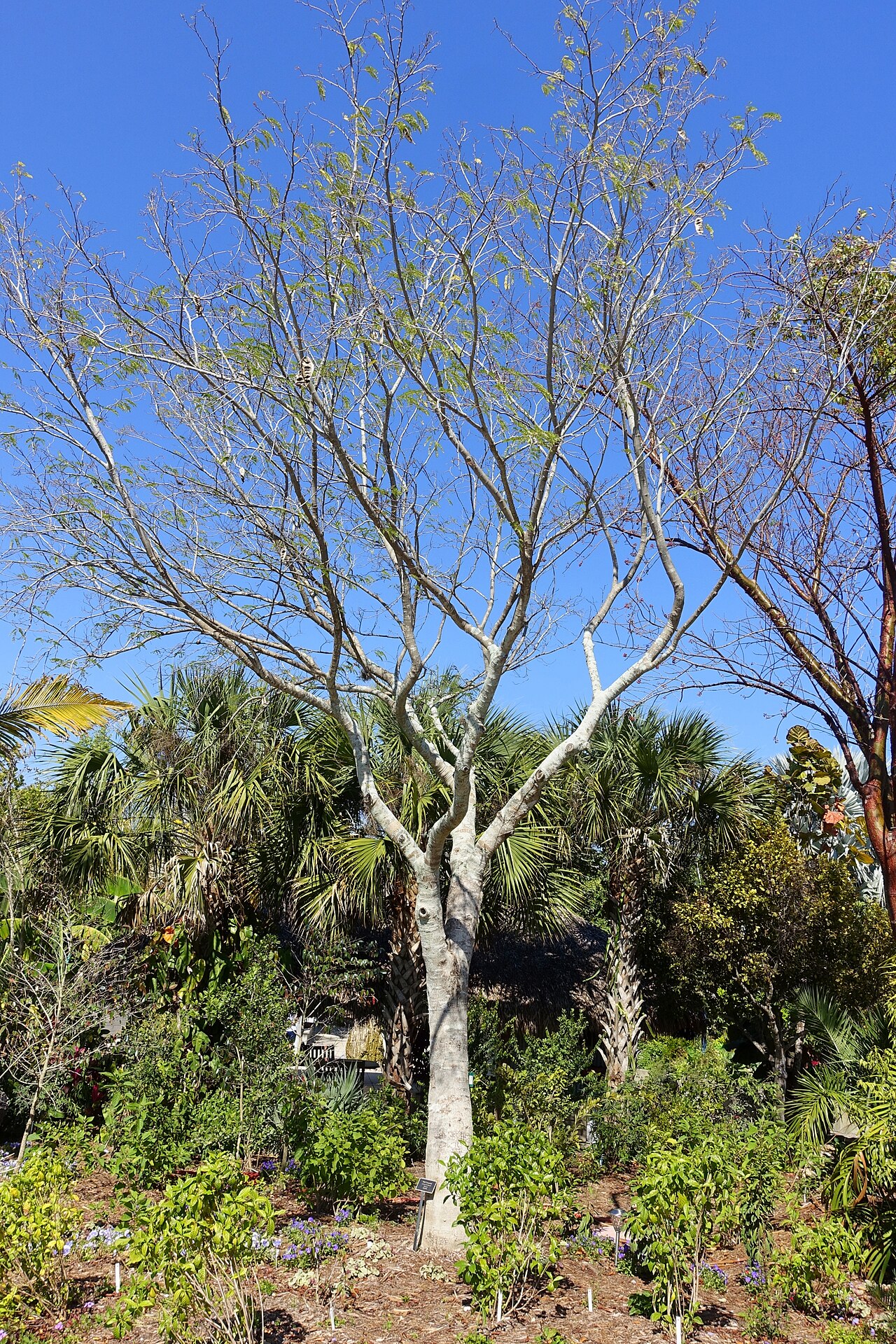
Wild Tamarind
A fast, airy canopy tree with fine, feathery leaves. Butterflies and beneficial insects treat it like a cafeteria.
Native
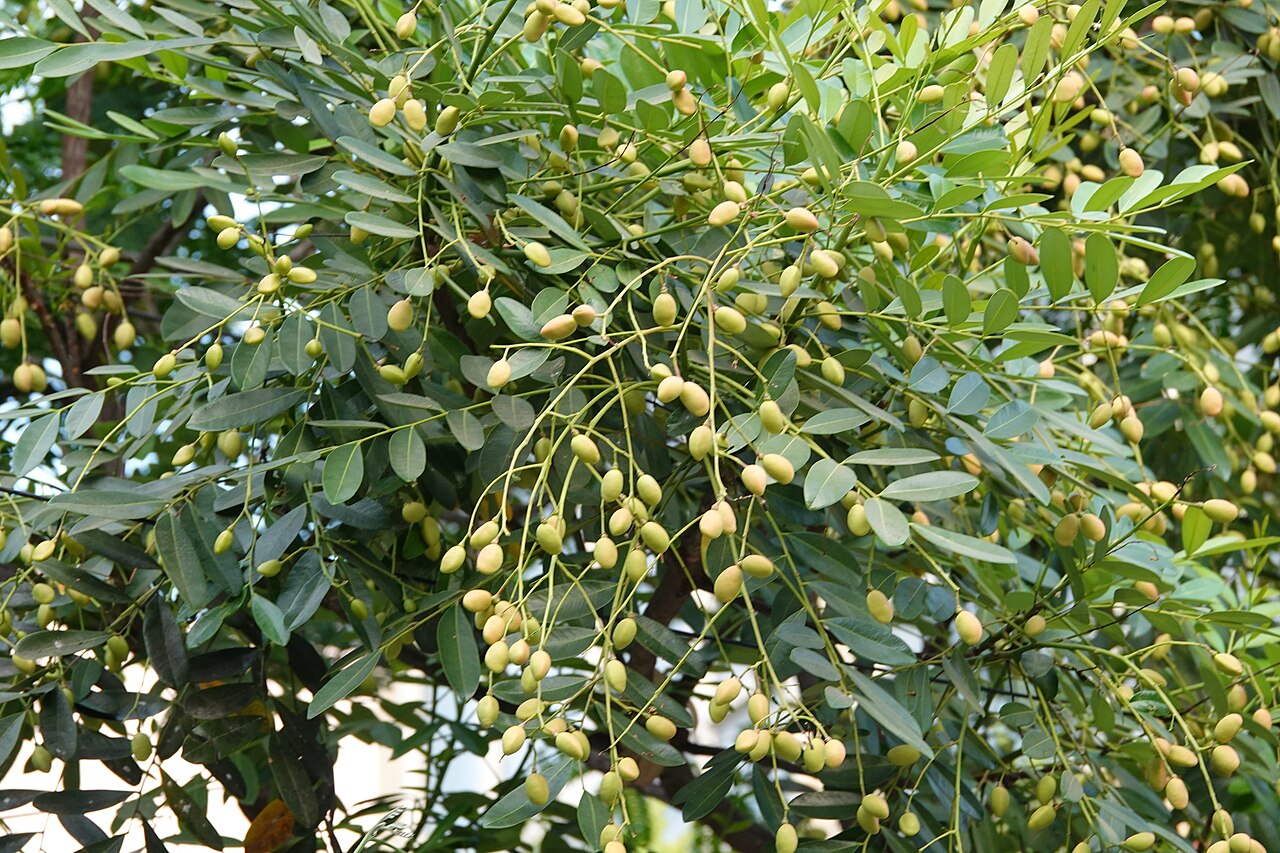
Paradise Tree
Upright and handsome with glossy leaves, and fruit the birds work hard every year.
Native
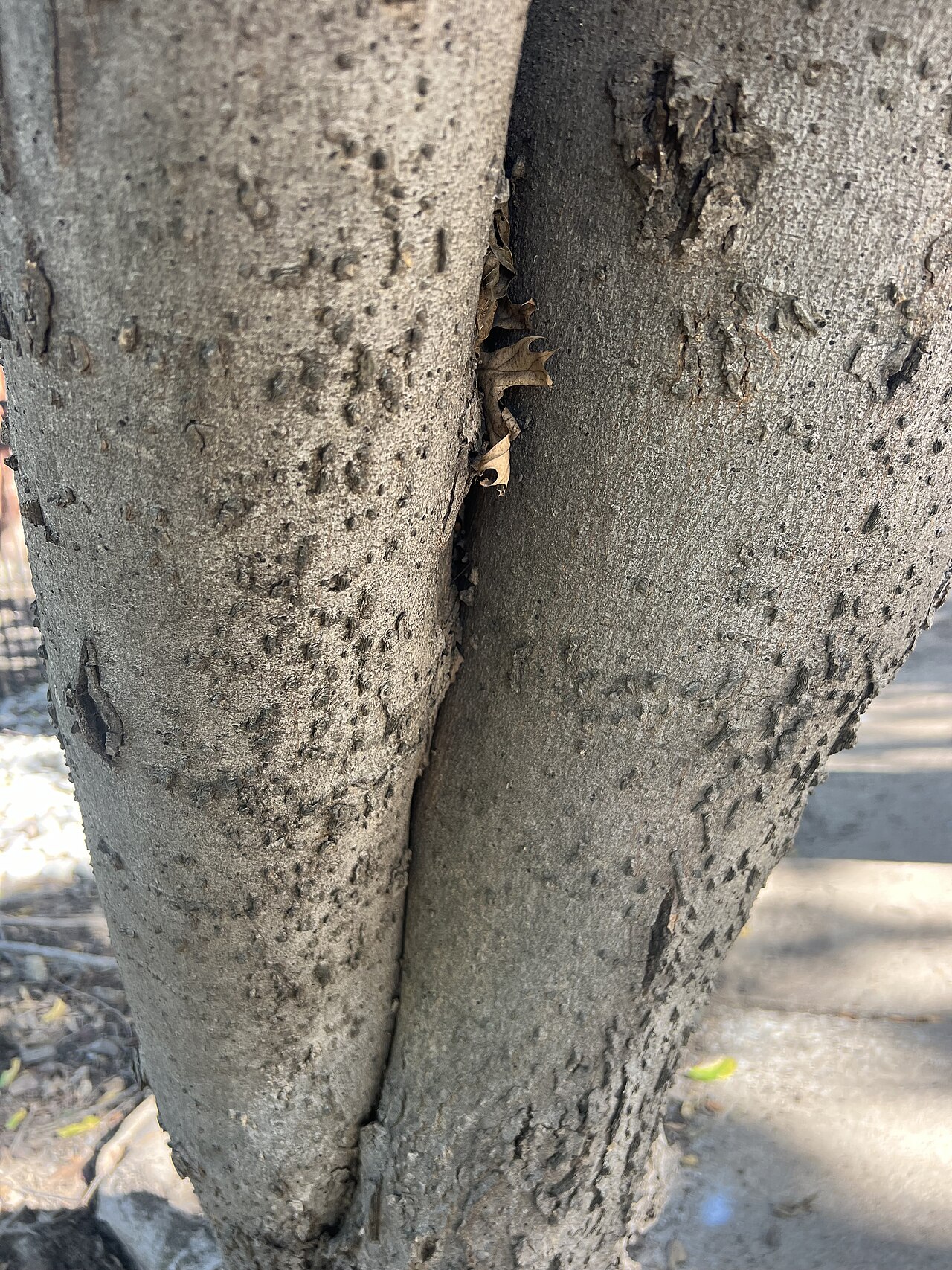
Sugarberry
An easygoing native shade tree and a host plant for several of our butterflies, which means their caterpillars get to grow up on it.
Native
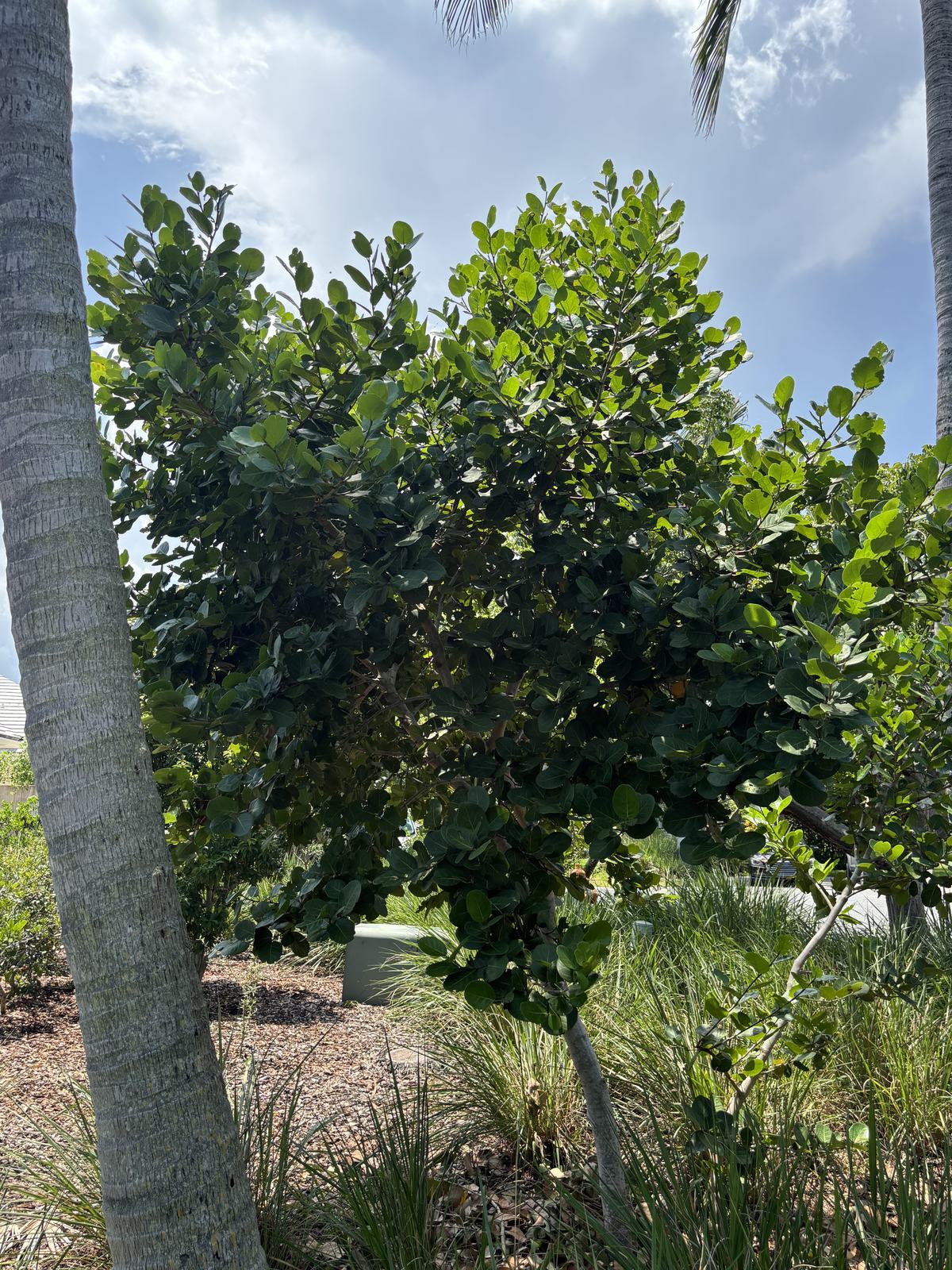
Pigeon Plum
Neat, salt-tolerant, and coastal to its core. A well-behaved tree with fruit the birds appreciate.
Native
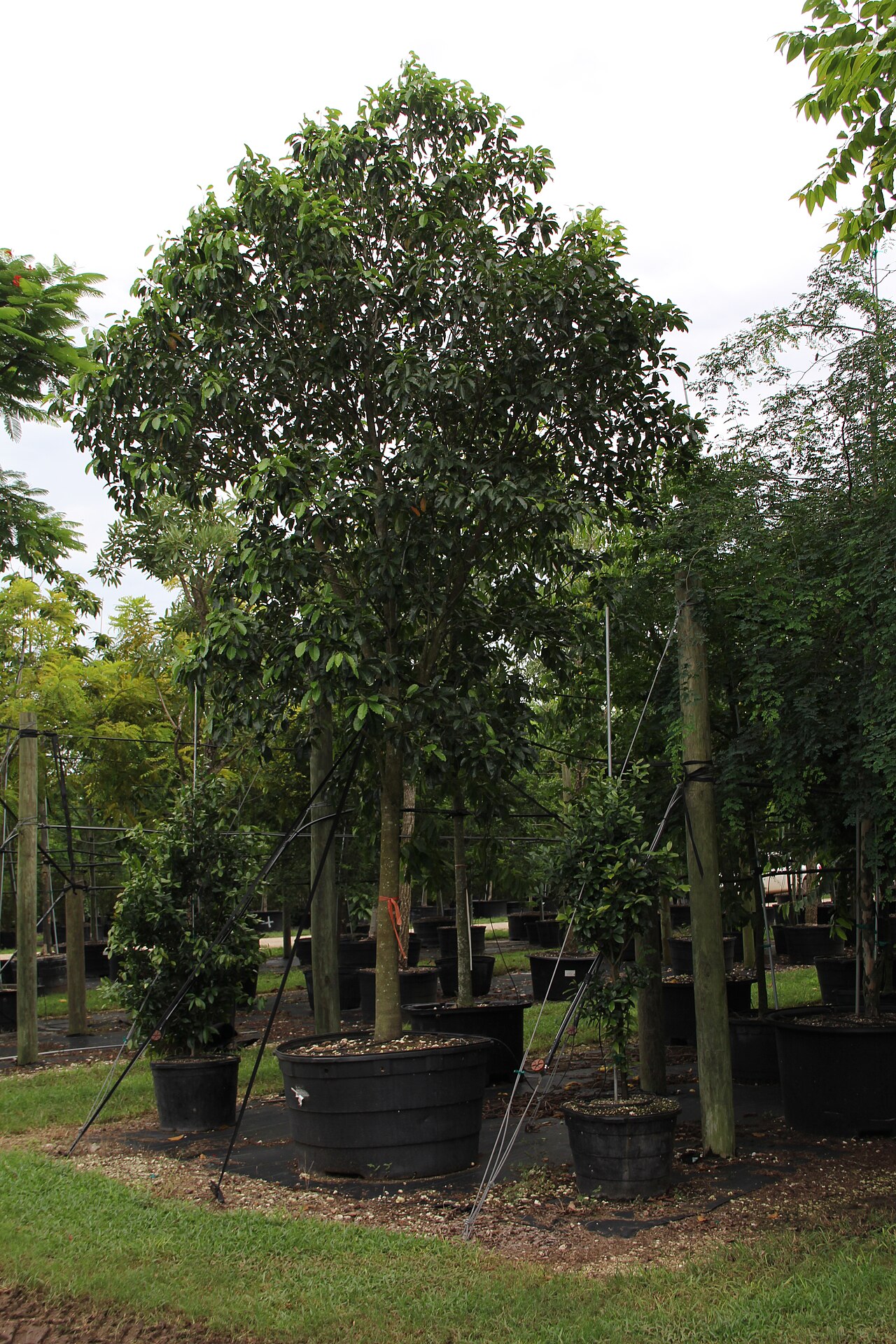
Mastic
A big old-Florida hammock tree with fruit wildlife loves. You don't see it planted enough, which is half the reason I plant it.
Native
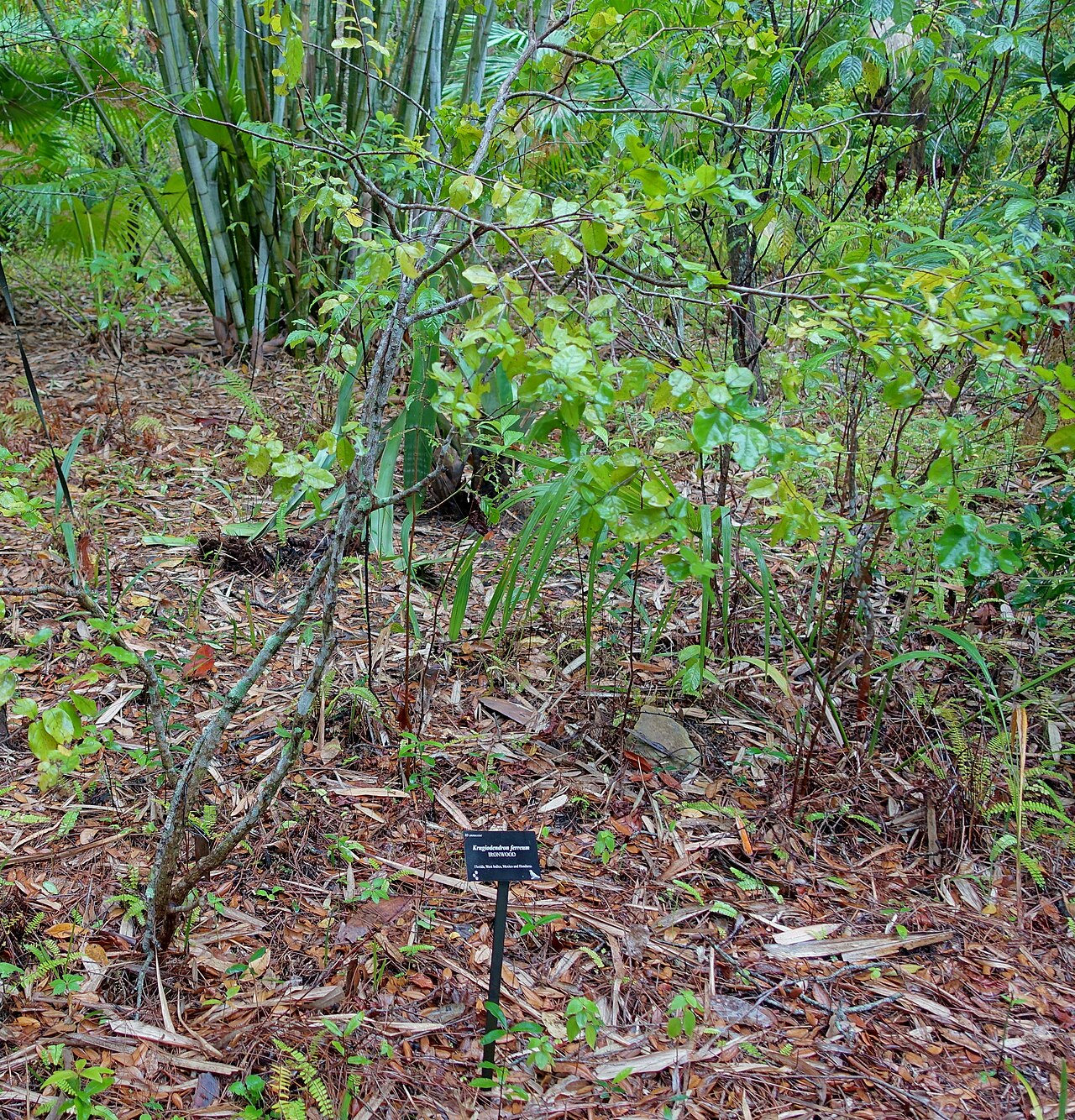
Black Ironwood
Small, slow, and famous for wood so dense it sinks in water. A connoisseur's tree for a shady native corner.
Native
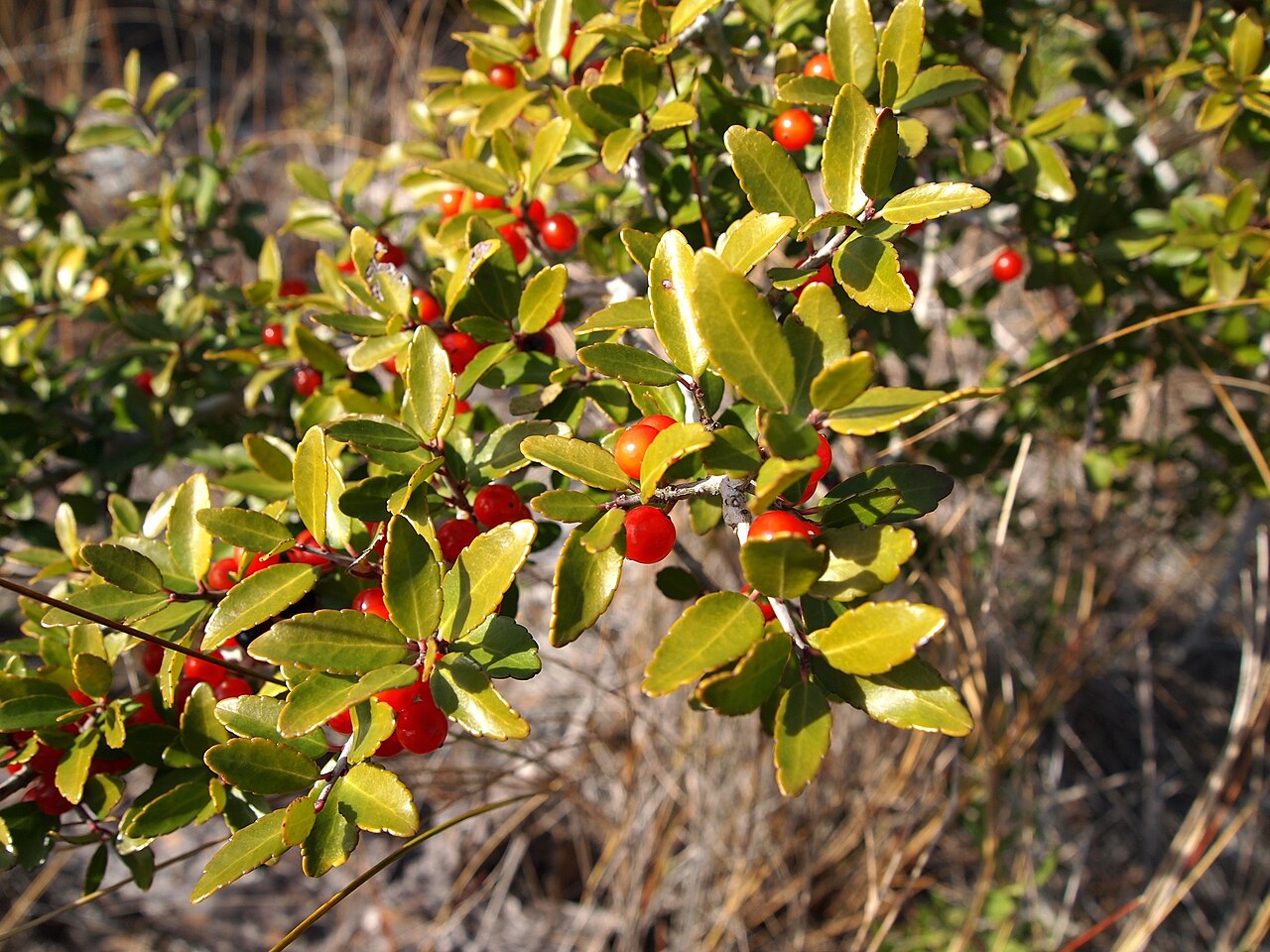
Yaupon Holly
Tough as it gets, takes shearing or grows loose, berries for the birds. Its leaves are the only native source of caffeine in North America, and yes, the tea is good.
Native
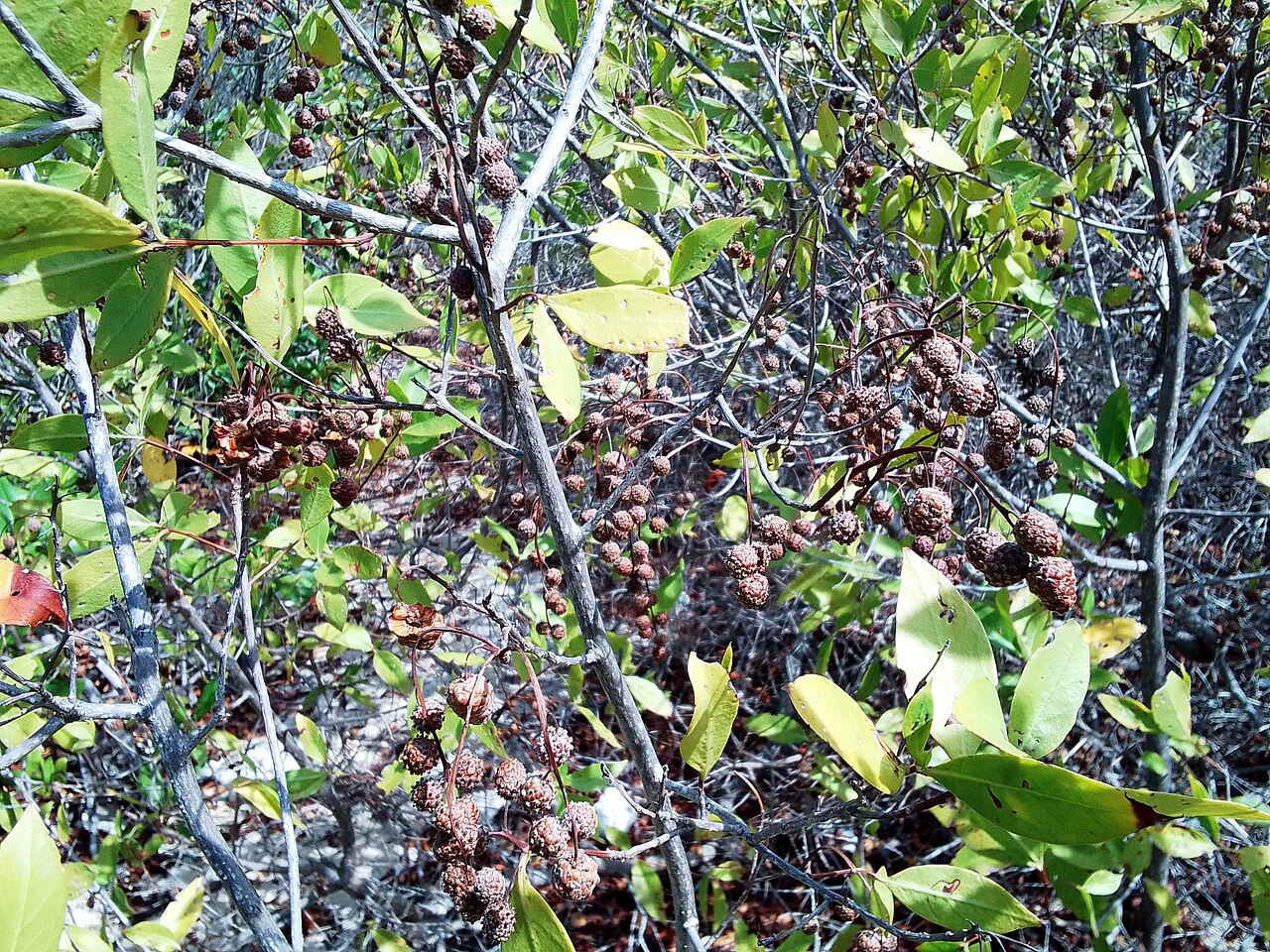
Buttonwood
The coastal workhorse. Salt, wind, poor soil, it shrugs it all off. The silver form is a designer's favorite.
Native
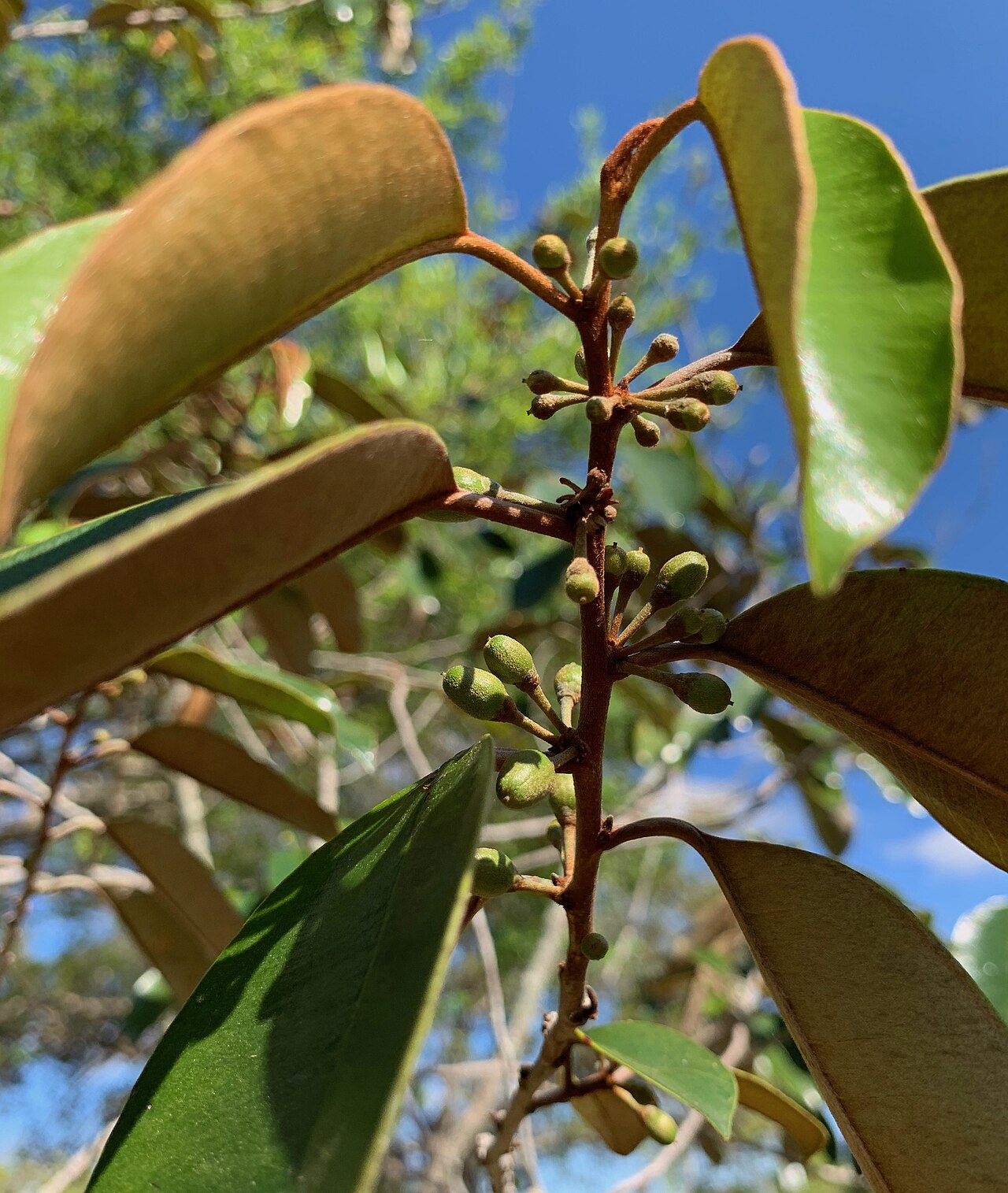
Satinleaf
Green on top, copper shimmer underneath, so every breeze puts on a show. A hammock tree that looks designed on purpose.
Native
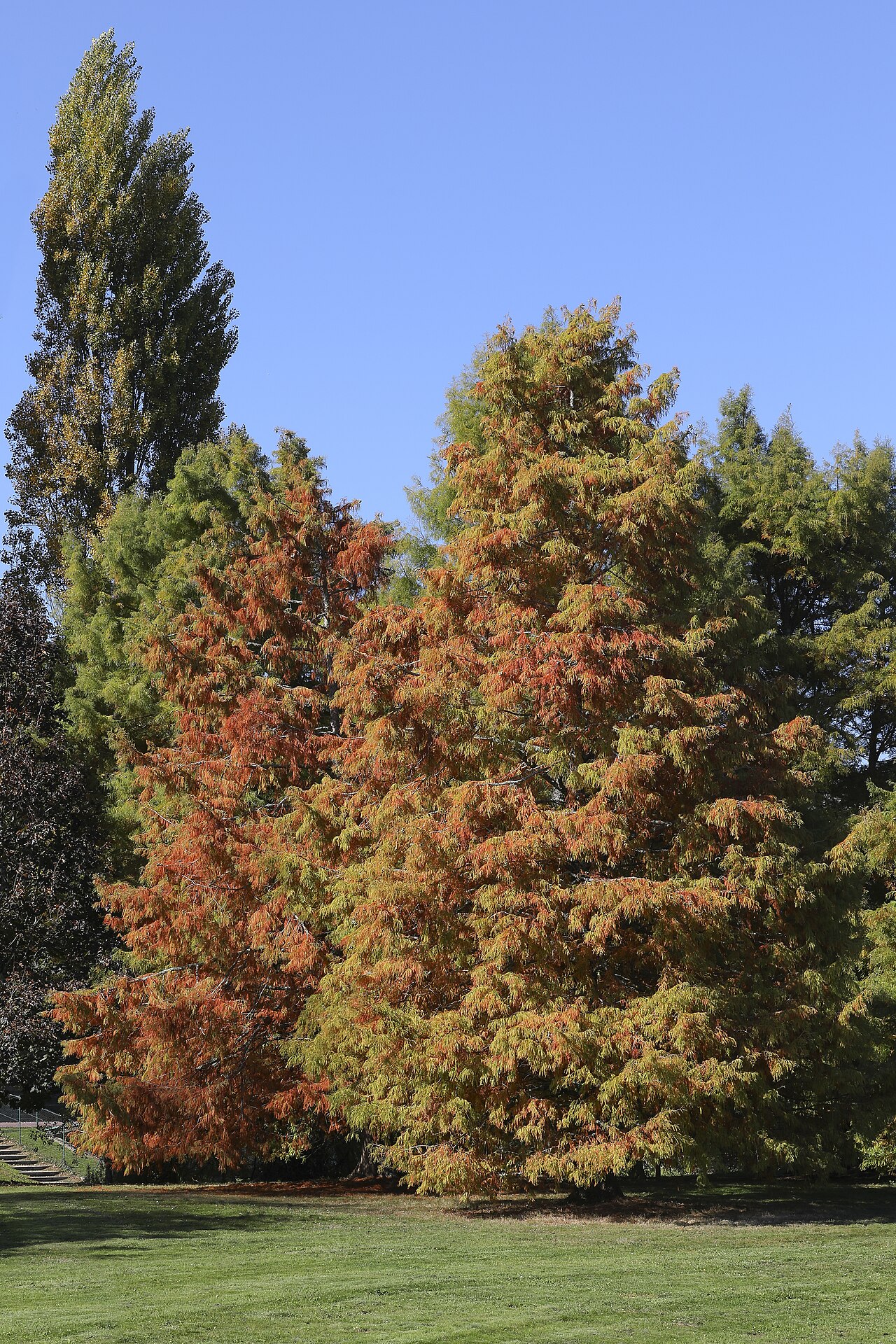
Bald Cypress
The ancient one. Happiest with wet feet but tougher in a dry yard than people think. Feathery needles that drop each winter.
Native
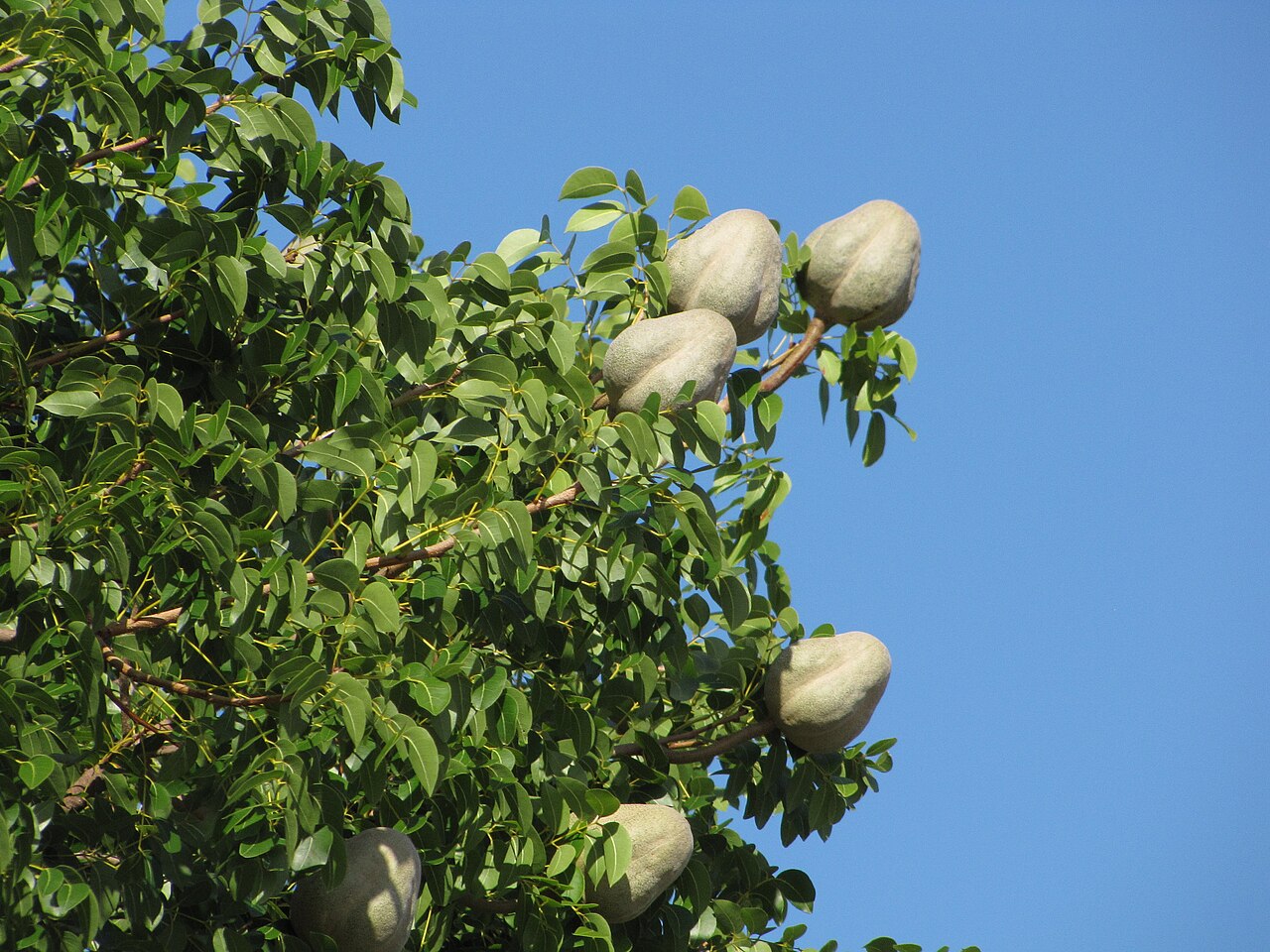
Mahogany
A South Florida native shade classic. Semi-deciduous, meaning it thins out briefly in spring, then leafs right back out.
Native
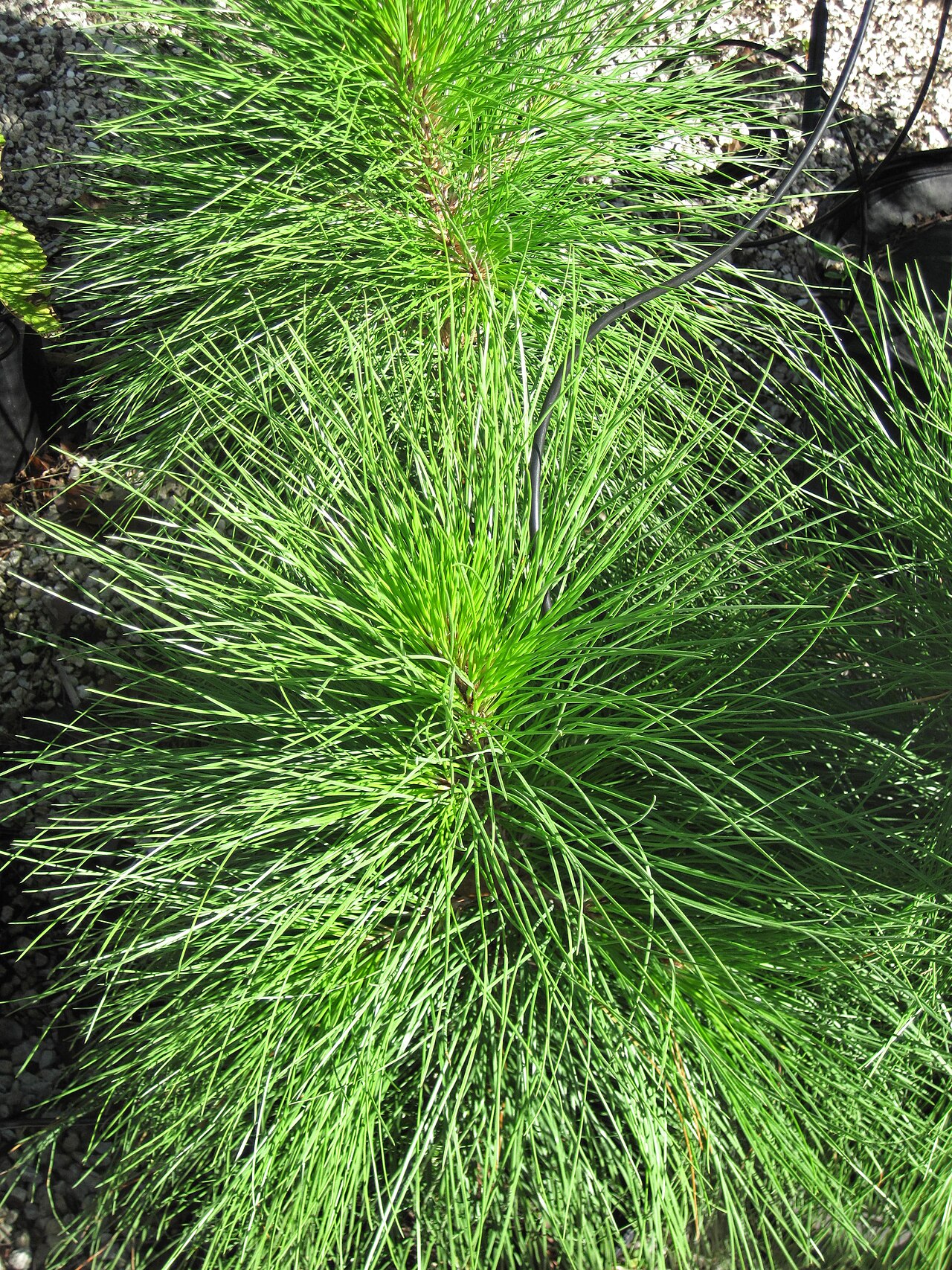
Slash Pine
The tree our whole ecosystem was built around. If you have one, protect it, the roots hate disturbance. If you don't, plant one.
Native
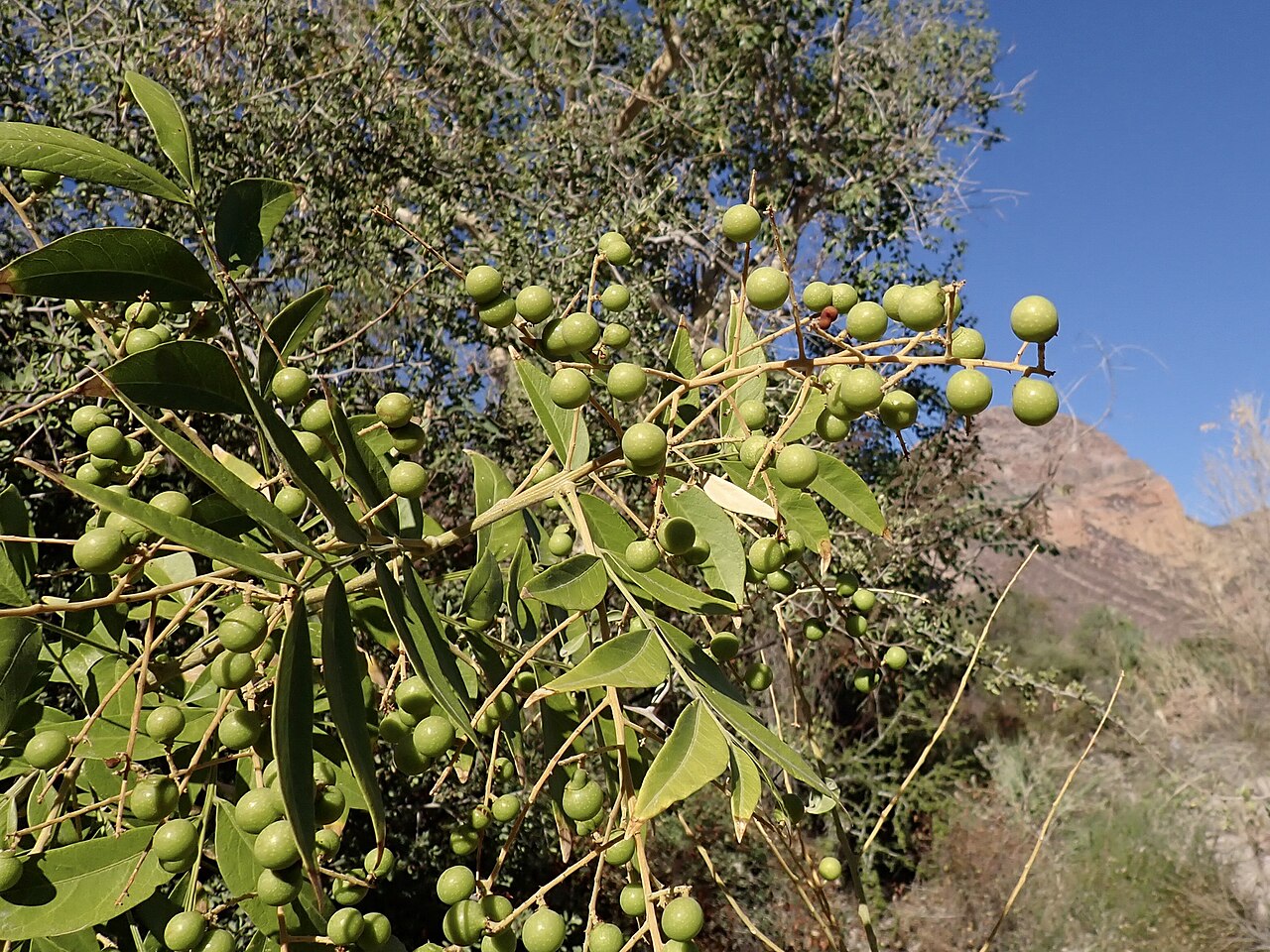
Soapberry
A small, easy native whose berries literally lather like soap. Old Florida grew useful things.
Native
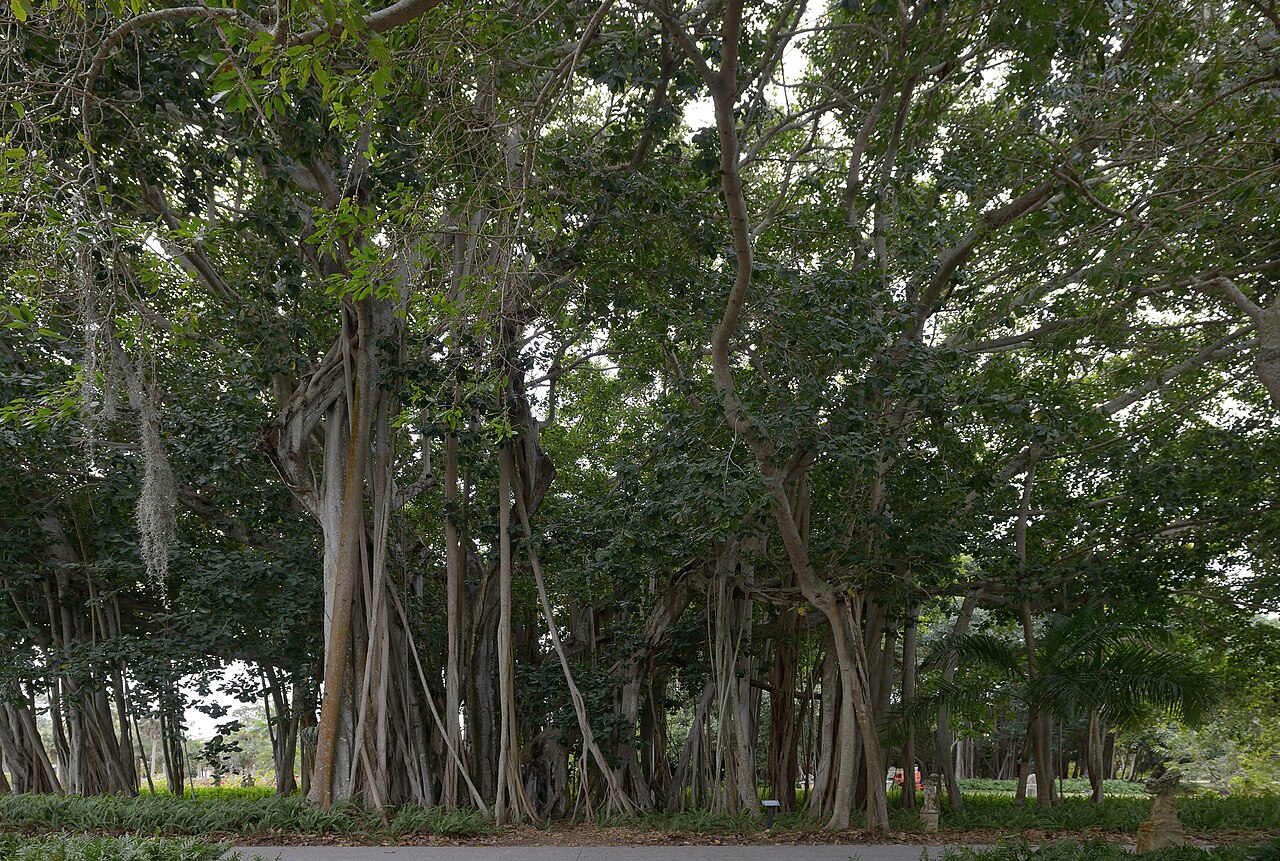
Strangler Fig (Ficus aurea)
A massive native fig and a full-blown wildlife engine. Honest caveat: it needs serious space, far from structures. The right yard, not every yard.
Native
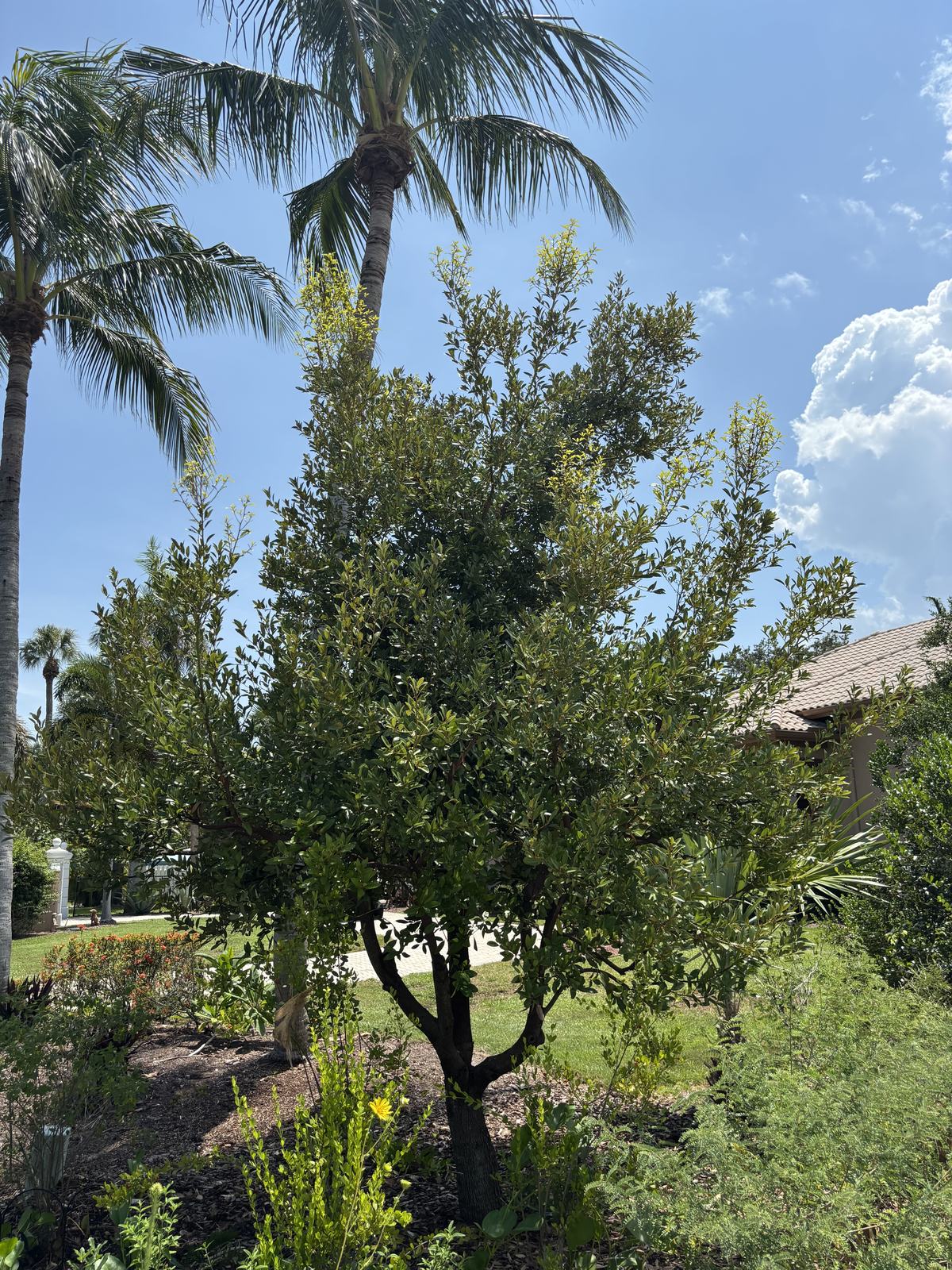
Red Bay
An aromatic hammock tree in the avocado family. Honest caveat: laurel wilt, the same disease I cover in the avocado article, has hit our wild redbays hard. We plant it with eyes open.
Native
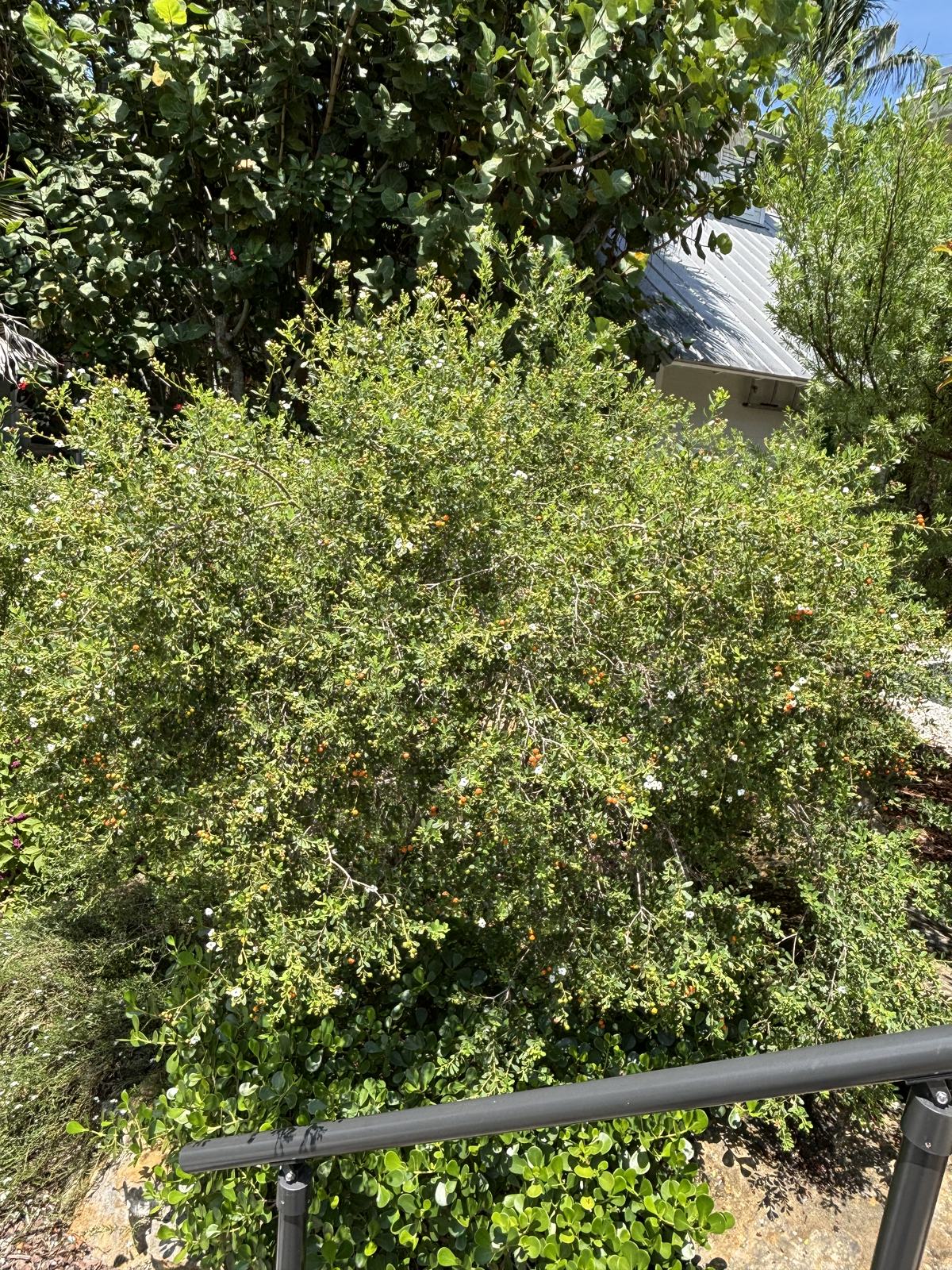
Little Strongbark
A small shrub that seems to always be in bloom, and the butterflies know it. Underused and deserving better.
Native
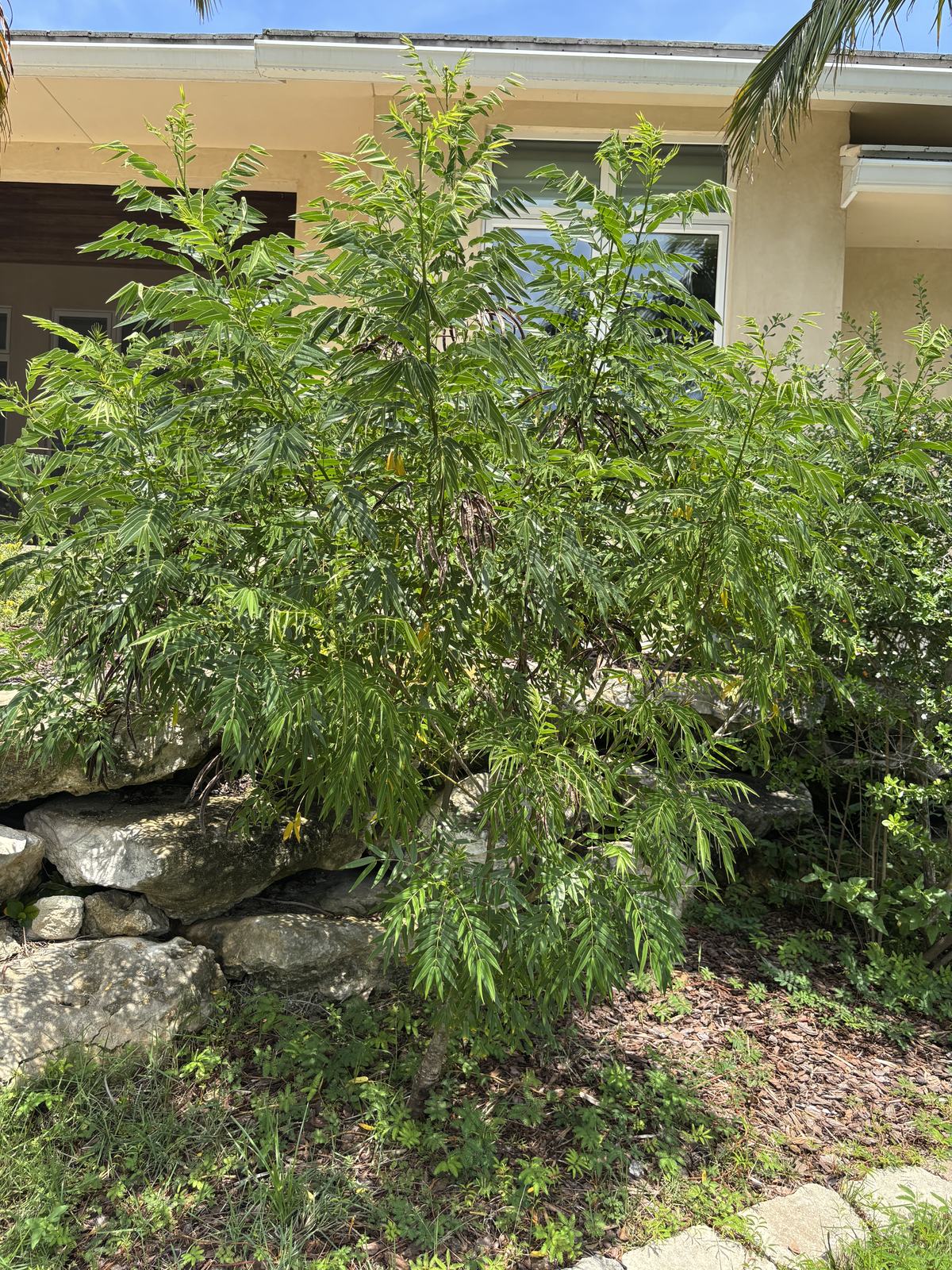
Privet Senna
Cheerful yellow flowers and a host plant for our sulphur butterflies, the little yellow ones dancing across every native yard.
Native
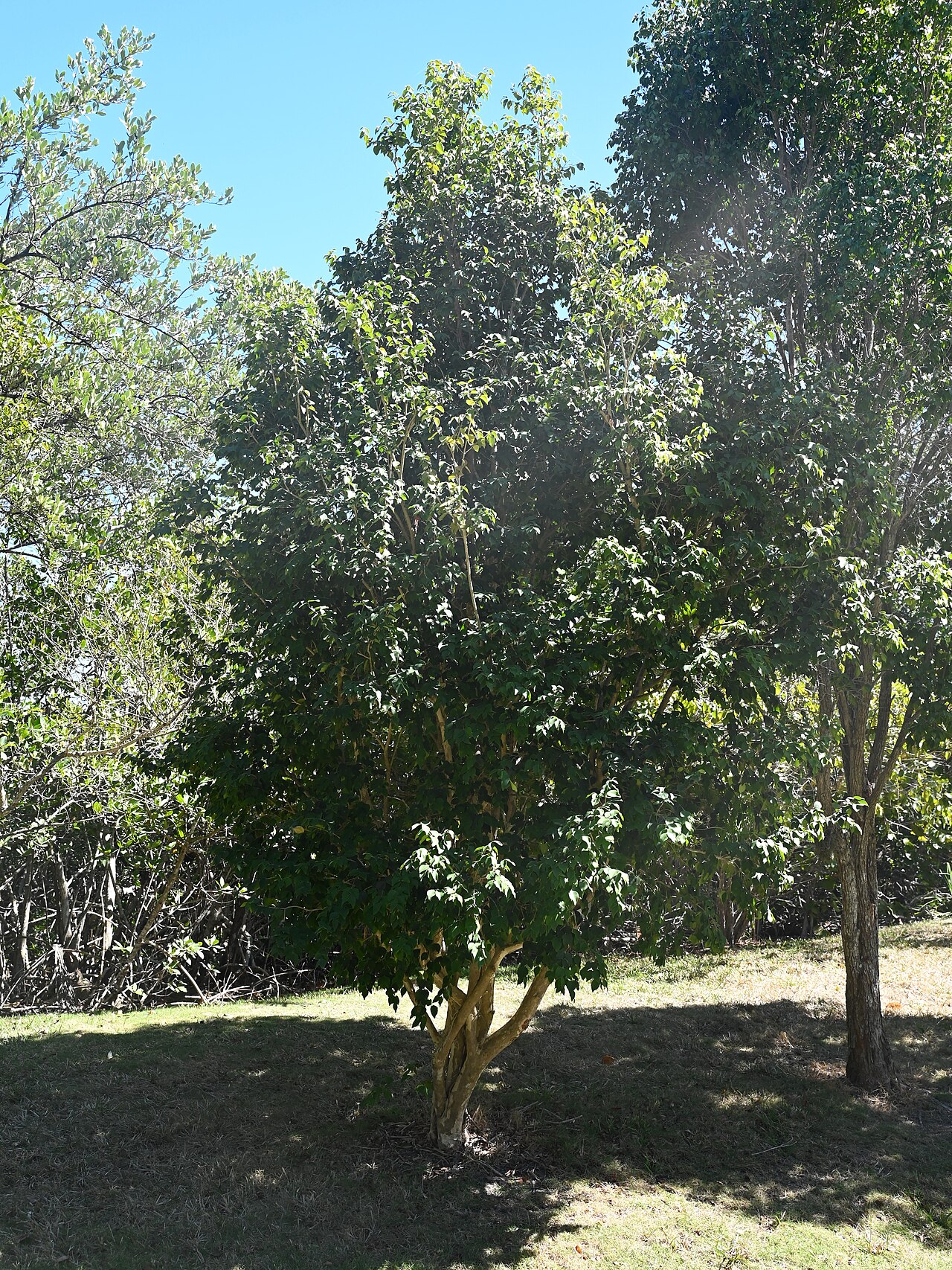
Red Stopper
The rarest of our stoppers, with bronze-red new growth. A collector's hedge plant that behaves itself.
Native
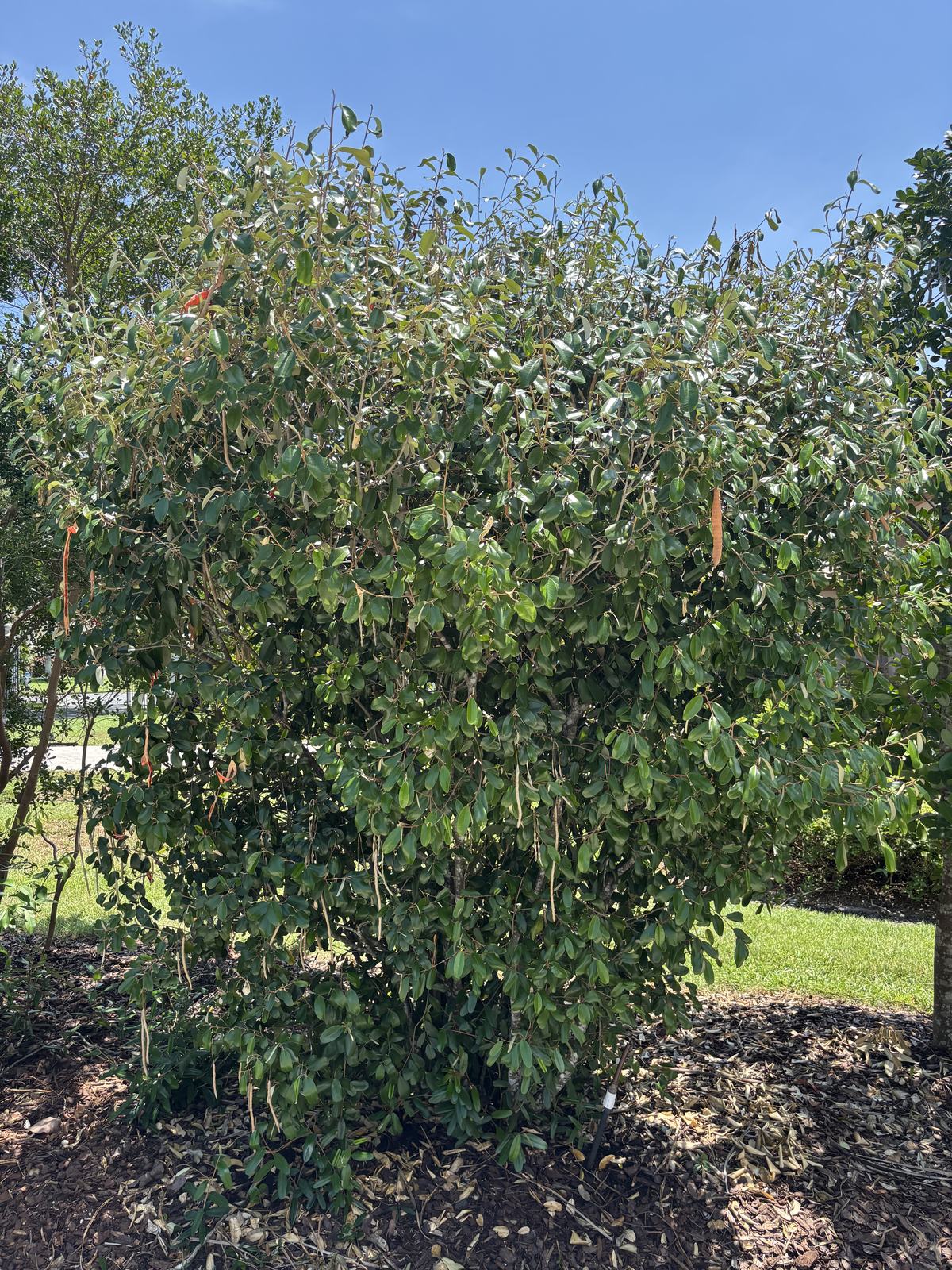
Jamaican Caper
Glossy leaves and showy flowers that open white and blush purple by evening. Slow, refined, worth the wait.

Native
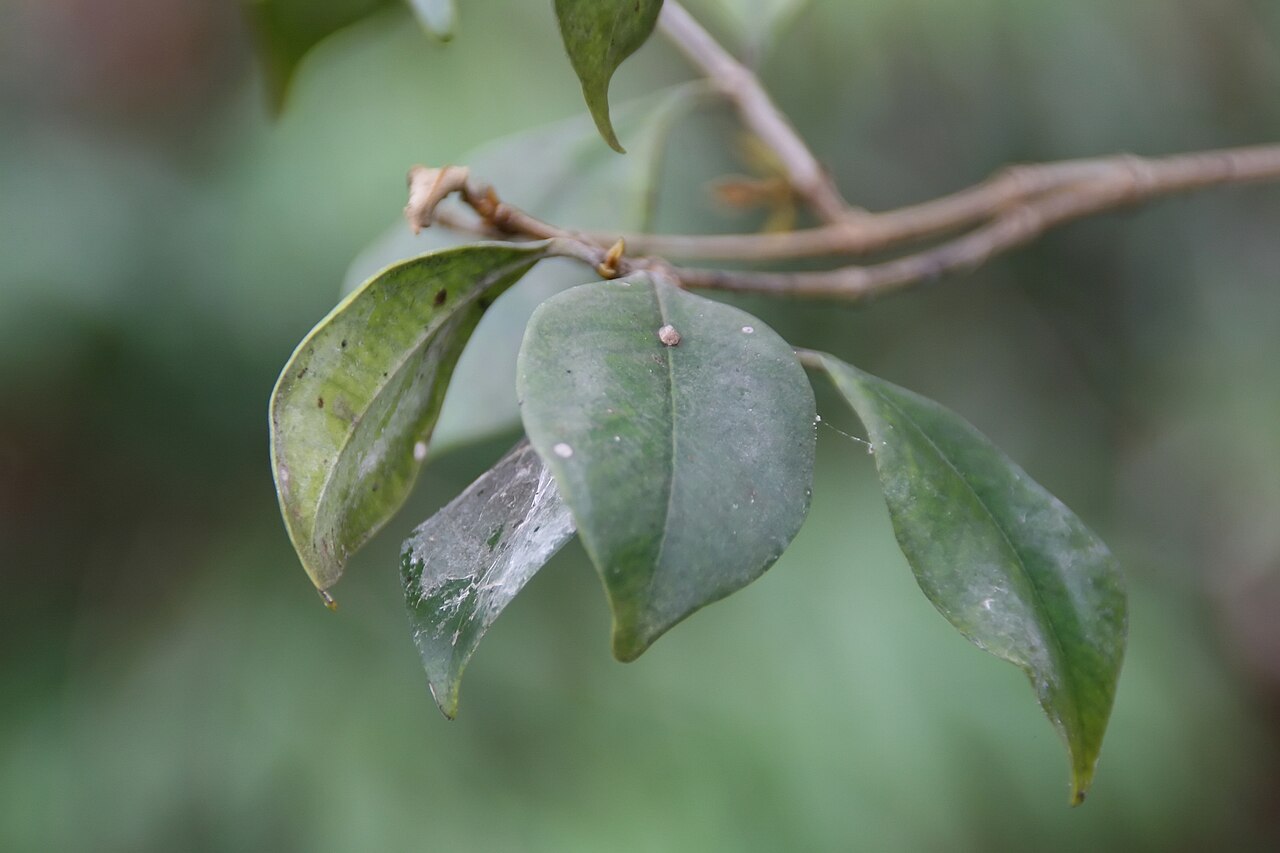
Wild Coffee
Glossy, ribbed leaves that shine in shade, red berries after. A true coffee cousin, though I wouldn't brew it.
Native
Spicewood
An aromatic hammock shrub with neat foliage and quiet good looks. Built for layered native plantings.
Native
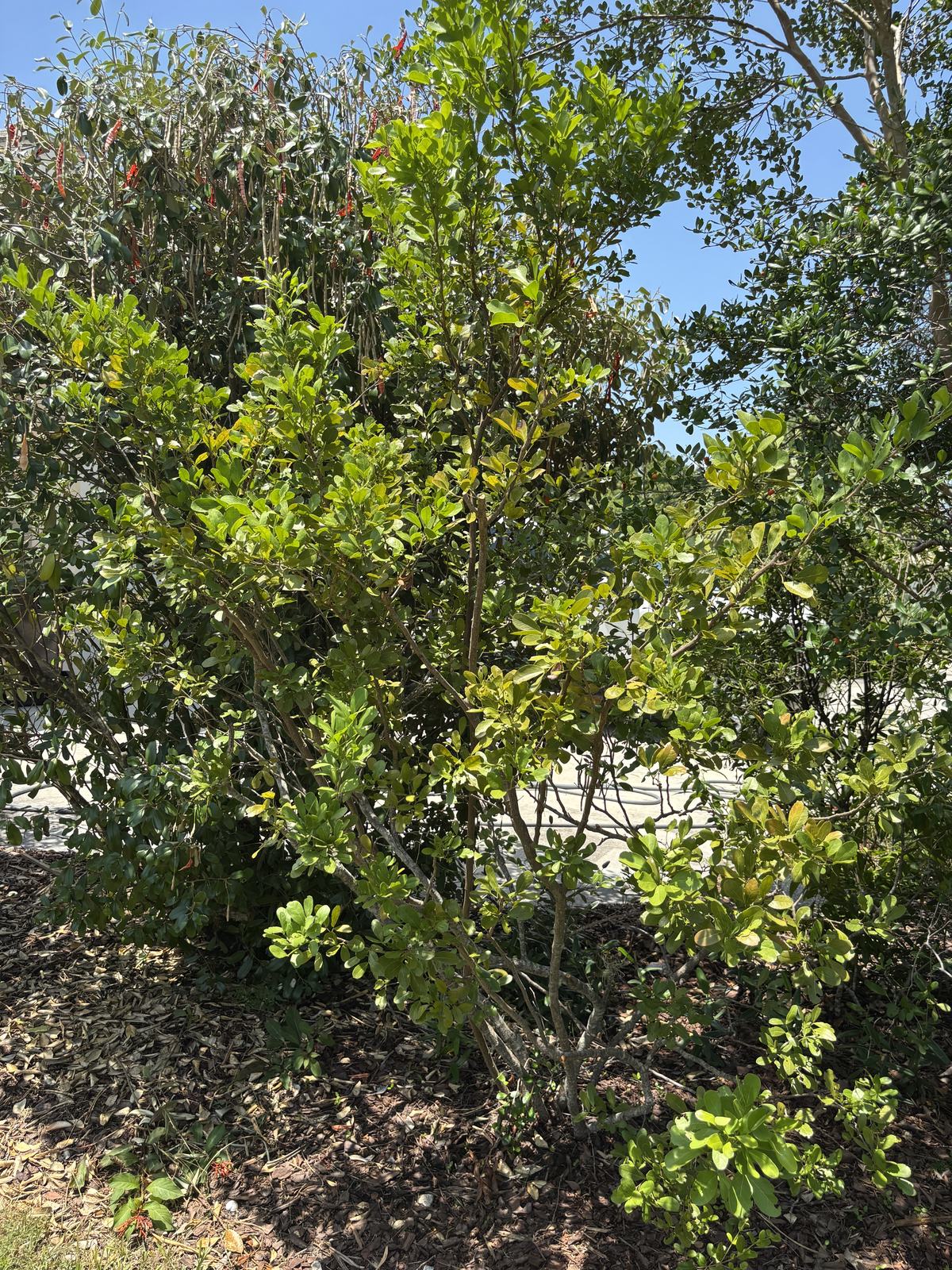
Blackbead
A coastal host plant for several of our small butterflies, with sweet powder-puff blooms and character to spare.
Native
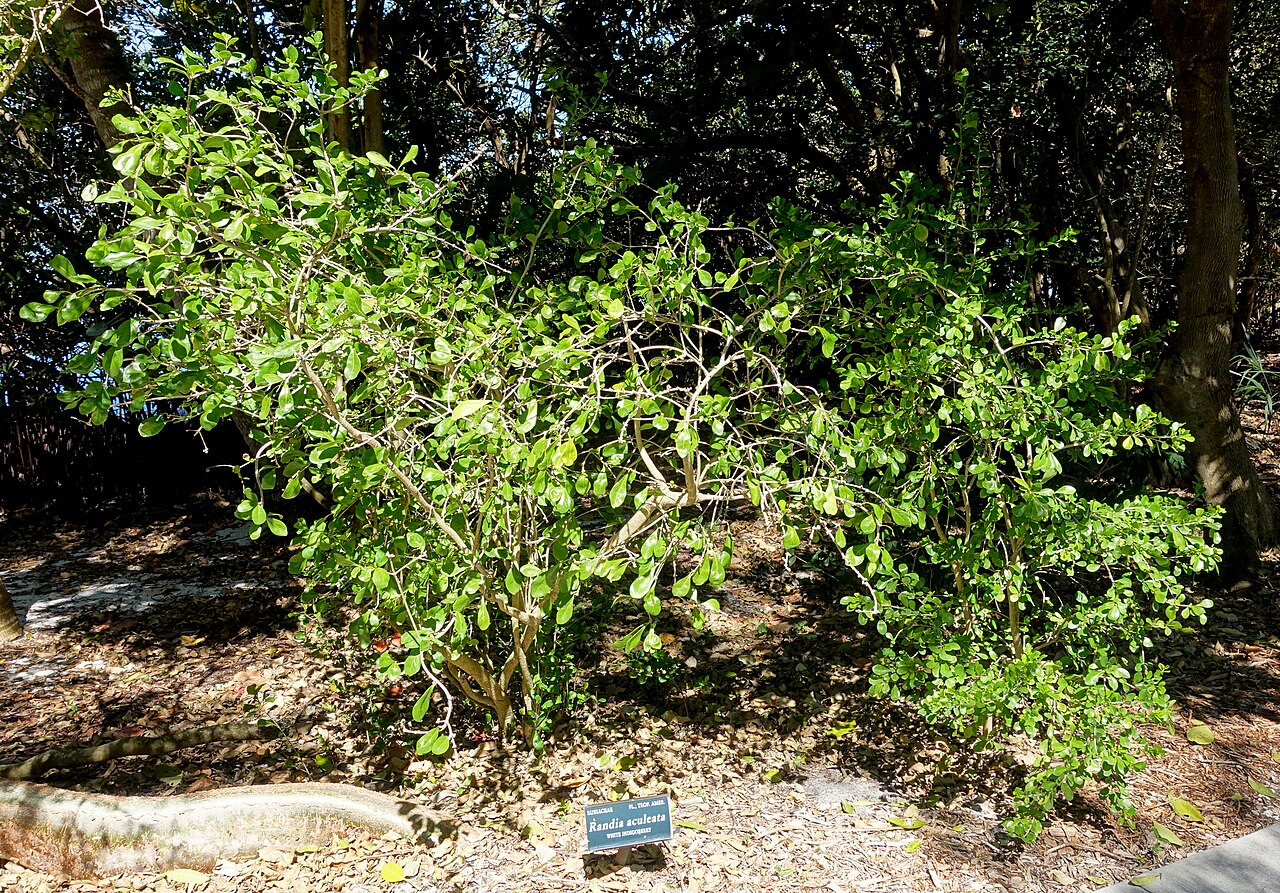
White Indigoberry
Fragrant white flowers, snow-white berries, and dense evergreen structure. Coastal-tough.
Native
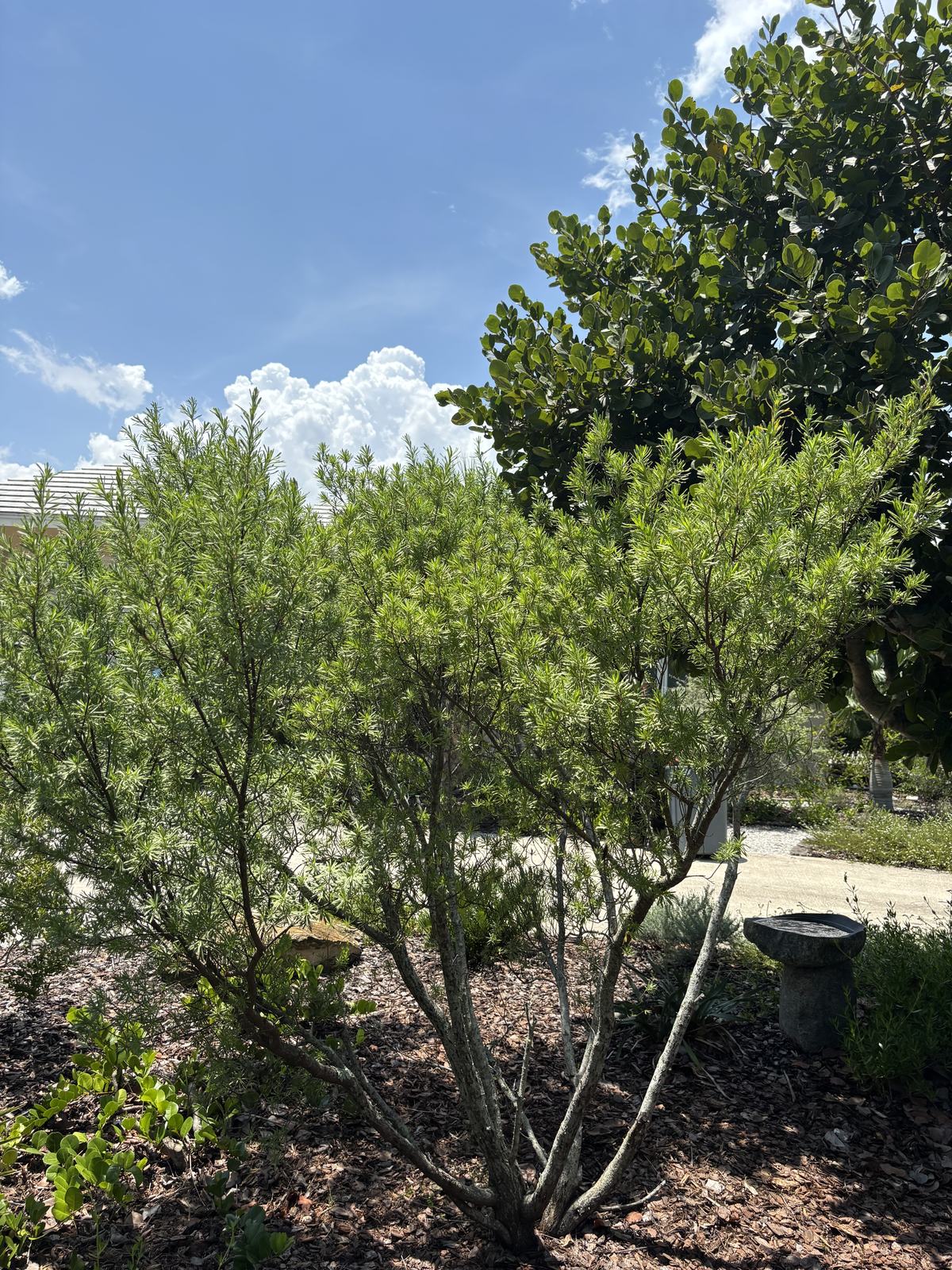
Bay Cedar
A dune plant through and through. Fine silvery-green texture and total salt indifference. Beachside yards, this is your friend.
Native
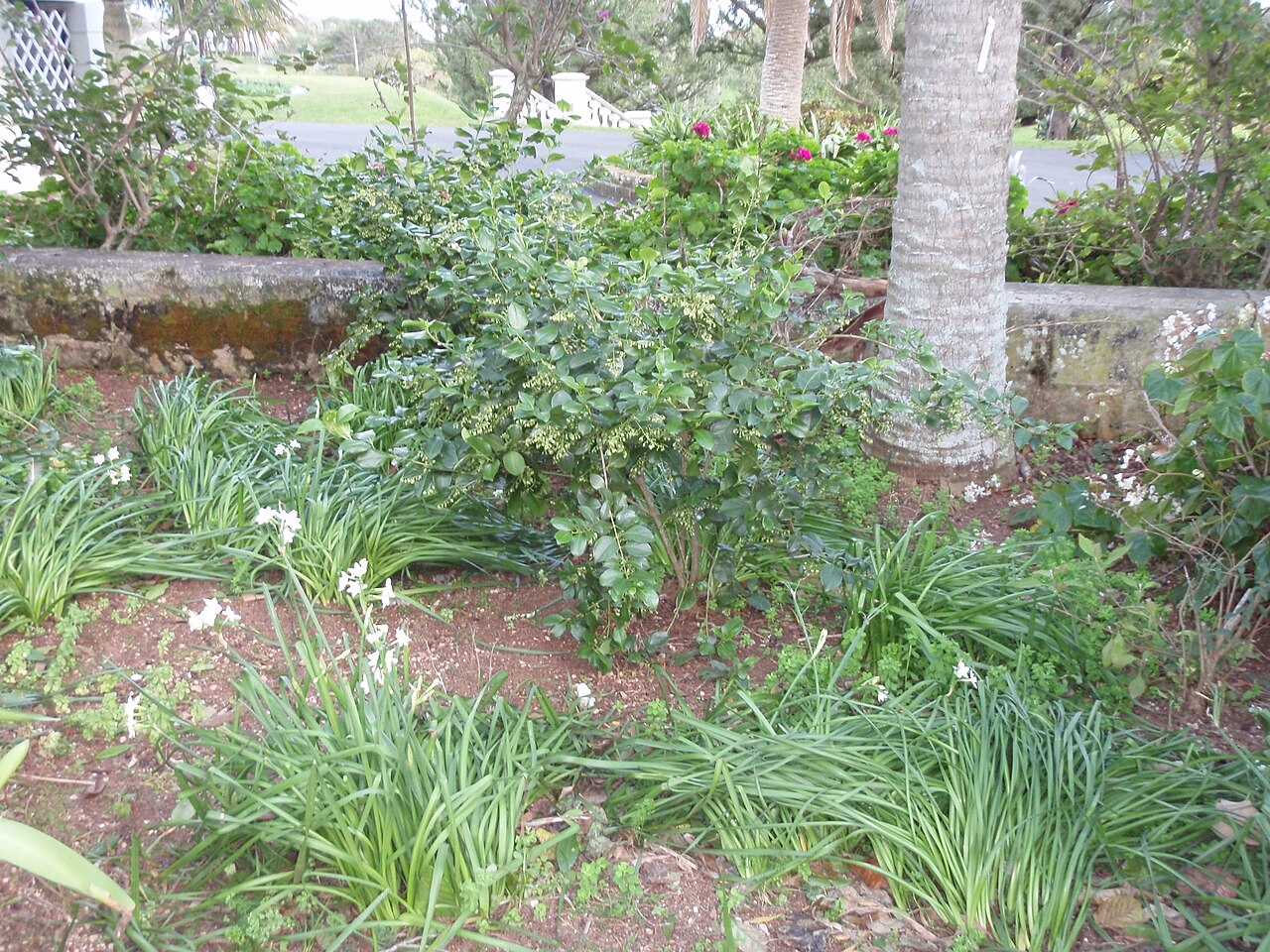
Snowberry
Bright white berries on a sprawling evergreen that will drape and wander. Let it do its thing along an edge.
Native
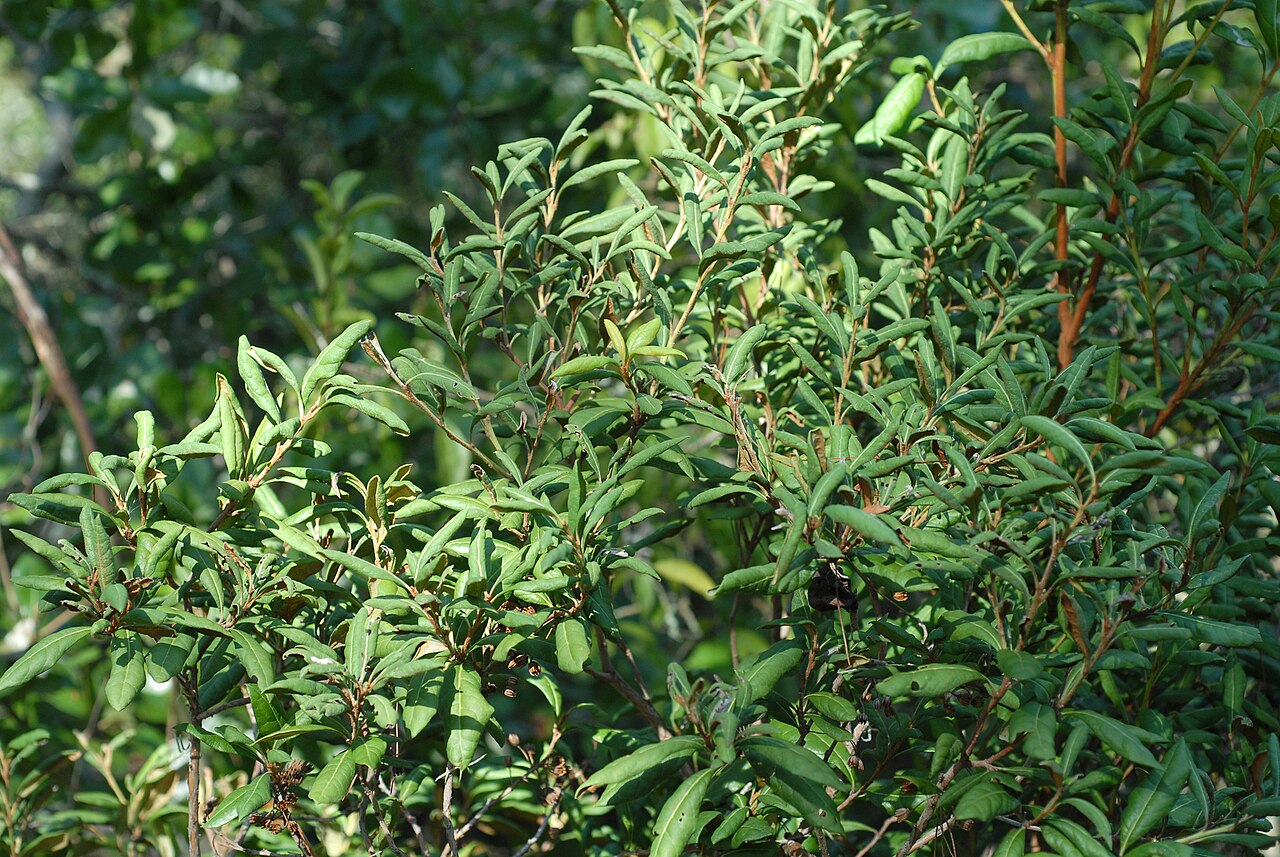
Rusty Lyonia
Sculptural, twisting branches and rusty-fuzzy new growth. A scrub native with more character than anything in the big box aisle.
Native
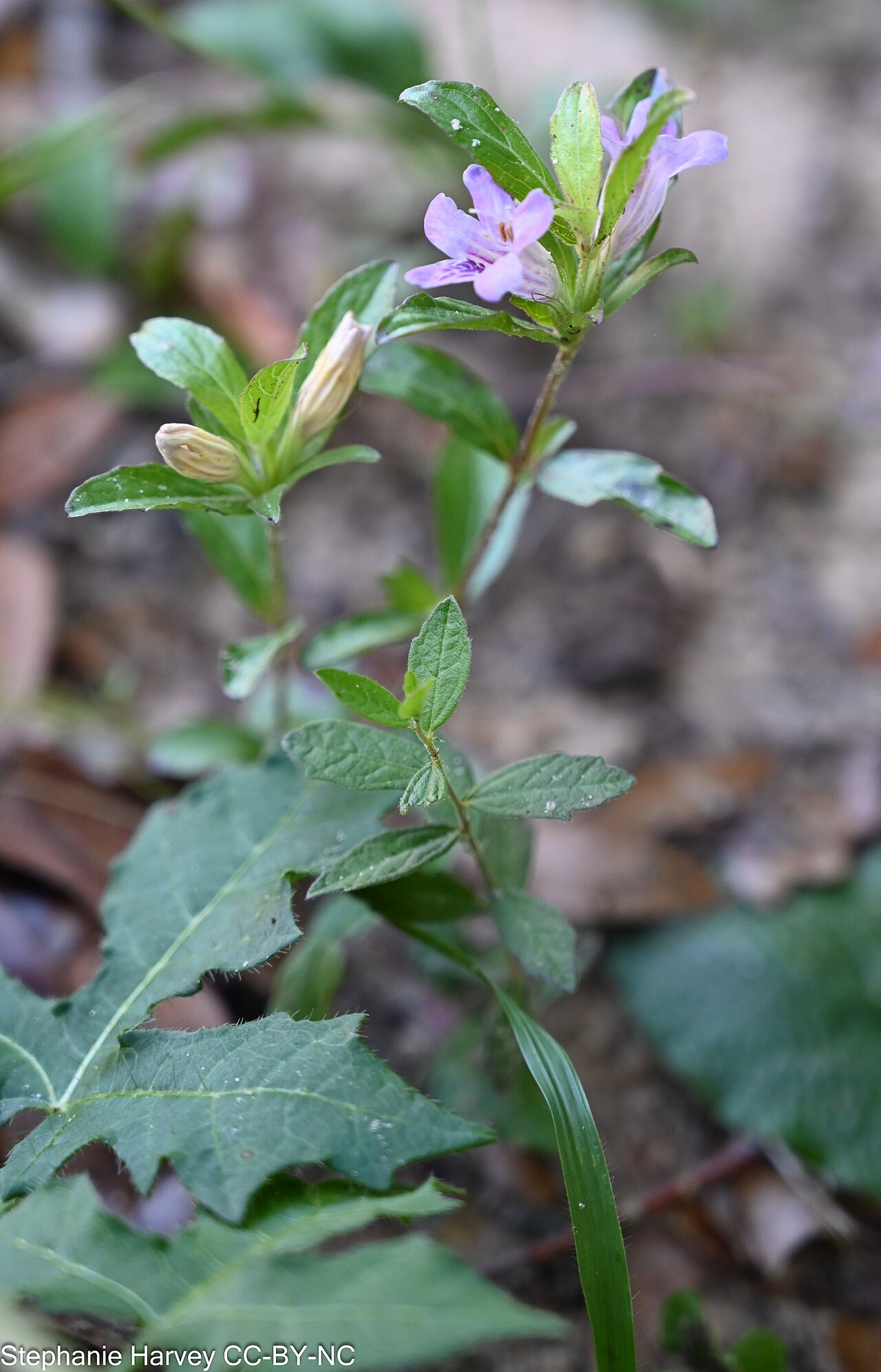
Twinflower
A low native groundcover with little purple trumpets, and a host plant for the common buckeye butterfly.
Native
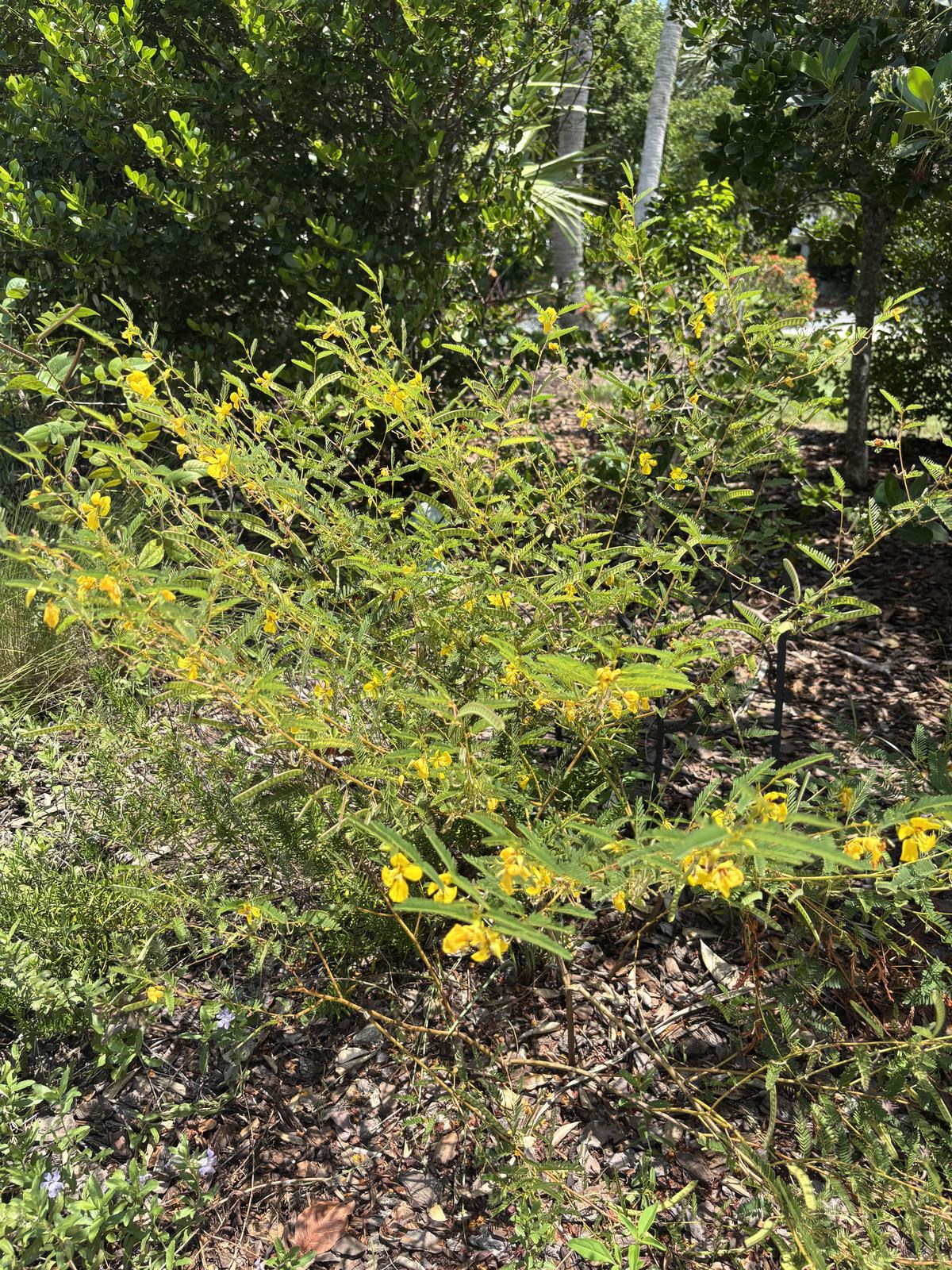
Partridge Pea
Sunny yellow all summer and a host for the sulphur butterflies. Honest caveat: it reseeds with enthusiasm. I call that a feature.
Native
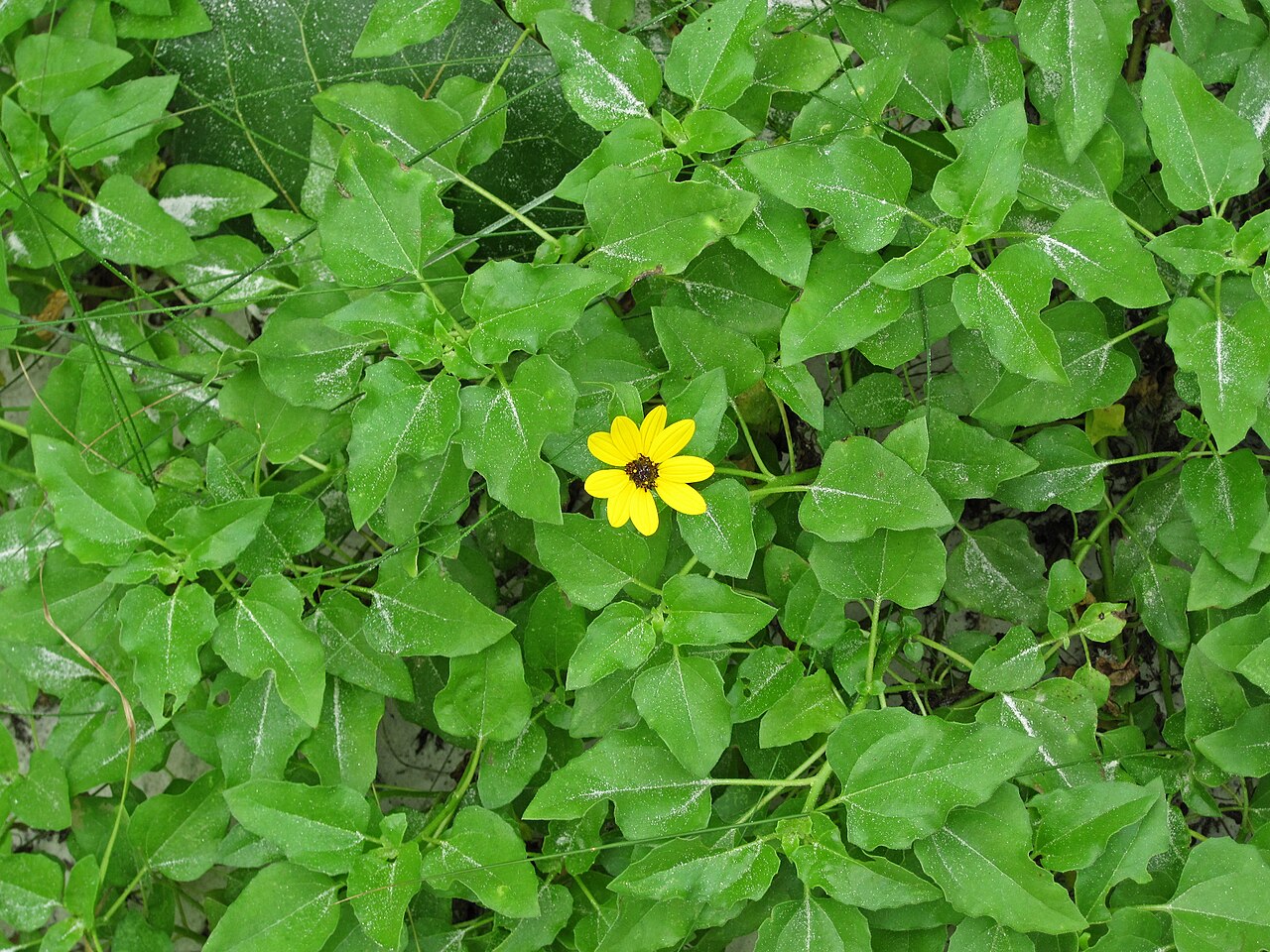
Dune Sunflower
Cheerful yellow daisies over sprawling green. Salt-proof, drought-proof, and quick to cover ground. Give it room to roam.
Native
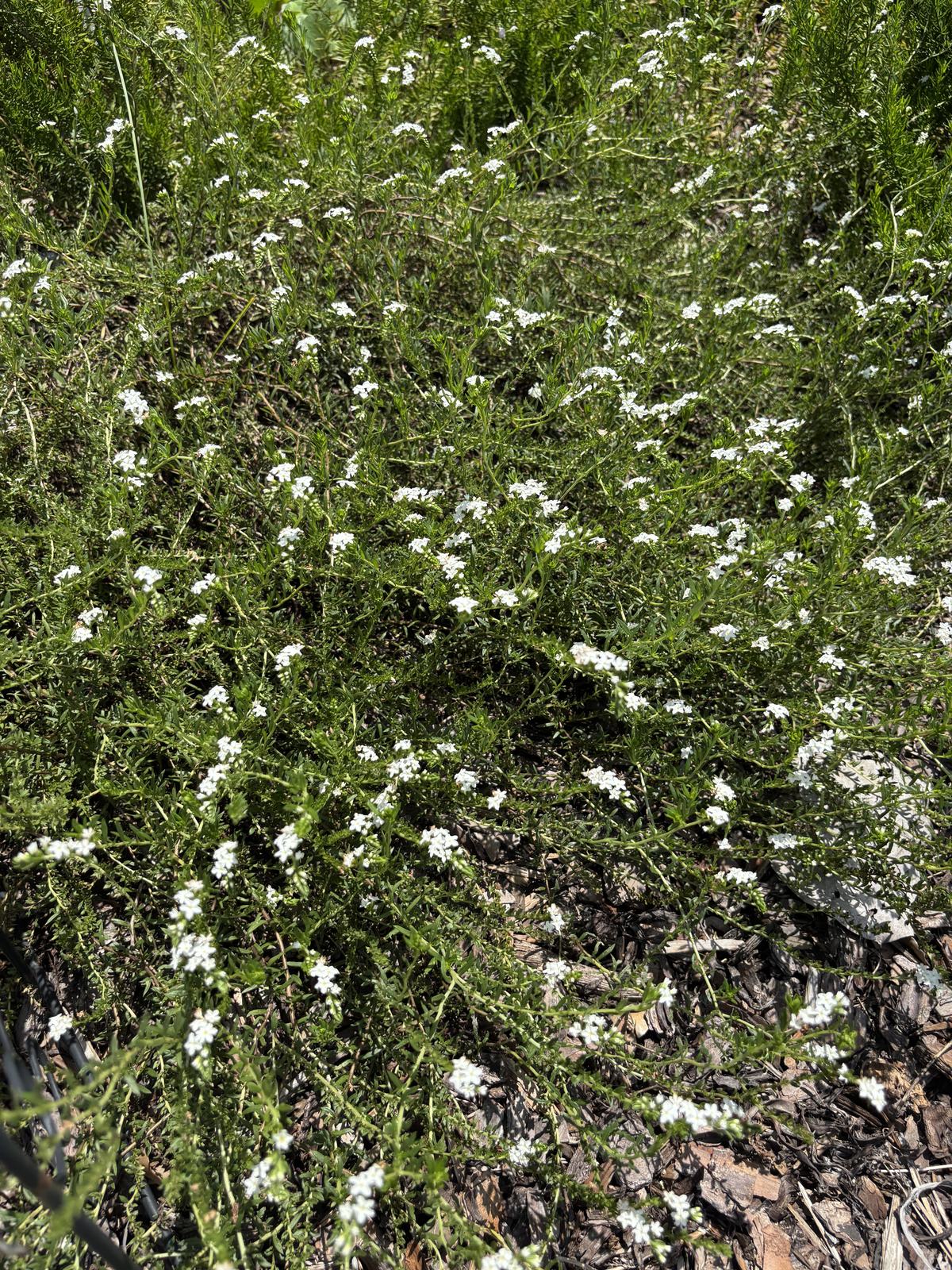
Pineland Heliotrope
A low spreader that just keeps blooming, with pollinators working it all day long.
Native
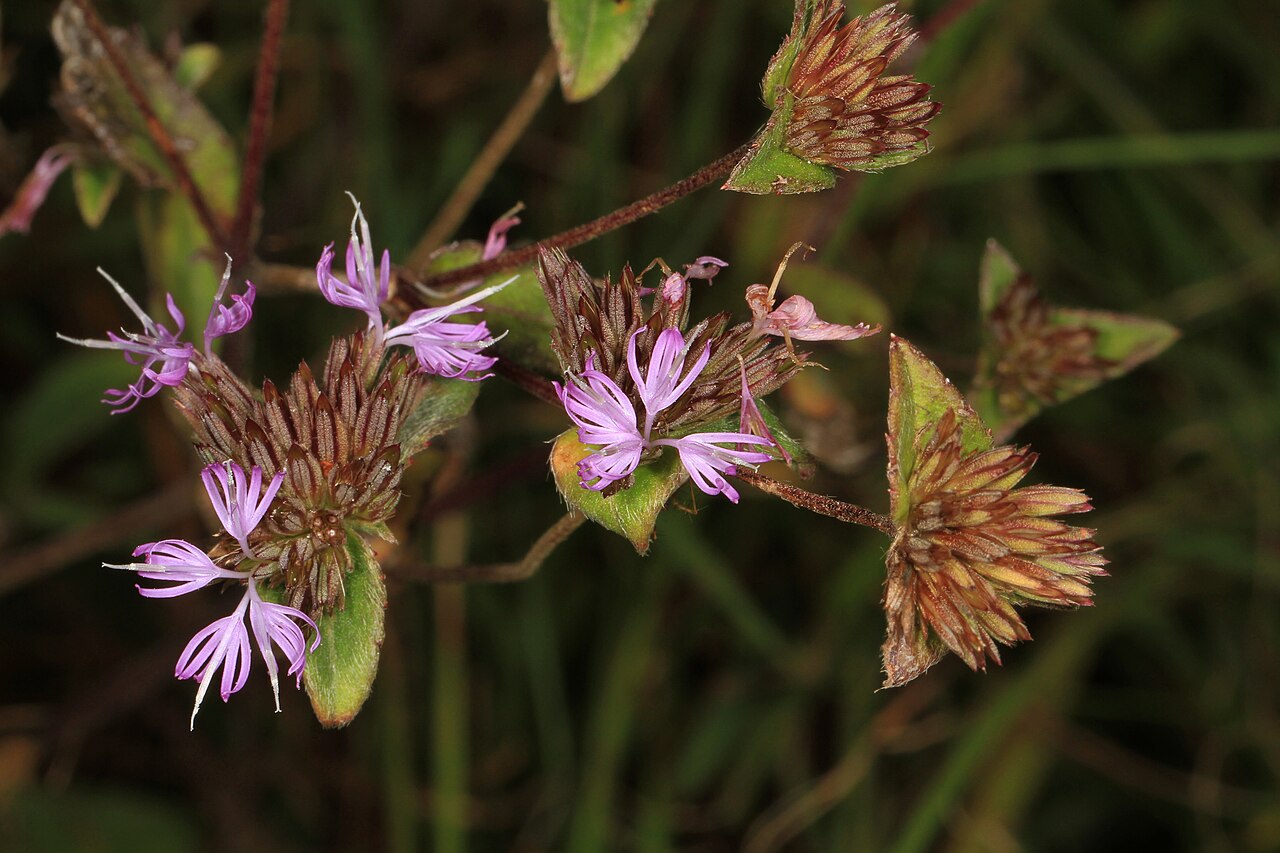
Elephant's Foot
A flat rosette of big leaves, then airy stalks of small purple flowers. One of the few that loves dry shade.
Native
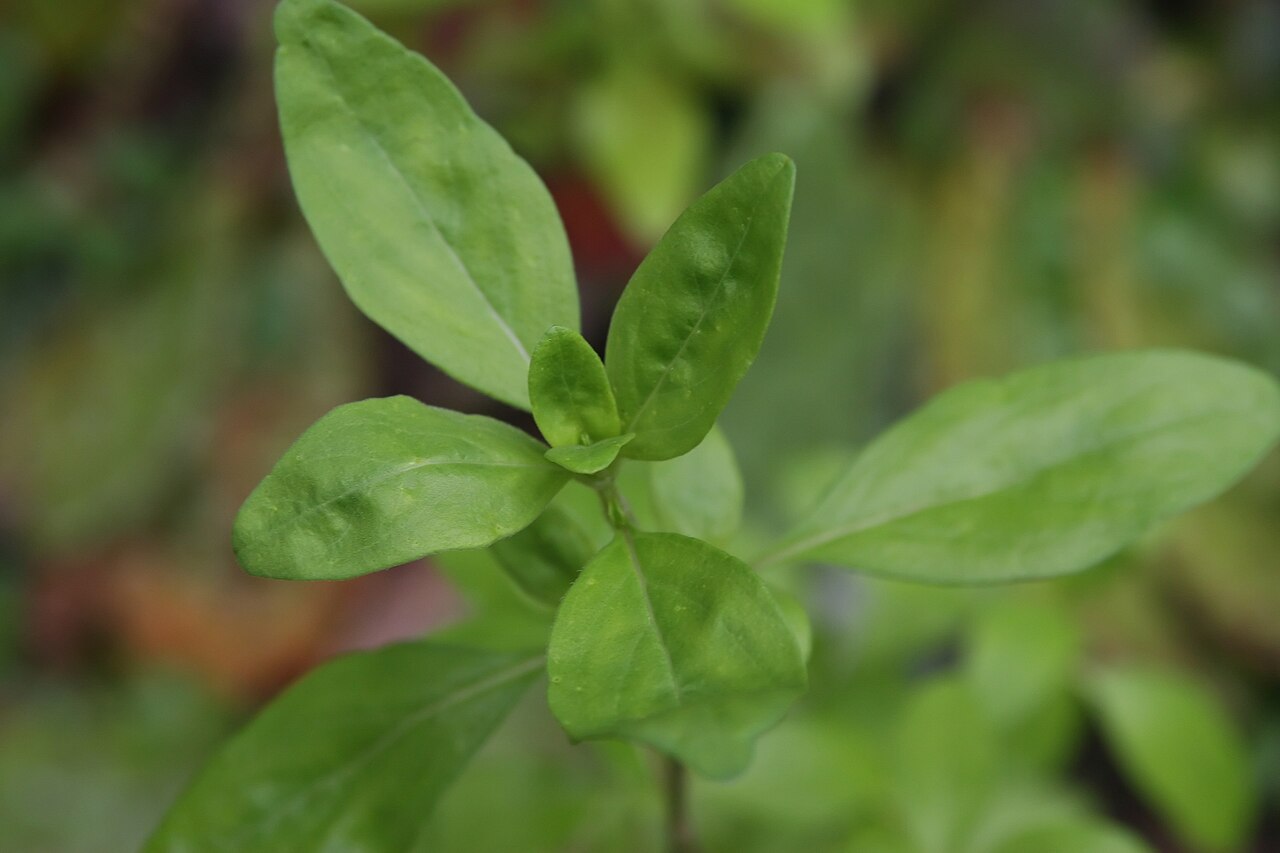
Forked Blue Curls
Delicate curled blue blooms the bees adore. A sandy-soil charmer that reseeds where it's happy.
Native
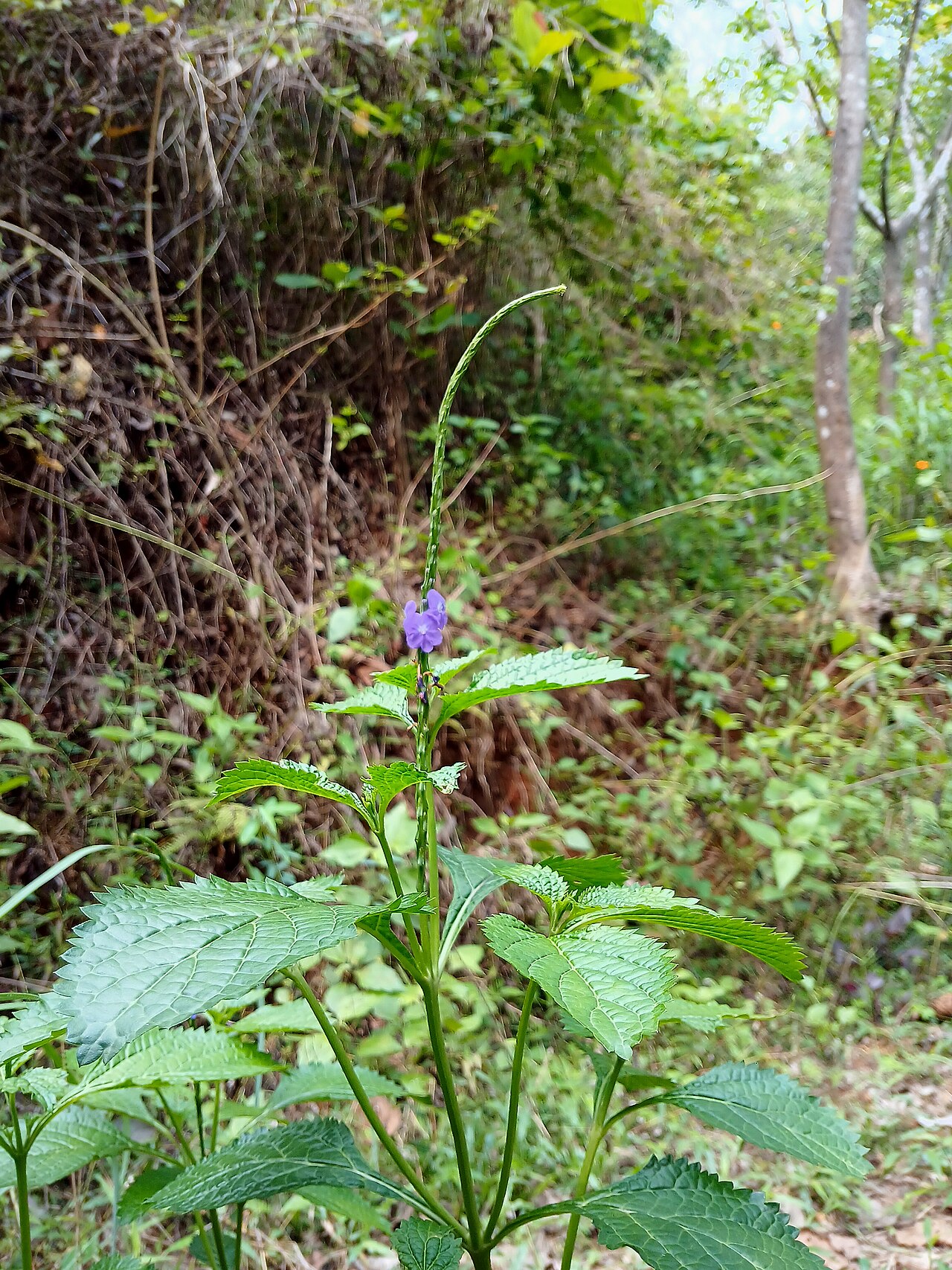
Blue Porterweed
A butterfly nectar staple that blooms nearly year-round. Make sure it's the low native one, not the tall import.
Native
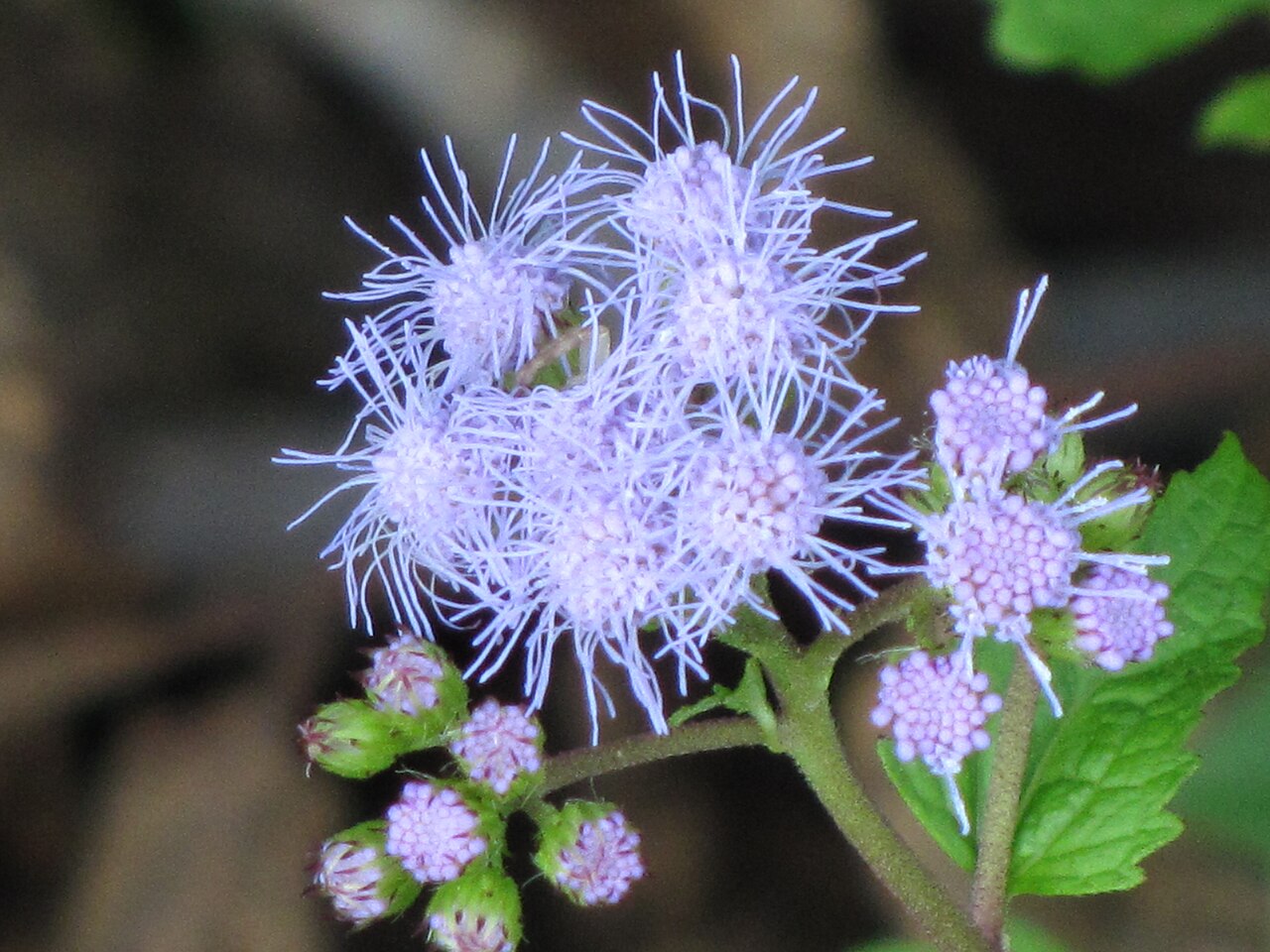
Mistflower
Puffs of powder blue that butterflies pile onto. Make sure you're getting the native mistflower, because there's an aggressive imported lookalike.
Native
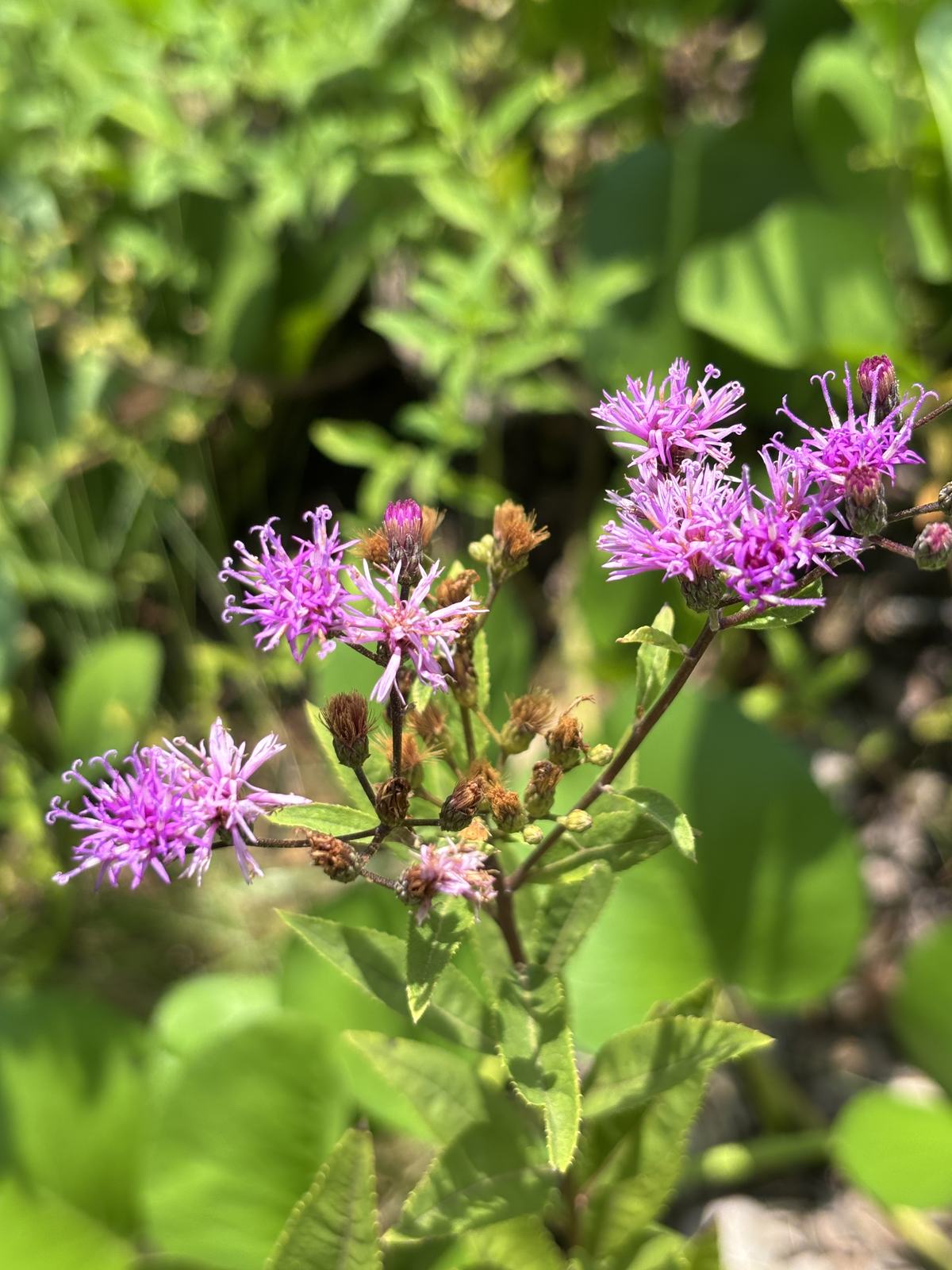
Giant Ironweed
Tall, deep purple, and impossible for pollinators to ignore. Back of the bed, and let it tower.
Native
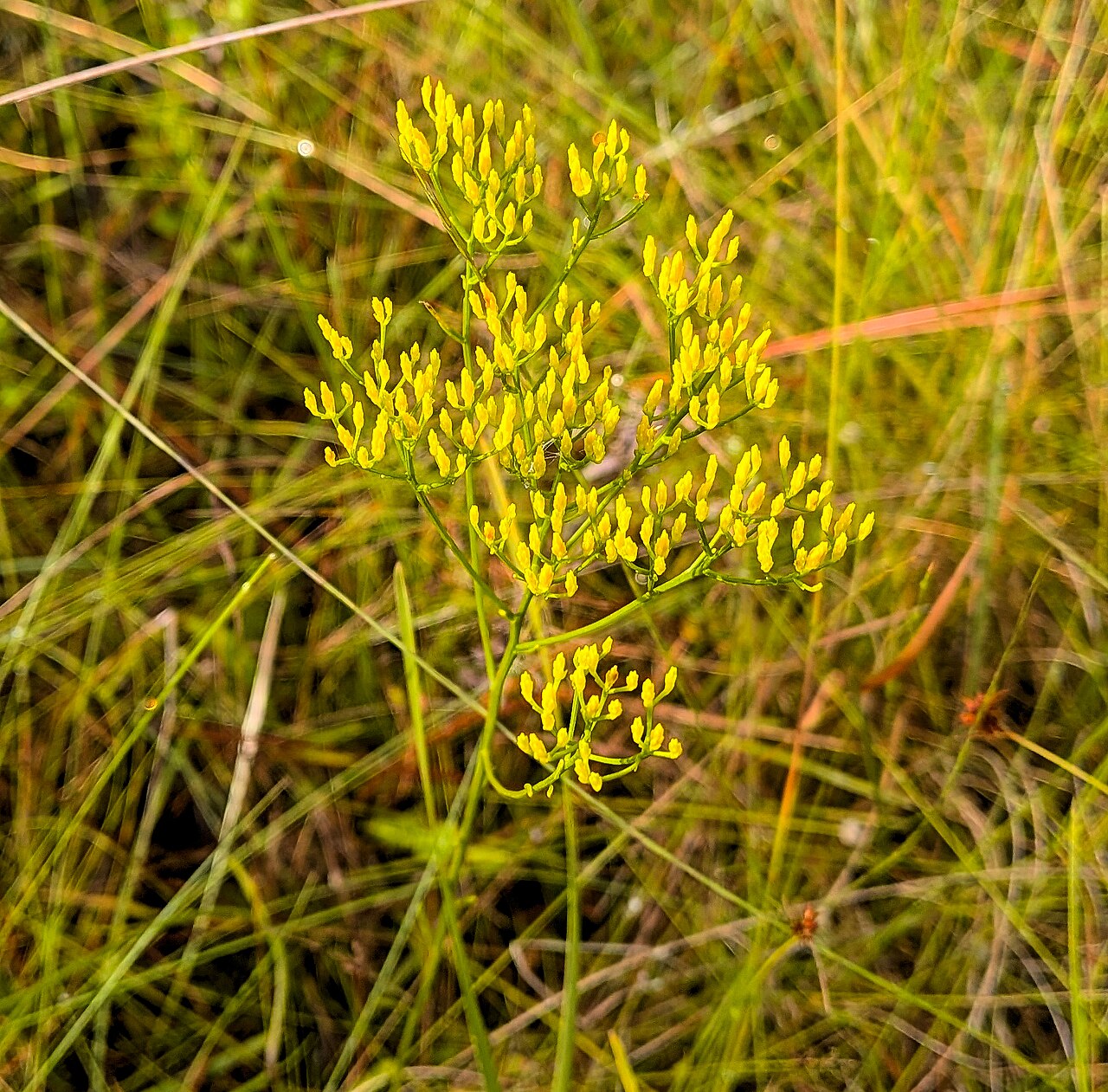
Yellowtop
Masses of gold that handle the damp spots most flowers won't touch.
Native
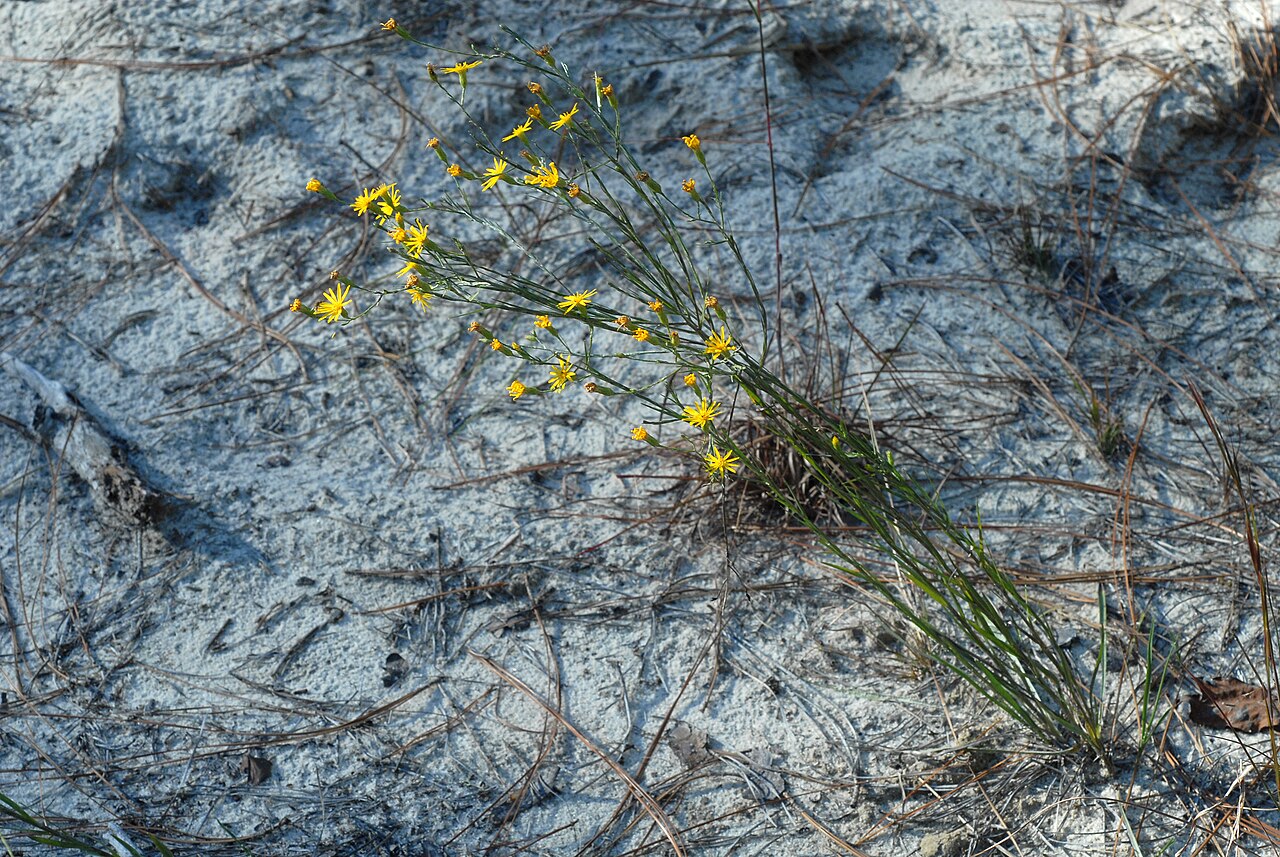
Narrowleaf Silkgrass
Silvery grass-like leaves and yellow fall flowers. It thrives on dry sand and neglect.
Native
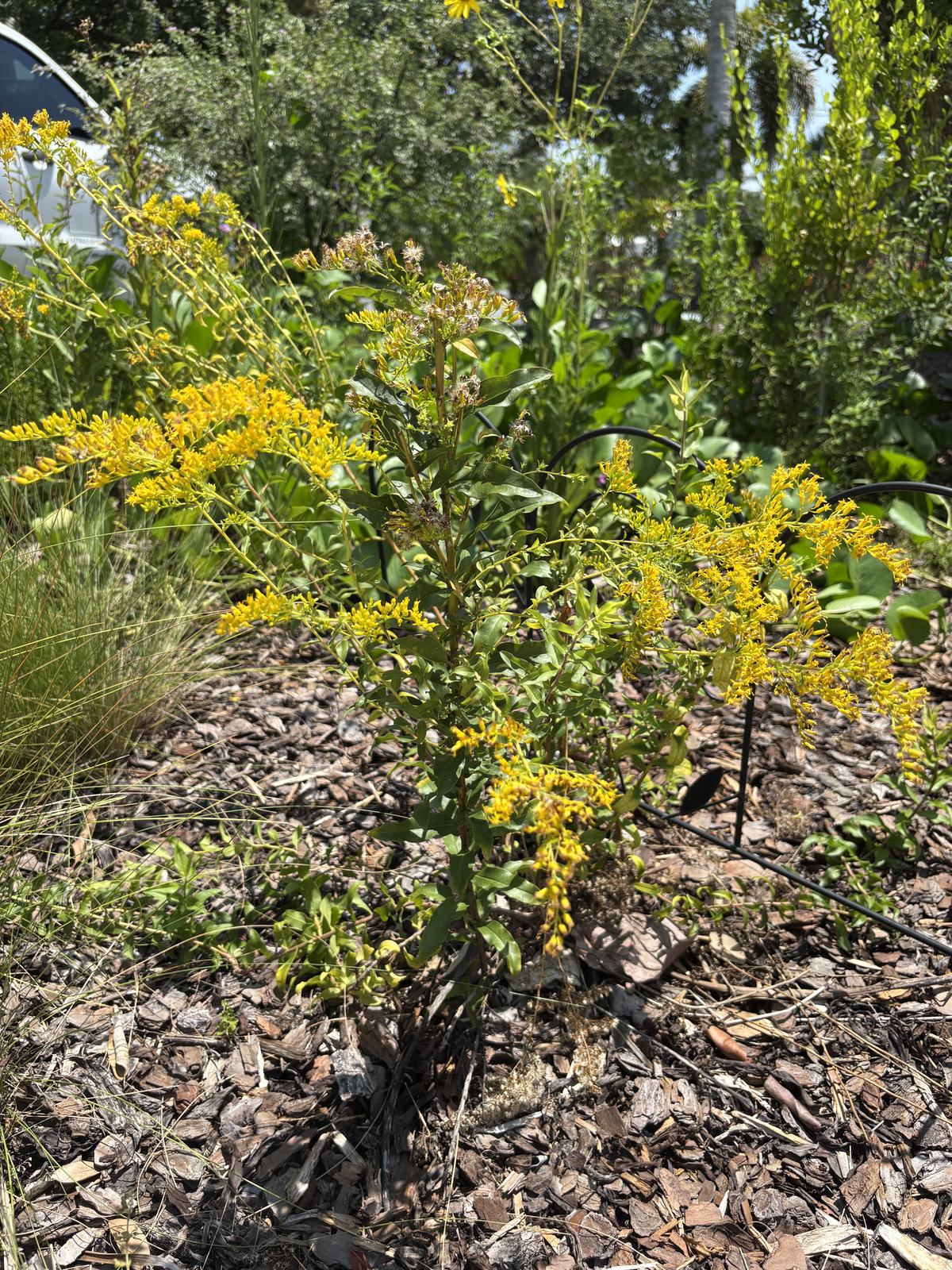
Goldenrod
Fall gold and one of the biggest pollinator banquets we can plant. Several native species, all welcome here.
Native
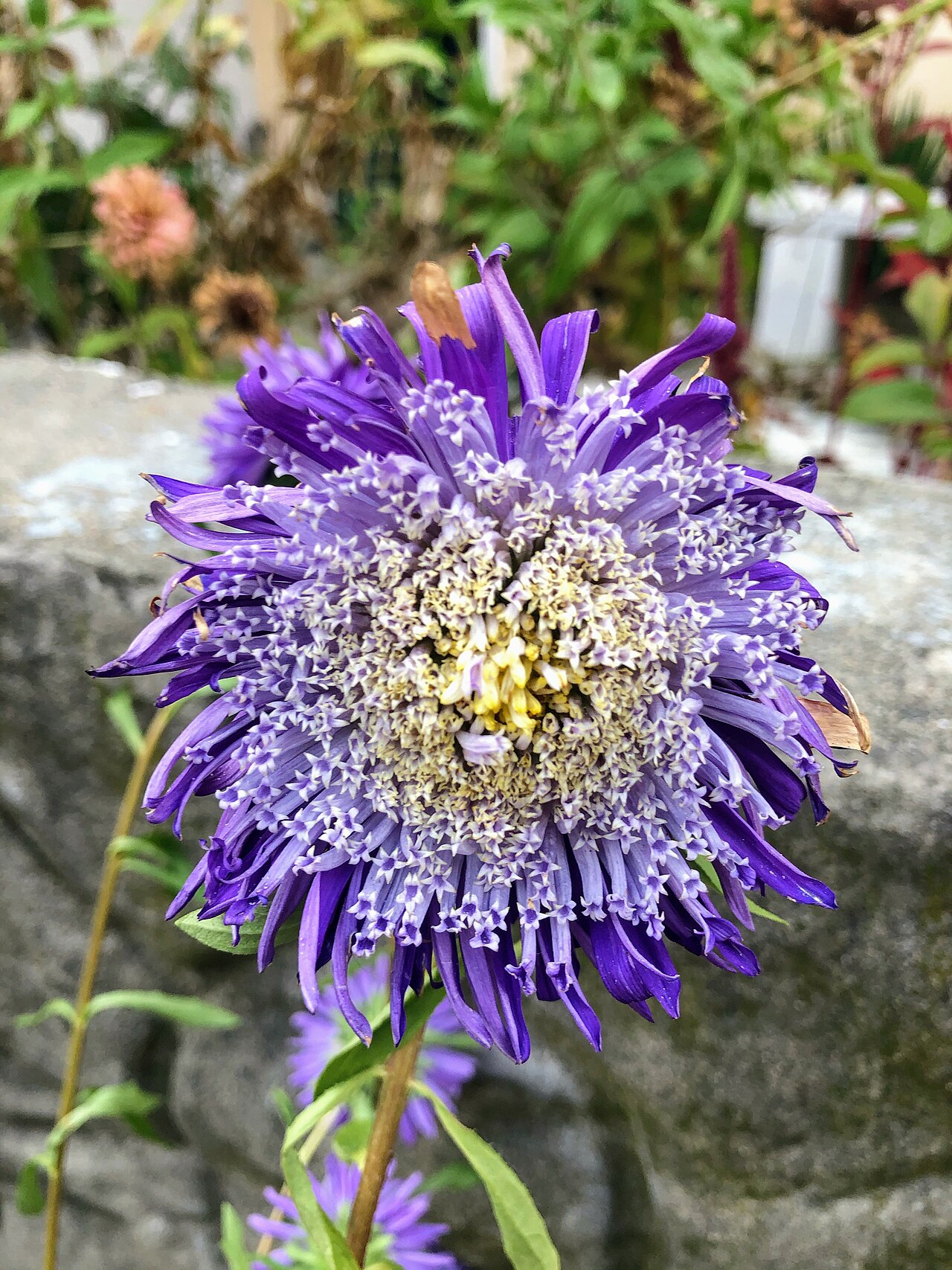
Stokes' Aster
Big lavender-blue blooms on a tidy plant that earns a front-row spot.
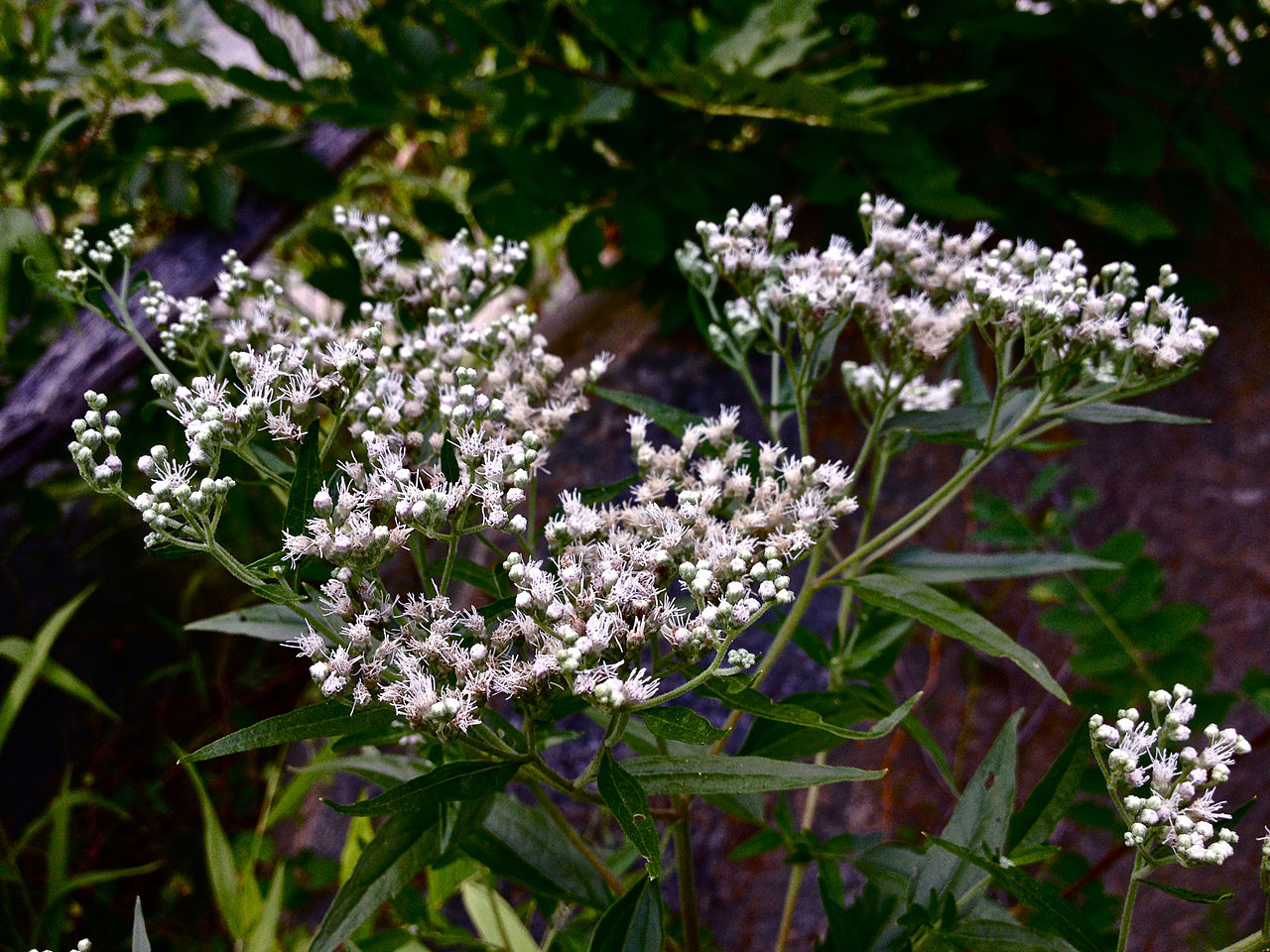
Native
Thoroughworts
Late-season clouds of white that feed everything still flying. Underrated on purpose.
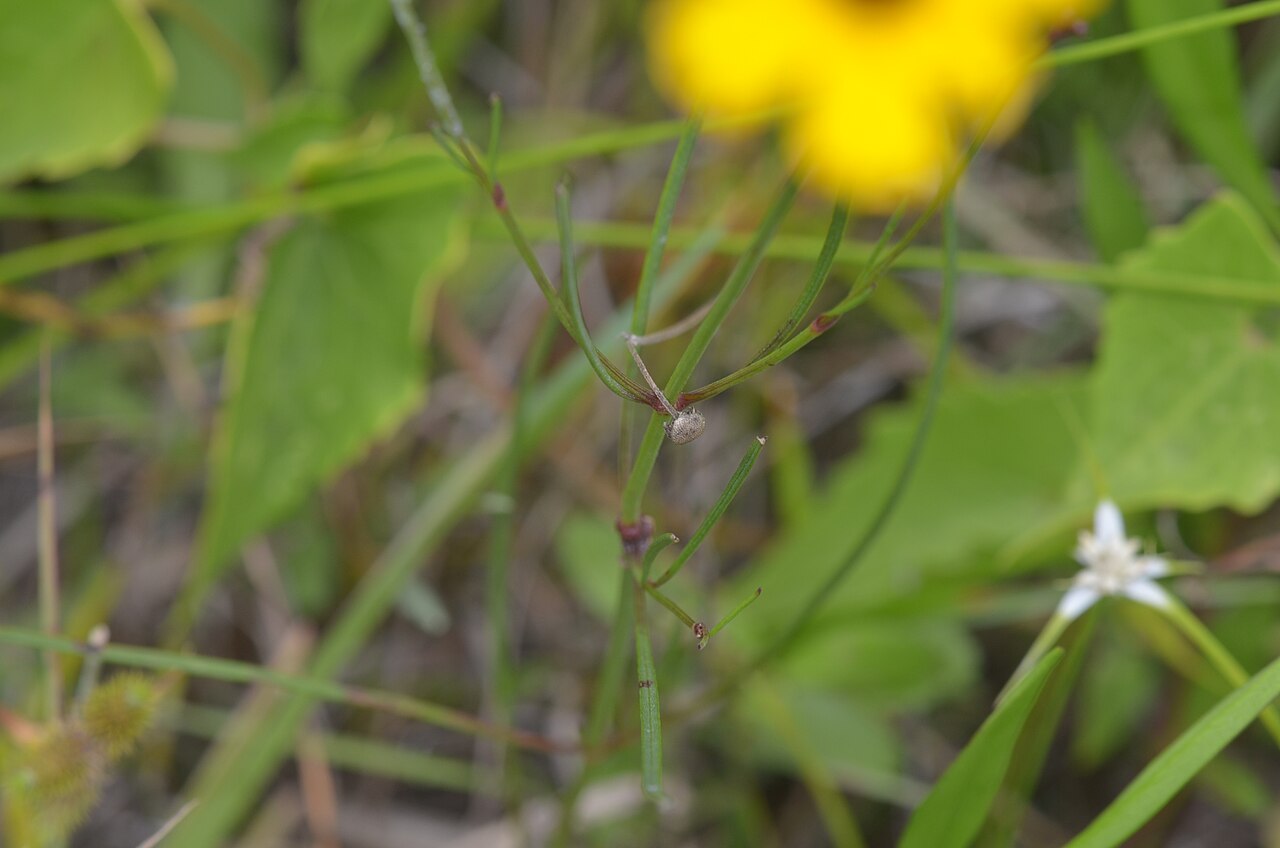
Native
Tickseed
Florida's official state wildflower, and it acts like it. Multiple native species, all easy gold.
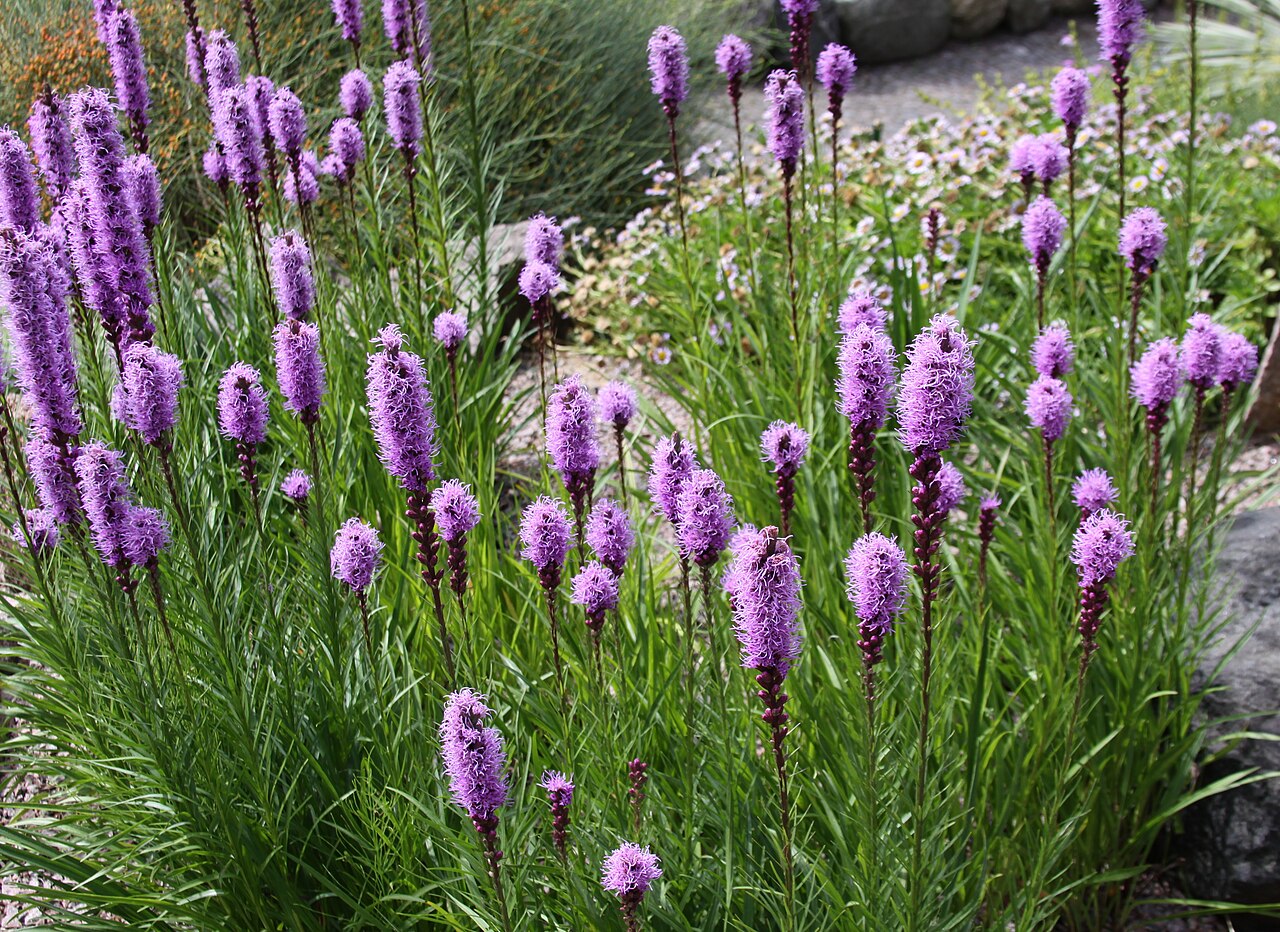
Native
Liatris
Purple bloom spikes that light up in fall, and migrating butterflies treat them like a rest stop. Multiple native species.
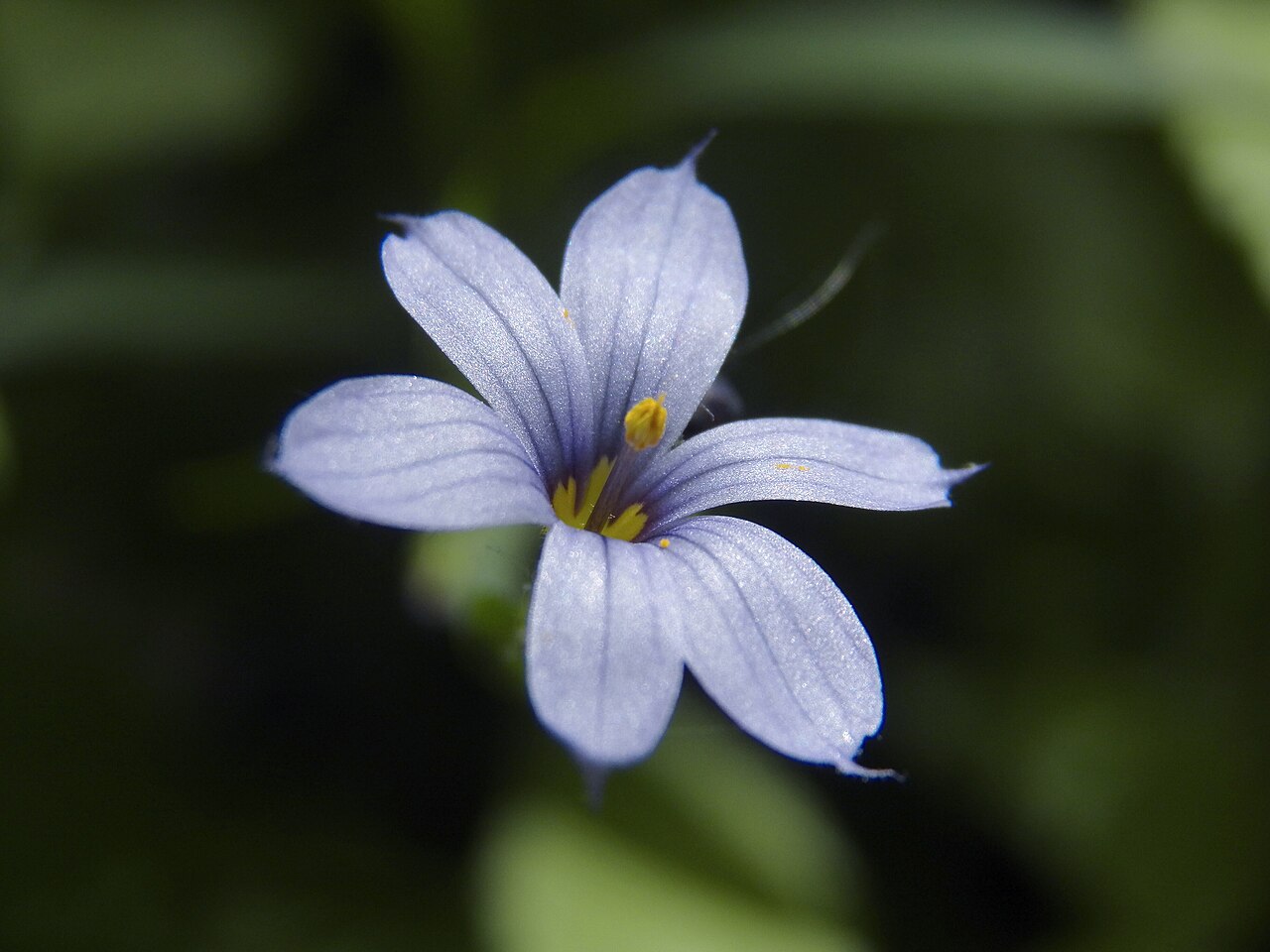
Native
Blue-Eyed Grass
A petite iris cousin for edges and borders. Little starry blue flowers over grassy tufts.
Native
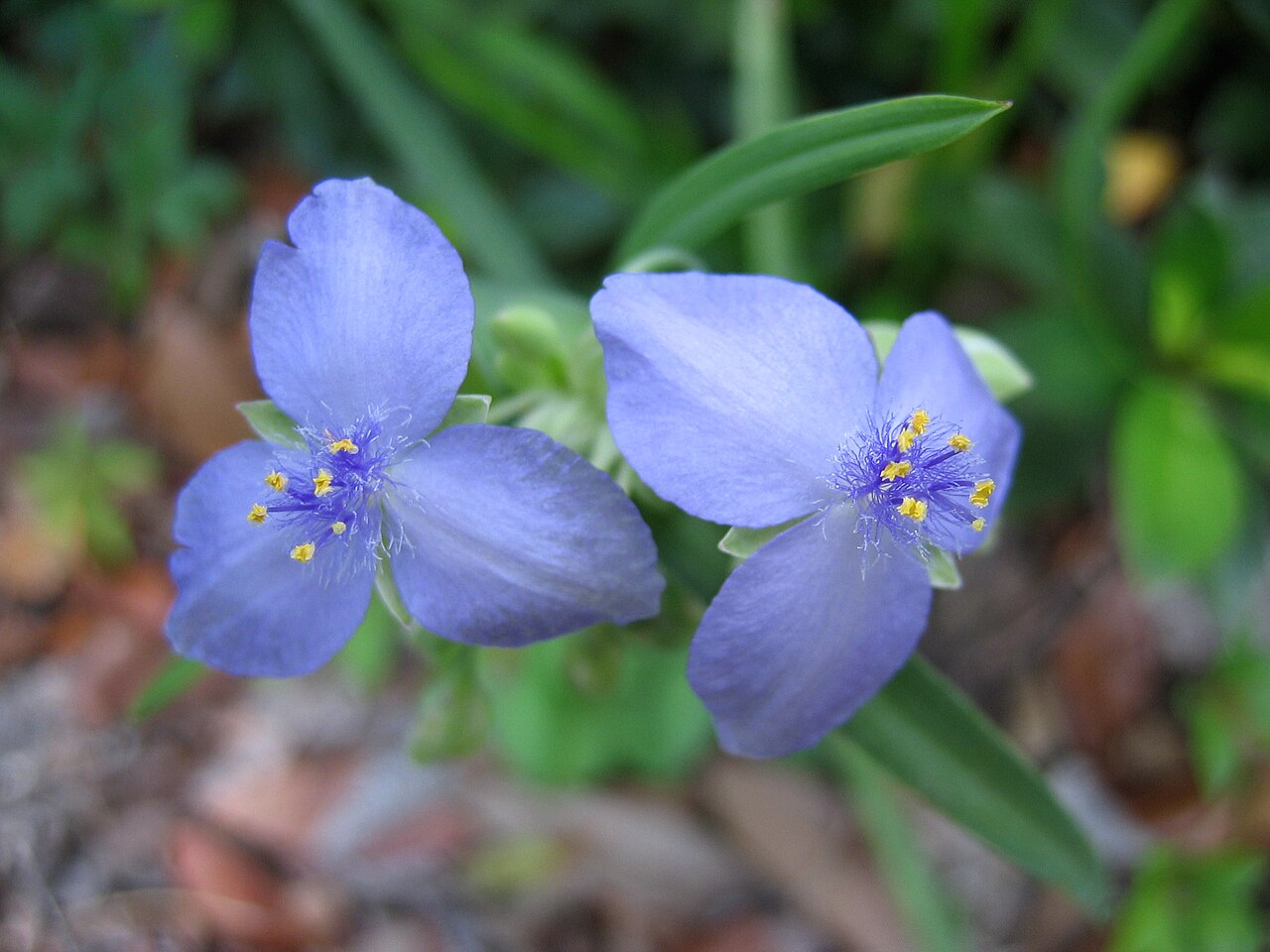
Spiderwort
Morning-blue three-petaled flowers on a plant that's nearly indestructible. Honest caveat: it reseeds everywhere. Wilder gardens only.
Native
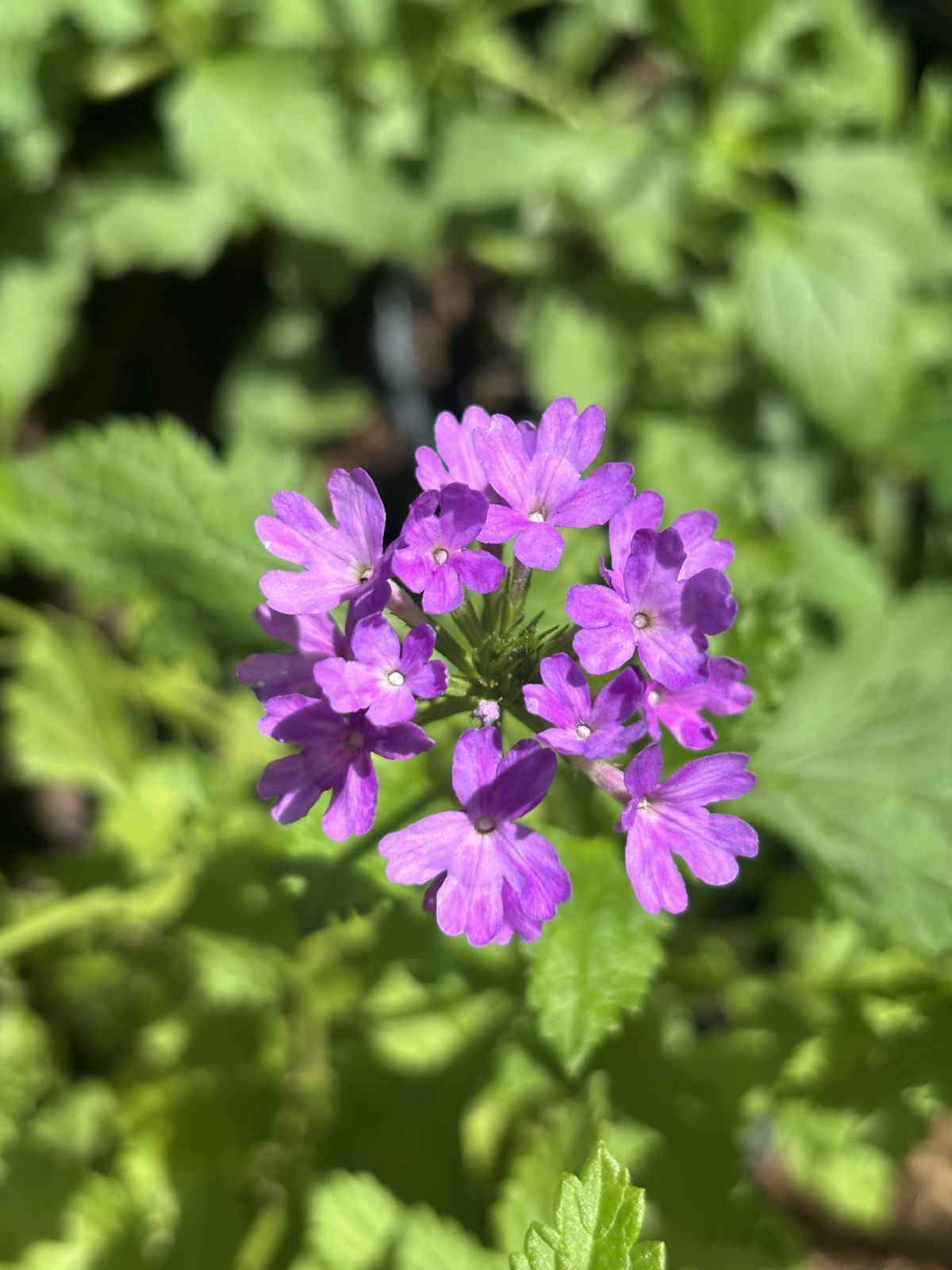
Beach Verbena
A purple-flowering coastal groundcover that takes salt, sun, and sand in stride.

Native
Calamint
A little aromatic native the bees adore, happiest in dry sand. Brush past it and you'll smell why it made the list.
Native
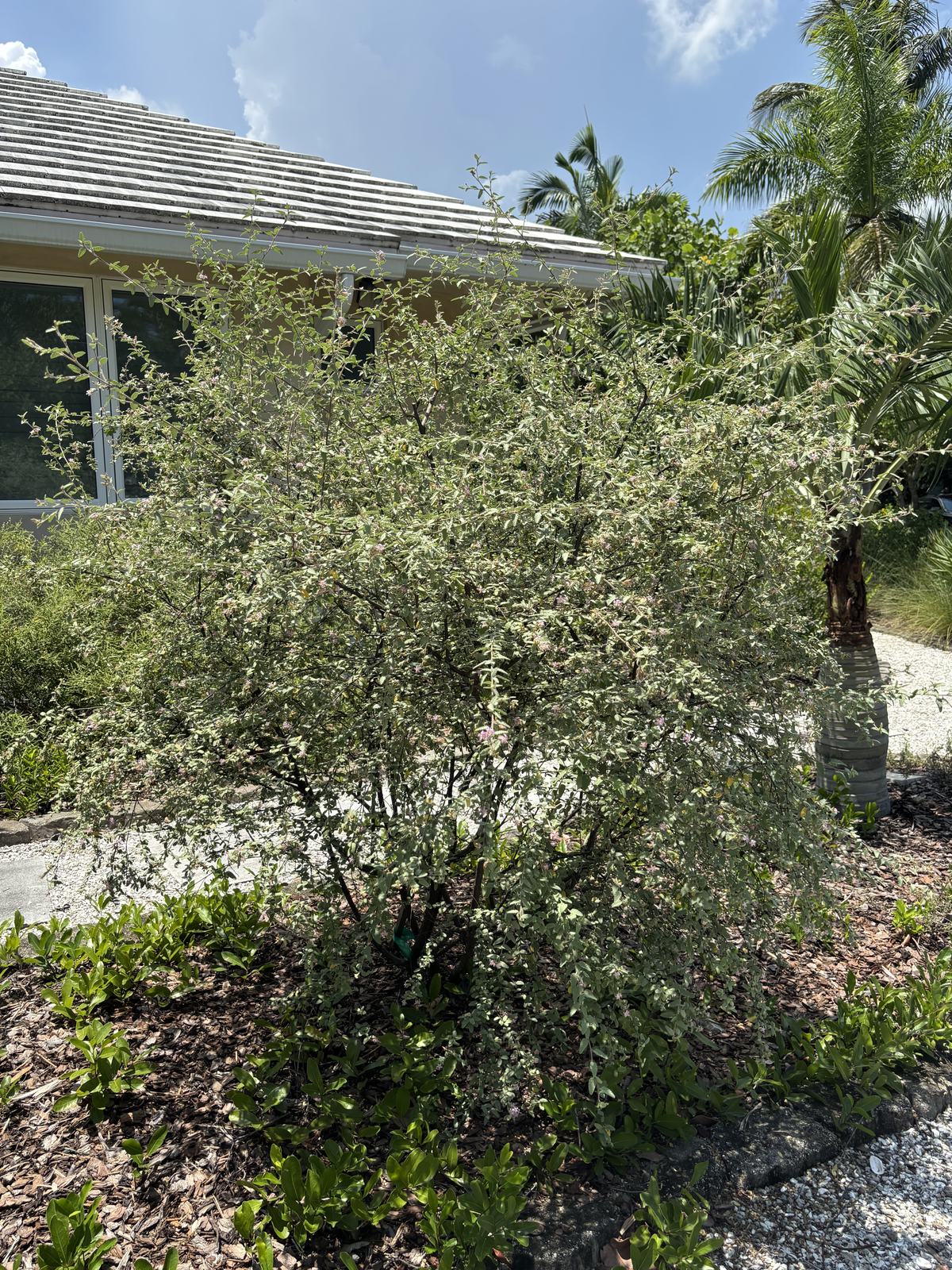
Grayleaf (Melochia tomentosa)
Soft silvery leaves and little violet blooms nearly year-round, with pollinators working it all day long. A dry, sandy-spot specialist that asks for almost nothing once it's in.
Tropical
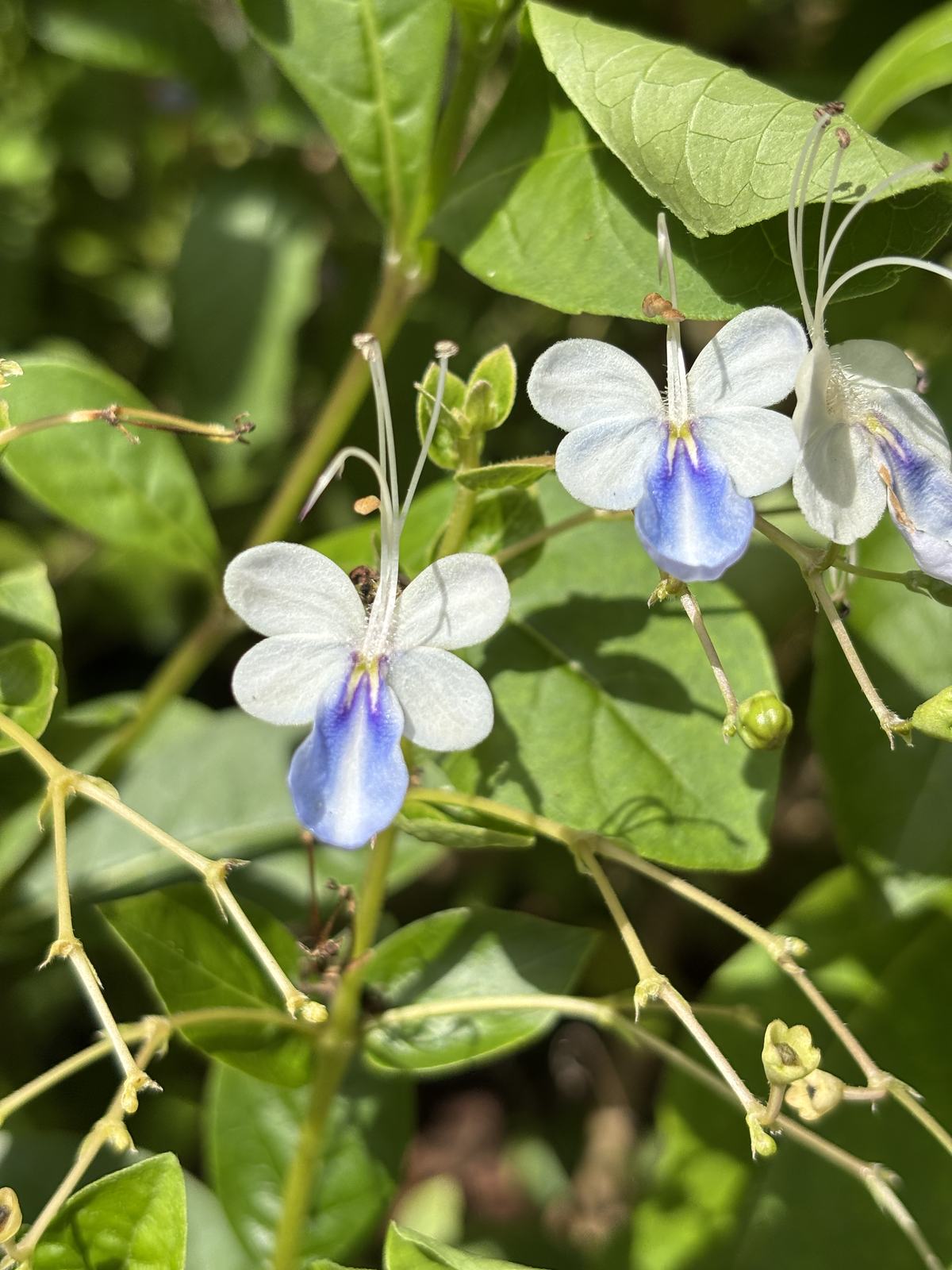
Blue Butterfly Clerodendrum
Little blue flowers shaped exactly like butterflies taking off. A soft, airy shrub for part shade.
Tropical
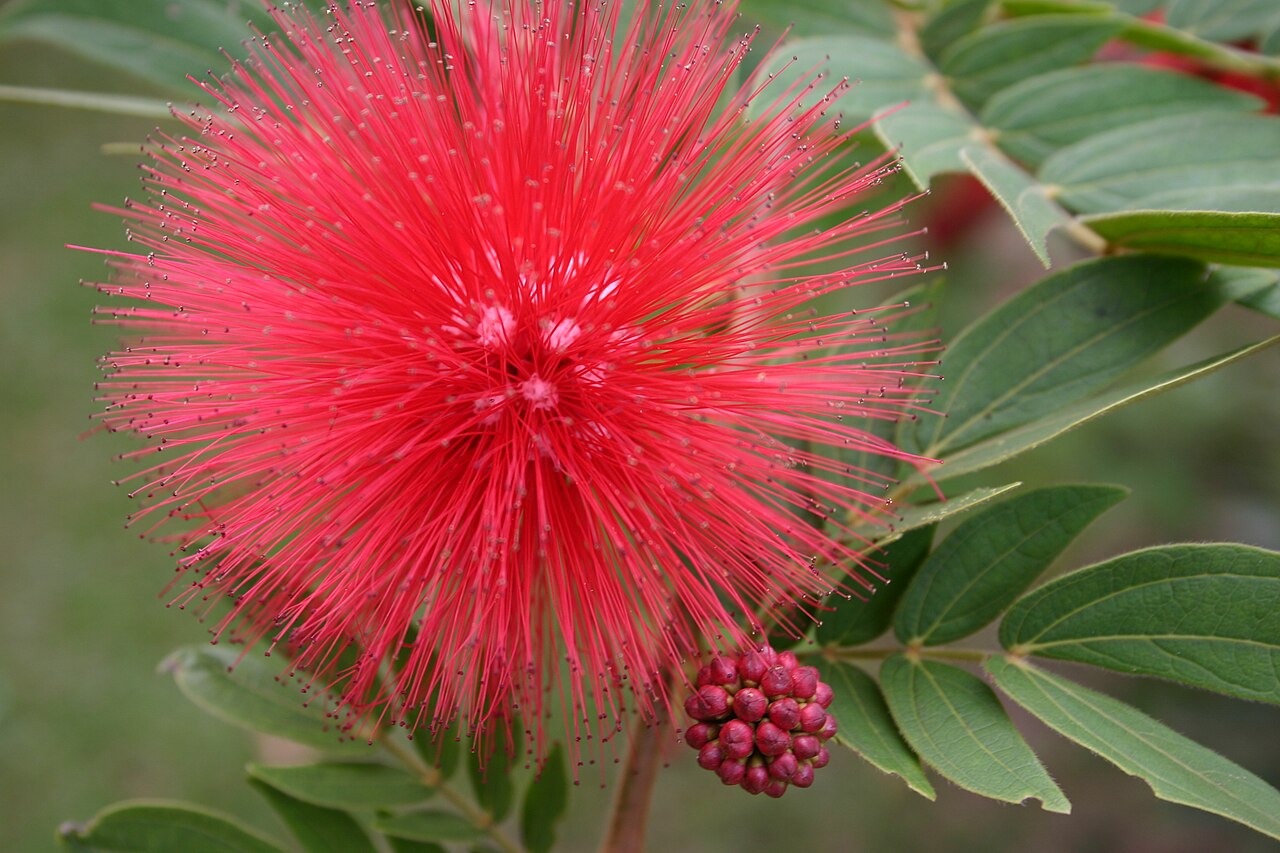
Red Powderpuff
Big crimson puffs the hummingbirds can't leave alone, blooming through the cool months when gardens need it most.
Tropical
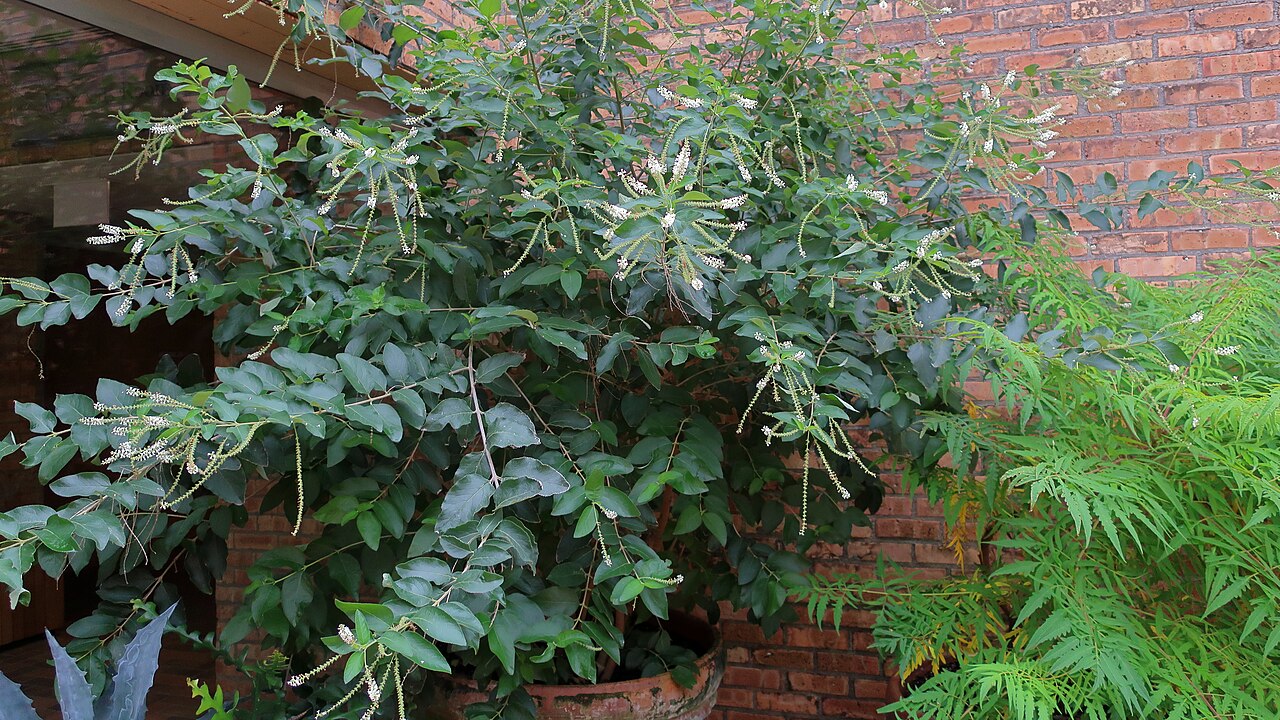
Sweet Almond Bush (Aloysia virgata)
White flower spikes with one of the best fragrances in any garden, and the pollinators agree.
Tropical
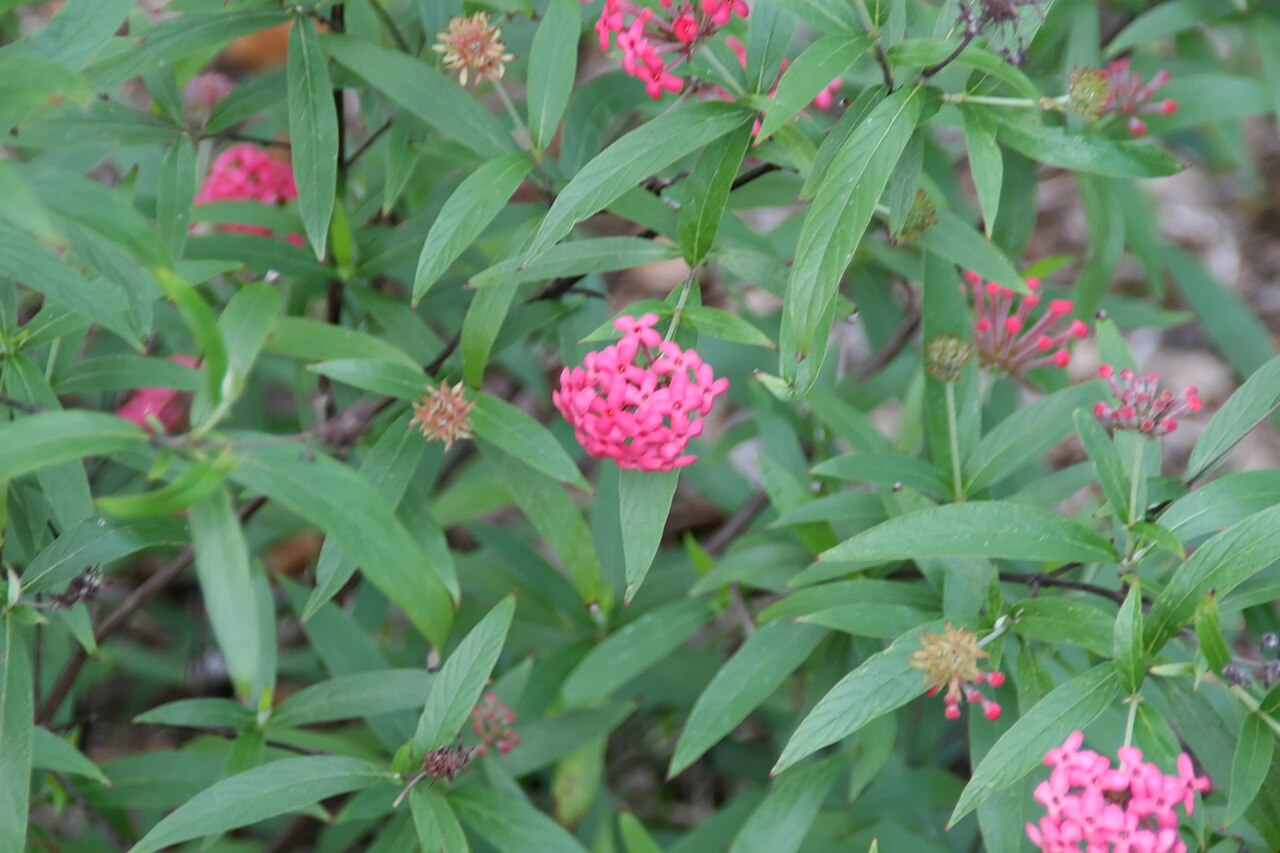
Panama Rose (Rondeletia leucophylla)
Clusters of pink that just keep coming, with evening fragrance as the bonus.
Tropical
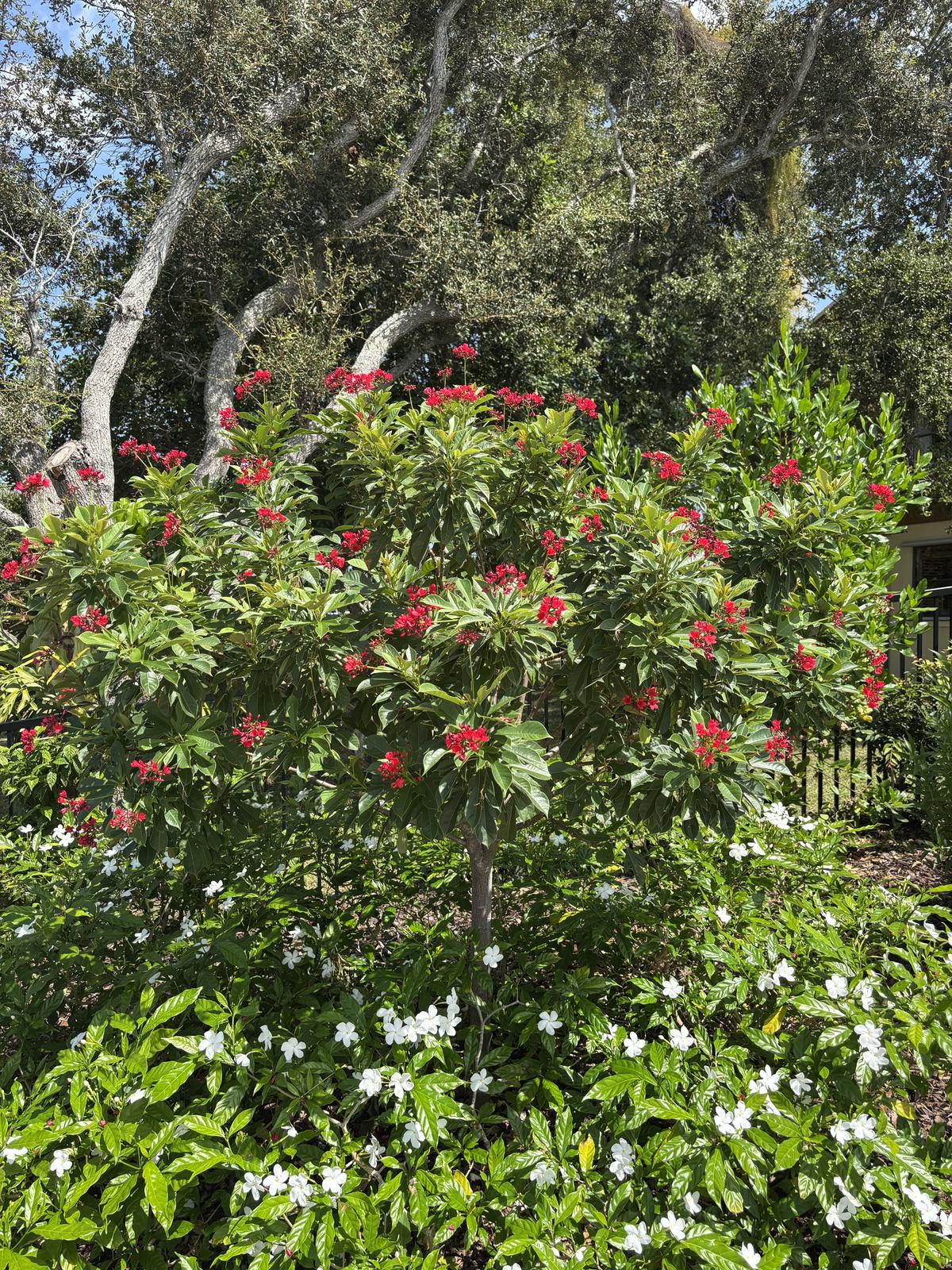
Jatropha (Jatropha integerrima)
Nonstop red blooms and butterflies all over it, in a compact tree or shrub form.
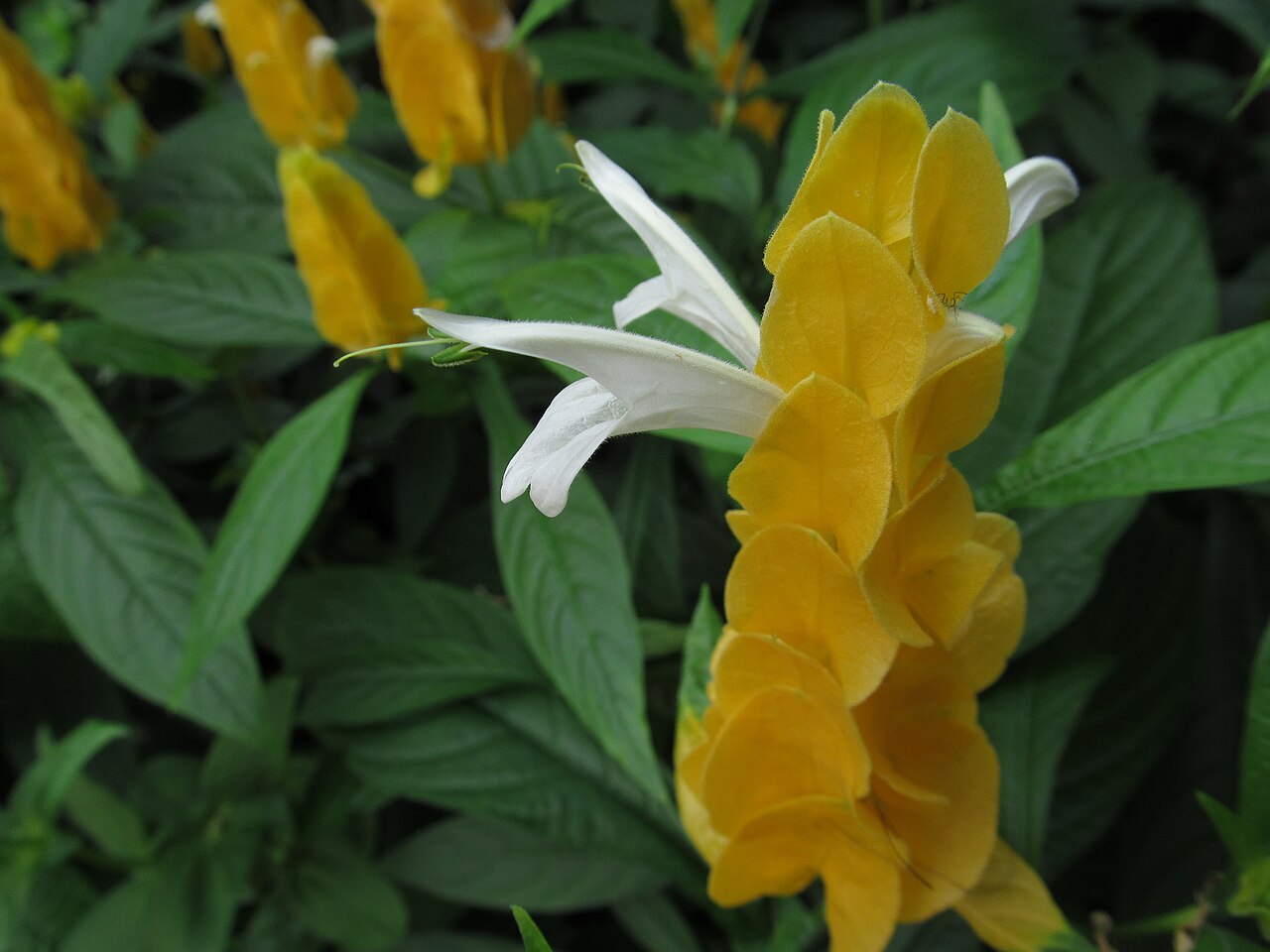
Tropical
Golden Shrimp Plant (Pachystachys lutea)
Golden flower spikes that glow in part shade and keep the hummingbirds coming back.
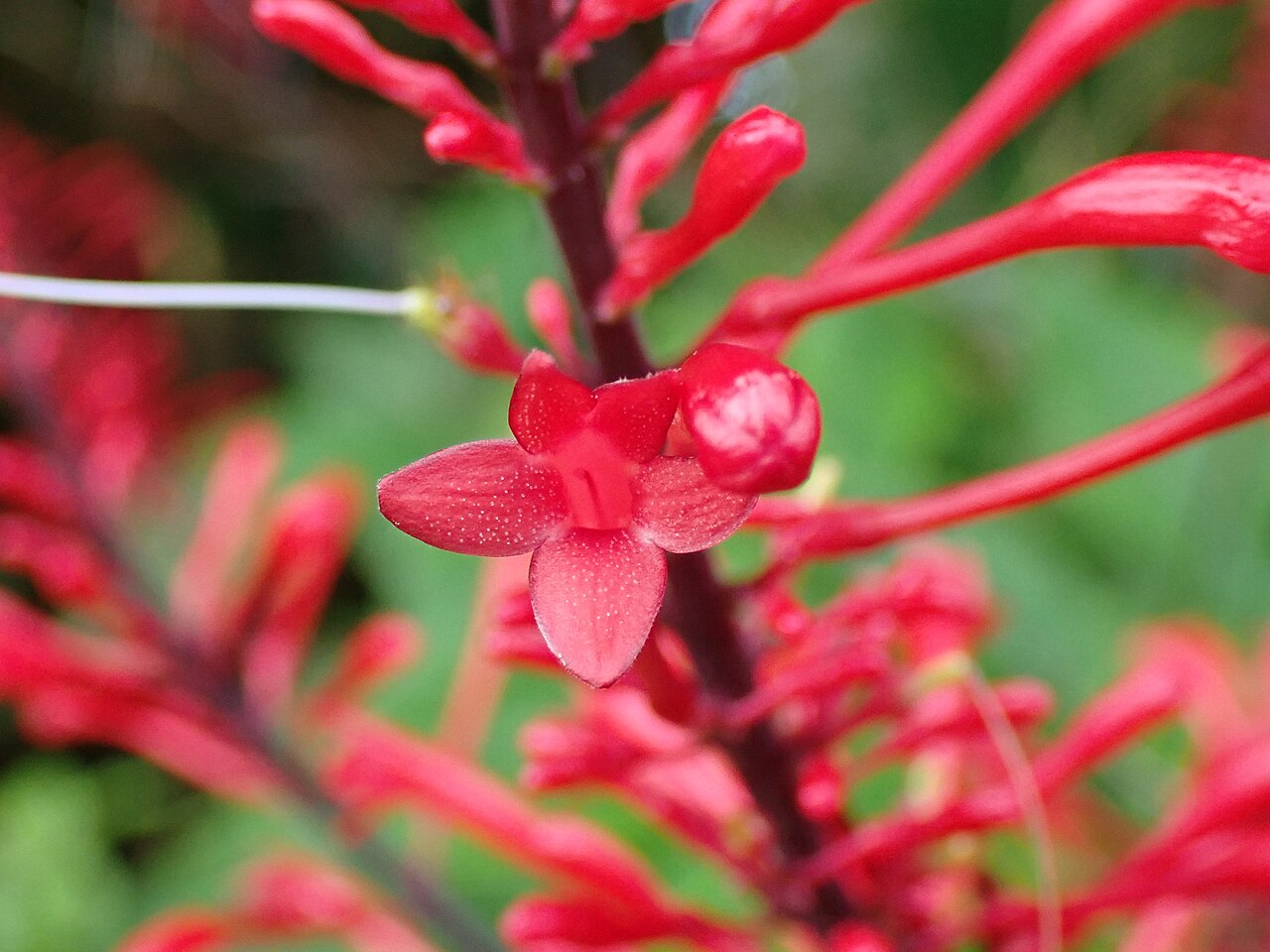
Tropical
Firespike (Odontonema strictum)
Tall red spikes in fall and winter, happy in shade, and hummingbird approved.
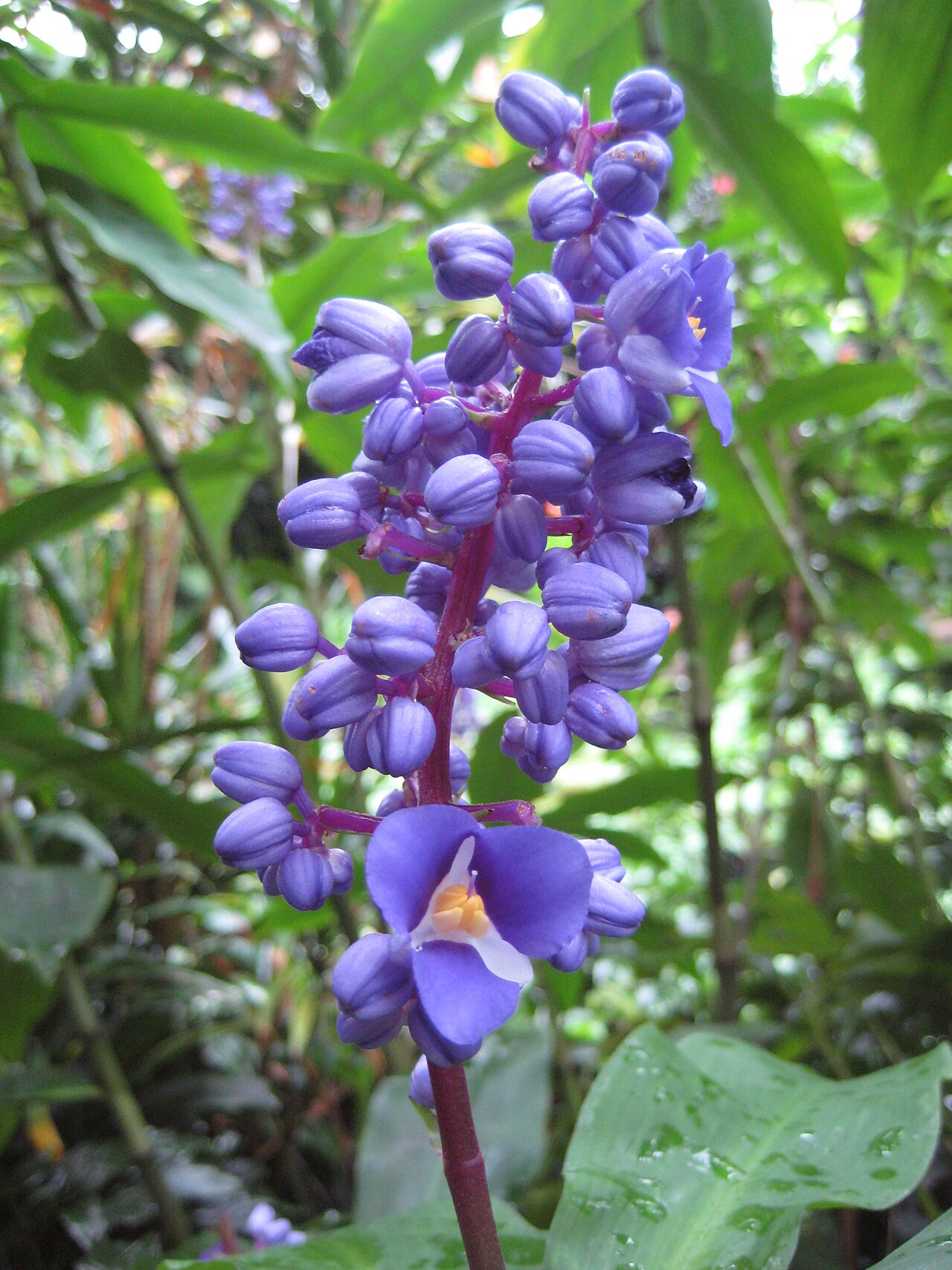
Tropical
Blue Ginger (Dichorisandra thyrsiflora)
Not a true ginger, but those deep violet-blue spikes are unreal in a shady tropical bed.
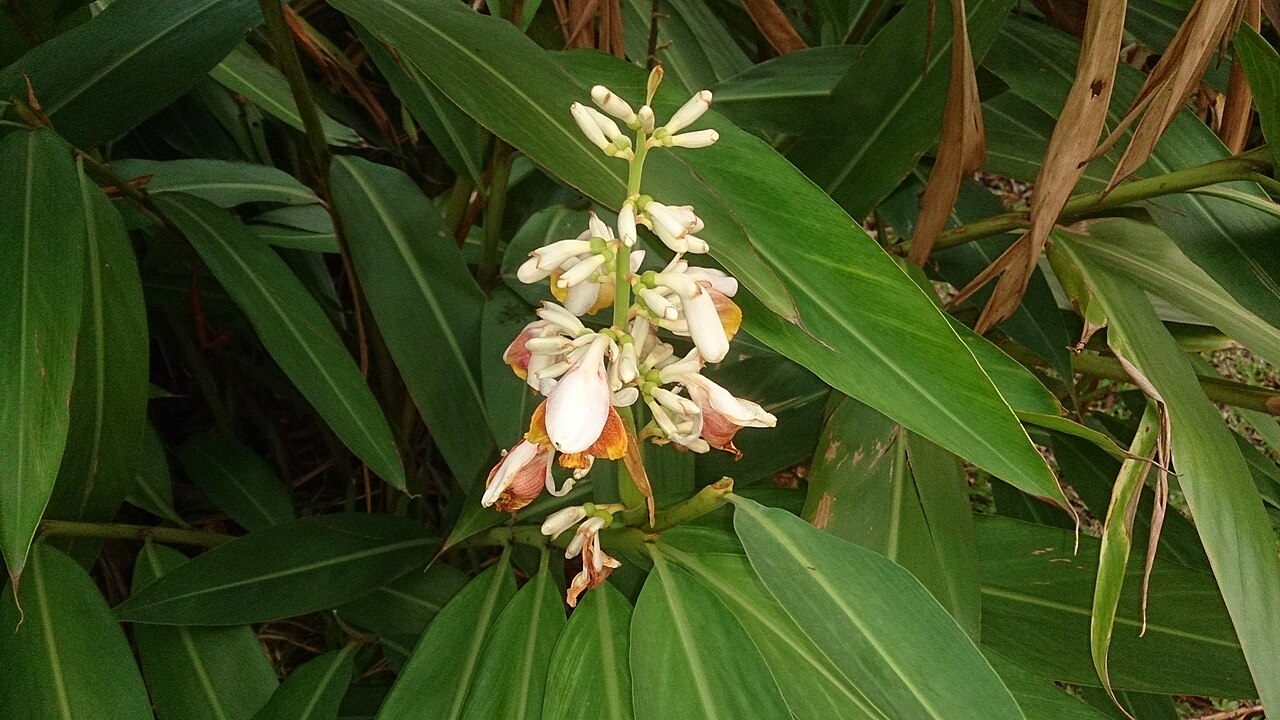
Tropical
Shell Ginger (Alpinia zerumbet)
Arching canes and shell-pink flower strands. The variegated form lights up a green corner.

Tropical
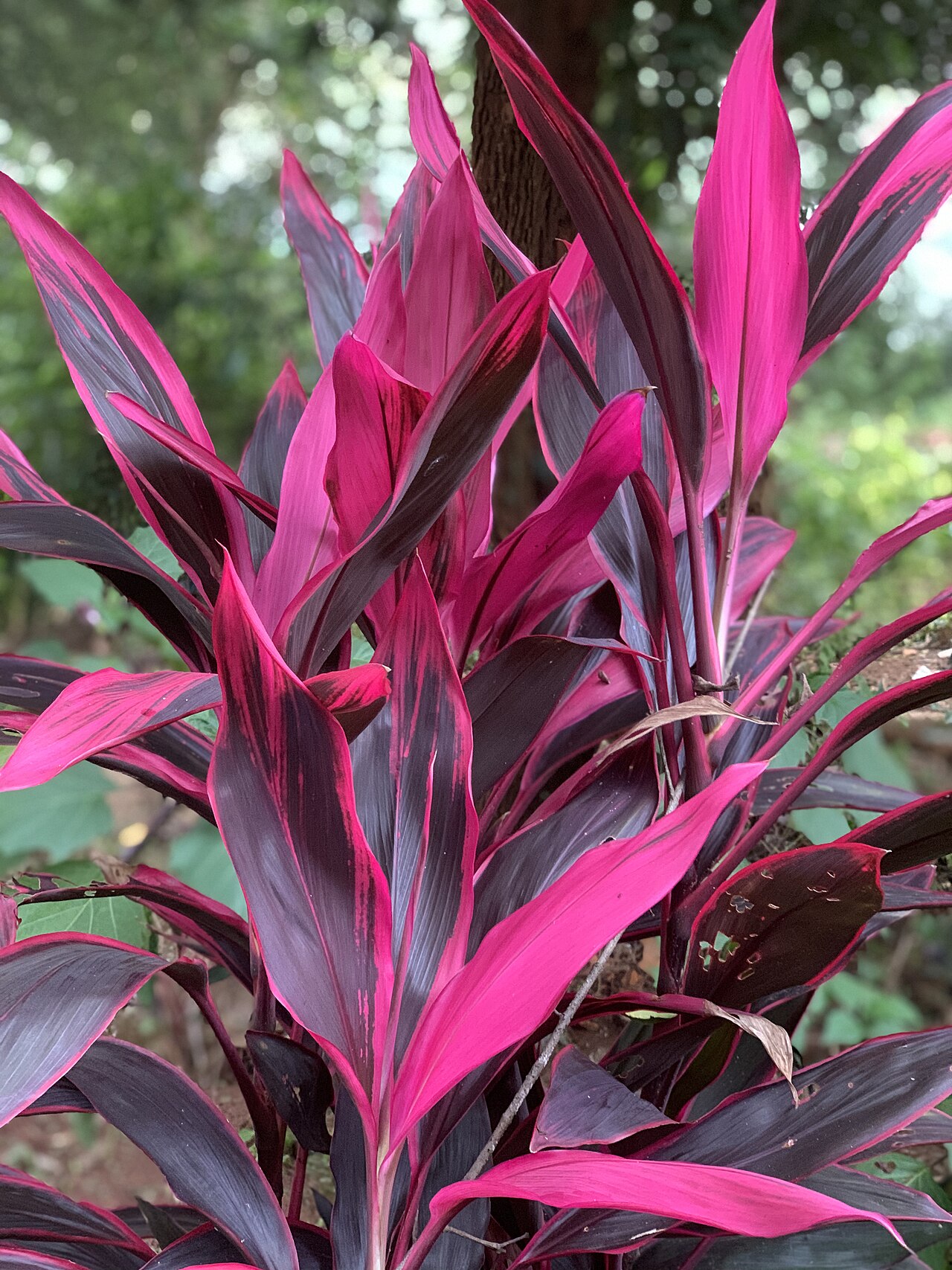
Hawaiian Ti Plant (Cordyline fruticosa)
Color that never needs a flower. Burgundy and pink foliage that reads instantly tropical.
Tropical
Red Sister Ti (Cordyline fruticosa)
The Ti with the boldest hot-pink new growth. A designer staple for a reason.
Tropical
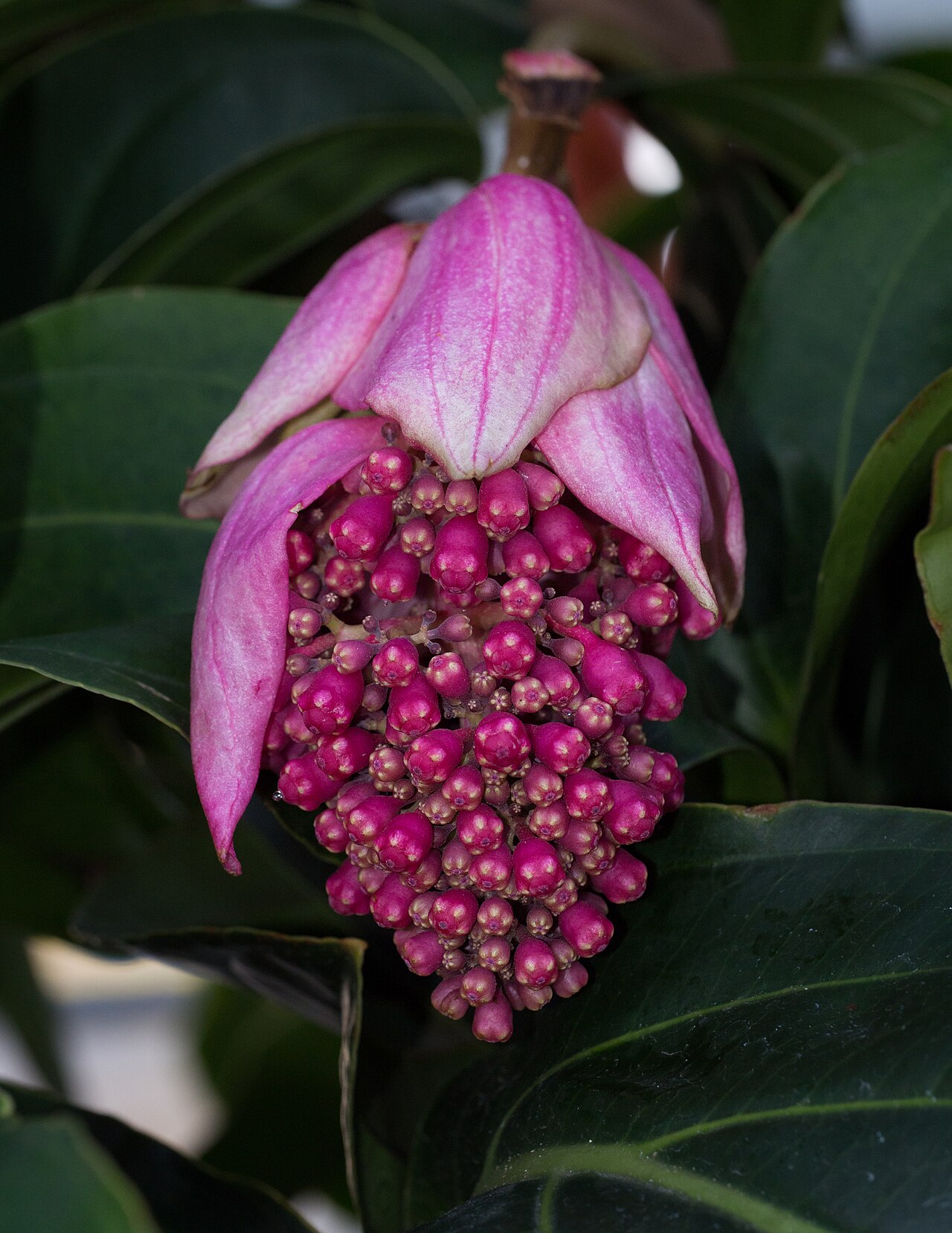
Medinilla (Medinilla magnifica)
Hanging pink chandeliers of bloom. A showpiece that wants bright shade and a little babying.
Tropical
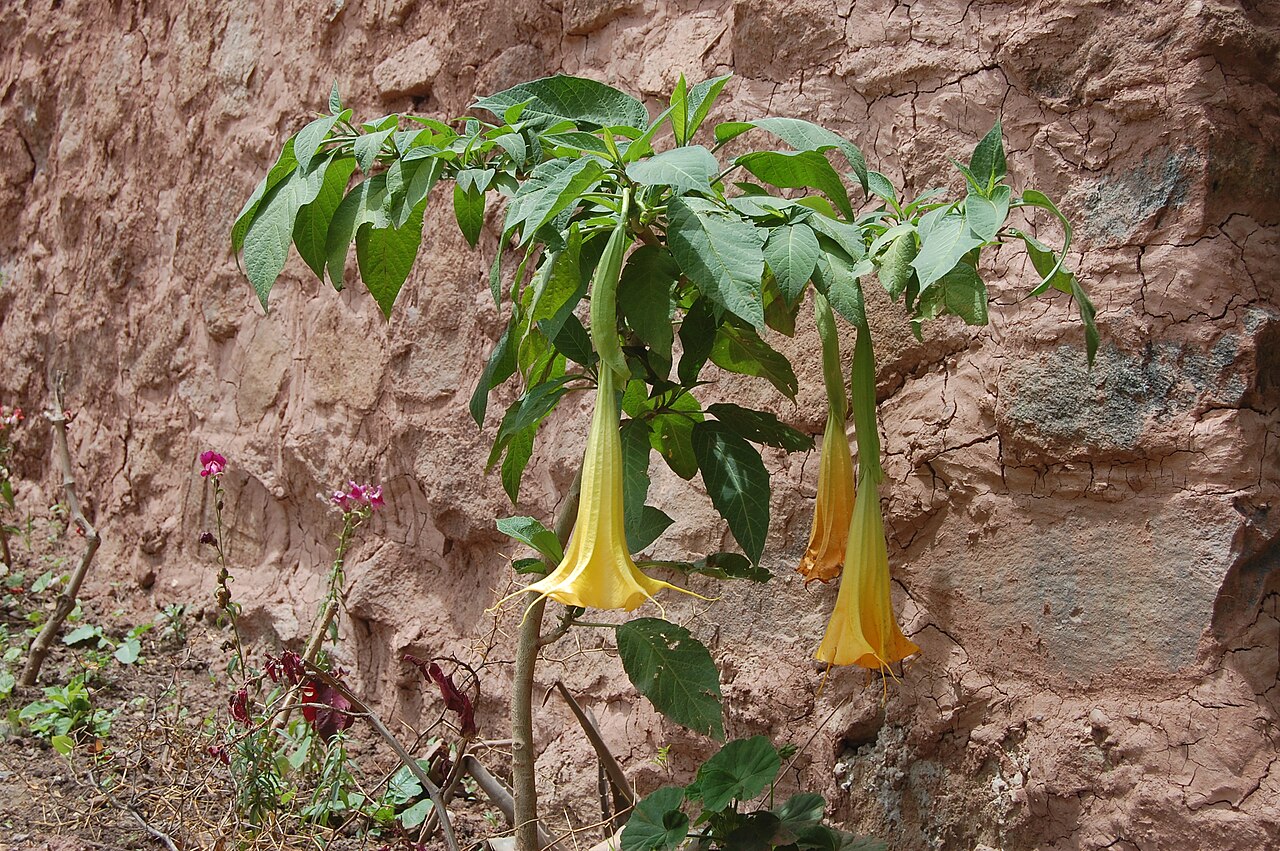
Angel's Trumpet (Brugmansia)
Huge hanging trumpets with an evening perfume you'll smell across the yard. Honest caveat: every part of this plant is poisonous, so it's not the pick for a yard with curious kids or pets.

Tropical
Dwarf Allamanda
Big golden trumpets almost year-round on a shrub that shrugs off heat.
Tropical
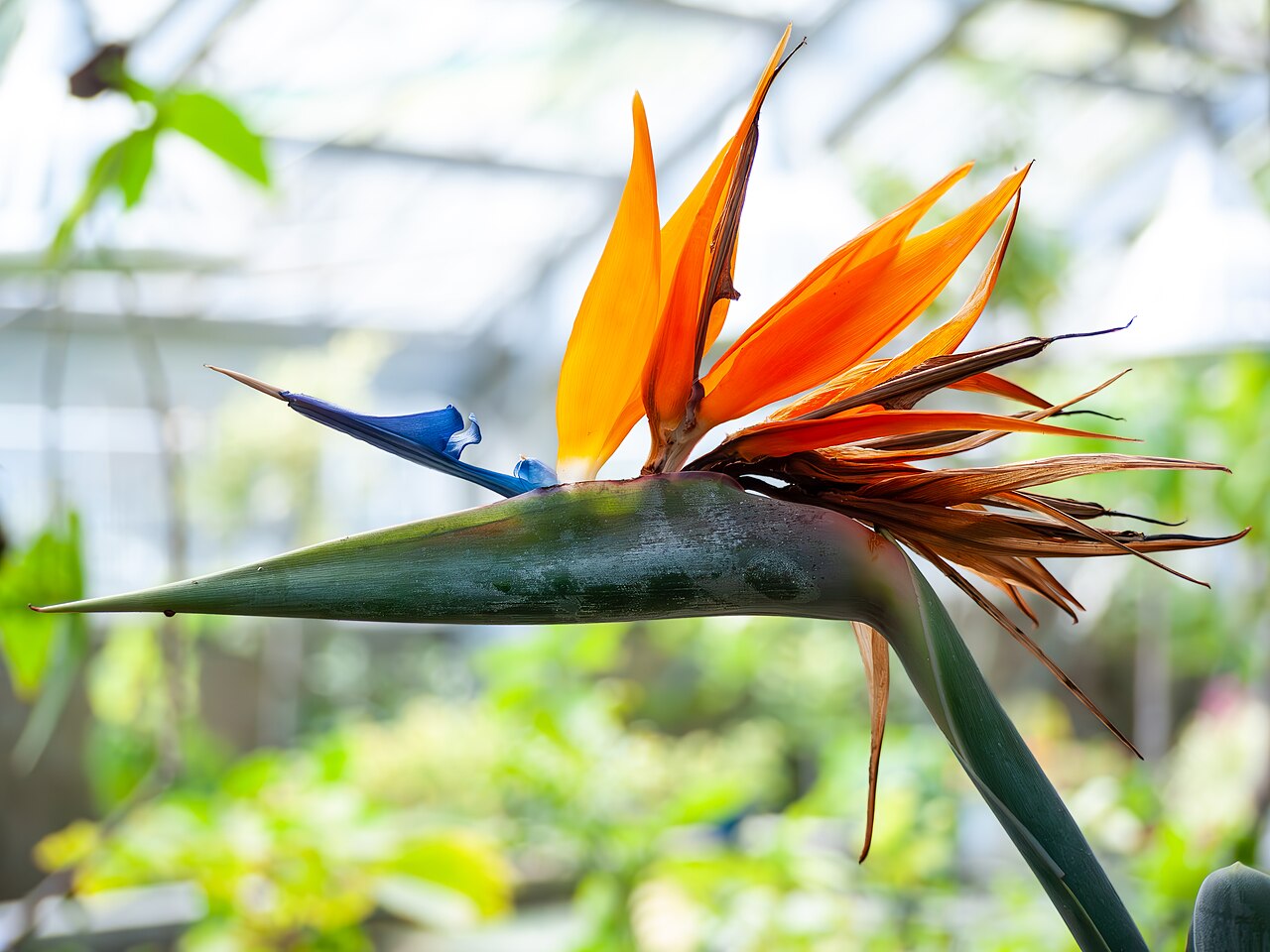
Bird of Paradise (orange)
The classic. Orange and blue crane-head blooms over bold paddle leaves say tropical louder than anything.
Tropical
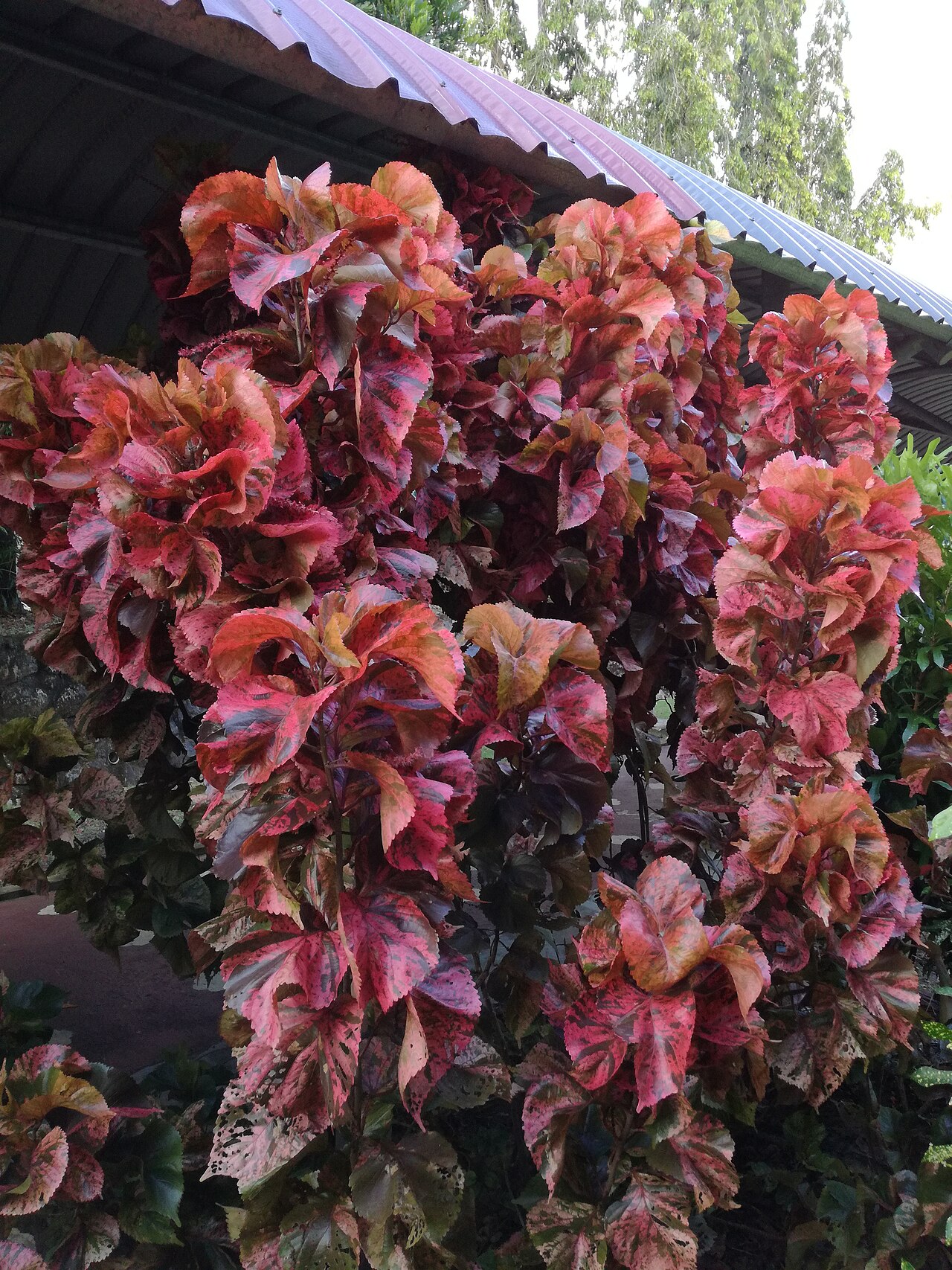
Copperleaf (Acalypha wilkesiana)
Foliage in copper, red, and bronze that outcolors most flowers.
Tropical
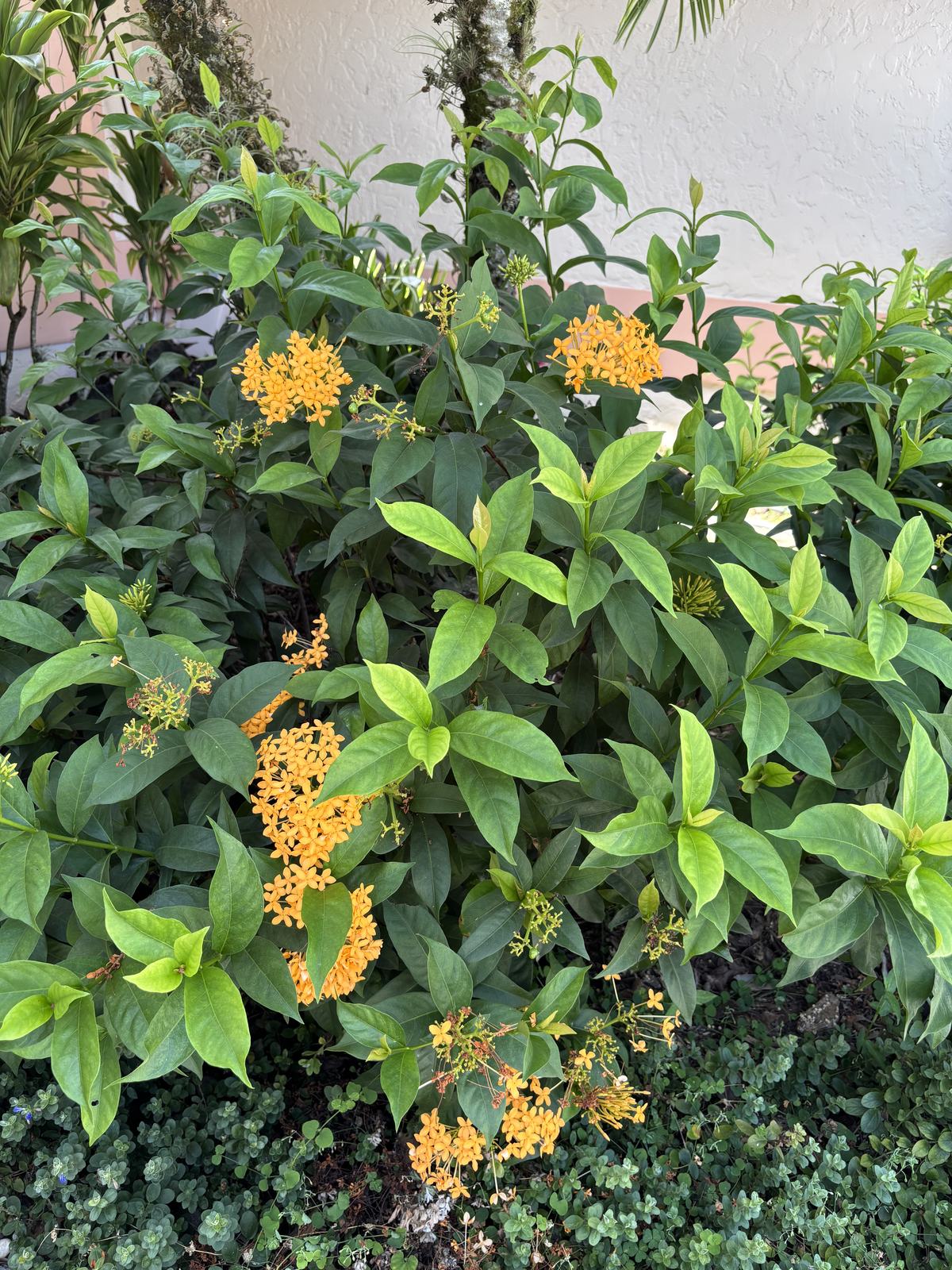
Ixora
The workhorse bloomer of South Florida, in every warm color. It wants acidic soil, so feeding it right is the trick.
Tropical
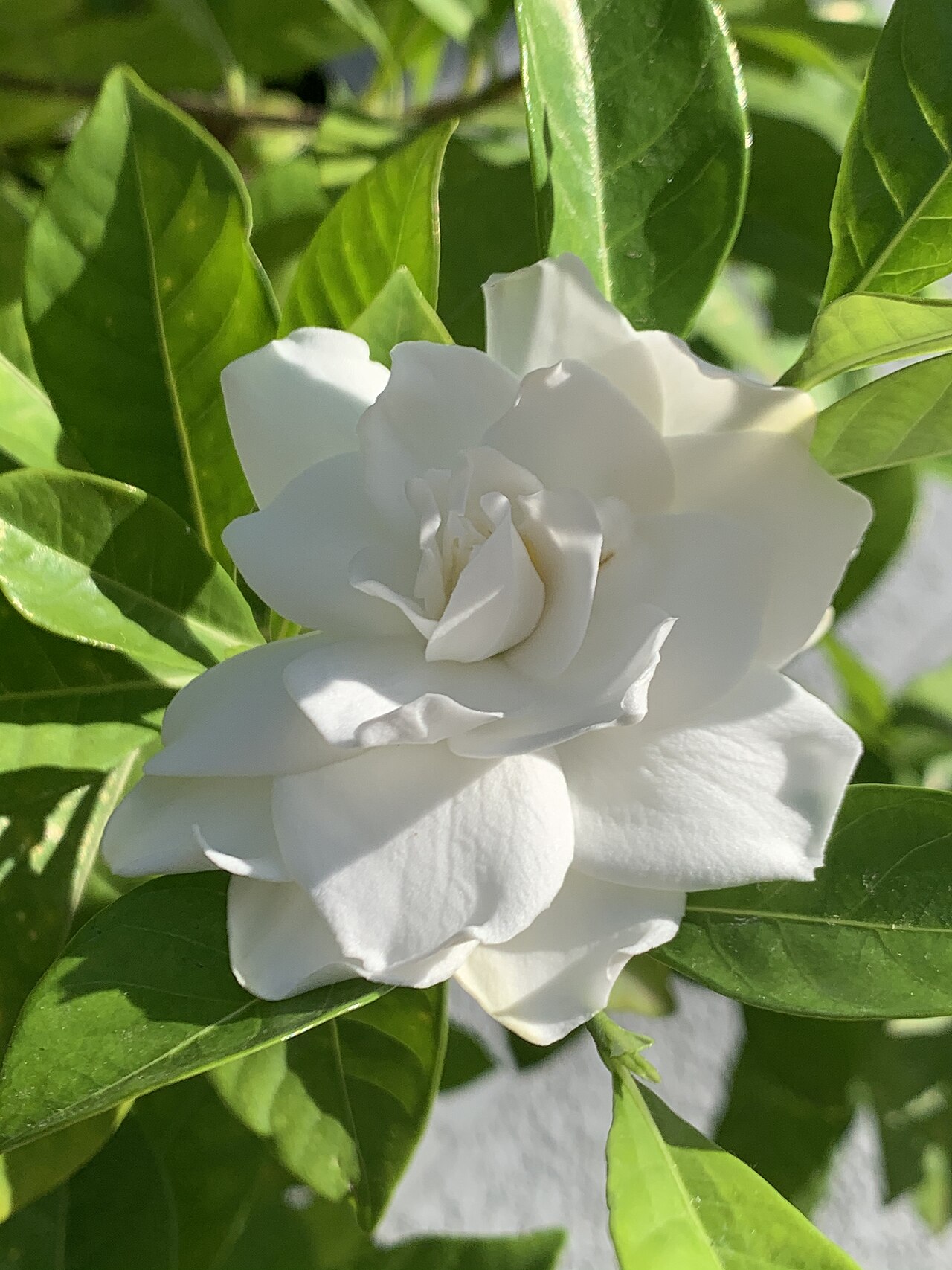
Gardenia
That fragrance. Glossy leaves, white spiraled blooms, and a scent that stops people mid-walk. Grafted plants do best here.
Tropical
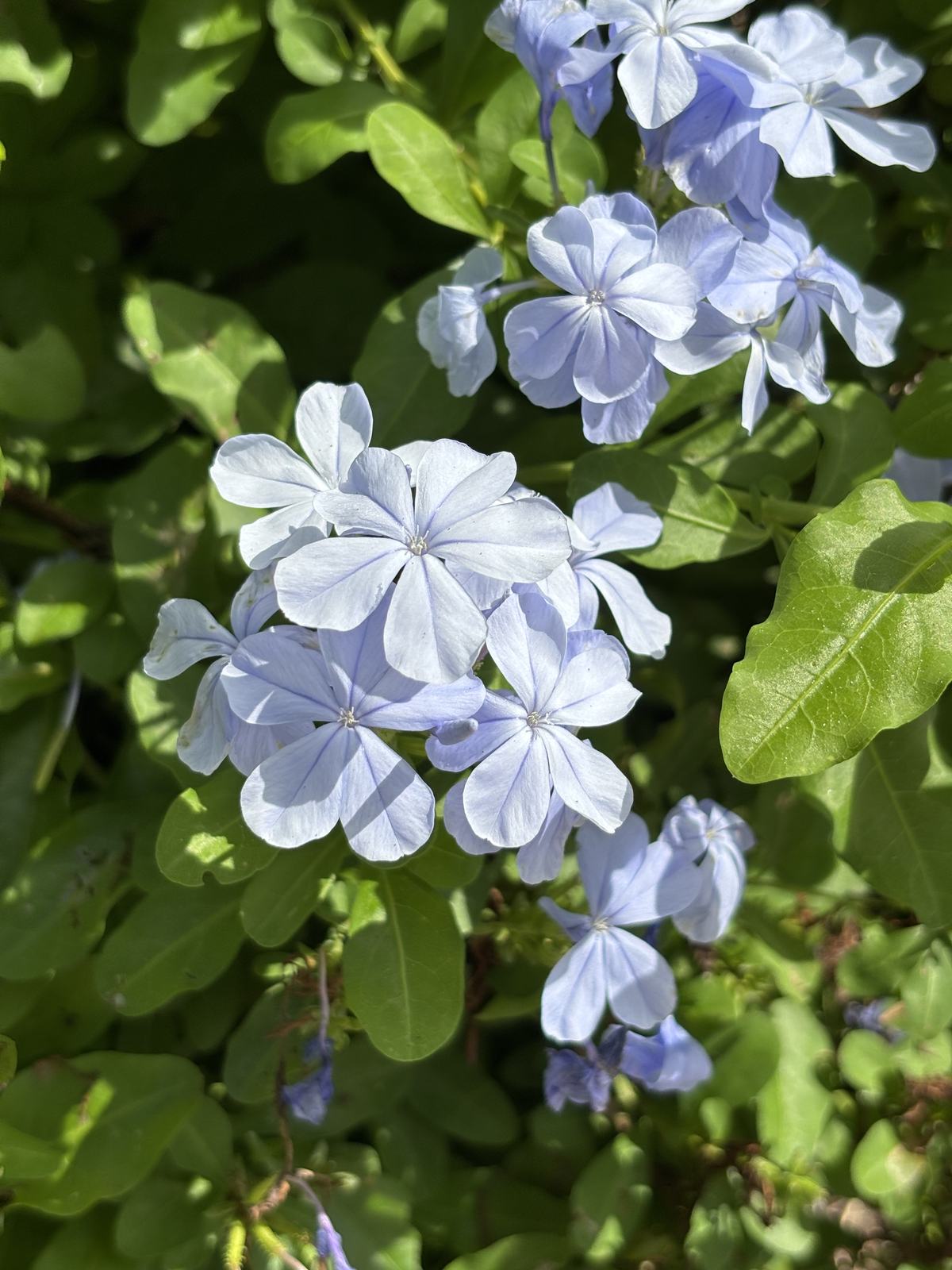
Plumbago
Sky-blue flowers on a soft, sprawling shrub that blooms nearly all year and feeds the butterflies.
Tropical
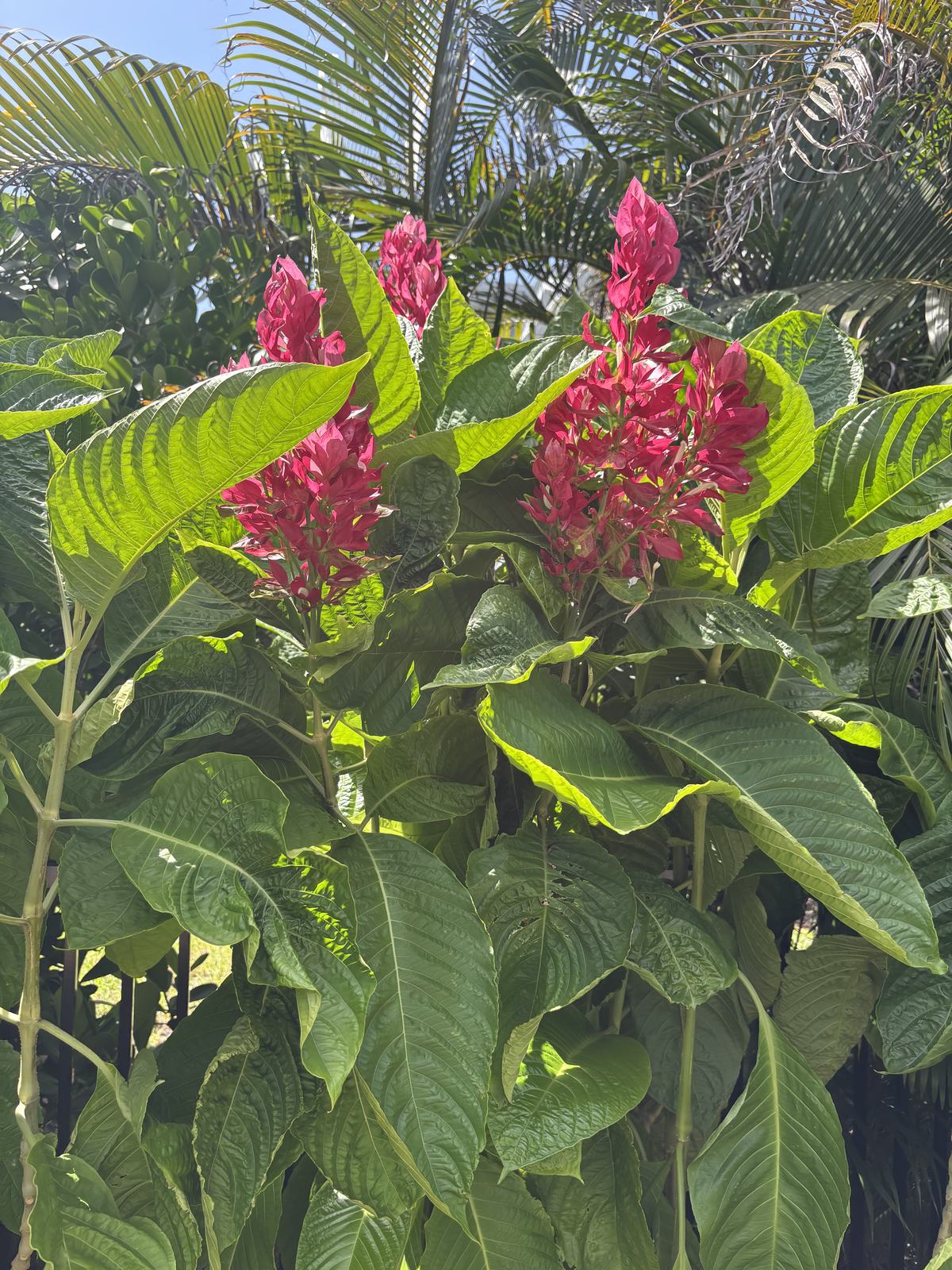
Brazilian Red Cloak
Dramatic red bloom panels on a big, bold shrub. A statement plant for a warm corner.
Tropical
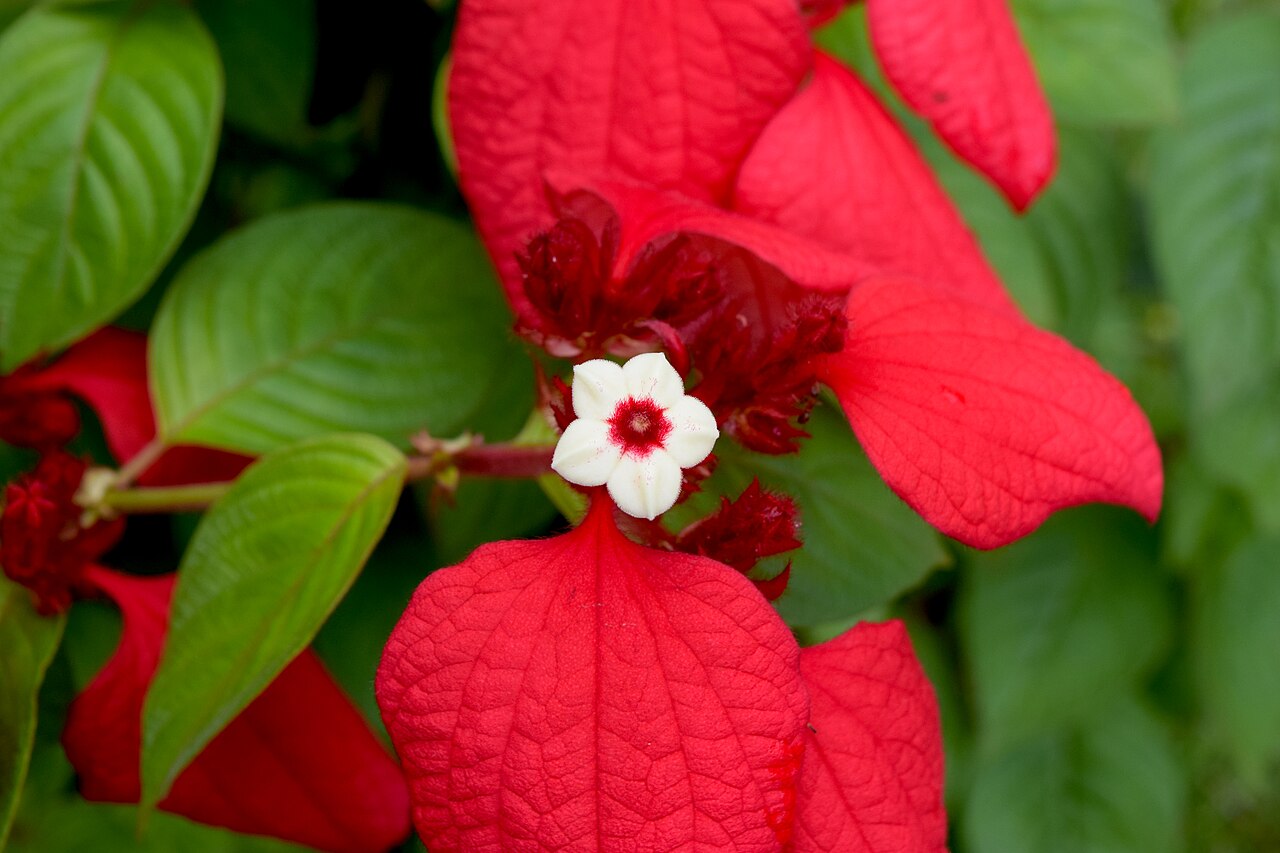
Mussaenda
Peach and pink leafy bracts, like a tree full of handkerchiefs all summer.
Tropical
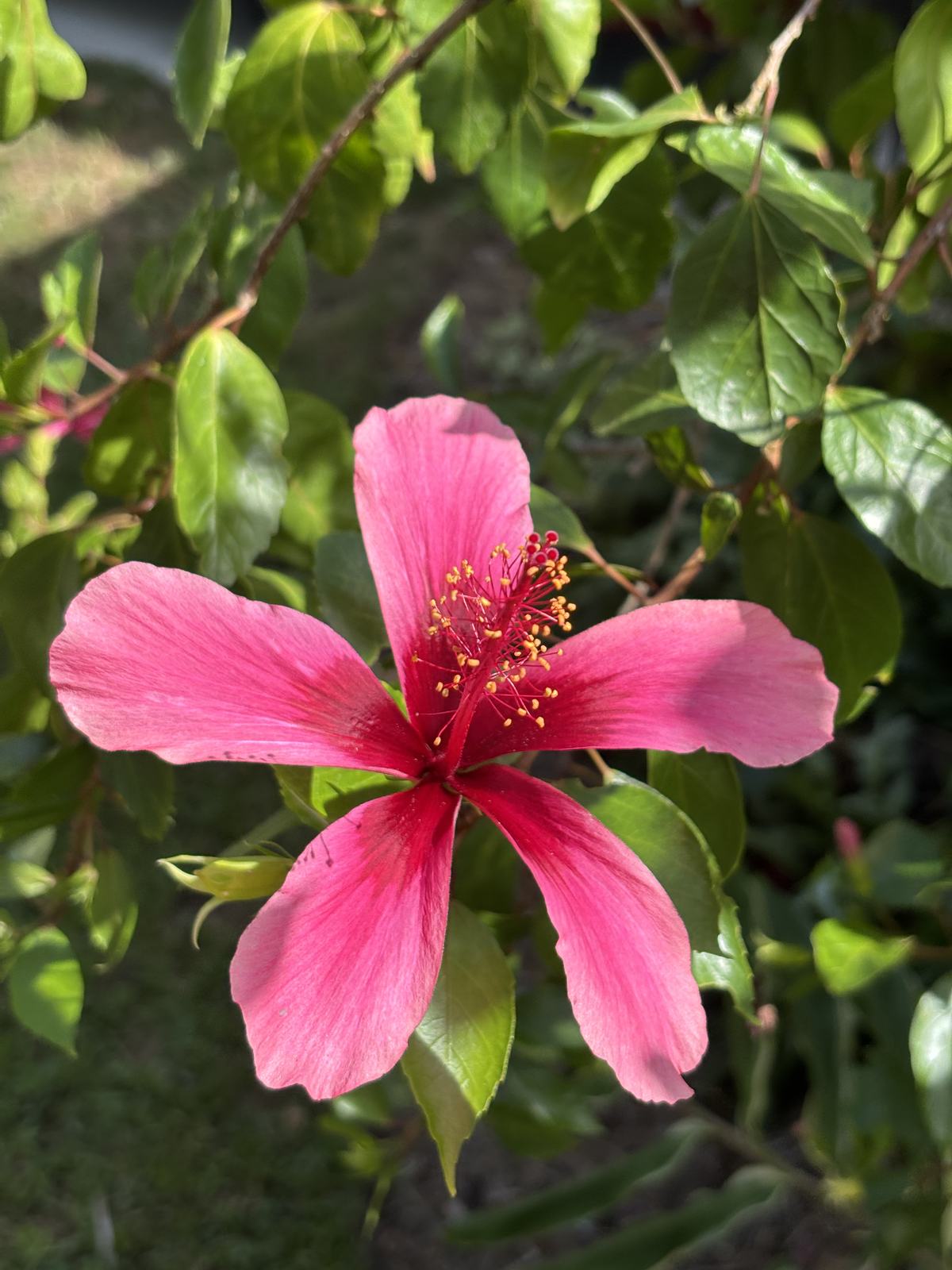
Hibiscus
The tropical flower everyone knows, in more colors than I can keep track of. It's a hungry plant, and organic feeding keeps it blooming.
Tropical
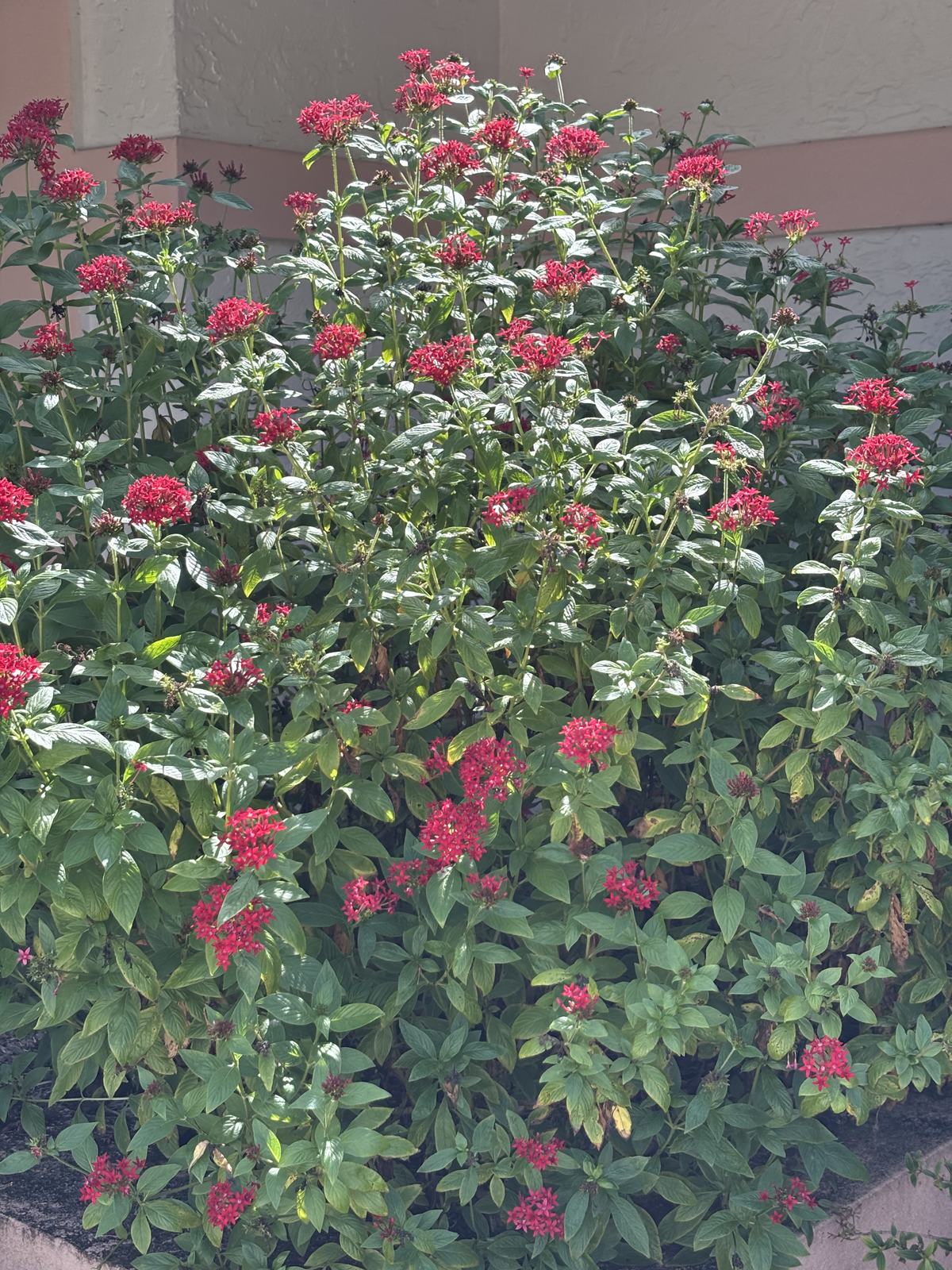
Pentas
One of the hardest-working butterfly plants you can put in the ground. Blooms basically forever.
Tropical
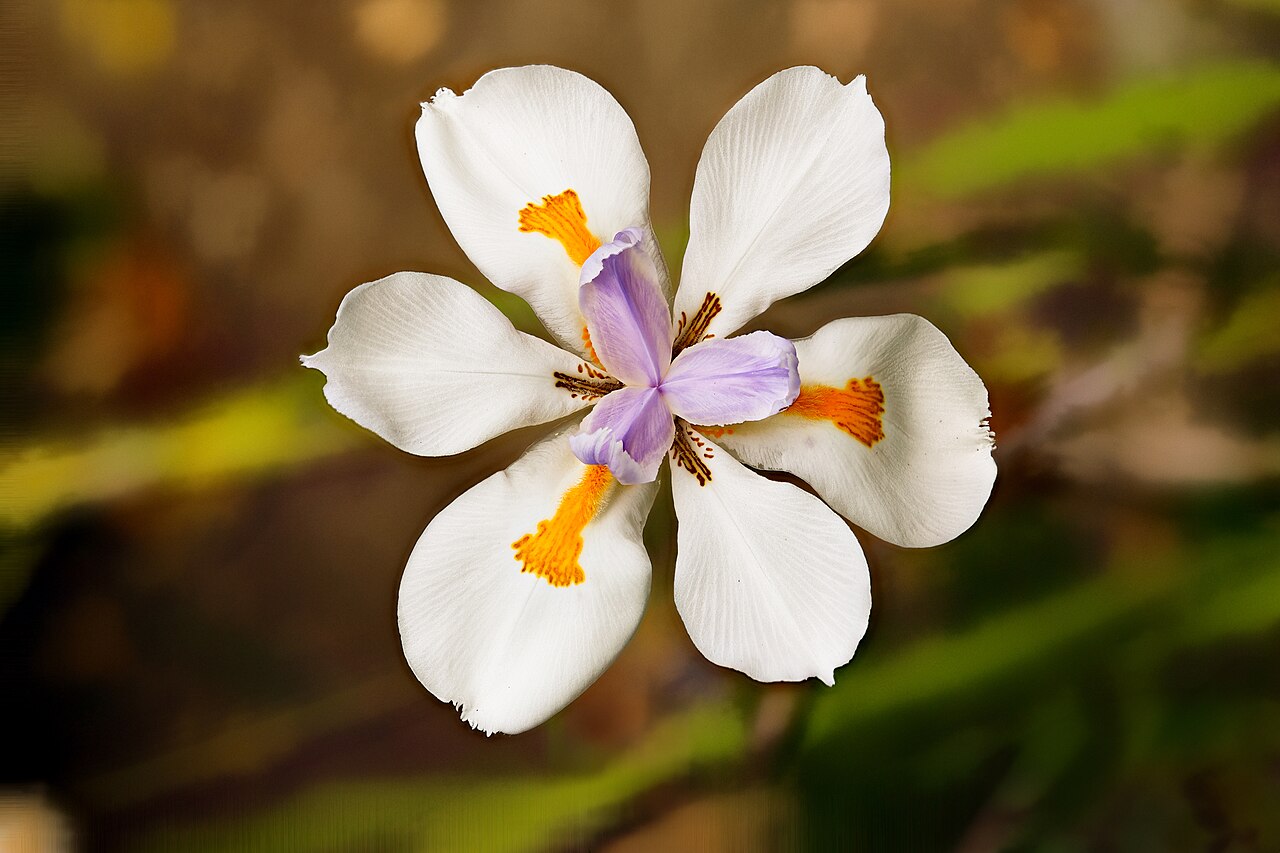
African Iris
Clean, grassy fans with little white and violet iris blooms. A tidy edge plant that behaves.
Tropical
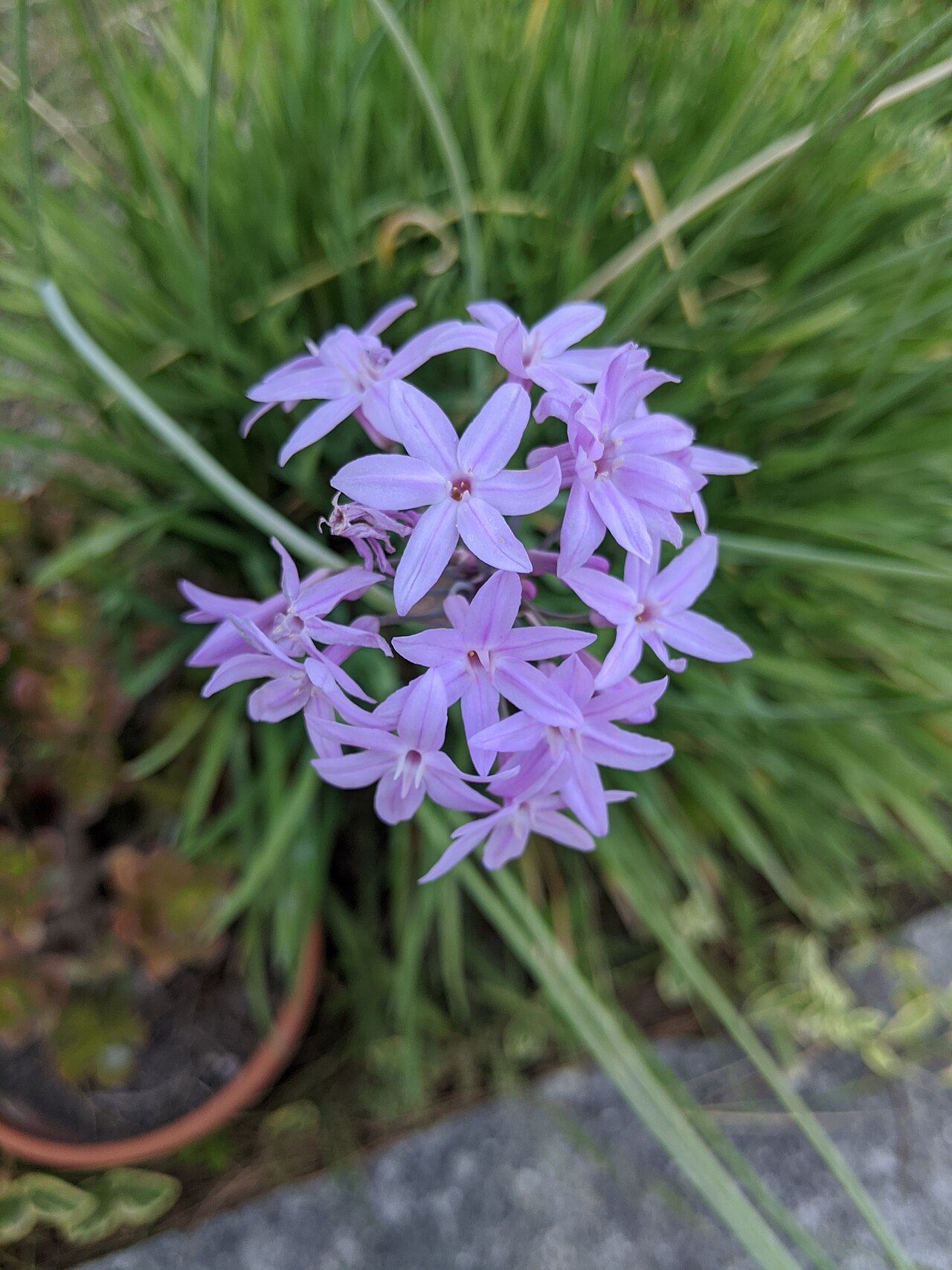
Society Garlic
Grassy clumps, lavender blooms, and a garlicky scent when you brush past. Edging that earns its keep.
Tropical
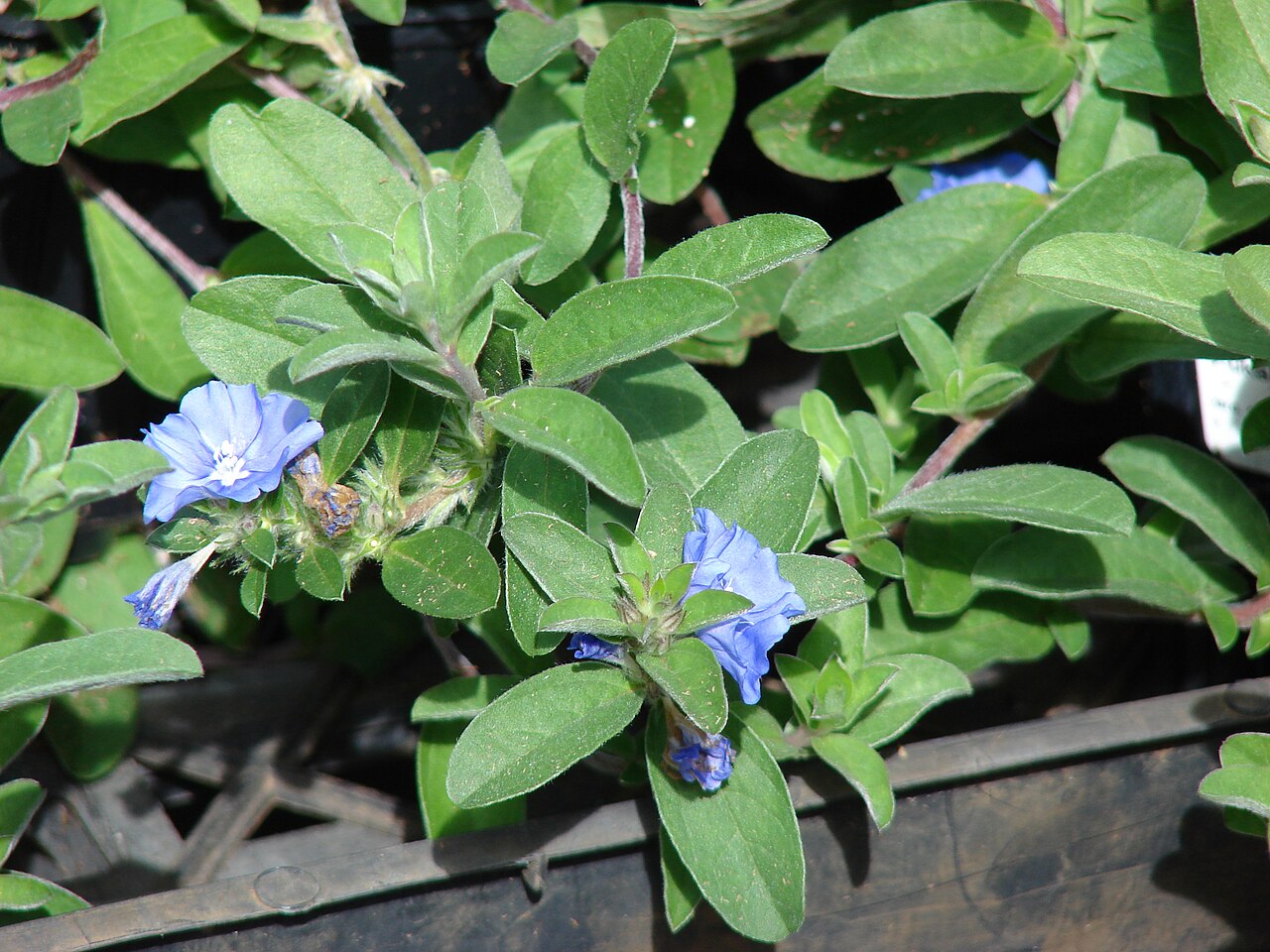
Blue Daze
A low carpet of true-blue morning flowers. Tough, coastal, and easy.
Tropical
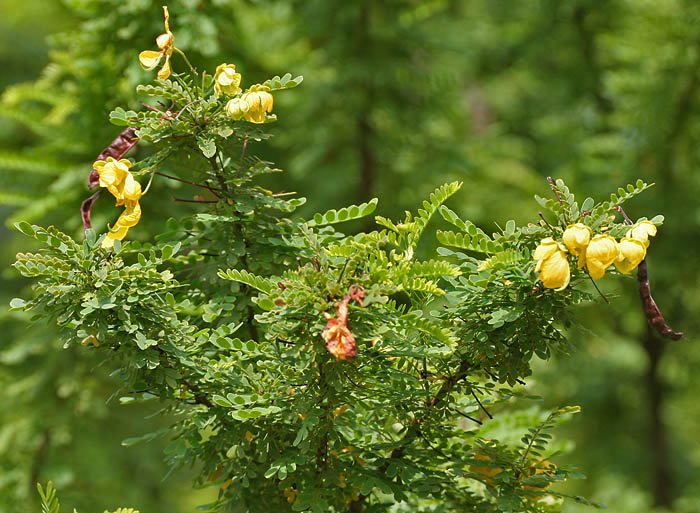
Desert Cassia
Soft, silvery foliage and yellow blooms, and it hosts our sulphur butterflies too.
Tropical
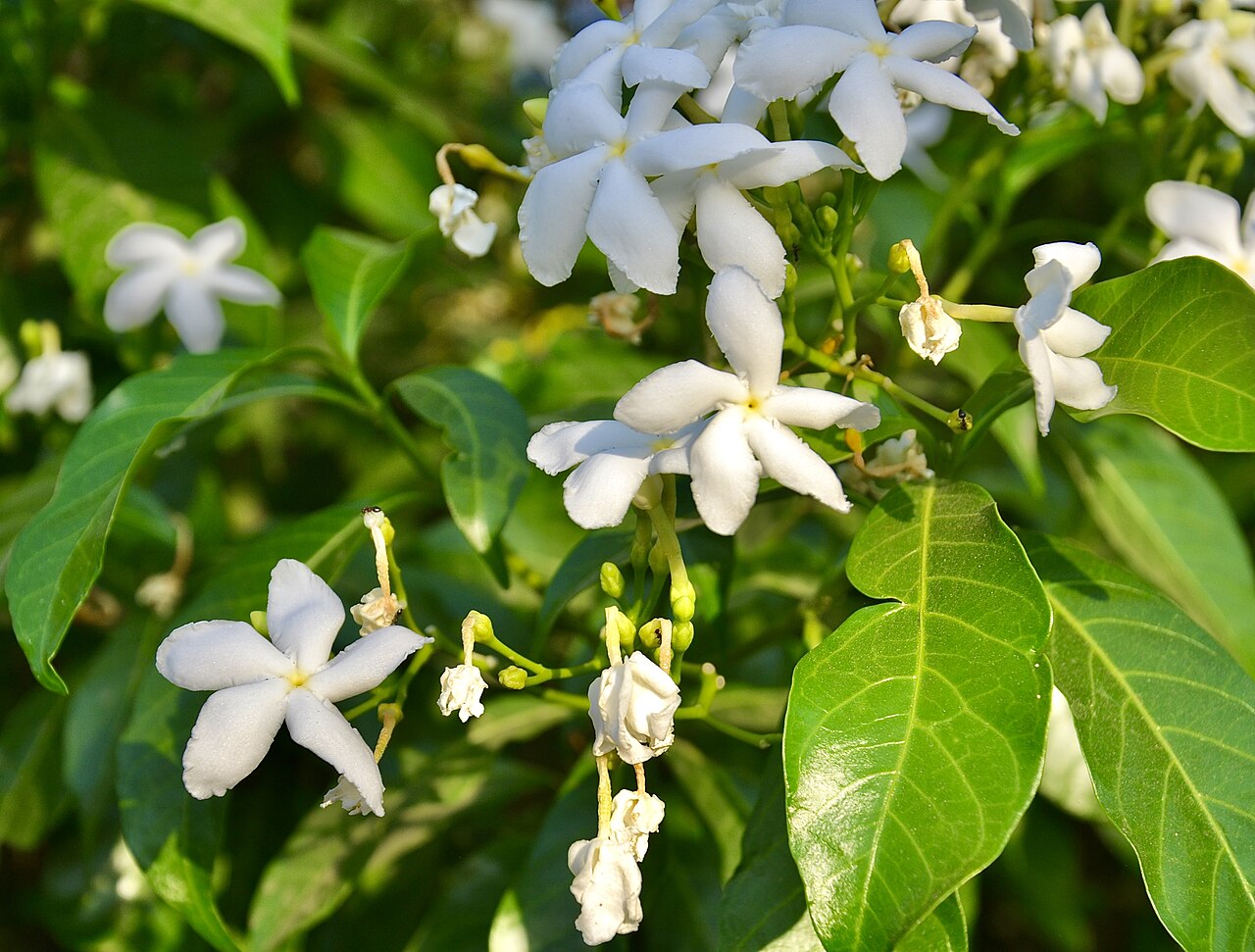
Pinwheel Jasmine
White pinwheel blooms on glossy green. Tidy enough for formal spots, tropical enough to belong here.
Native
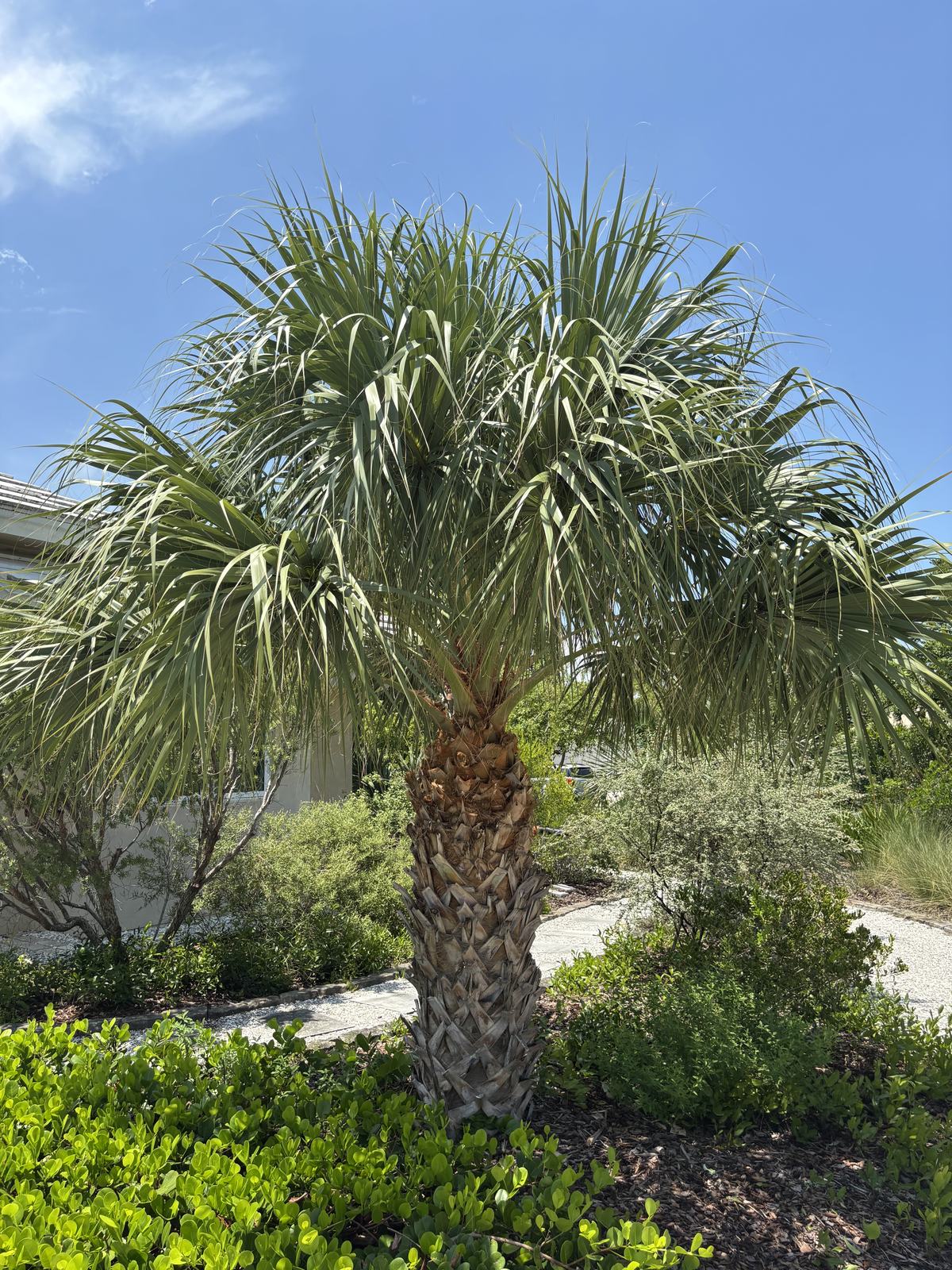
Sabal Palm
The state tree, and the toughest thing you can put in a Florida yard
Native
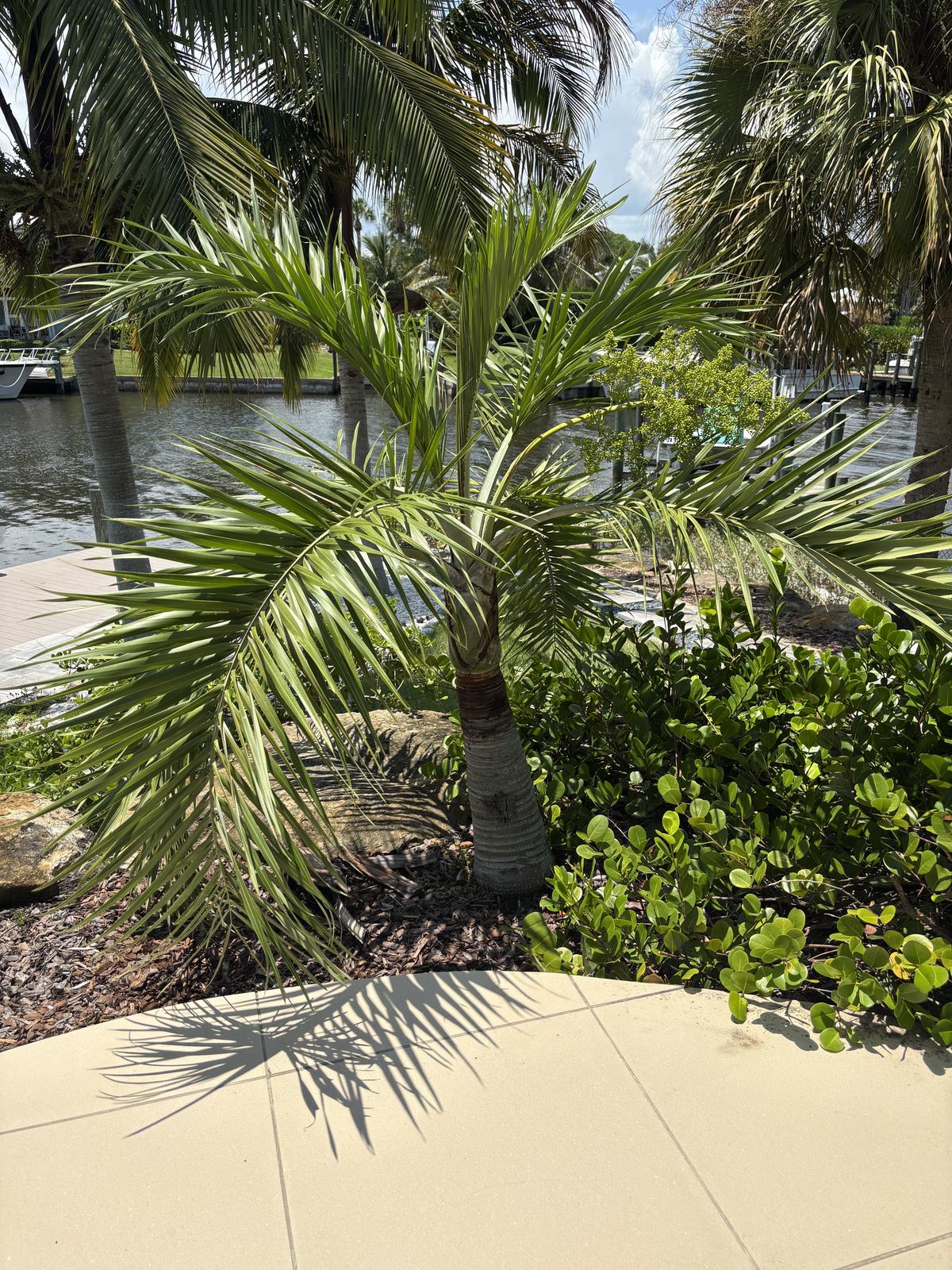
Buccaneer Palm
A state endangered palm, down to one wild population, and slow enough to test your patience
Native
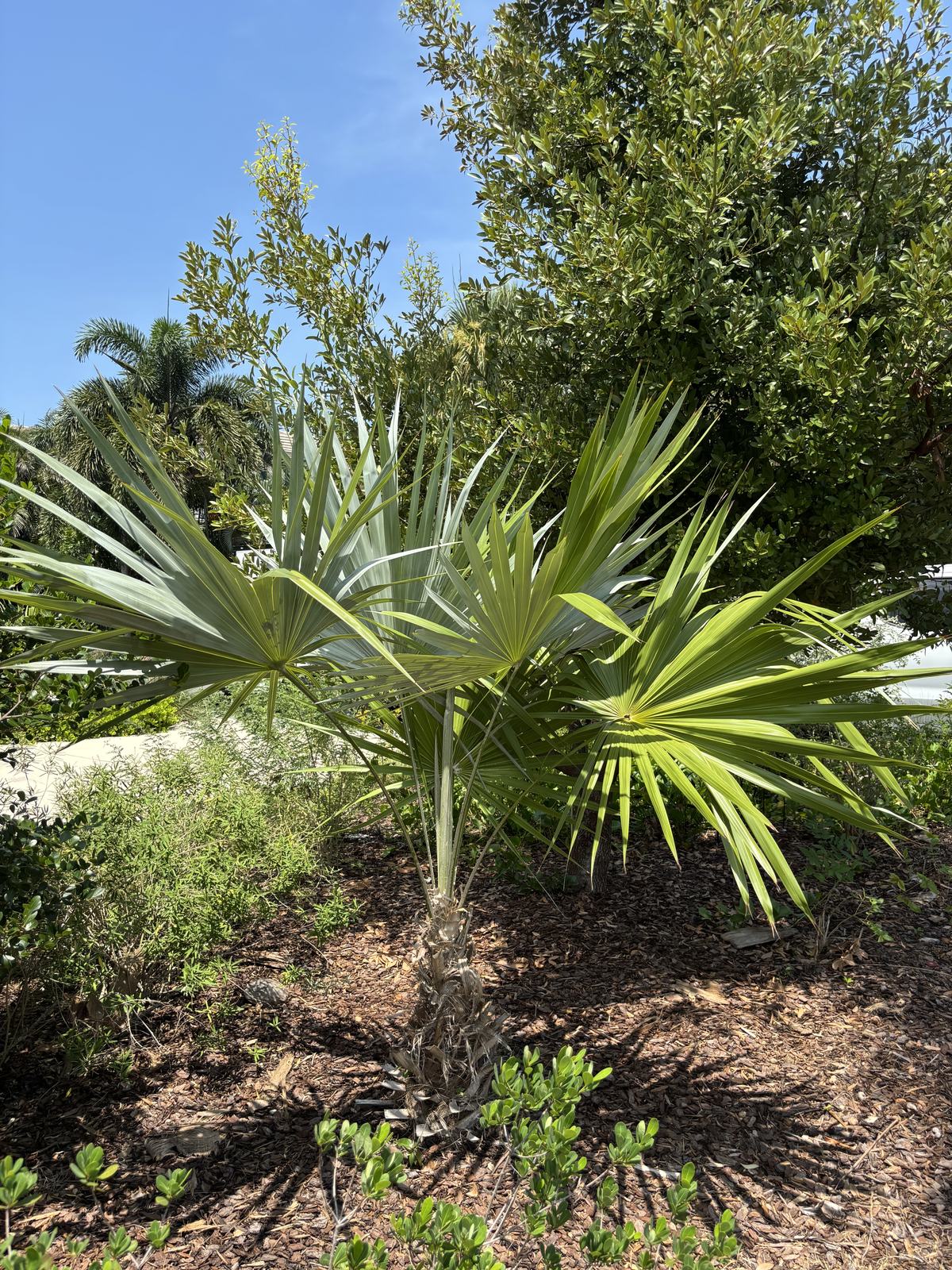
Silver Thatch Palm
Also called Florida silver palm, and it will grow in three hours of sun
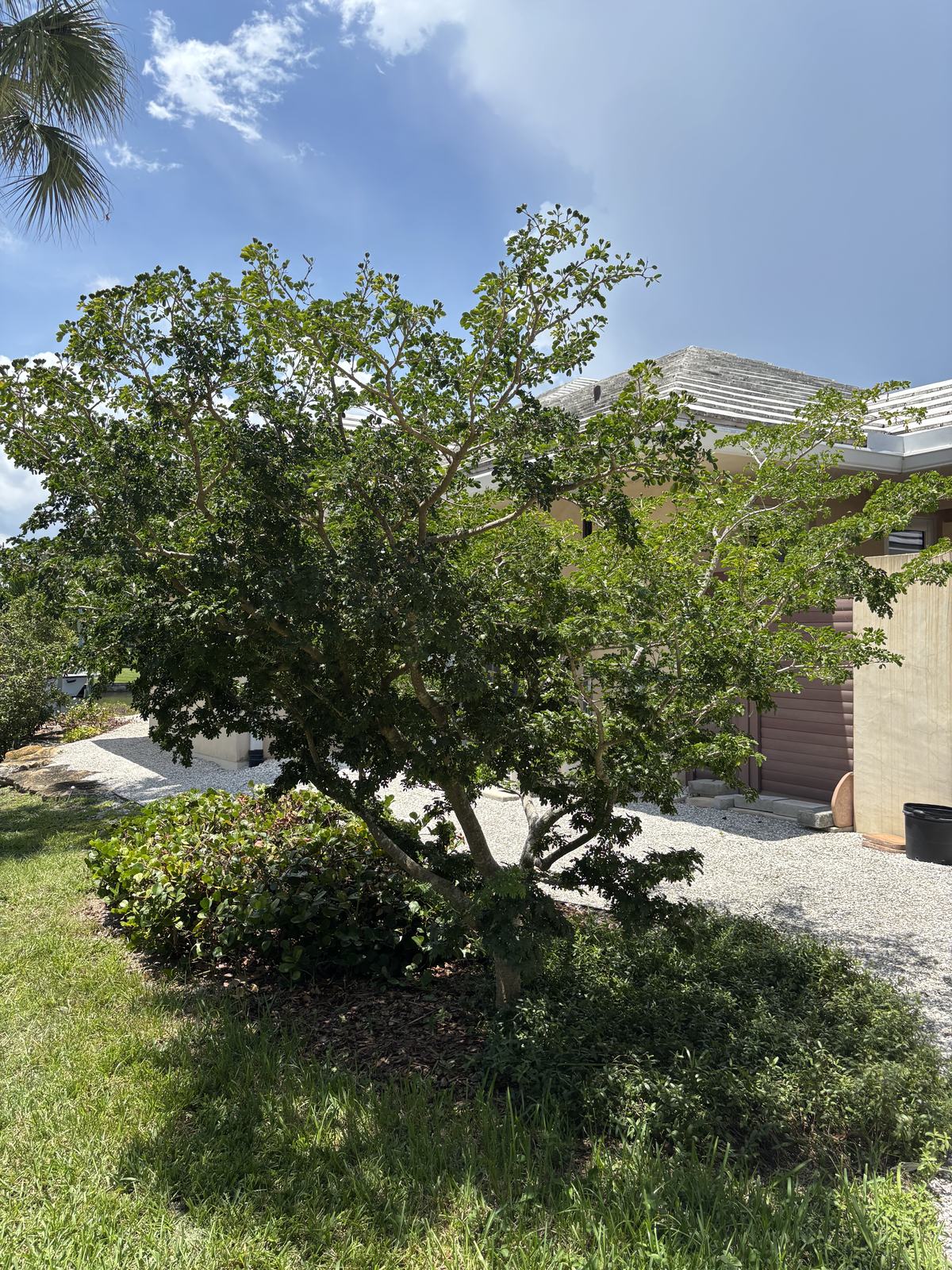
Native
Lignum Vitae
Blue flowers, the densest wood on earth, and about an inch of growth a year
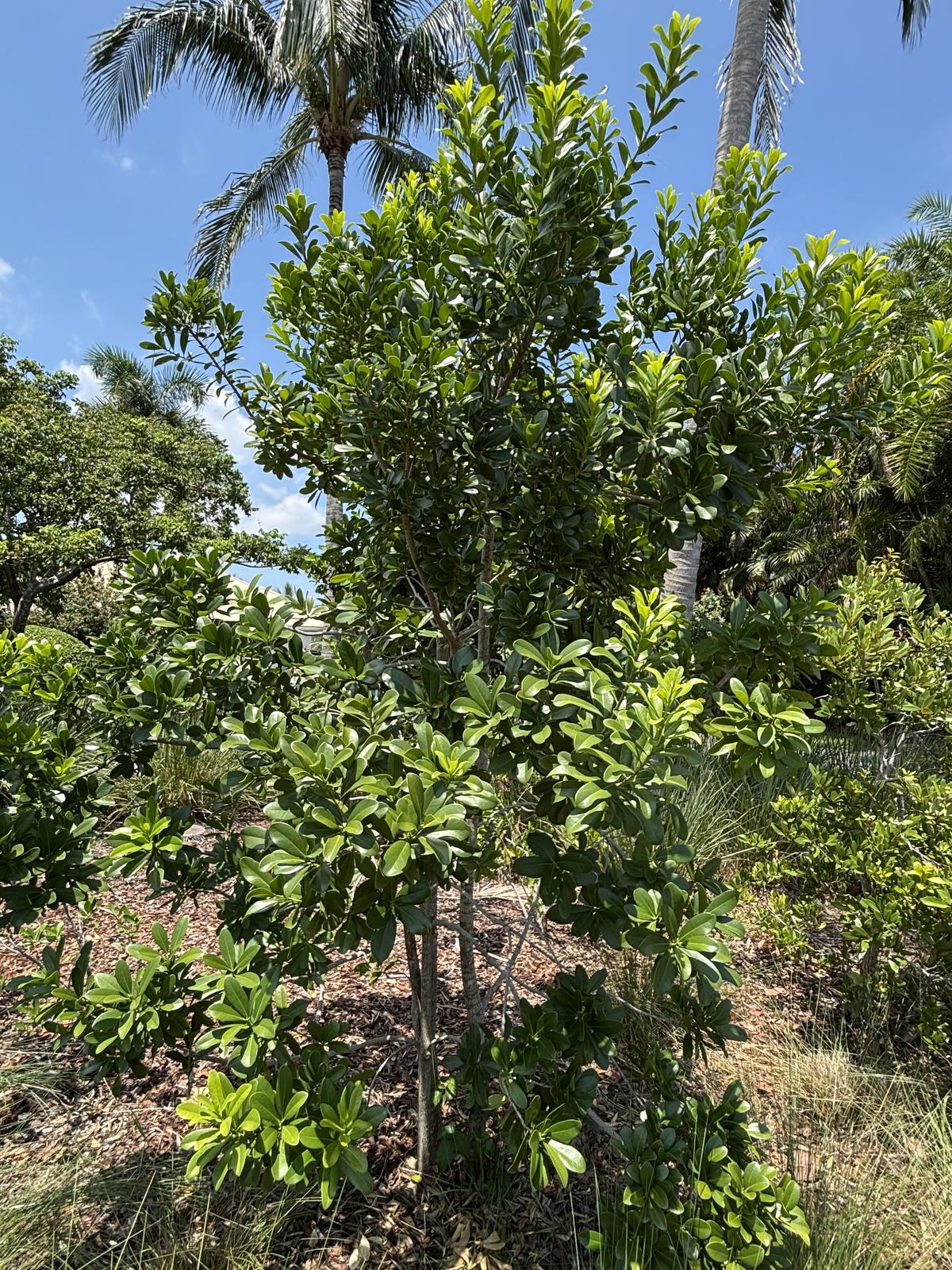
Native
Wild Cinnamon
Crush a leaf and it smells like cinnamon, but do not go making tea out of it
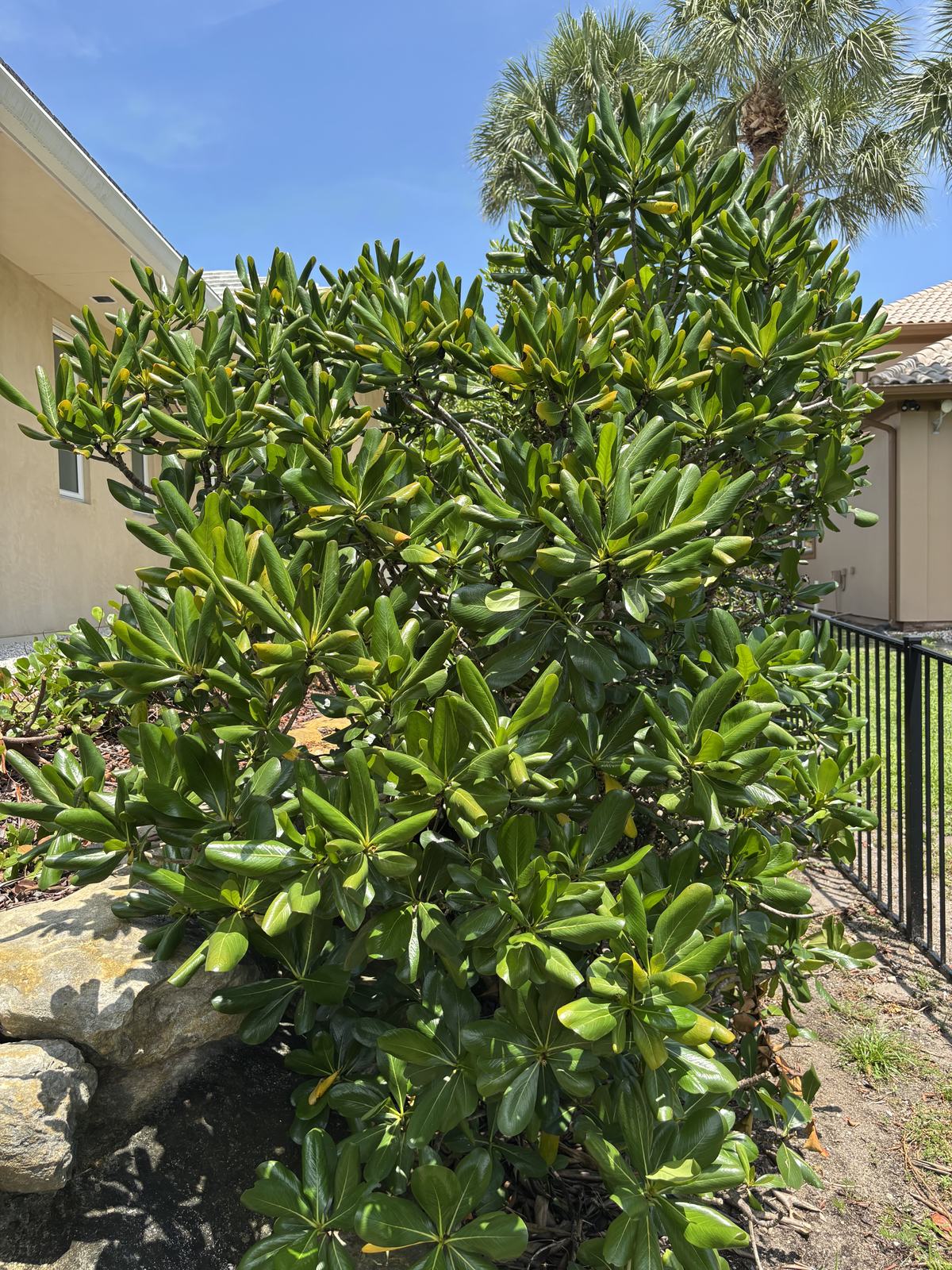
Native
Seven Year Apple
Fragrant white flowers, glossy leaves, hurricane tough, and genuinely ugly fruit
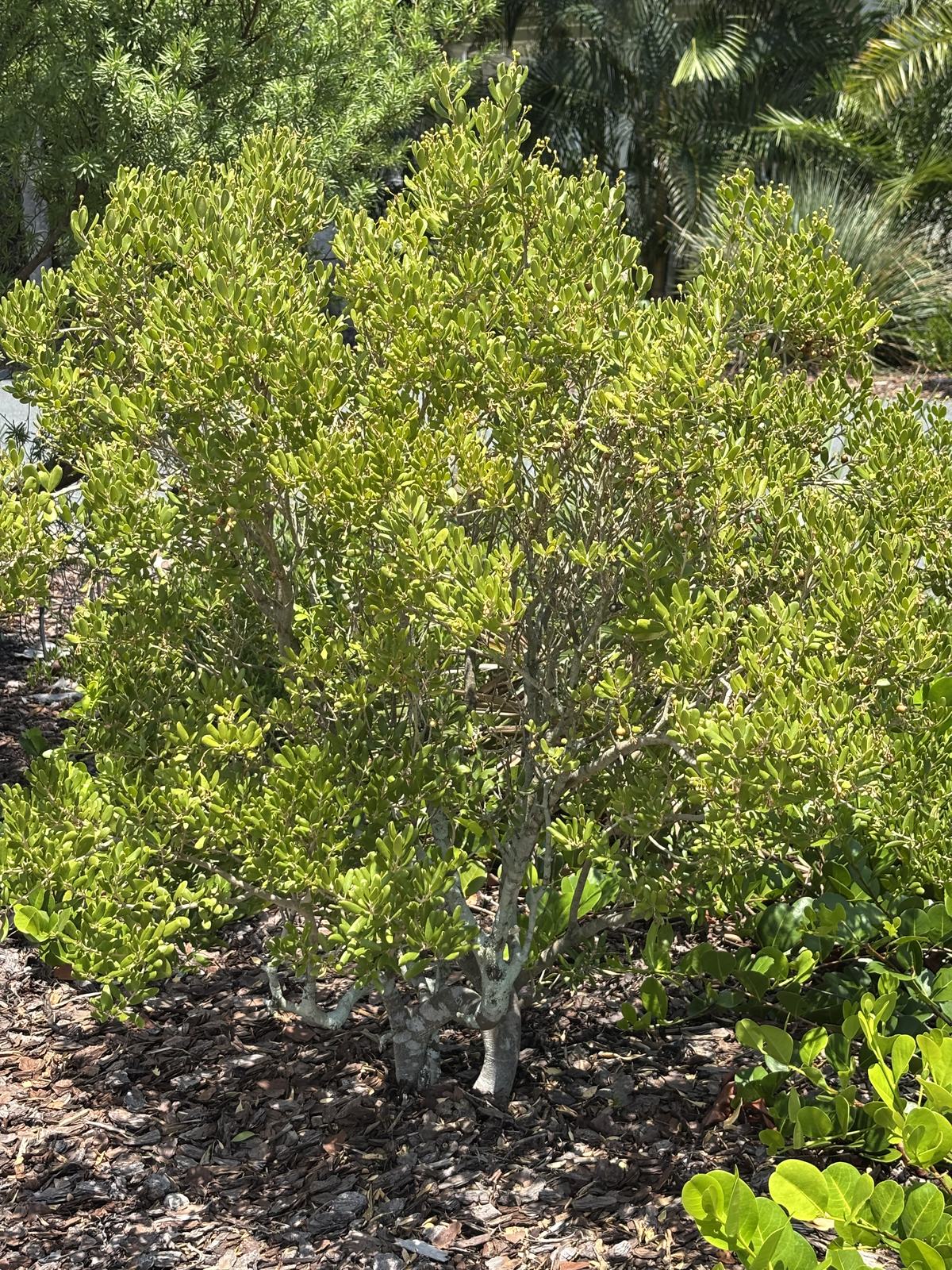
Native
Joewood
Jasmine scented, salt proof, and it grows about six inches a year
Native
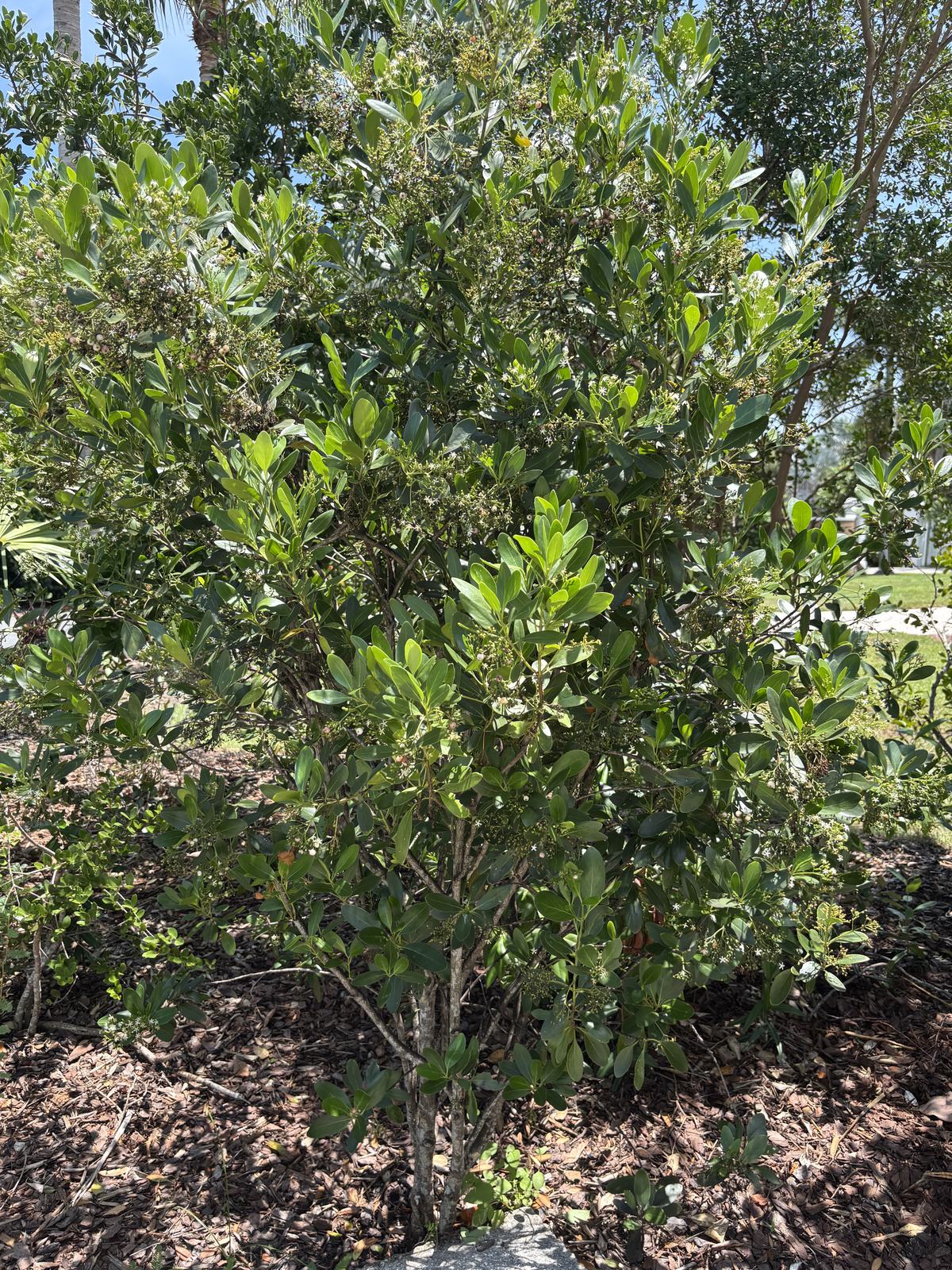
Black Torch
Flowers and fruits every month of the year, and actually grows at a reasonable pace
Native
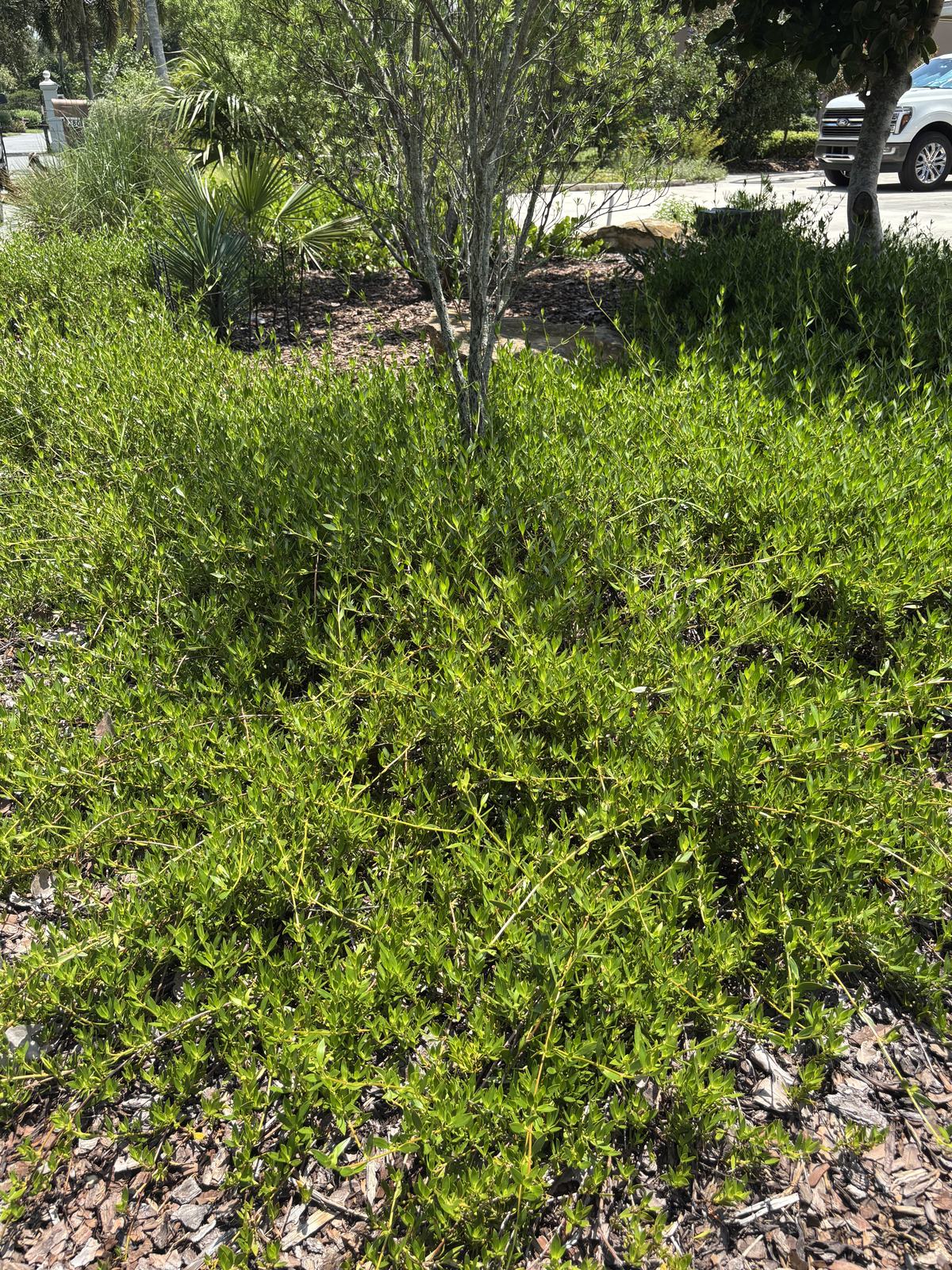
Beach Creeper
Red stems, golden berries, and the fastest way to kill it is kindness
Native
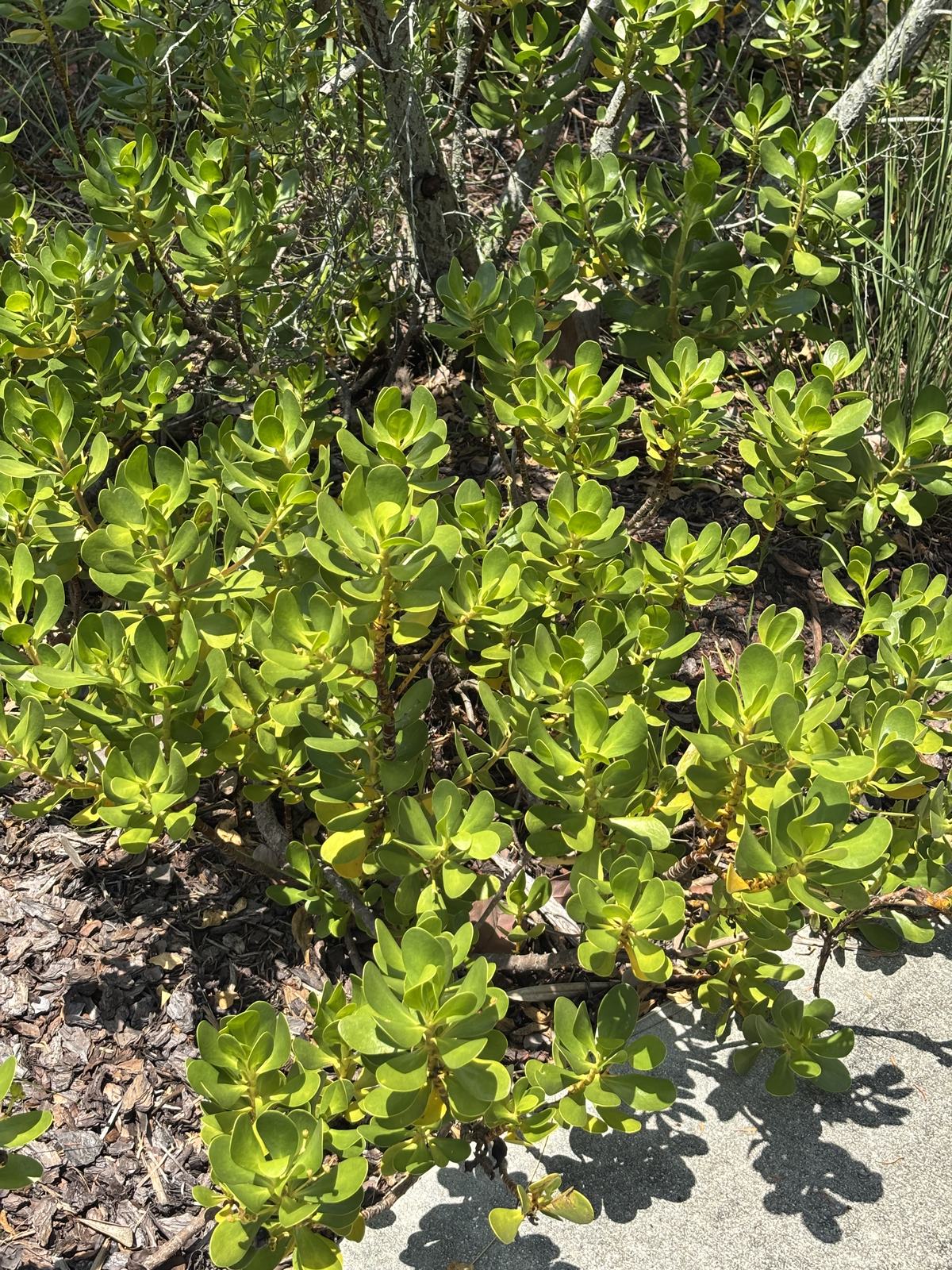
Inkberry
The native half flower, and the reason you should look twice at what is already on your dune
Native
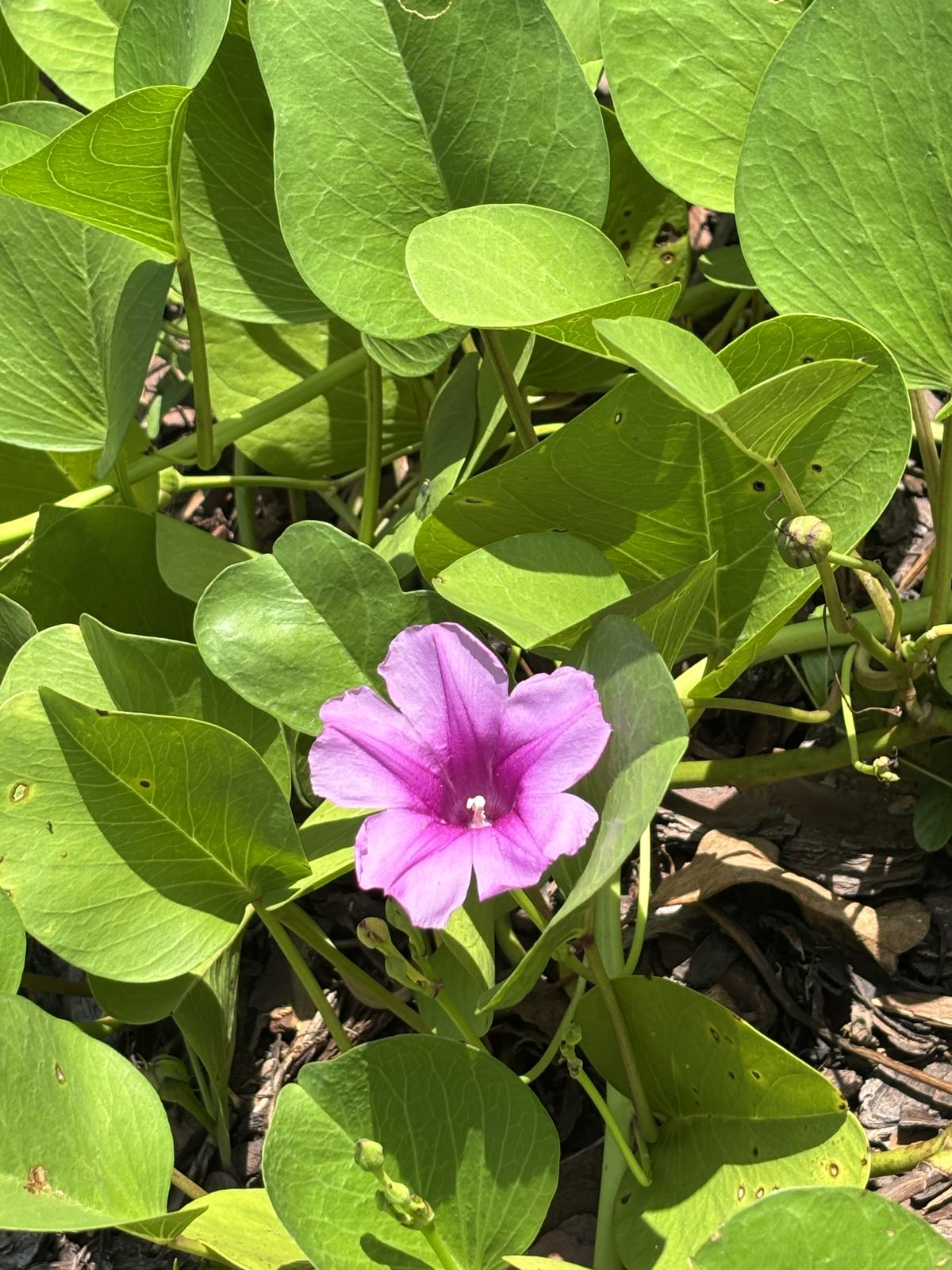
Railroad Vine
Pink morning glories on the dune, and it will absolutely smother whatever you plant next to it
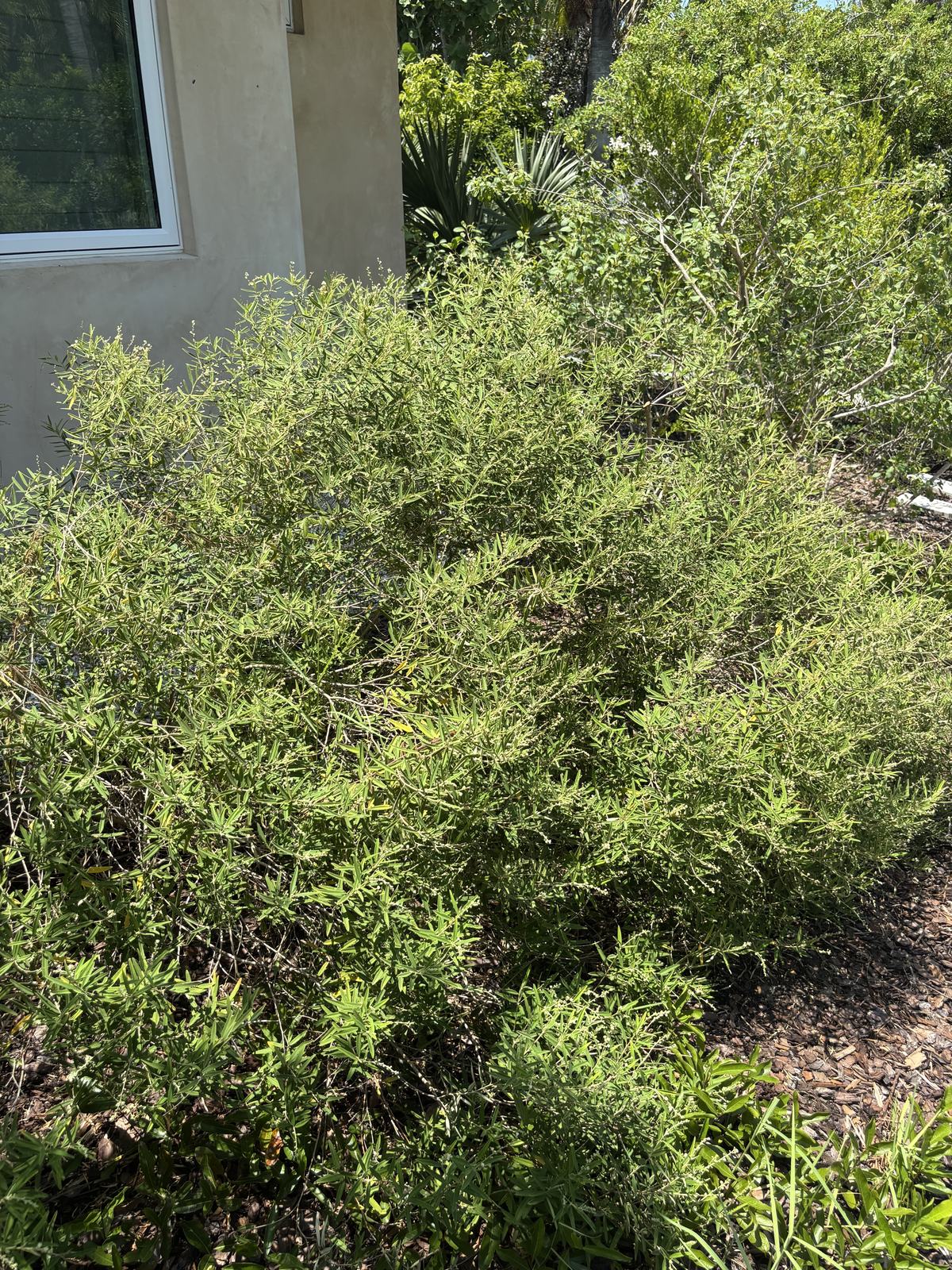
Native
Pineland Croton
The only food two endangered butterflies can eat, and a straight answer about whether they will show up
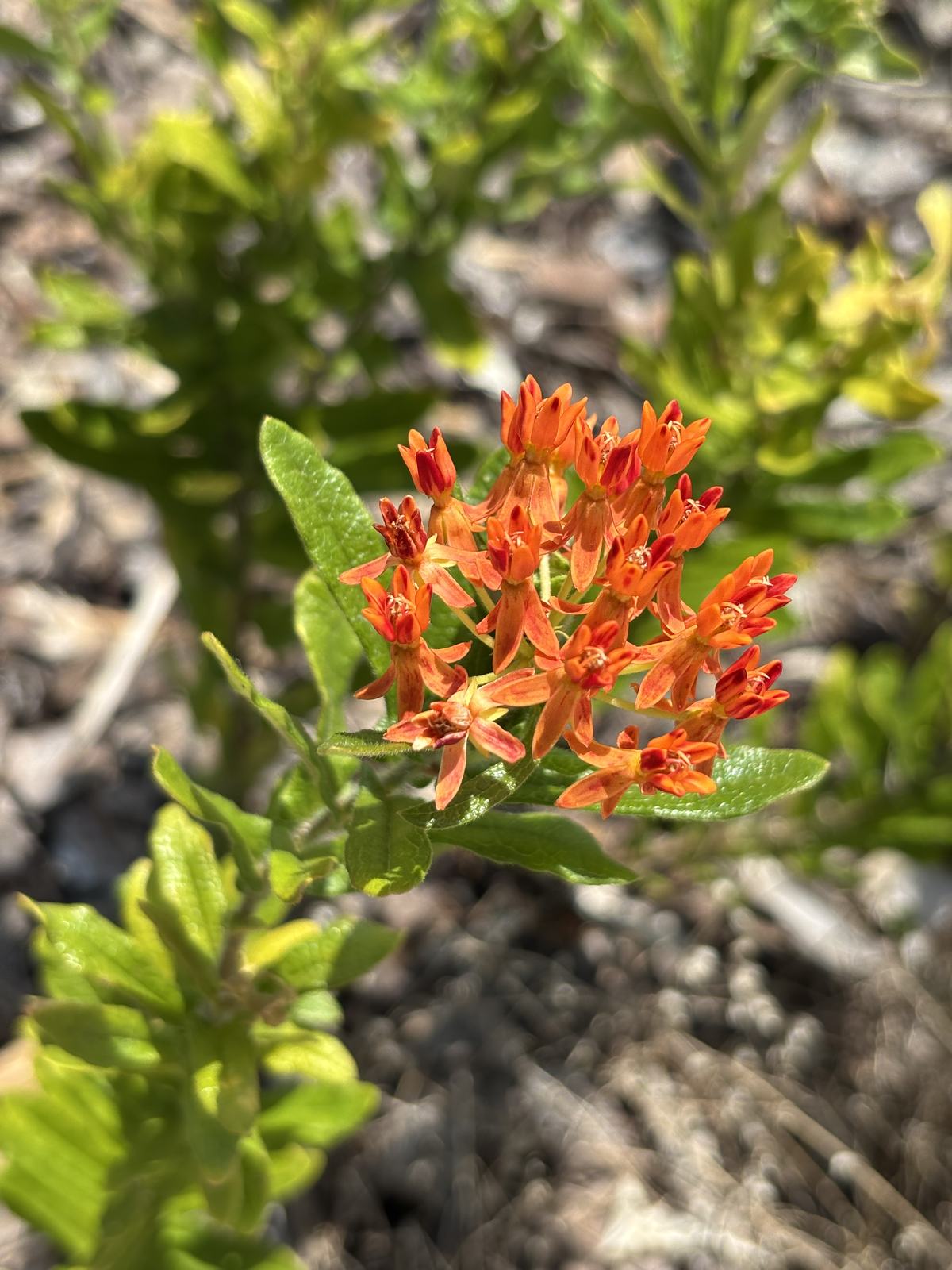
Native
Butterfly Weed
The native milkweed worth planting, and the sourcing detail nobody tells you
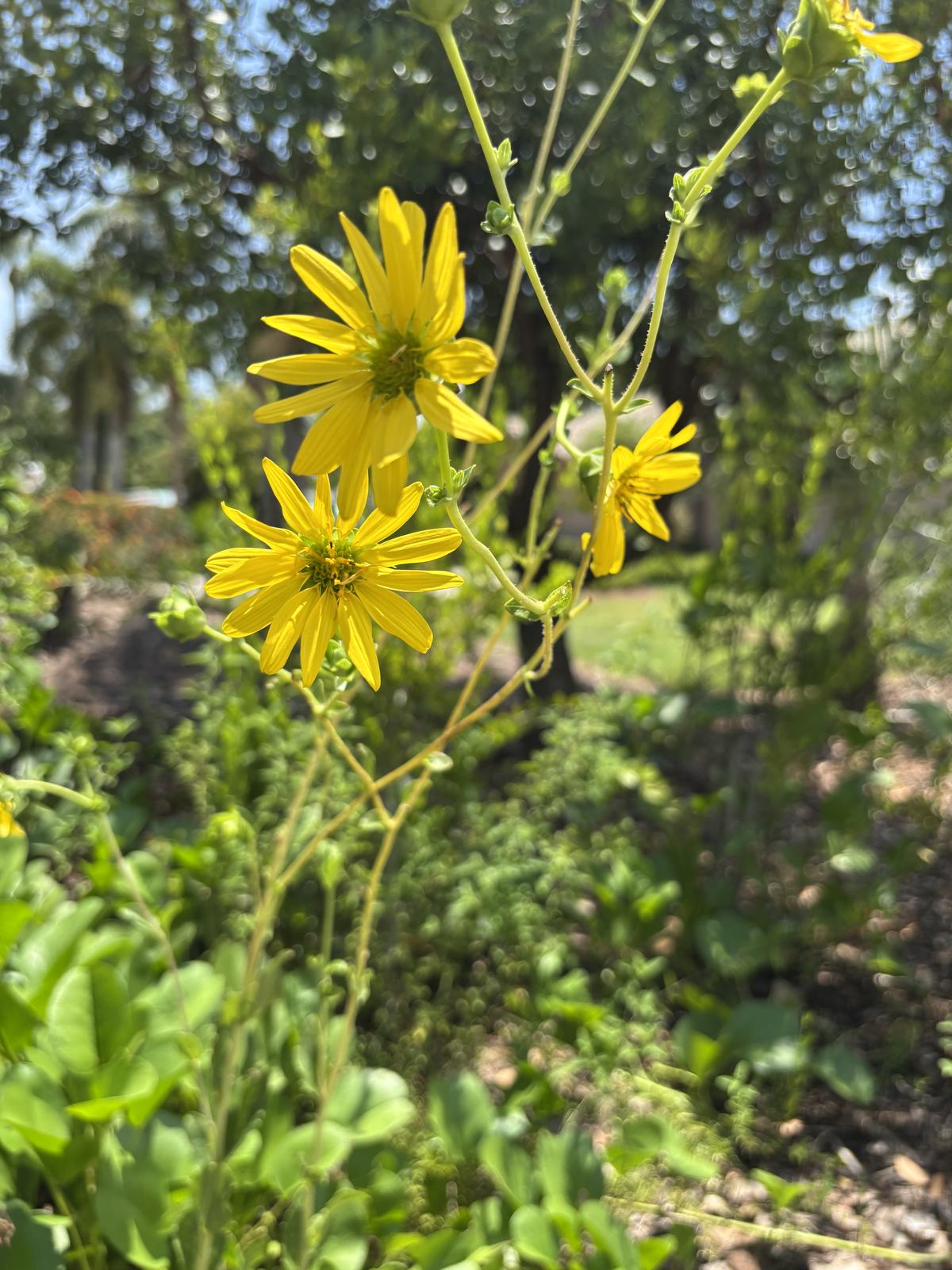
Native
Starry Rosinweed
Yellow daisies from spring to November, and it will seed itself all over your bed
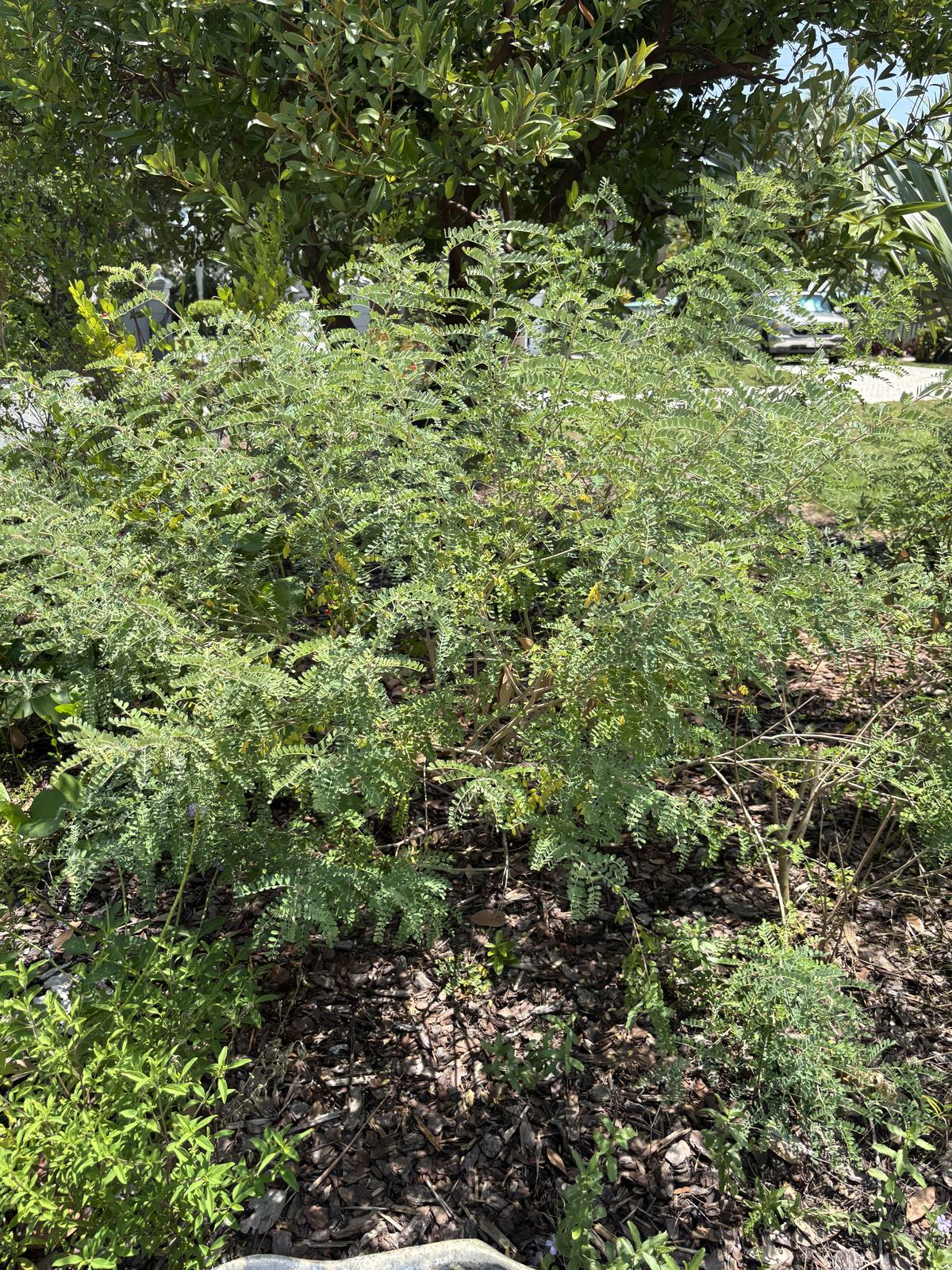
Native
Prairie Clover
A sprawling pink legume that makes its own nitrogen and handles our floods and our droughts
Native
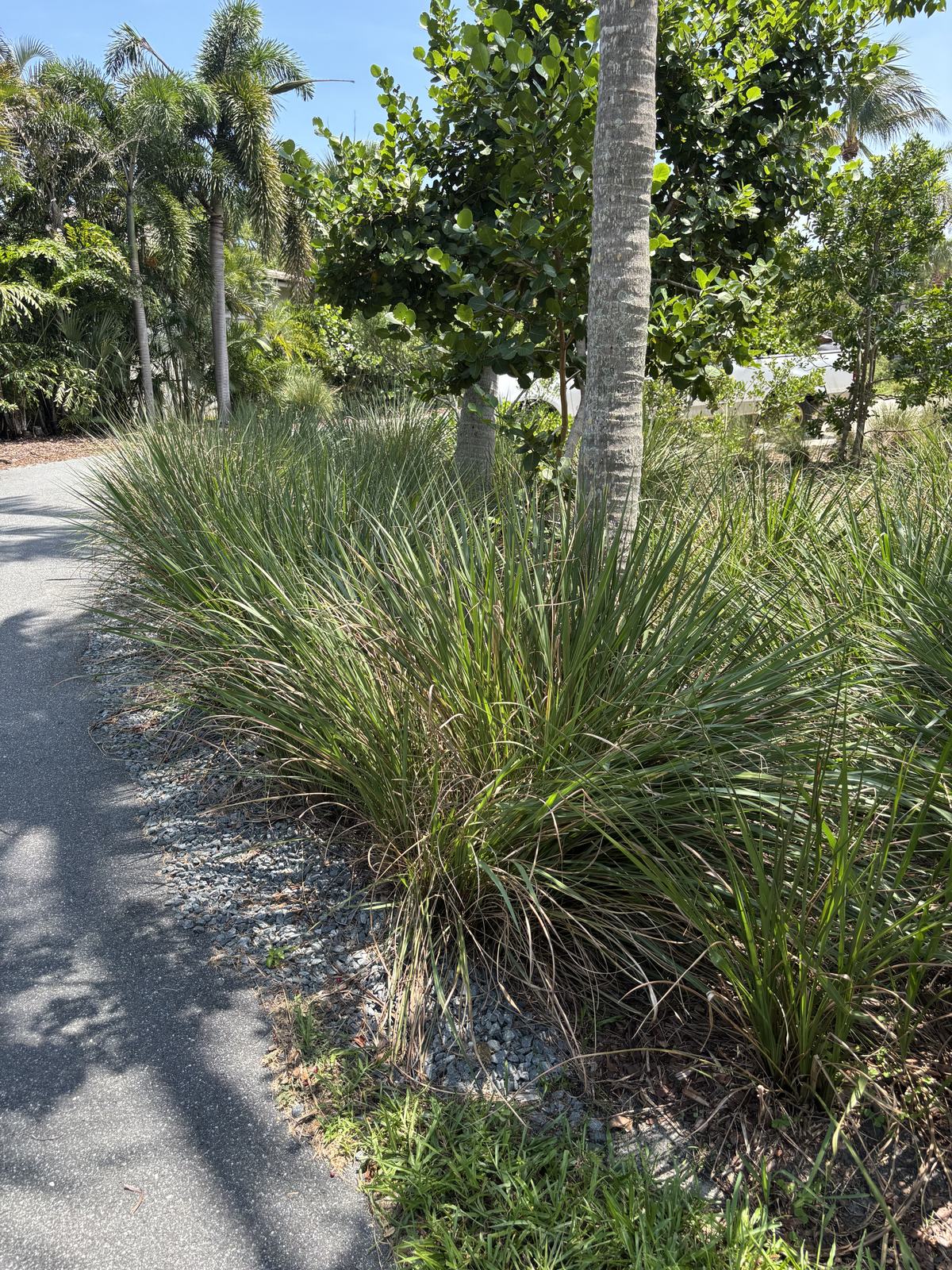
Fakahatchee Grass
A big native grass with sharp edged leaves, and its smaller cousin that is usually the better call

Native
Redberry Stopper
A Martin County native that was collected at Sewall's Point, and grows about an inch a year

Native
Crabwood
One of the most hurricane resistant plants UF rates, and hardly anybody has heard of it

Native
Myrtle of the River
A state endangered rockland tree that maybe two nurseries in Florida grow
Native
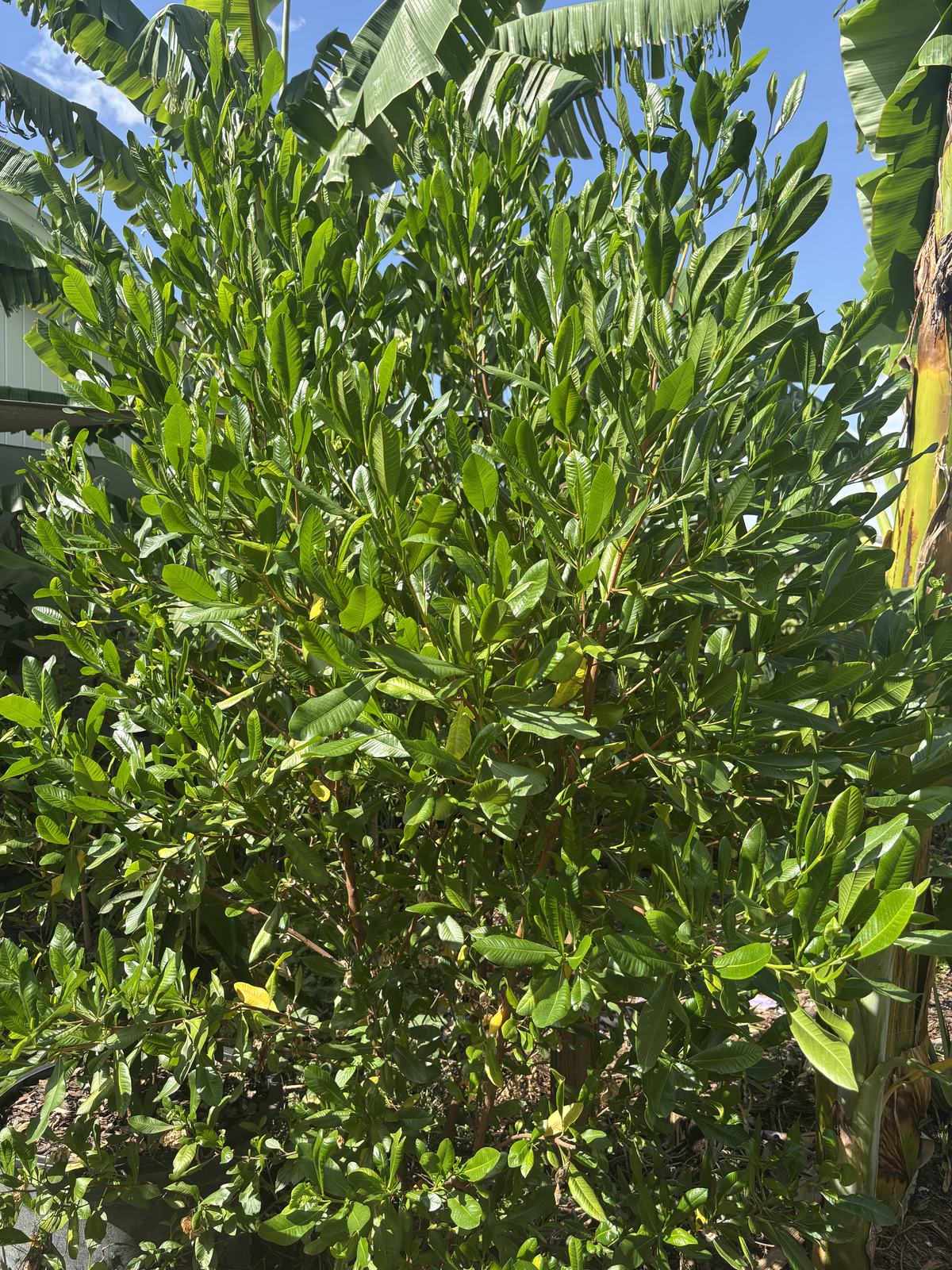
Varnishleaf
The one UF actually recommends for hedges, and there is a purple imposter sold under the same name
Native
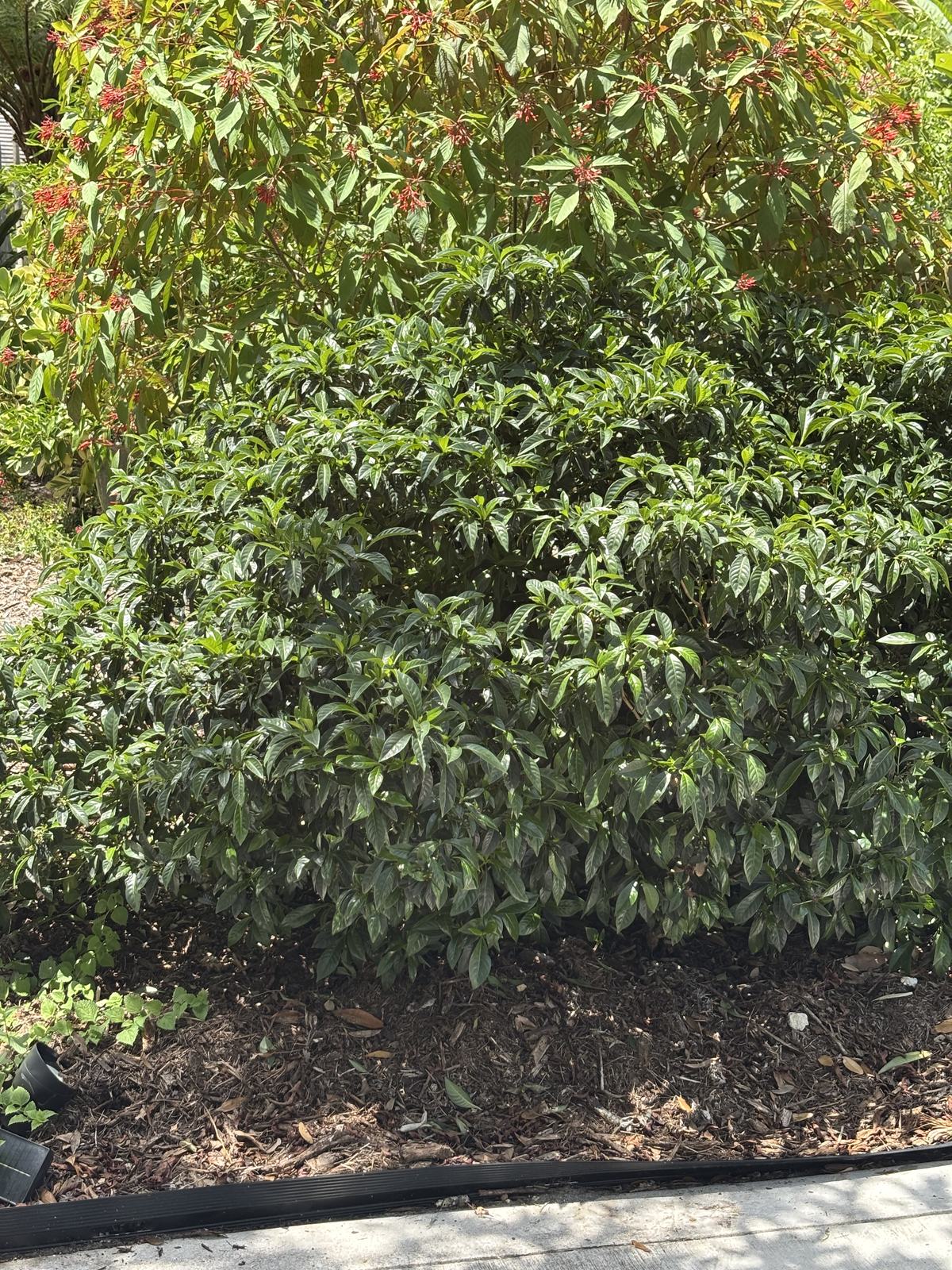
Bahama Coffee
The smaller, tougher, sunnier cousin of wild coffee, and it is endangered in the wild
Native
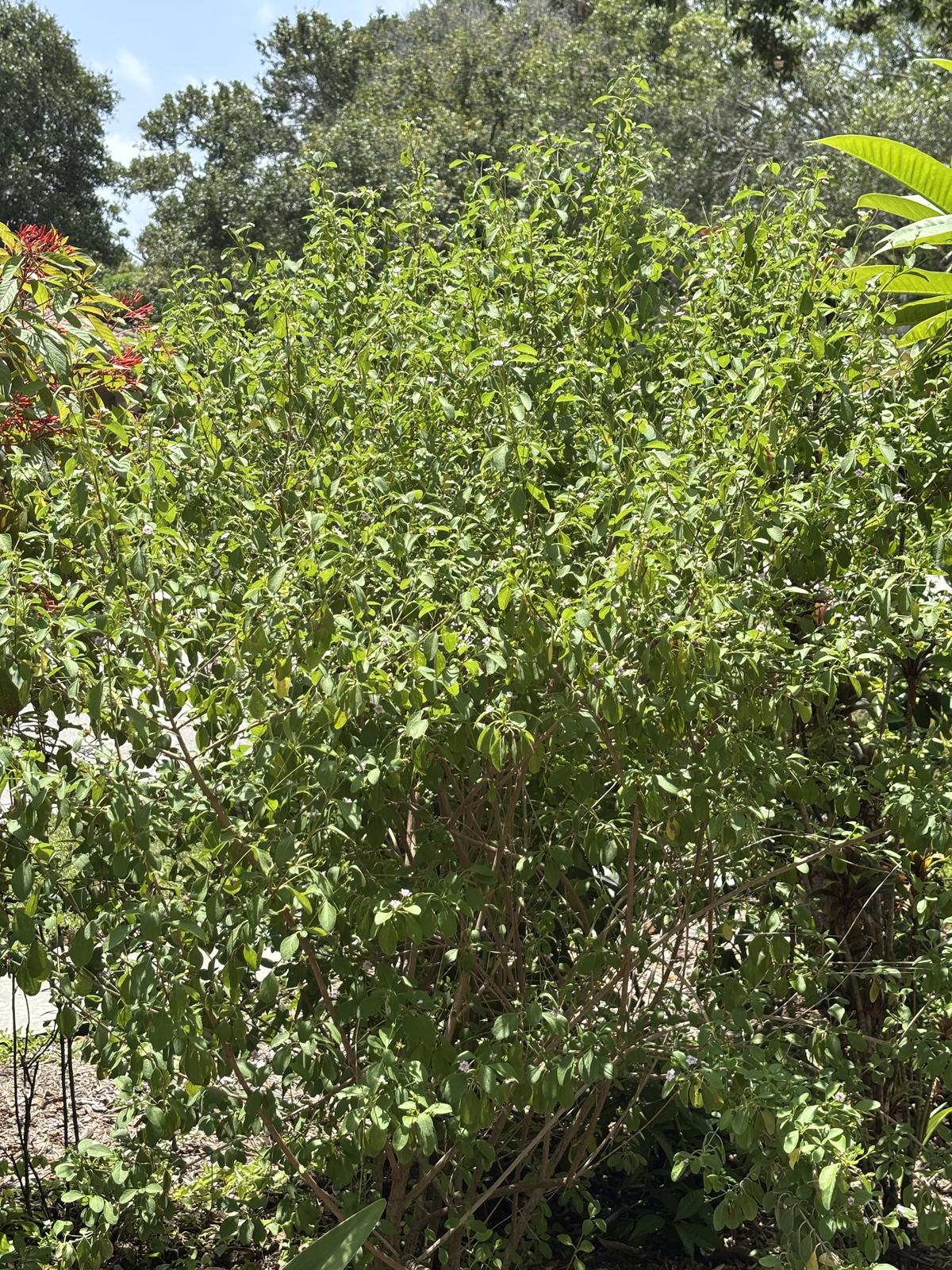
Buttonsage
The lantana that actually belongs here, and how to tell it from the one that does not
Native
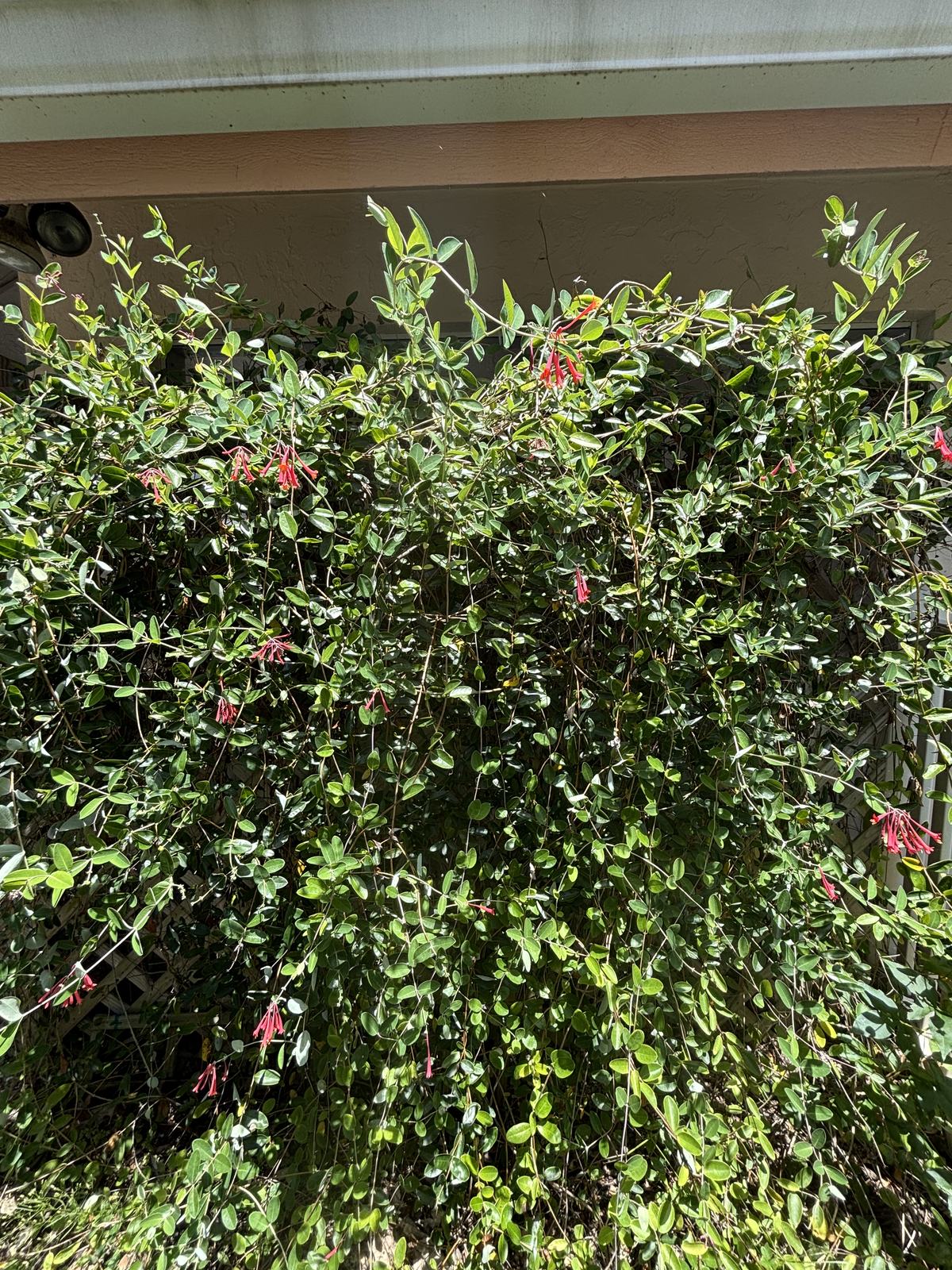
Coral Honeysuckle
The hummingbird vine, and it is not the honeysuckle that took over the South
Native
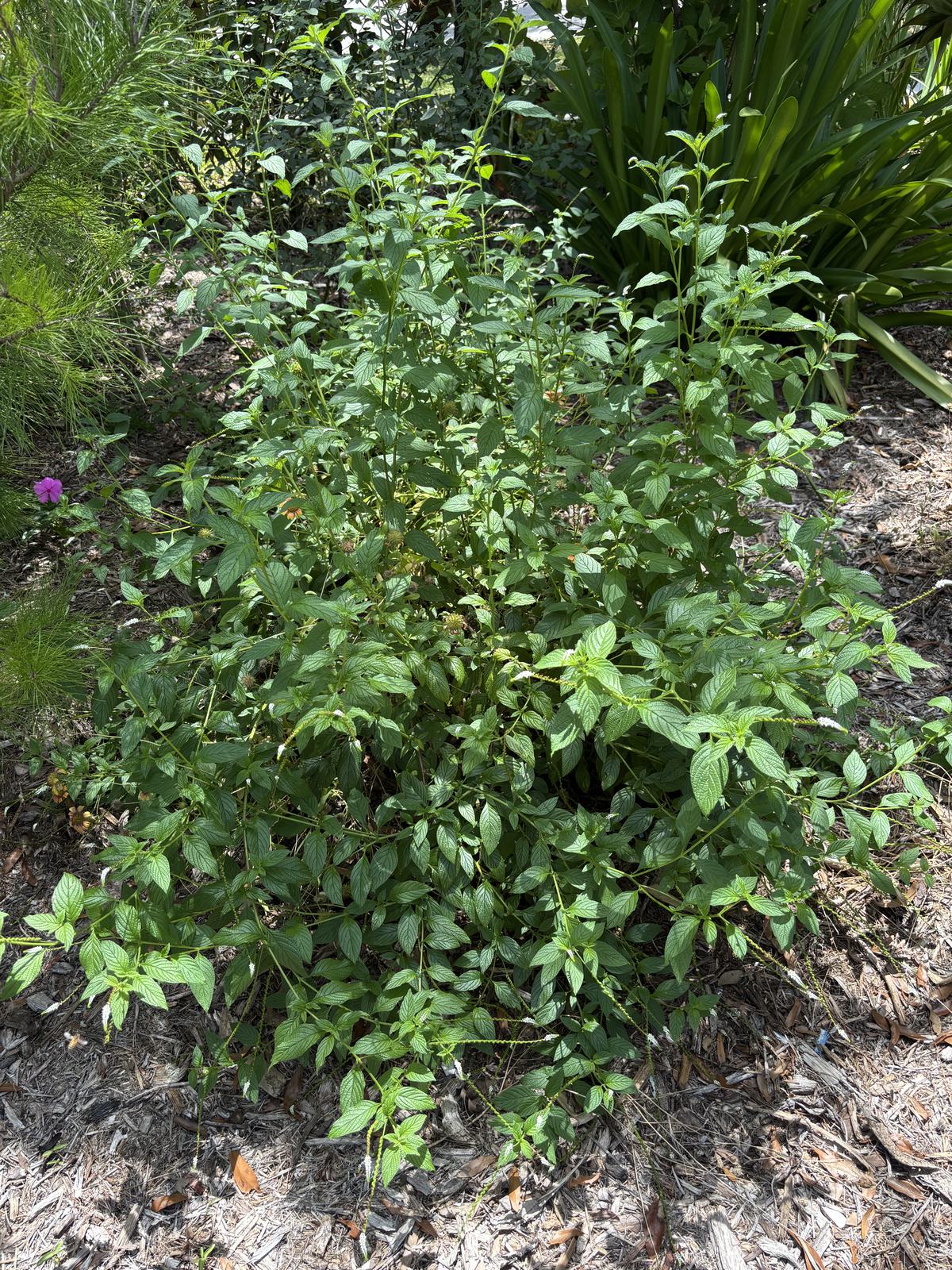
Scorpiontail
A butterfly nectar plant that blooms every day of the year and reseeds itself everywhere
Native
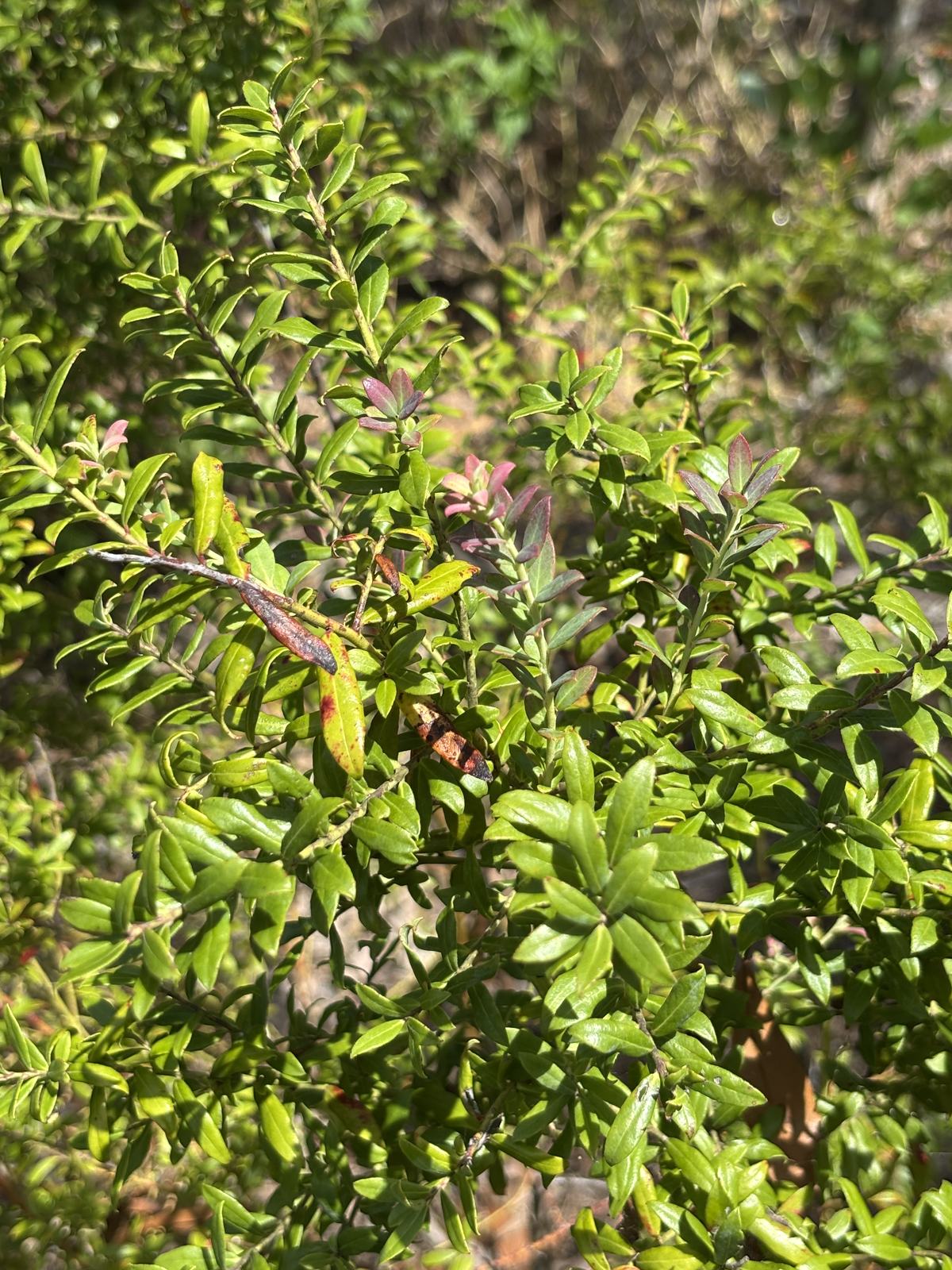
Darrow's Blueberry
A blue leaved native blueberry that fits under a window and feeds you in spring
Native
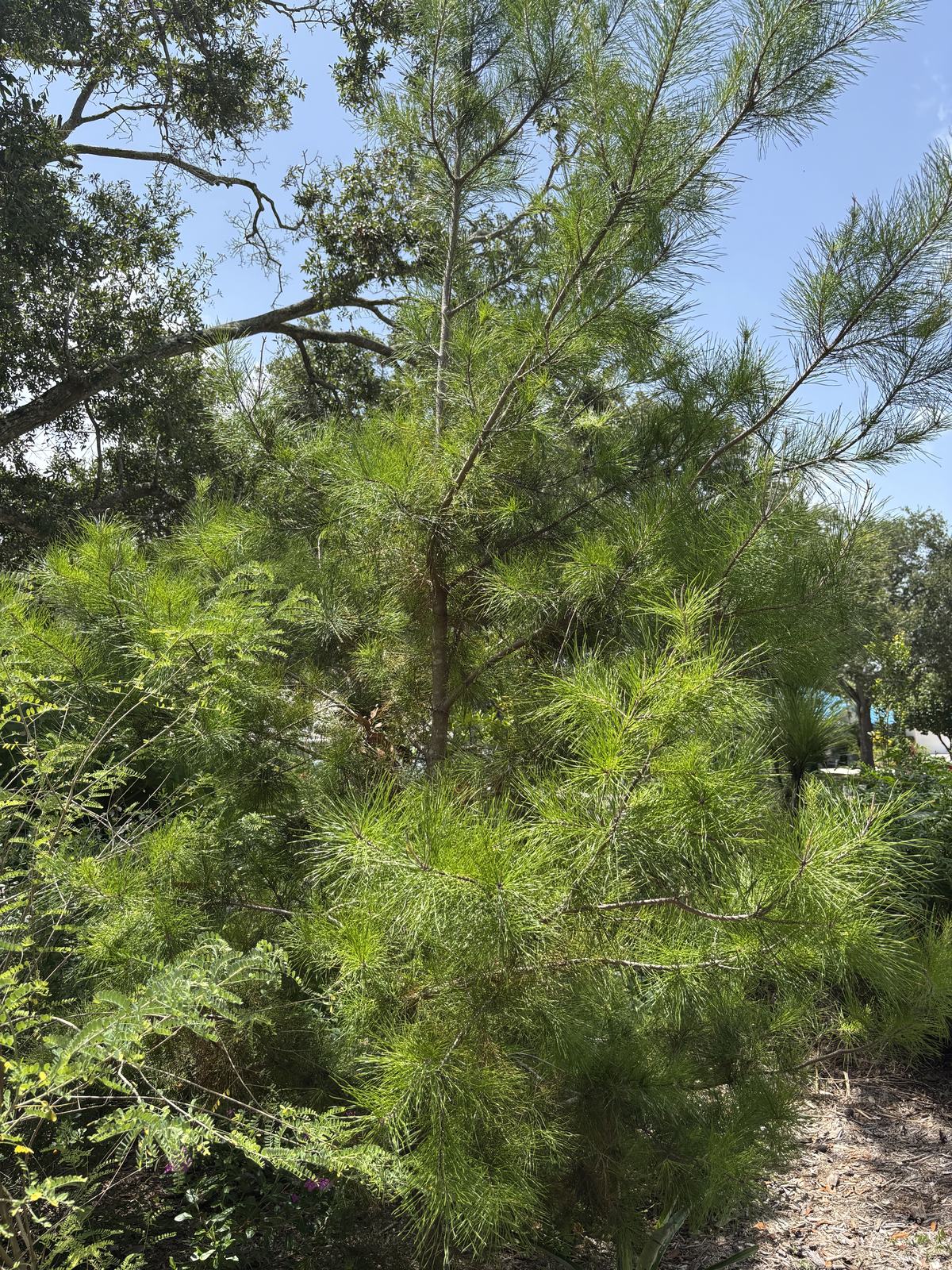
Spruce Pine
A North Florida pine that grows in shade, and I am planting it further south than the books say
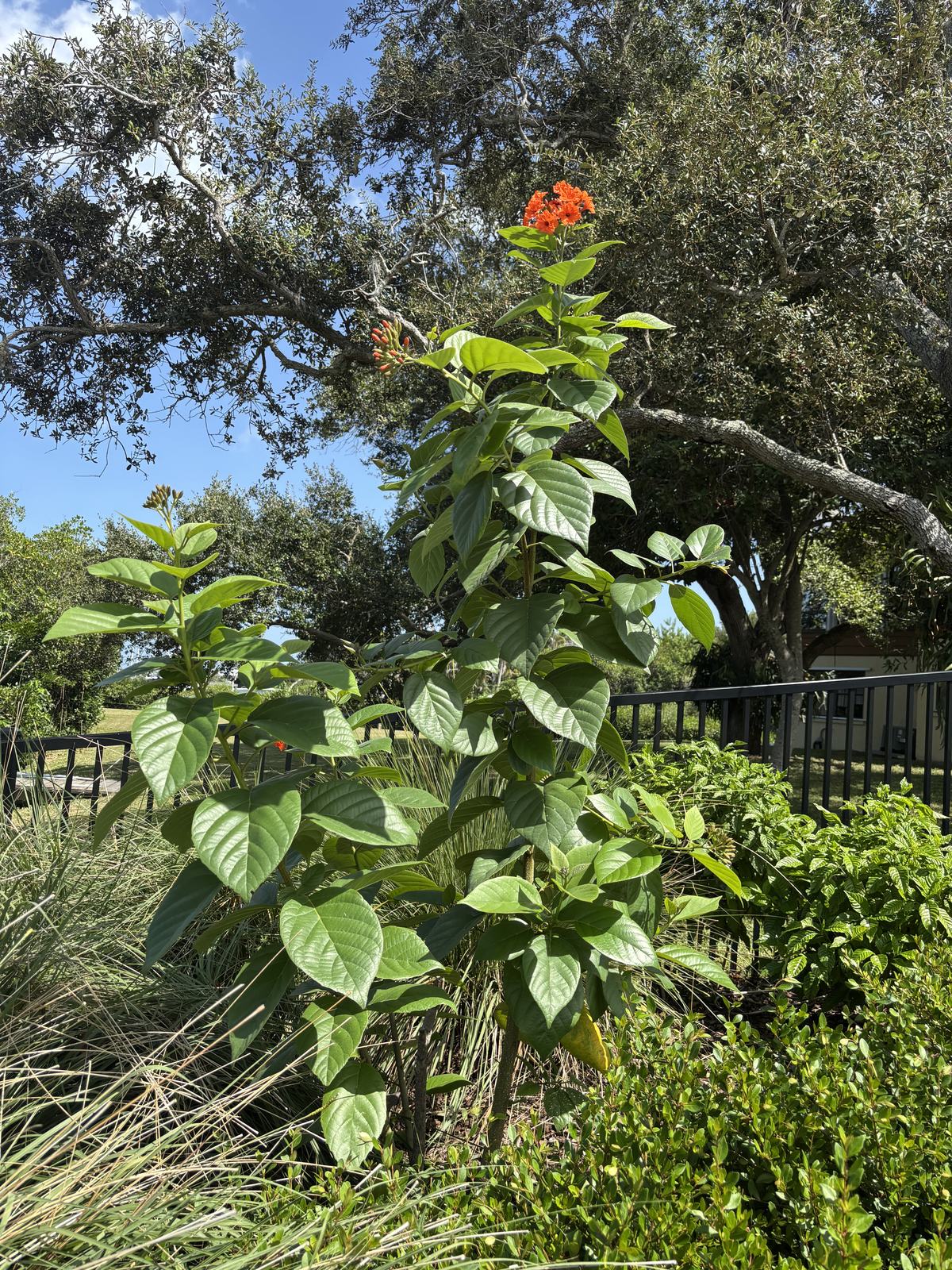
Native
Orange Geiger
Orange flowers most of the year on a salt proof small tree, and a beetle that will chew on it
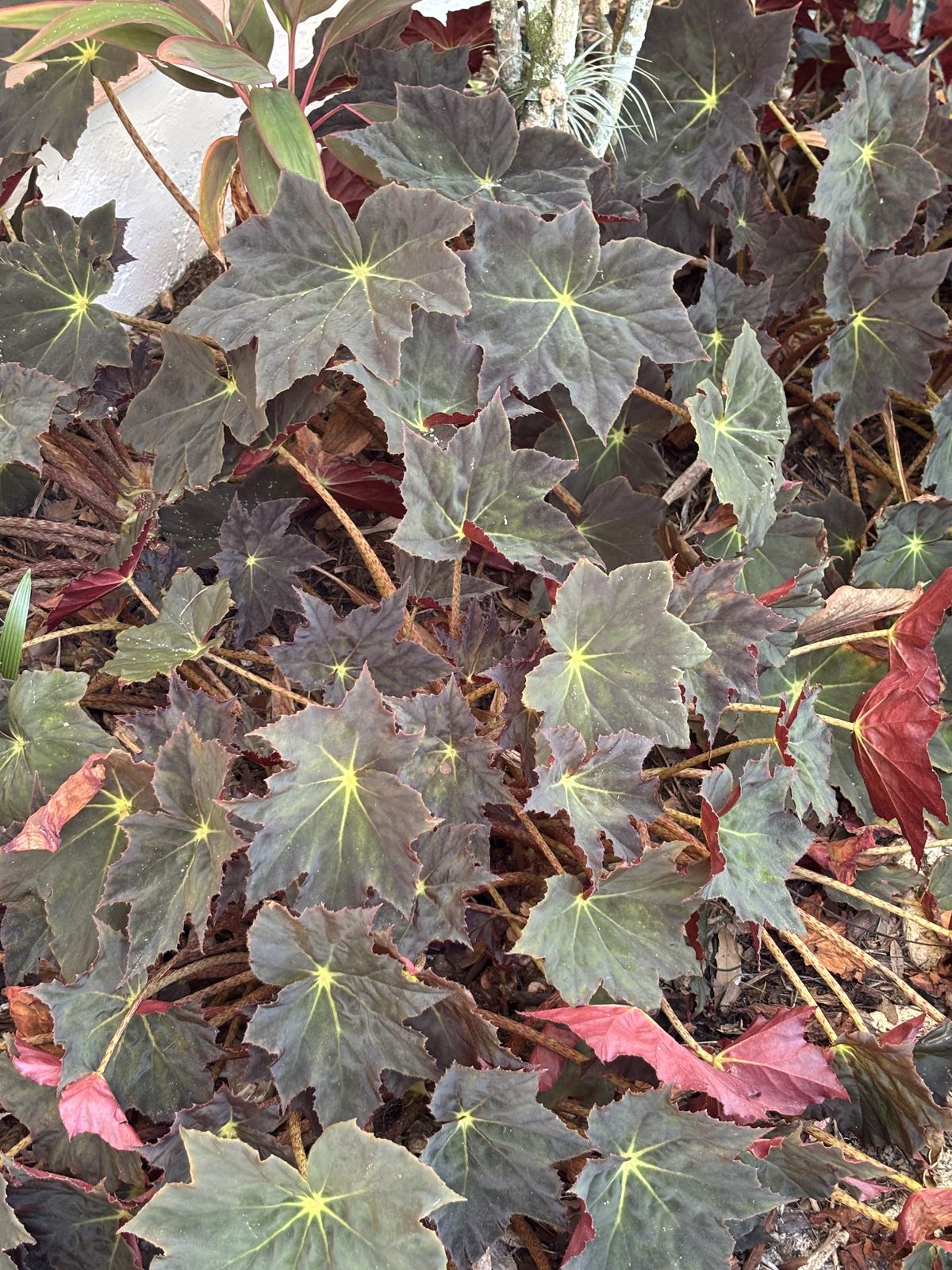
Tropical
Begonia 'Joe Hayden'
Nearly black leaves for the shade, and it has been around since 1947
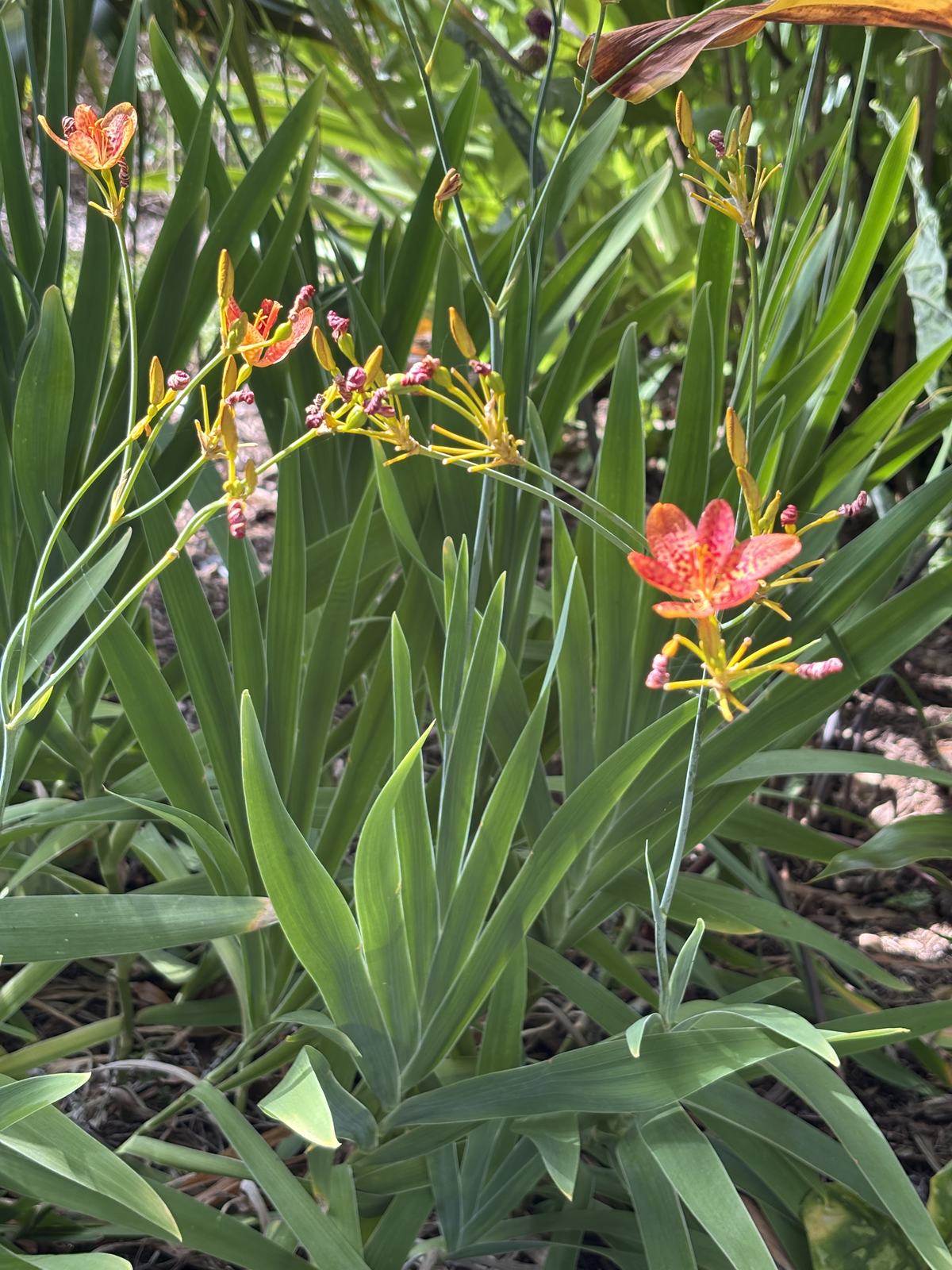
Tropical
Blackberry Lily
Orange freckled flowers in summer, then seed pods that look exactly like blackberries
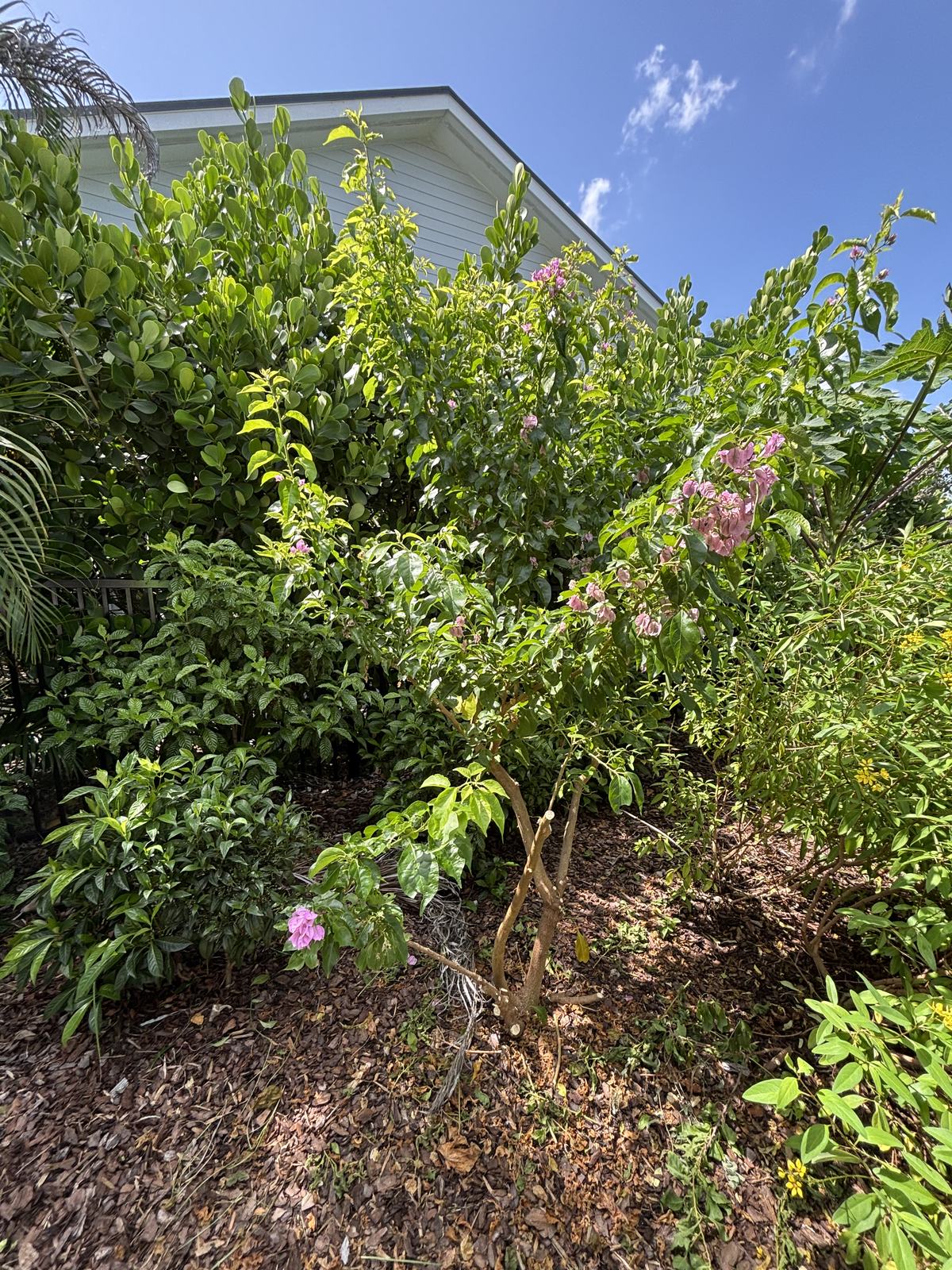
Tropical
Bougainvillea arborea
A bougainvillea that grows as a tree, with almost no thorns, and the only one I will plant
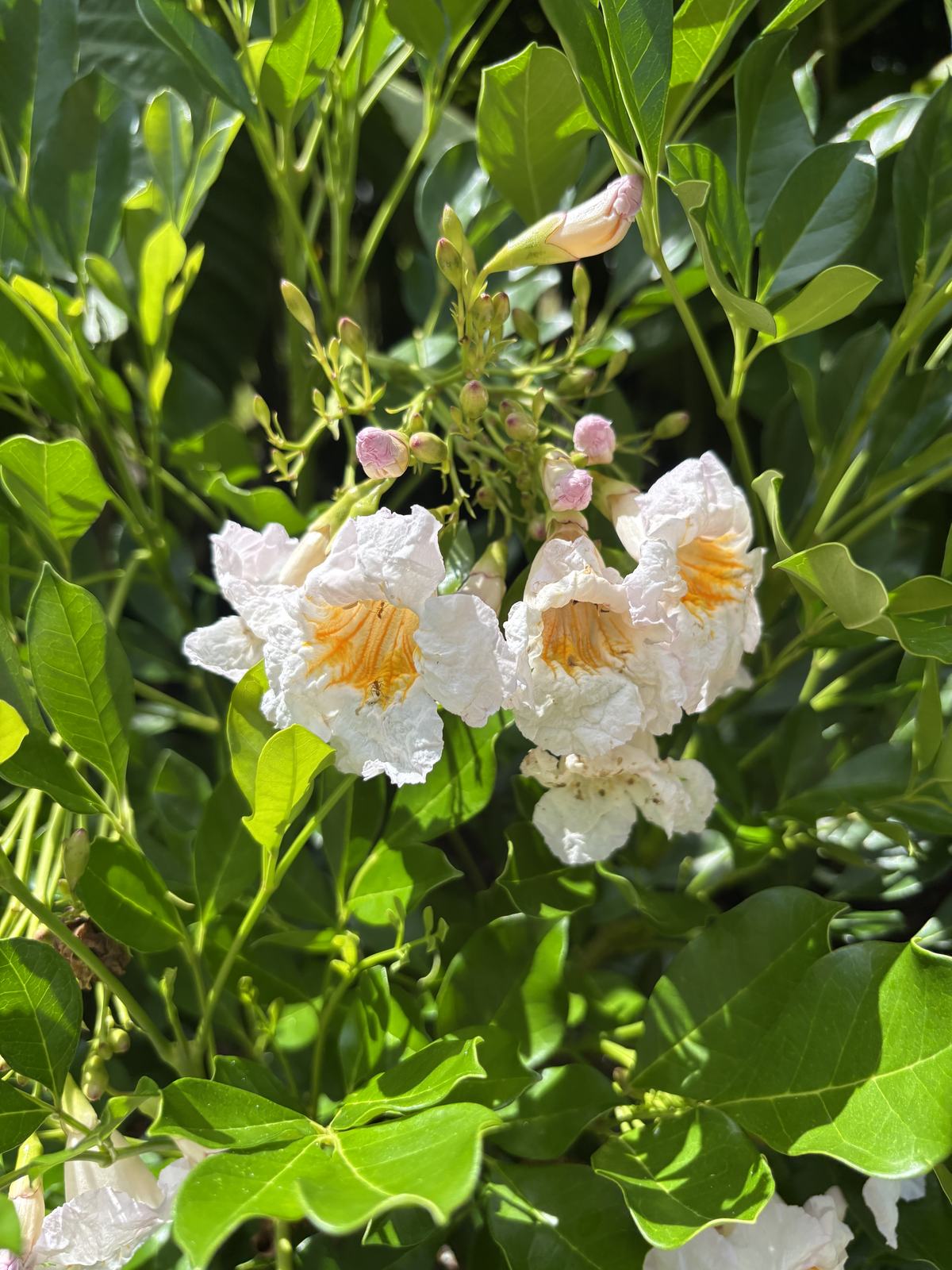
Tropical
Dwarf Tree Jasmine
Not a jasmine at all, and you can smell it from across the yard
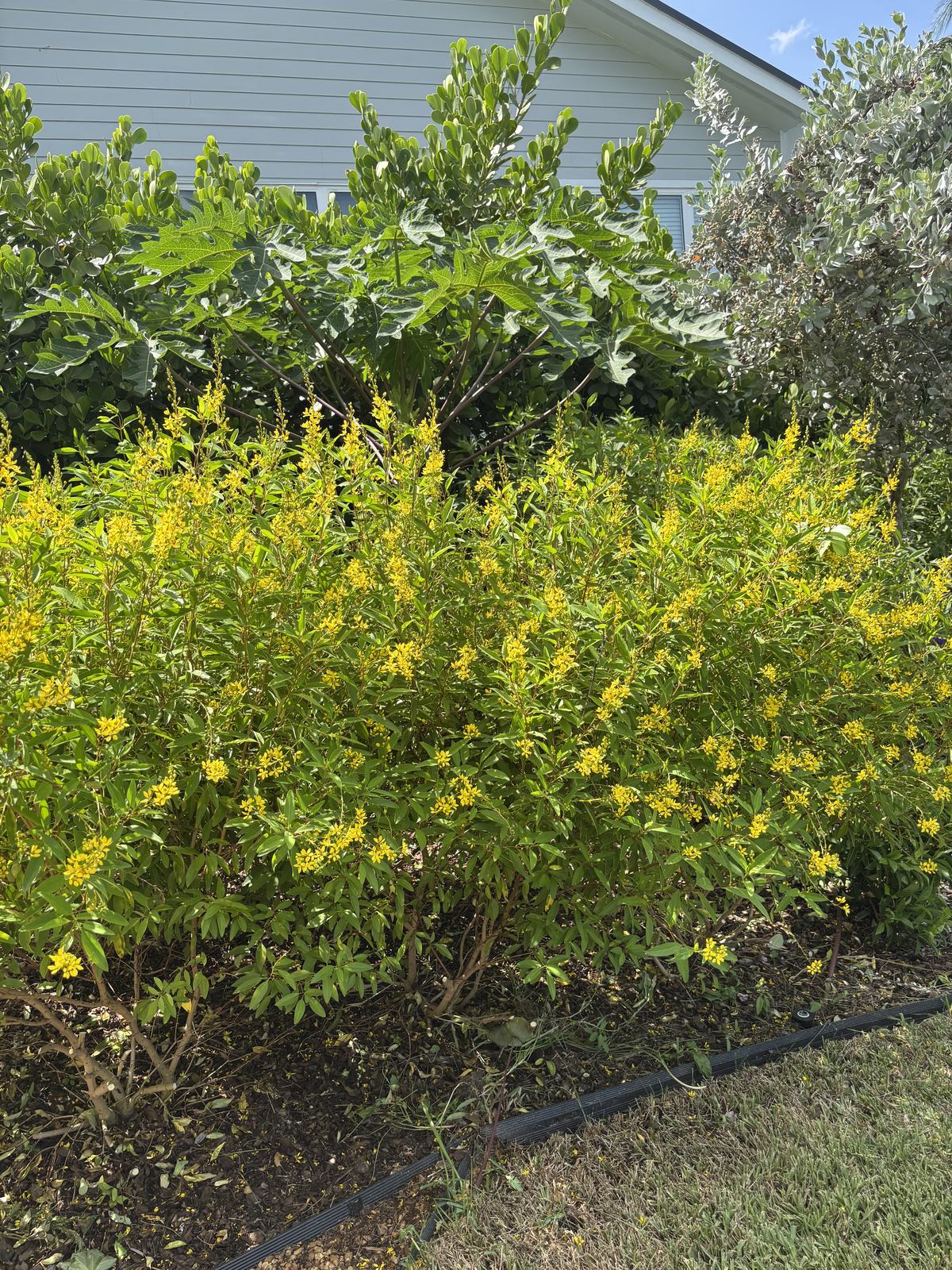
Tropical
Thryallis
Gold showers of bloom most of the year on a shrub with brittle branches and no salt tolerance
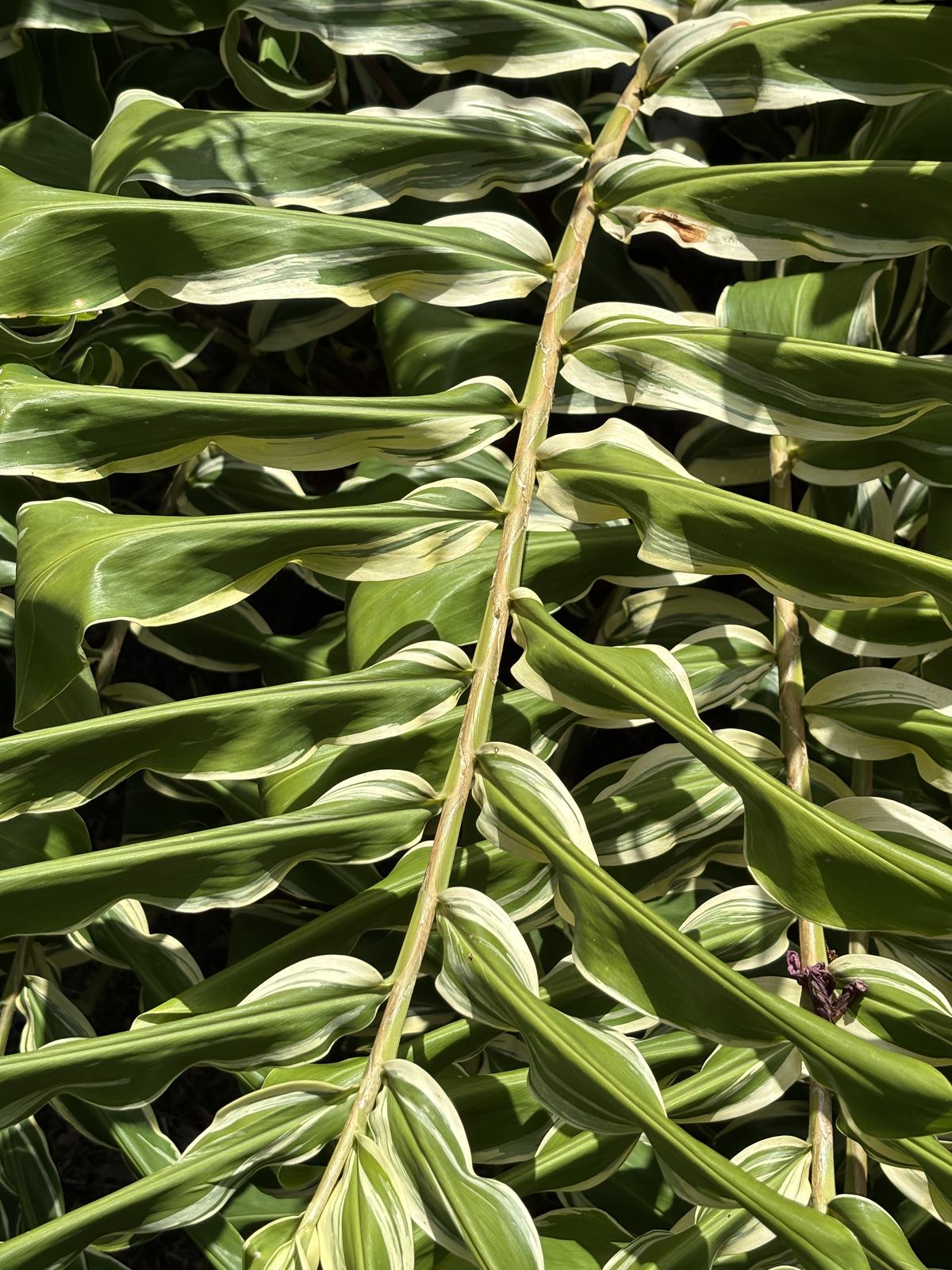
Tropical
Variegated Shampoo Ginger
Striped leaves, red pinecones full of actual shampoo, and it vanishes every winter