
Twinflower
A low native groundcover with little purple trumpets, and a host plant for the common buckeye butterfly.
A low, easygoing native groundcover with little lavender flowers and buckeye butterflies.
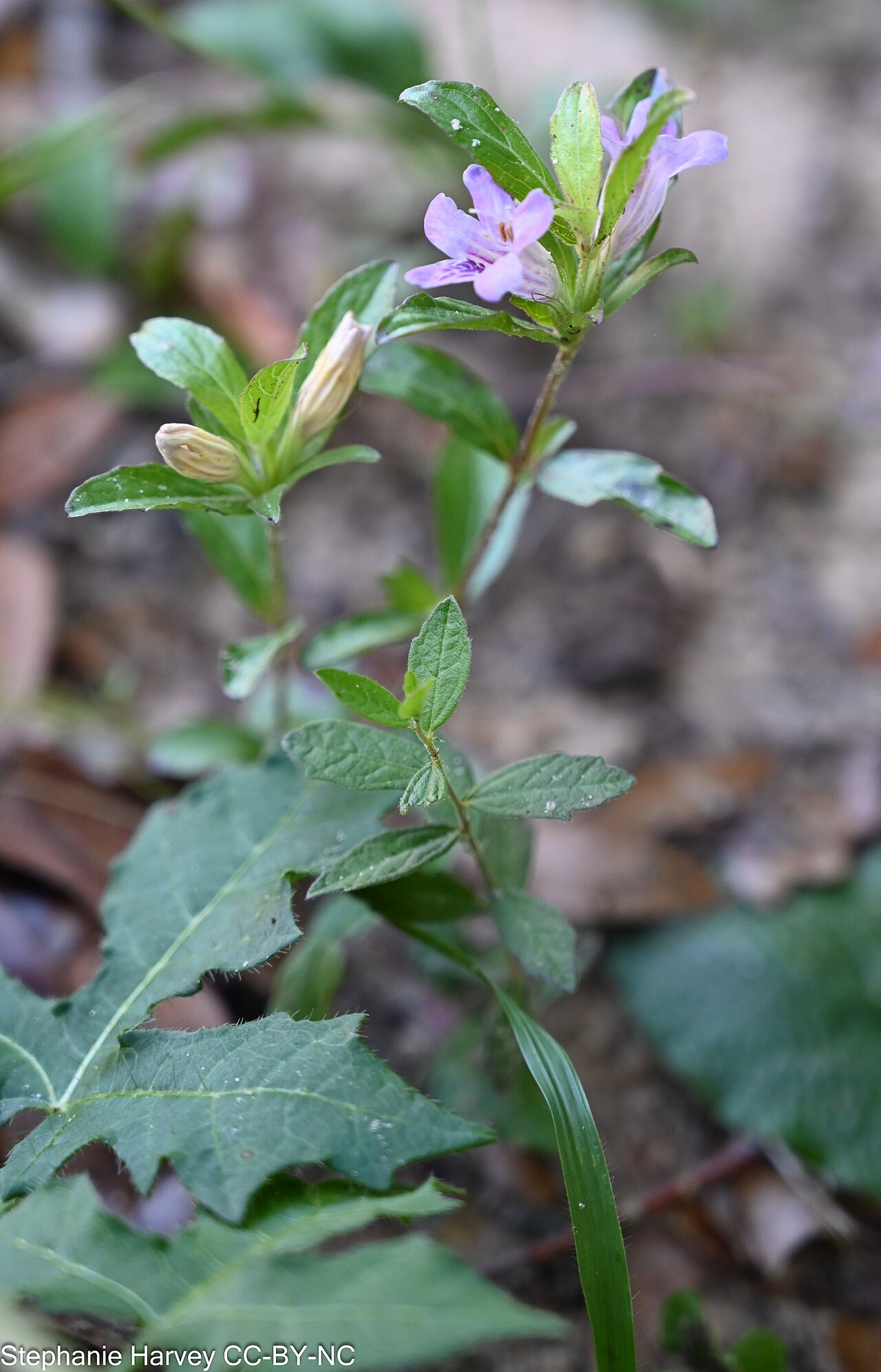
Why it works here
This is a Florida native that grows low and spreads, so it's one of my go to groundcovers to fill between taller plants or edge a native bed instead of mulch alone. It carries small lavender flowers on and off and, best of all, it's a larval host for the common buckeye butterfly, meaning caterpillars actually feed on it, so a patch becomes a little butterfly nursery. Bees work the flowers too. It's a perennial that goes dormant and thins out in winter, then fills back in.
Care
Water to establish and through dry stretches, this is the one caveat, it's only moderately drought tough and a long brutal dry spell will punish it, so it wants an occasional drink, not total neglect. Feed lightly, compost topdressed once or twice a year is plenty. No shearing needed, though you can trim it if it wanders where you don't want it. It spreads slowly to form a mat and can be divided in spring to make more.
Common problems
It's an easy plant with few pests. The honest drawback is drought: despite the "native and tough" label, extended extremely dry periods can knock it out, so don't treat it like a cactus, give it water in a long dry spell. Expect it to look thin or disappear in winter dormancy, that's normal, it returns in spring. In too much shade it gets sparse and flowers less, more sun fixes that.
Common questions
Can I use it instead of a lawn or as a walkable groundcover?
It's a good low groundcover for beds and edges, but it's not a lawn substitute for heavy foot traffic. Think of it as a living mulch between plants, not something to walk on daily.
Why did it look dead in winter?
It's a winter dormant perennial, so thinning out or dying back in the cold months is normal. Leave it be and it flushes back when it warms up.
Will the caterpillars eating it hurt the plant?
No, that's the point. Buckeye caterpillars nibble it and the plant handles it fine. A little leaf damage means it's doing its job as a butterfly host.
Interested in a twinflower in your landscape?
We plan, install, and care for it. Start with a paid consultation.