
Forked Blue Curls
Delicate curled blue blooms the bees adore. A sandy-soil charmer that reseeds where it's happy.
A native annual with intricate blue flowers and curling stamens, alive with bees.
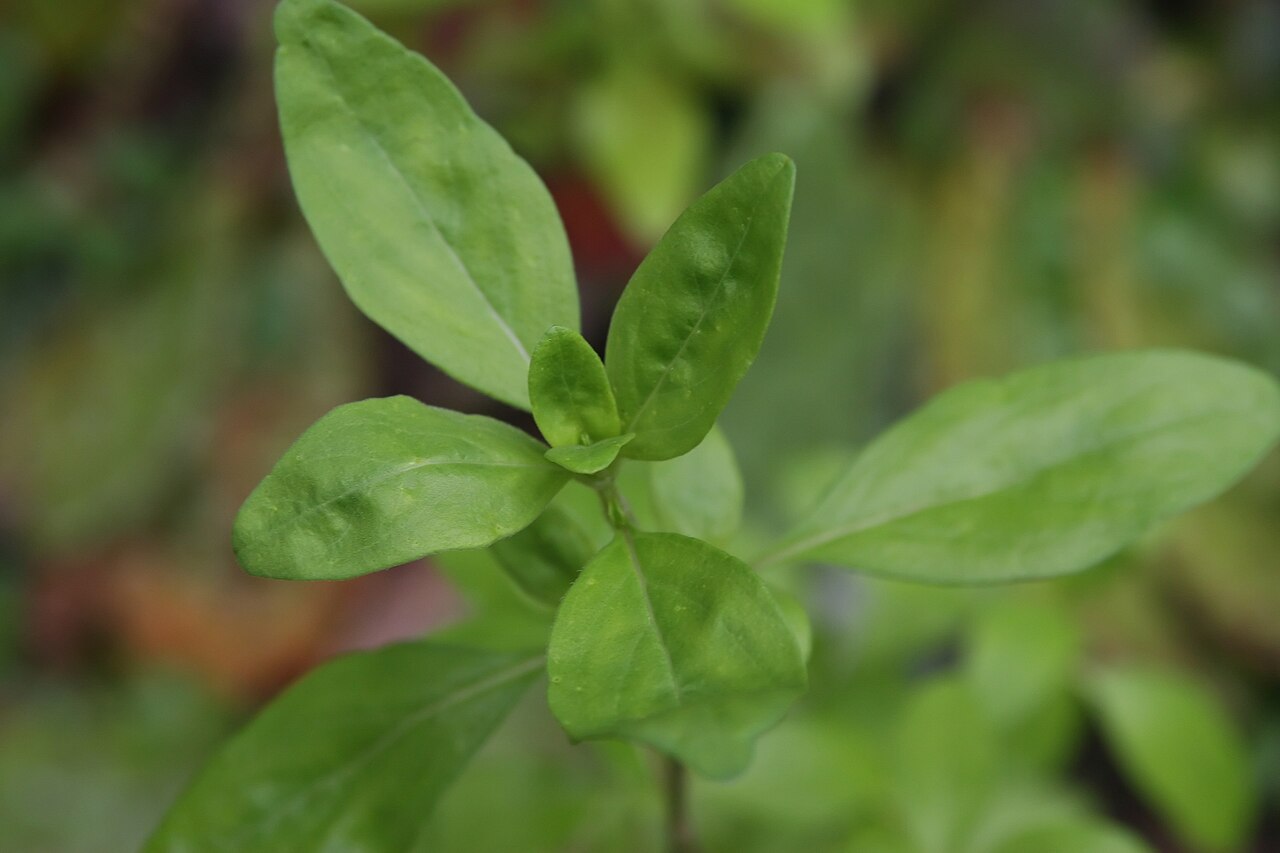
Photo: Photo by David J. Stang, via Wikimedia Commons, CC BY-SA 4.0
Why it works here
Forked blue curls is a Florida native annual whose flowers are worth getting close to: small blue blooms with long, gracefully curling stamens (the pollen bearing parts) that look almost like tiny sea creatures. It thrives in the sunny, dry, sandy conditions we have plenty of, and native bees, including some specialists, work it hard. As an annual it grows, blooms, seeds, and dies in a season, then reseeds, so it's a plant for a naturalistic wildflower area rather than a formal bed. The foliage is aromatic when brushed.
Care
Plant it in full sun and sandy, well drained soil and largely leave it be. Water only to establish and in real drought, it prefers dry. Do not fertilize, lean soil suits it. There's no pruning to speak of, it's an annual, so the plan is to let it flower and set seed, then it returns on its own next year. If you want it in a certain spot, scatter collected seed there. Buy or source it locally, because several Trichostema species and subspecies now grow in Florida and mixing them muddies the local type.
Common problems
It's an easy, pest free little native. The honest caveats are about its nature: it's an annual, so each plant dies at season's end by design, and it may reseed a little too enthusiastically, so pull volunteers where you don't want them. In shade or rich soil it gets leggy and blooms poorly, sun and lean sand fix that. Because closely related species can cross, source plants or seed locally to keep the true type going.
Common questions
Will it come back next year?
Yes, by reseeding. It's an annual, so the original plant dies, but it drops seed and a new generation comes up, especially if you leave the spent plants to mature their seed.
The flowers are tiny, is it worth it?
Up close they're some of the most intricate blue flowers you'll find, and the bees adore them. Plant a drift in a wildflower area rather than expecting one plant to carry a bed.
Do I need to deadhead or cut it back?
No. Just let it flower and set seed. Cutting it back only removes the seed you want for next year's plants.
Interested in a forked blue curls in your landscape?
We plan, install, and care for it. Start with a paid consultation.