Rusty Lyonia
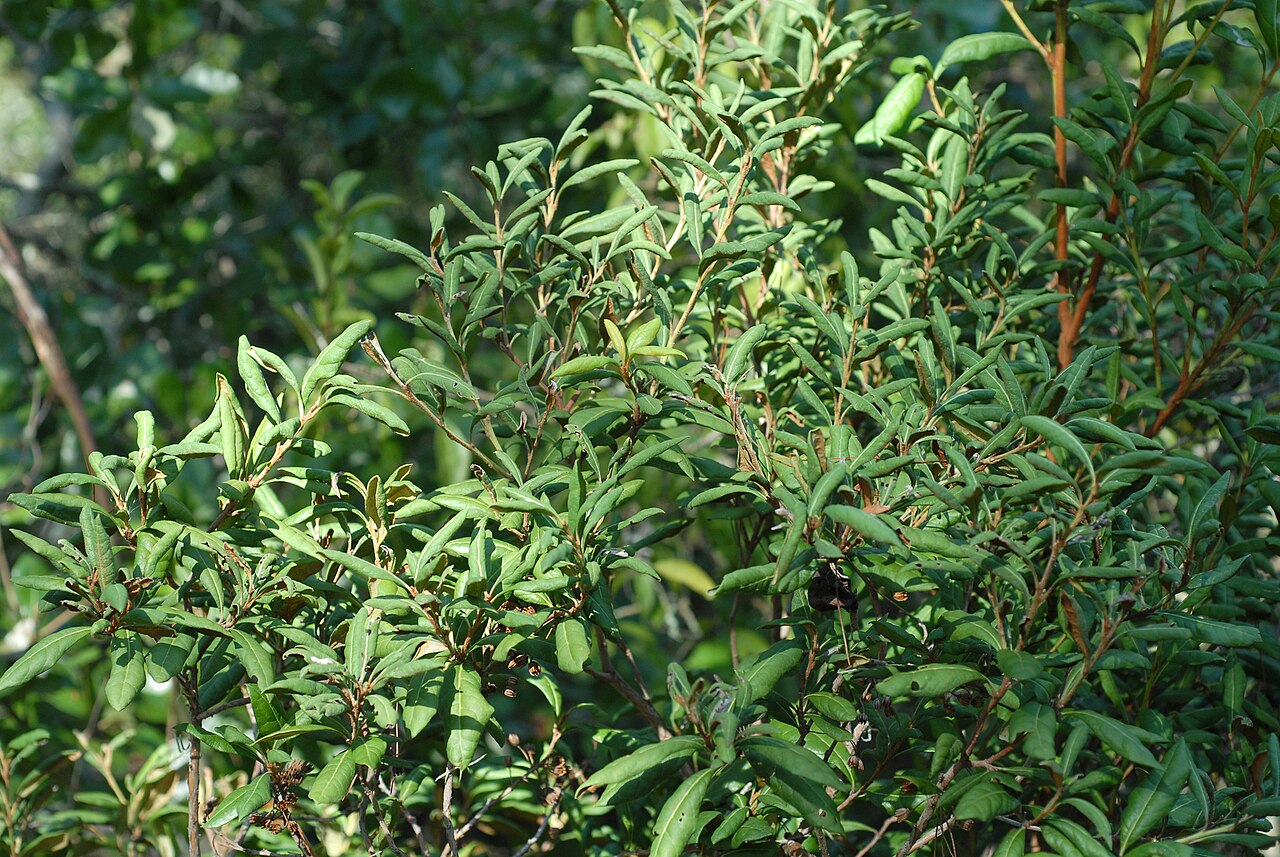
Sculptural, twisting branches and rusty-fuzzy new growth. A scrub native with more character than anything in the big box aisle.
Lyonia ferruginea
A characterful scrub native with rusty new growth and a crooked trunk.
Why it works here
Note: a scrub and flatwoods plant that needs acidic, sandy, fast-draining soil
Rusty lyonia is a true Florida scrub native, and it brings real character: a crooked, twisting trunk, interesting bark, and fuzzy rusty-orange new leaves that give it its name. Little white urn-shaped flowers in spring smell faintly of roses and pull in bees and butterflies, and birds eat the fruit. For a dry, sunny, sandy inland spot, especially a scrub or xeric native garden, it's a distinctive specimen that asks for almost nothing once established.
Care
This is a plant-it-and-leave-it native for the right site. It needs acidic, sandy, well-drained soil, so it's perfect for our dry scrubby ground and wrong for a wet, rich, or limey bed. Water it in the first couple months, then it's very drought tolerant. Don't overwater and don't fertilize heavily, it evolved for lean sand. It suckers a bit and doesn't reseed much, and pruning is mostly about showing off that gnarled trunk as a specimen.
Common problems
Easy and low-maintenance where the soil suits it, but that's the catch: it wants acidic, fast-draining sand and will struggle in wet, heavy, or high-pH ground, so match it to a dry scrub-type site. It won't take coastal salt.
One more caveat: like others in its family, the foliage is toxic to grazing livestock, which earned it the old name staggerbush, so it's not one for a pasture edge. In the home landscape that's a non-issue.
Common questions
What soil does it need?
Dry, acidic, sandy, well-drained scrub soil. That's the key to it. In a wet or heavy or limey spot it sulks, so it's a plant for the high, dry, sandy parts of the yard.
What makes it interesting to look at?
The rusty-orange fuzzy new growth and the crooked, characterful trunk and bark. It reads as a sculptural specimen rather than a plain green shrub.
Does it need much care once it's in?
Almost none. On the right dry sandy site it's about as low-maintenance as natives get, no irrigation to speak of and no feeding.
Interested in a rusty lyonia in your landscape?
We plan, install, and care for it. Start with a paid consultation.