
Hibiscus
The tropical flower everyone knows, in more colors than I can keep track of. It's a hungry plant, and organic feeding keeps it blooming.
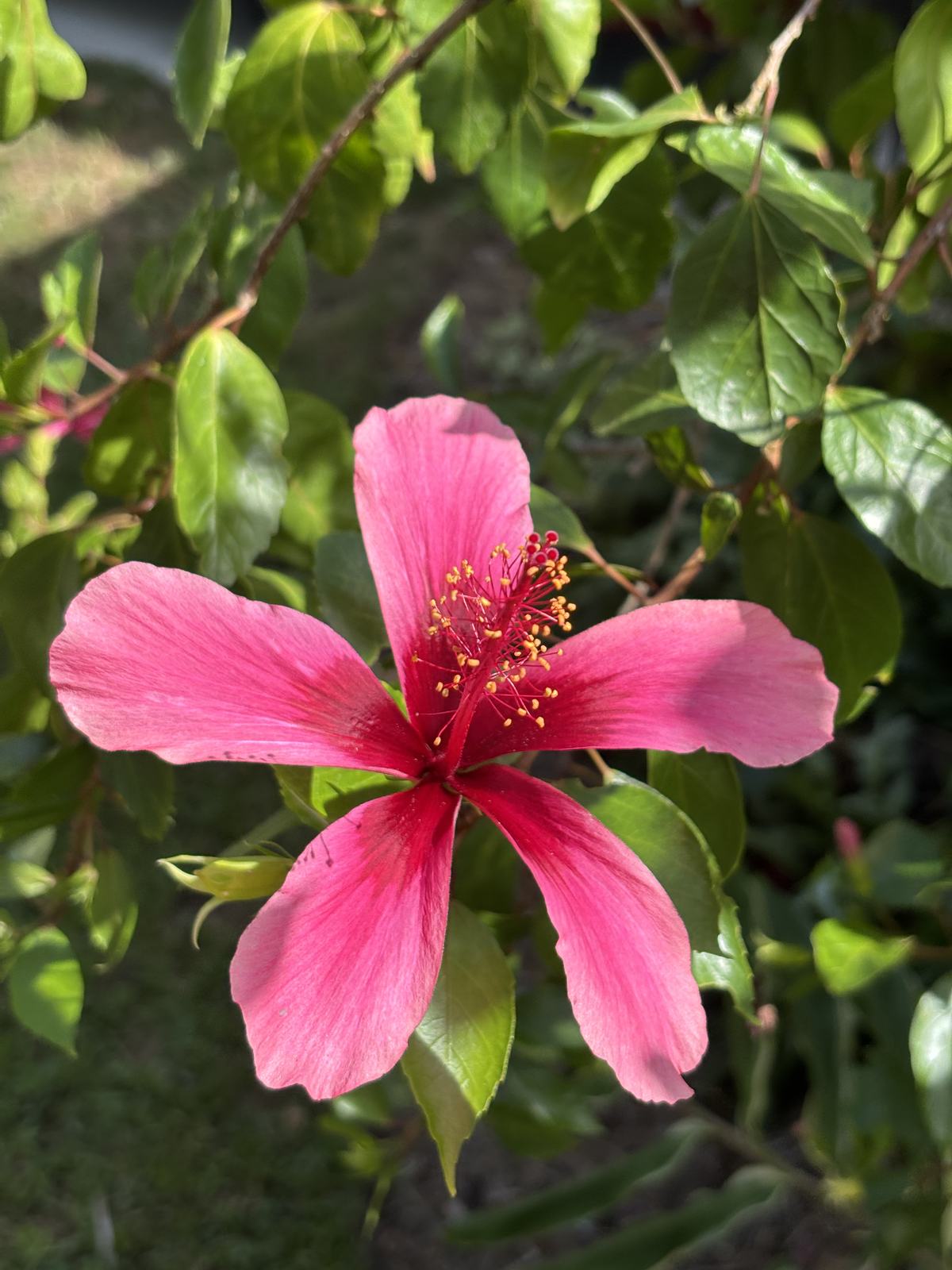
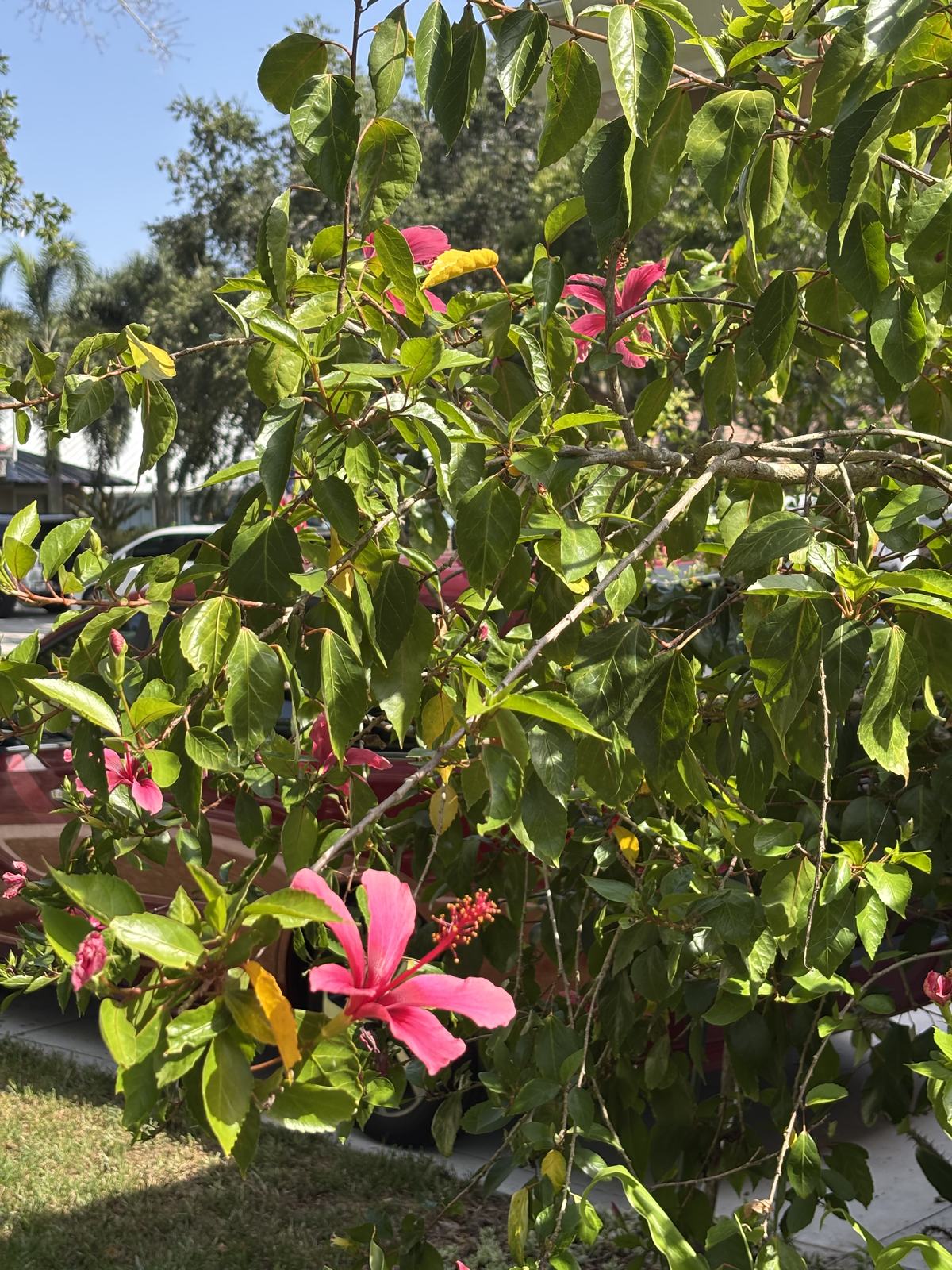
The classic tropical hibiscus with big, showy, single or double flowers.
Why it works here
Tropical hibiscus is about as iconic as Florida color gets, with dinner-plate flowers in reds, pinks, yellows, oranges, and blends, blooming much of the year in our warmth. Each flower lasts a day or so, but a healthy plant keeps them coming. It works as a specimen, an informal hedge, or a screen. It suits Stuart's climate well, and the main honest topic with hibiscus is pests, covered below.
Care
Water regularly, keeping the soil evenly moist but never waterlogged. Hibiscus are heavy feeders for flowers, so feed through the warm season with compost and a balanced organic fertilizer, and go a little higher on potassium than nitrogen for blooms. Mulch to hold moisture and steady the roots. Prune in late winter or early spring to shape and control size, cutting back by up to a third, and it rebounds bushier. Pinch tips through the season for a fuller plant.
Common problems
Pests are the honest headline. Aphids and whiteflies cluster on new growth and leave sticky honeydew and black sooty mold; rinse them off and use an organically listed horticultural oil. The hibiscus gall midge lays eggs in buds and causes them to yellow and drop before opening, which frustrates a lot of gardeners; pick up and dispose of fallen buds to break the cycle. Pink hibiscus mealybug can distort growth; treat with horticultural oil and encourage beneficial insects. Bud drop can also come from watering swings, so keep moisture even.
Common questions
Why do the flower buds fall off before they open?
Two common causes. One is the hibiscus gall midge, whose larvae ruin buds from inside, so clean up dropped buds to interrupt it. The other is uneven watering or stress, so keep moisture steady. If buds are yellowing and dropping in numbers, suspect the midge.
How do I get more flowers?
Full sun, steady water, and regular feeding through the warm season, leaning toward potassium over nitrogen. A late-winter prune plus tip-pinching keeps the plant bushy, and more branch tips means more flowers.
How hard can I prune it?
You can cut it back by up to a third in late winter or early spring without hurting it. It responds with fresh, bushier growth and blooms on that new wood, so a yearly shaping keeps it full and flowering.
Interested in a hibiscus in your landscape?
We plan, install, and care for it. Start with a paid consultation.