Bahama Strongbark
Orange flowers for butterflies, orange berries for birds. Privacy that pulls in wildlife.
Bourreria succulenta
Rare in the wild, beloved by butterflies, with berries the birds fight over
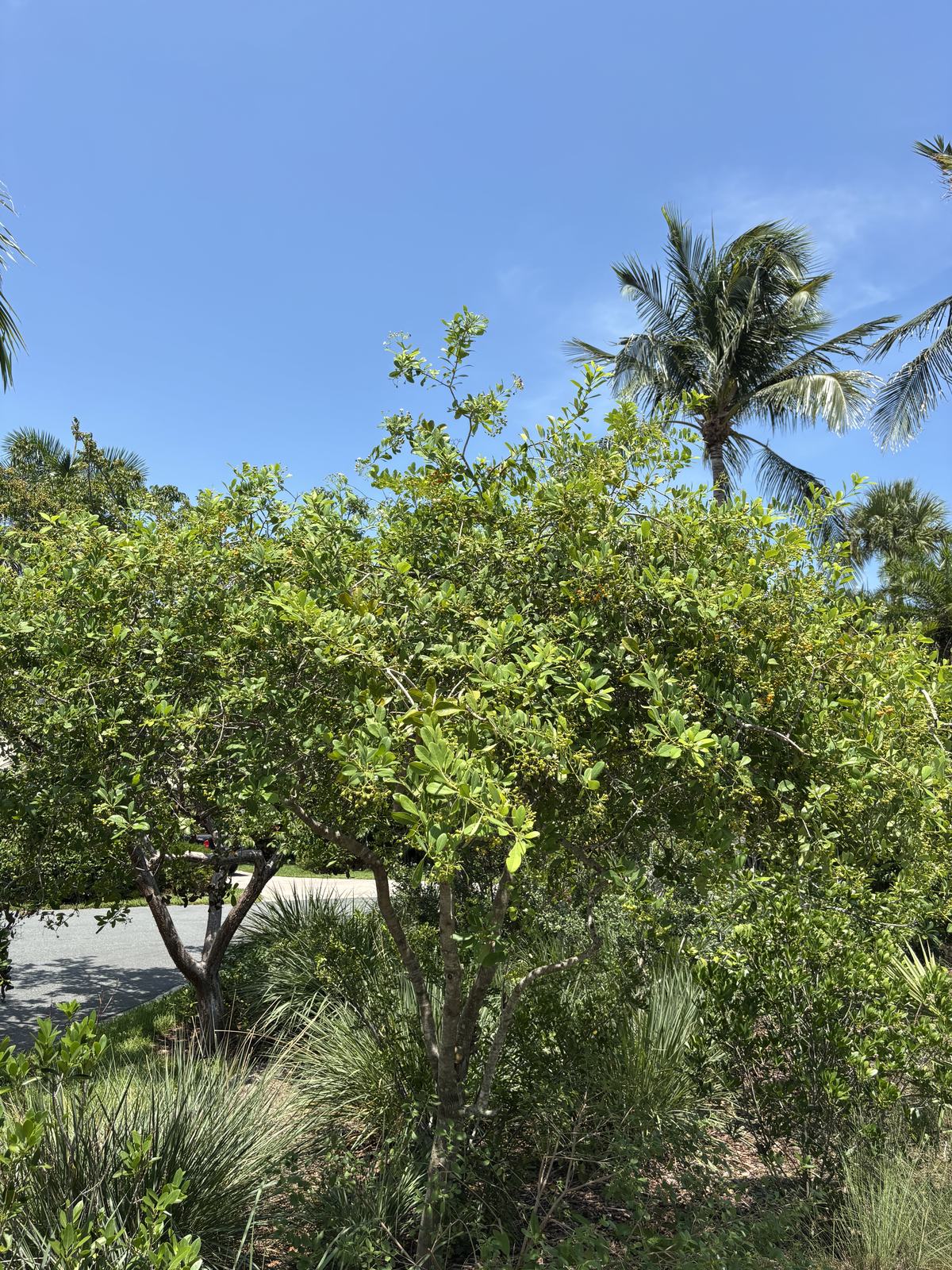
Photo: Longleaf Design
Why it works here
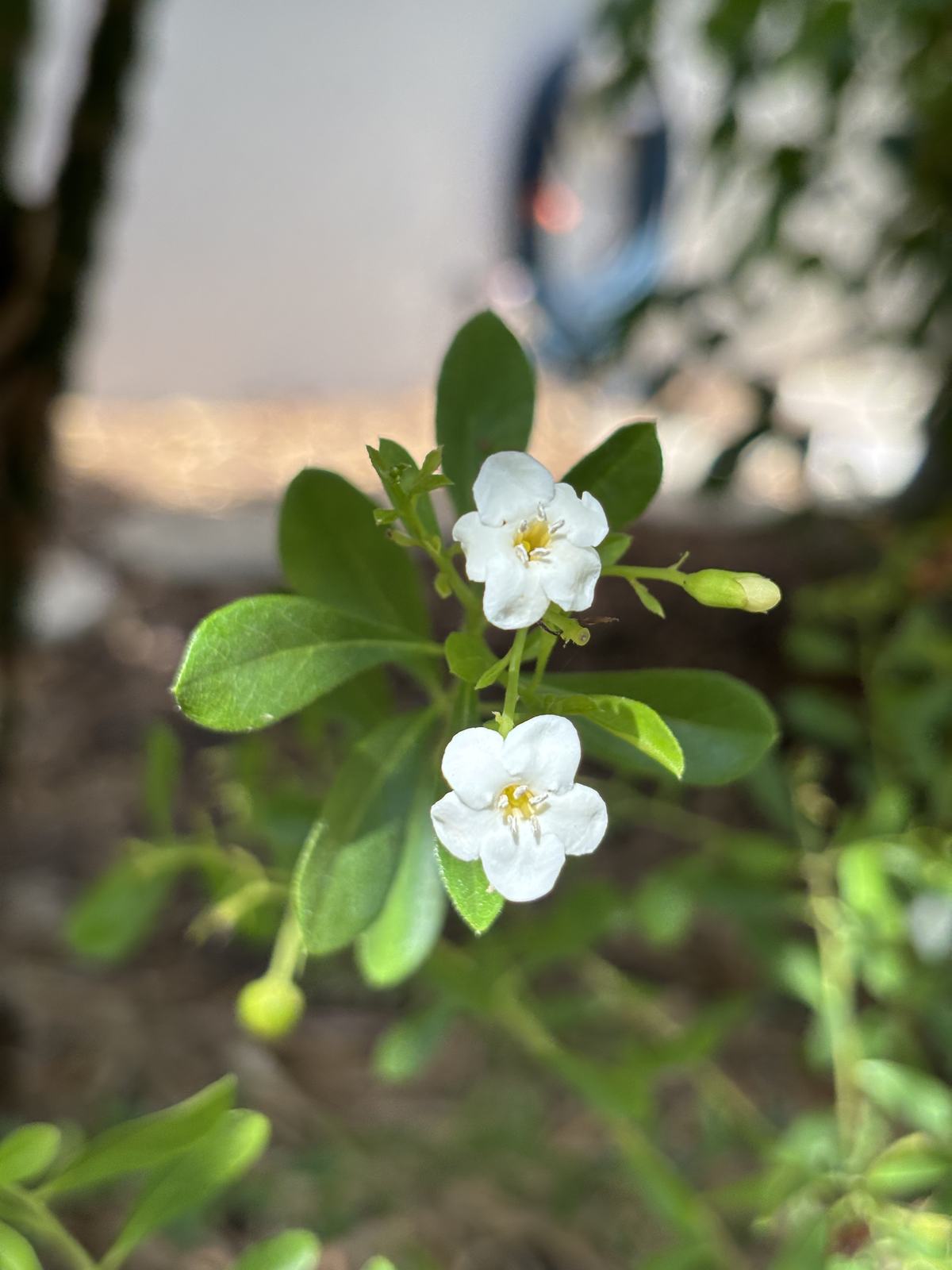
Bahama strongbark is a South Florida rockland native that has become rare in the wild, so every one planted in a yard is a small act of conservation. And you're not sacrificing anything to do it: clusters of small white flowers appear from summer into fall and often on and off beyond that, and they're a magnet for bees, butterflies, and even hummingbirds. Showy orange-red berries follow, and mockingbirds and catbirds go after them hard. It loves sandy and alkaline soils, laughs at drought, and works as a big shrub, a screen, or a small specimen tree. In Stuart it sits near the top of its cold range, so give it a spot sheltered from hard freezes.
Care
Water it through establishment, then err on the dry side: this plant grew up on limestone and hates soggy roots. Mulch, compost once a year, and prune only to shape or to lift it into small tree form. Growth is moderate. No staking, no fuss.
Common problems
Few. Cold is the main risk here at the north edge of its range: a hard freeze can burn it back, though established plants usually recover from lower wood. Poor drainage will kill it faster than any pest, so keep it out of low wet spots. Insect and disease problems are minor and rarely need any response beyond patience.
Common questions
What butterflies will I actually see on it?
Expect a steady traffic of nectar feeders: sulphurs, zebra longwings, gulf fritillaries, plus native bees and sometimes a hummingbird. When it's in full bloom the whole shrub hums.
Why is it called strongbark?
The name nods to its dense, tough wood, and the tree itself is sturdy in wind. It's a plant built for the rough coastal rocklands it comes from.
Is it really rare?
In the wild in Florida, yes, its rockland hammock habitat has mostly been lost to development. In cultivation it's increasingly available at native nurseries. Planting one gives the species more ground to stand on, which is the kind of gardening I can get behind.
Interested in a bahama strongbark in your landscape?
We plan, install, and care for it. Start with a paid consultation.