
Garcinia (multiple species)
The mangosteen family. Slow, picky about our chalky coastal sand, and home to some of the best fruit on the planet.
The mangosteen family, slow-growing understory trees with small jewel-like sweet-tart fruit.
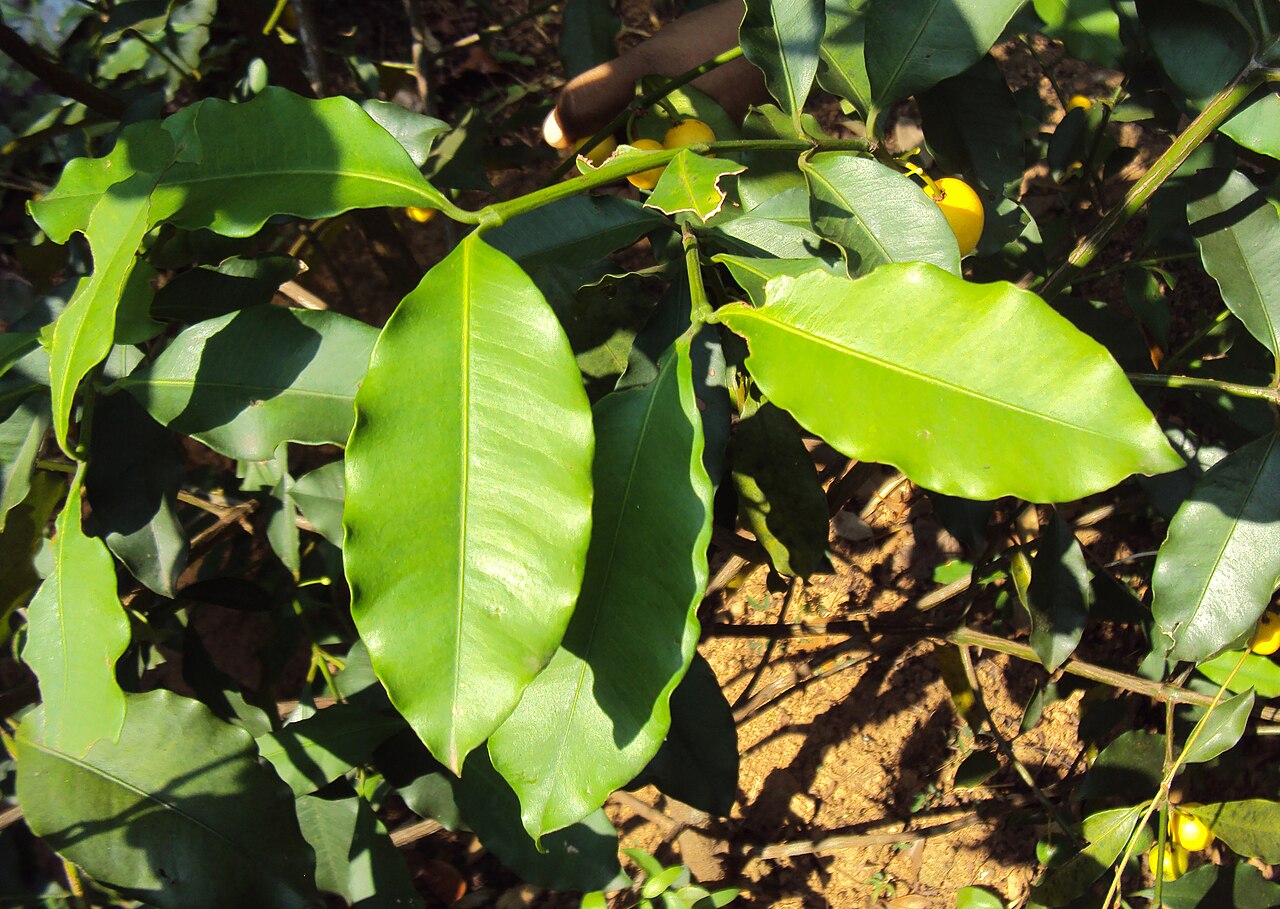
Why it works here
Garcinia is a big genus, around 300 species, and a handful do well in South Florida for adventurous growers. They are slow, patient trees that prefer fertile, acidic to neutral soil rich in organic matter, which means our alkaline sands and limestone need real amending with compost and often chelated iron to keep the leaves from yellowing. Three worth knowing here:
Imbe (Garcinia livingstonei), the African mangosteen. The toughest of the group, cold hardy to about 26 degrees, good salt-spray tolerance, and drought tolerant once established. It stays small, around 15 feet, often multi-trunked, with bright orange, acid-sweet fruit in early summer. Note it is dioecious, meaning you need both a male and a female tree to get fruit.
Achachairu (Garcinia humilis, also sold as achacha). A conical tree to 24 to 30 feet that shrugs off brief cool spells in the 40s, tolerates some salt, and fruits May through August. Patient though: it often takes 7 to 8 years to bear.
Lemon drop mangosteen (Garcinia intermedia, also called monkey fruit). A small tree, 10 to 20 feet, with thin-skinned bright yellow-orange fruit and a sweet-tart citrus flavor. More cold-tender, with damage likely below about 40 degrees, so it wants a warm, protected spot on the Treasure Coast.
Care
Treat the whole group as acid-loving, moisture-loving understory trees. Build the soil with compost and mulch heavily, off the trunk, and expect to correct iron deficiency, where new leaves yellow between green veins, with chelated iron and steady organic feeding in our high-pH ground. Keep them consistently watered, since drought can cost most of a year's crop, and give young trees some shade before easing them into more sun. Be patient. These are not fast trees, and rushing them does not work.
Common problems
Garcinias are generally pest-light and low-drama once established. The real hurdles here are our alkaline soil, which drives the leaf yellowing, and their slow pace to first fruit, which tests a grower's patience. For imbe specifically, remember the male-and-female issue, since a lone tree will flower but never fruit. Honest caveat: if you want fruit next year, this whole family is the wrong choice. If you enjoy a slow, rewarding, collector's tree, they are a delight.
Common questions
Which Garcinia should I start with here?
Imbe. It is the hardiest, most salt and drought tolerant, and stays small. Just plant a male and a female so you actually get fruit.
Why are the leaves on my Garcinia yellow?
Almost always iron deficiency from our alkaline soil. The new leaves yellow between green veins. Correct it with chelated iron, plenty of compost and mulch, and patience. It is a soil issue, not a bug.
How long until I get fruit?
Plan on years, often seven or eight from seed for achachairu, a bit less for imbe. These are slow understory trees. If that timeline bothers you, one of the annonas or the white sapote will feed you far sooner.
Interested in a garcinia (multiple species) in your landscape?
We plan, install, and care for it. Start with a paid consultation.