
Green Sapote
Mamey's rarer, milder cousin. Slow and particular, and a collector's prize when it fruits.
Pouteria viridis
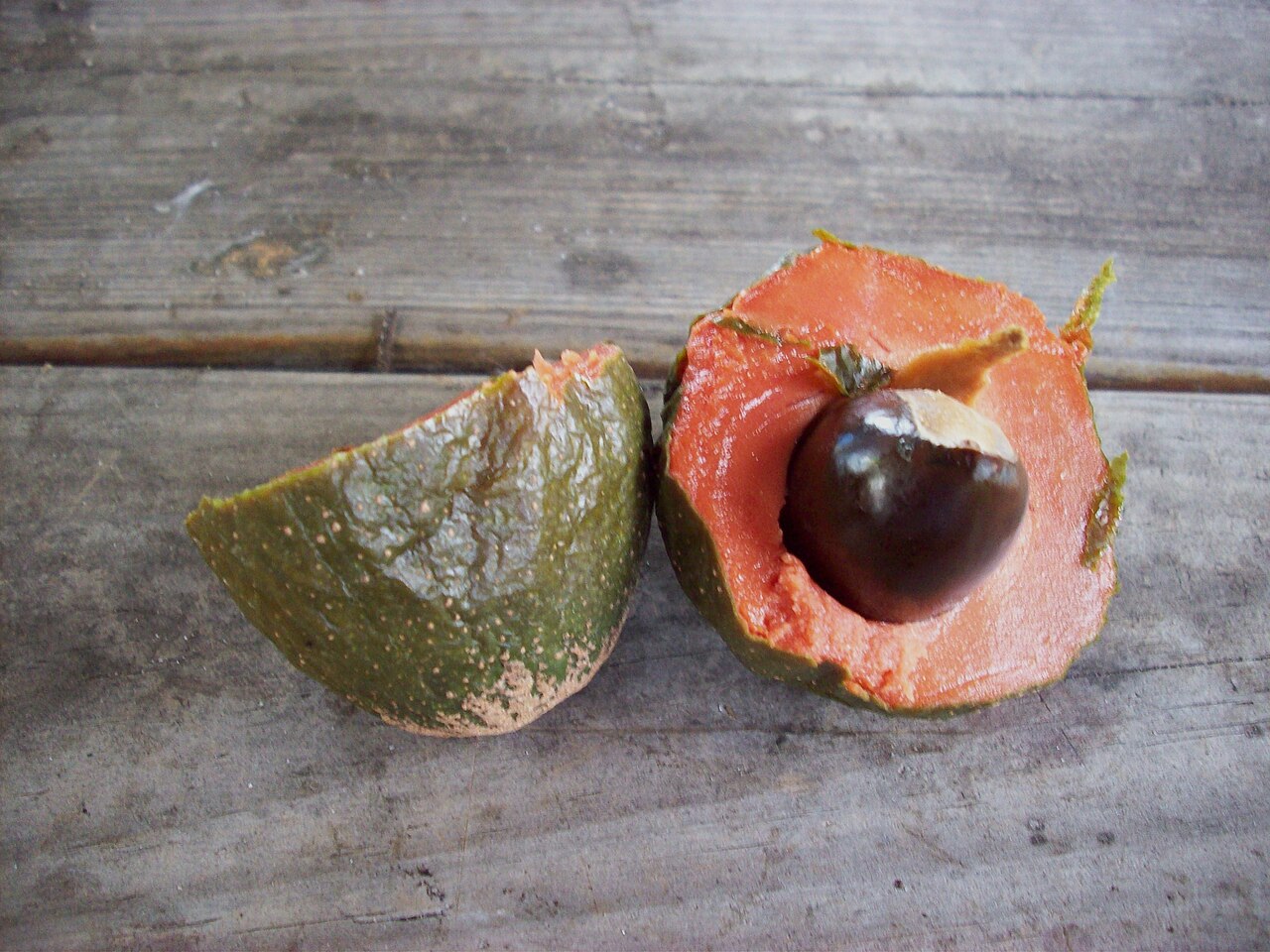
A rare mamey relative with melting, sweet flesh that many growers rate above mamey itself.
Why it works here
Green sapote is a rare-fruit-collector tree, closely related to mamey but with flesh a lot of people like even more. It is more cold-sensitive than white sapote, with references calling it intolerant of freezing, so on the Treasure Coast it belongs in the warmest microclimate you have, tucked near a wall or the house. It fits our sandy, well-drained soils and rewards patience with a winter harvest, which is a nice window when little else is ripe.
Care
Keep young trees watered regularly and never let them sit in soggy soil. Feed with compost and balanced organic fertilizer during the warm months and mulch wide, off the trunk. The fruit takes nine to ten months on the tree to mature, so steady care across the year matters. Prune to hold size and set a strong frame, since the wood is soft and the tree naturally wants to get tall. Protect a young tree on cold nights.
Common problems
Little is documented for pests and diseases on green sapote here, which fits its trouble-free reputation among the sapotes. The tree bleeds a lot of white, gummy latex when cut, so prune cleanly and expect the sap. Honest caveat: the real challenge is cold. It is the tenderest sapote on this list, and a hard freeze can kill a young tree, so site it carefully and be ready to protect it.
Common questions
How is it different from mamey?
Green sapote is a smaller-fruited cousin with softer, juicier, melting flesh that many growers rate as better tasting than mamey. It is also more cold-sensitive, so it is a bit more of a gamble here.
When do I get fruit?
The harvest window is roughly December through March, and the fruit hangs nine to ten months before it ripens. From seed the tree may take 8 to 10 years to start, so a grafted tree is worth it.
Will it survive a Treasure Coast winter?
Only in your warmest spot, and even then I would protect it young. This is a plant for someone who wants the rare fruit and will fuss over it a little.
Interested in a green sapote in your landscape?
We plan, install, and care for it. Start with a paid consultation.