
Fig
Two crops of jam-sweet fruit from a compact tree.
Ficus carica
An old Southern dooryard favorite that fruits without fuss, if you pick the right variety.
Why it works here
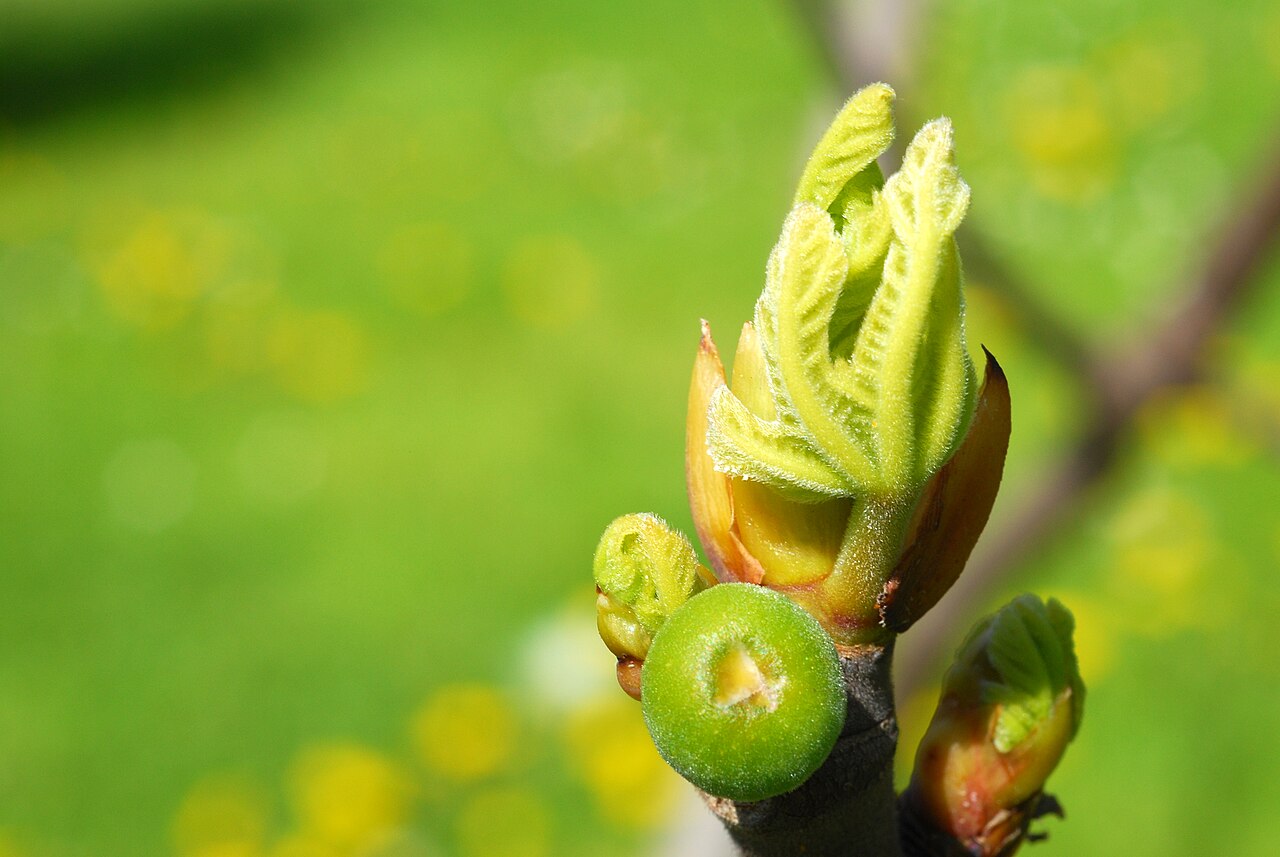
Fig is a classic Southern backyard fruit, deciduous, easygoing, and productive, and it roots so readily from a cutting that one good tree can start a whole neighborhood. The key in humid Florida is variety choice: pick a closed-eye type like 'Celeste' or 'Brown Turkey', where the little opening at the bottom of the fruit (the ostiole) is tight, so rain and insects cannot get inside and rot the fruit. Get that right and figs are one of the more carefree fruits you can grow.
Care
Plant in full sun with good drainage and mulch generously, figs have shallow roots that appreciate a cool, moist, mulched surface and a compost topdressing. Water evenly as the fruit sizes, since drought at that stage causes fruit to drop or split. Feed lightly with compost, and avoid heavy late-season feeding that pushes tender growth into cold weather. Prune in winter while dormant to control size and open the plant up for airflow, which cuts down on our humid-climate diseases.
Common problems
Fig rust: the most common fig disease here, a fungus that spots and browns the leaves and causes early leaf drop. The cultural response is to rake up and destroy fallen leaves, prune for airflow, and keep the plant vigorous, a healthy fig usually still fruits fine despite some rust.
Root-knot nematodes: a real issue in our sandy soils, they weaken the roots. The cultural response is heavy mulch and compost to build soil life, keeping the tree well-watered, and growing in a large container or raised, amended bed where nematode pressure is bad.
Birds and squirrels: they love ripe figs. Harvest daily as fruit softens, and net if you must.
Common questions
Which fig should I plant in Florida?
A closed-eye variety, that is the whole trick in our humidity. 'Celeste' and 'Brown Turkey' are the two proven Florida standbys because their tight ostiole keeps rain and bugs out of the fruit. Open-eye figs tend to sour and rot here.
Why did my figs split or turn to mush before ripening?
Usually uneven water, a dry spell followed by heavy rain or watering makes fruit split, and open-eye varieties let moisture in to rot them. Keep water even with good mulch, and grow a closed-eye type.
Do I need two figs to get fruit?
No. The common Florida figs are self-fruitful and need no pollinator (and no fig wasp), so a single plant fruits fine on its own.
Interested in a fig in your landscape?
We plan, install, and care for it. Start with a paid consultation.