
Black Sapote
The chocolate pudding fruit. Ripe flesh really does look and spoon like pudding, and it's one of the easier sapotes here.
Diospyros nigra
The chocolate-pudding fruit, a big, glossy, nearly trouble-free tree.
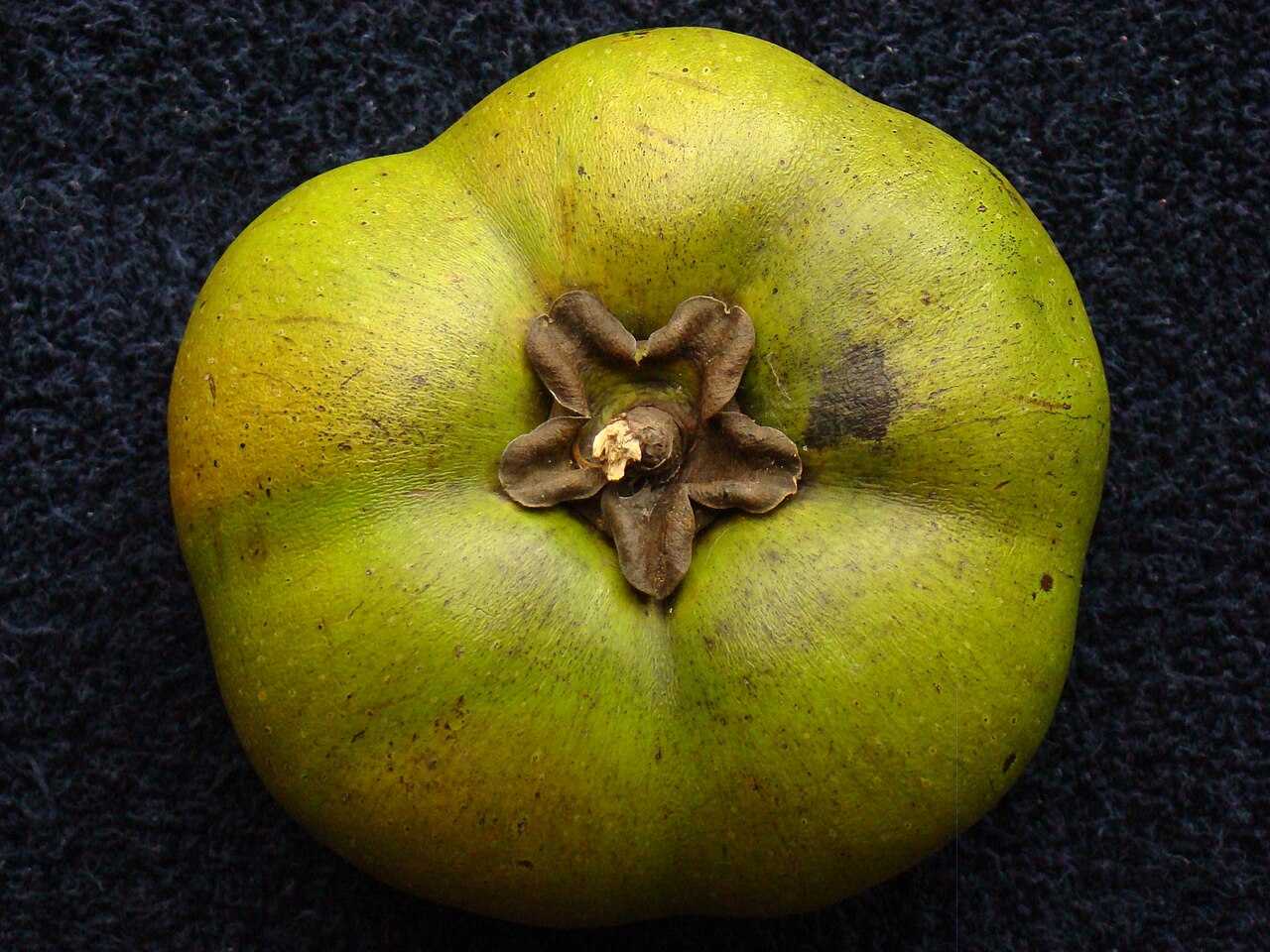
Photo: Asit K. Ghosh Thaumaturgist, via Wikimedia Commons, CC BY-SA 3.0
Why it works here
Black sapote is a tropical persimmon relative that thrives across South Florida, and it makes a large, handsome, dark-green shade tree in addition to feeding you. The ripe fruit has soft brown flesh that really does eat like chocolate pudding, which makes it a fun centerpiece tree in an edible landscape. It handles our conditions well and, once pruned to shape, takes wind better than most fruit trees, so it fits well in an exposed yard.
Care
Water young trees weekly during dry weather for the first few years, then back off to drought-only watering, because this tree resents soggy roots and can get root rot if overwatered. Feed with compost and balanced organic fertilizer in the warm season and mulch out to the dripline. Prune yearly to hold the size down and open the canopy, which keeps fruit in reach and helps it shed storm wind. Otherwise it mostly takes care of itself.
Common problems
Basically trouble-free: honestly, UF/IFAS reports no major insect pests or diseases of black sapote in Florida, which is rare and worth celebrating.
Overwatering root rot: the one self-inflicted problem, plant high in well-draining soil and let it dry between waterings once established.
Eating it too early: unripe fruit is bitter and unpleasant, you have to wait until it is fully soft and the skin has gone from olive to brownish before it is any good.
Common questions
Does it actually taste like chocolate?
Not exactly, but the ripe brown flesh has a mild, sweet, pudding-like texture and flavor that people love to fold into smoothies or desserts. It is more about the custard texture than a true chocolate taste.
How big will it get?
Left alone it can get quite large, 30 ft or more, but I keep dooryard trees pruned to around 25 ft or less so you can pick the fruit and the tree stays wind-firm.
When is it ripe?
When the fruit turns from shiny olive-green to a duller brown and goes soft and squishy. A firm fruit is not ready, and picking early is the most common mistake.
Interested in a black sapote in your landscape?
We plan, install, and care for it. Start with a paid consultation.