
Atemoya
A sugar apple crossed with cherimoya. Custardy, sweet, and one of the Annonas that rewards real care.
Annona x atemoya
A custard-apple hybrid with vanilla-pineapple flesh, one of the tastiest fruits you can grow here.
Why it works here
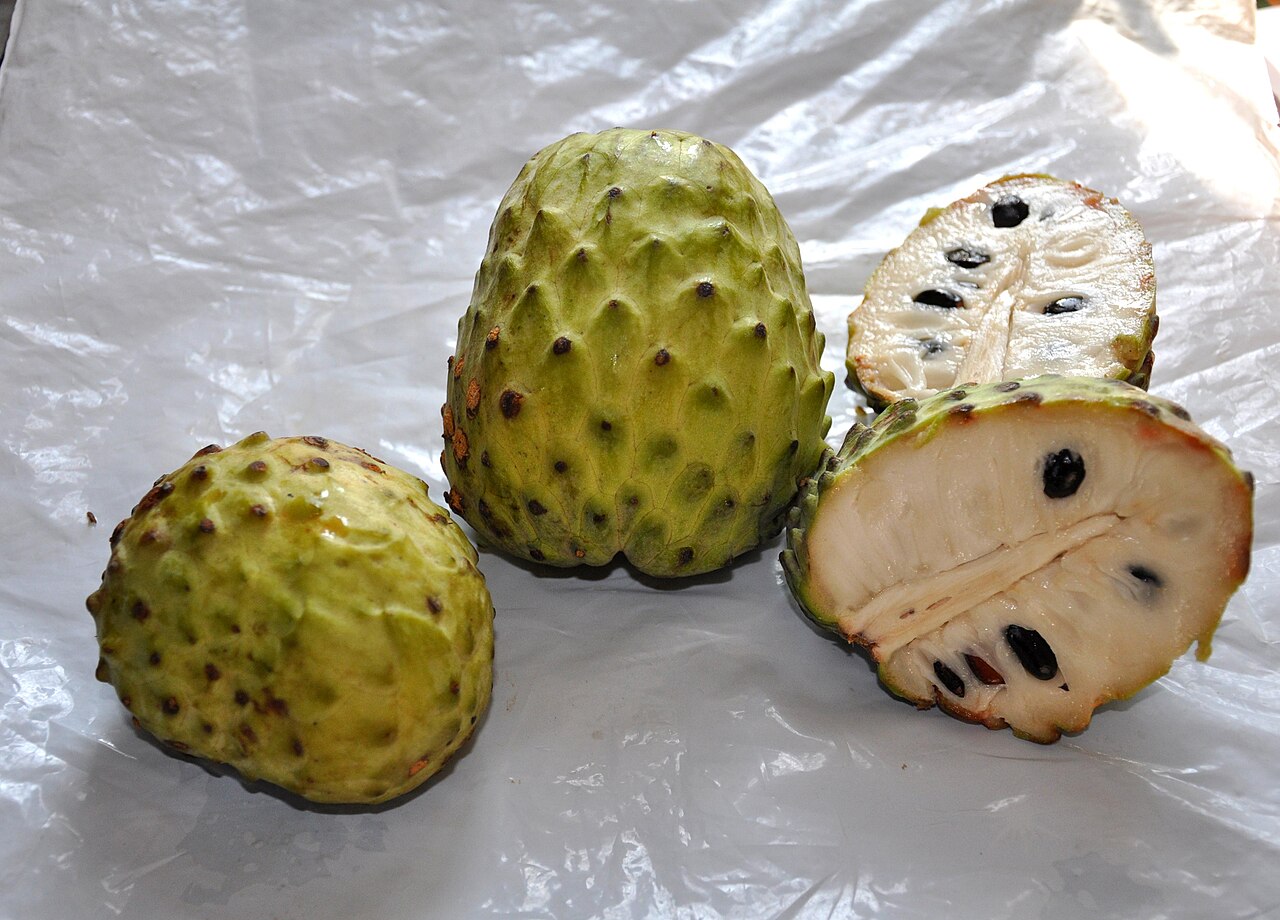
Atemoya is a cross between the sugar apple and the cherimoya, and it hits a sweet spot for our climate by being more cold tolerant than sugar apple while still delivering that rich custard flavor with hints of vanilla, wintergreen, and pineapple. Kept pruned to head height it is an easy, productive dooryard tree, which makes it a great edible anchor in a Florida-Friendly design. The deciduous or semi-deciduous habit means it takes a winter rest, which actually helps it shrug off our cooler nights.
Care
Water regularly while it establishes, then focus watering on the bloom-through-fruiting window for the best quality fruit. Feed with compost and balanced organic fertilizer several times through the warm season, and mulch well to hold moisture in our fast-draining sand. Many atemoyas fruit far better with hand pollination, meaning you move pollen between flowers with a small brush, so choosing the 'Gefner' variety is smart because it sets fruit more reliably on its own. Prune yearly to keep it short and open, both for harvest reach and for wind resistance.
Common problems
Poor fruit set: many cultivars need hand pollination to fruit well, plant 'Gefner' or plan to hand-pollinate.
Annona seed borer: a larva that develops inside the fruit, the organic response is bagging the young fruit so the moth cannot lay on it.
Scales and mealybugs: soft-bodied pests on stems and leaves, knock them back with a strong water spray, horticultural-grade organic oils, and by protecting the beneficial insects that eat them.
Common questions
Why do people say to buy a 'Gefner'?
Because a lot of atemoyas barely set fruit without you hand-pollinating each flower, and 'Gefner' sets well on its own. It saves you a fussy chore and still gives excellent fruit.
Does it lose its leaves?
It can drop some or most of its leaves in winter, which is normal, that rest period is part of why it handles our cooler weather better than a sugar apple.
How do I know when to pick it?
Harvest when the fruit fills out and the segments start to separate and lighten in color, then let it soften a few days on the counter. Eat it when it gives to gentle pressure, like a ripe avocado.
Interested in a atemoya in your landscape?
We plan, install, and care for it. Start with a paid consultation.