Gardenia
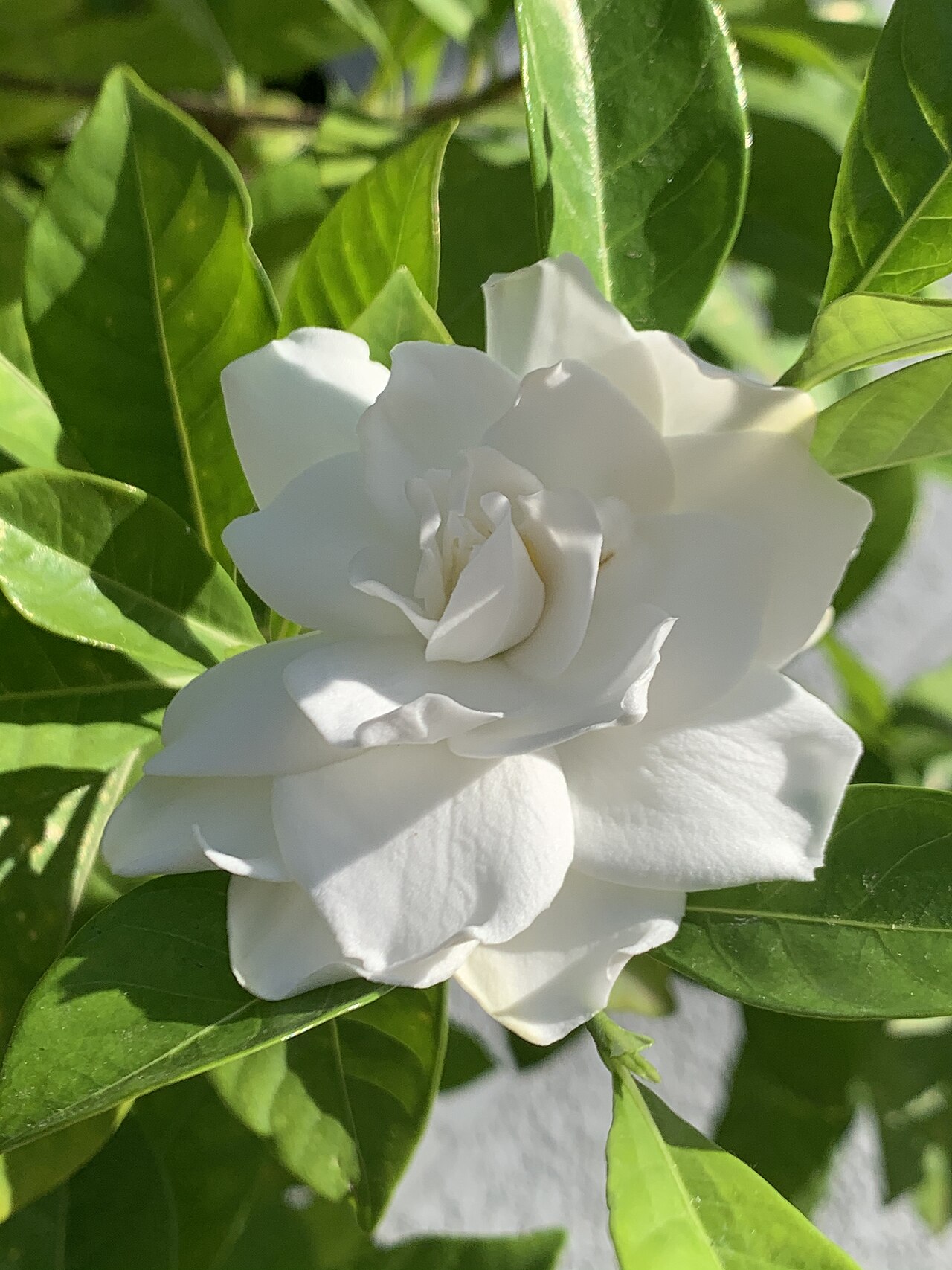
That fragrance. Glossy leaves, white spiraled blooms, and a scent that stops people mid-walk. Grafted plants do best here.
The intensely fragrant white-flowered shrub, with an honest note about grafting.
Invasive status alert
Here is the honest part about growing them in Florida. On our sandy soil, root-knot nematodes (microscopic soil worms that attack roots) can slowly kill a gardenia. That is why Florida gardenias are often grafted onto Gardenia thunbergia rootstock, a relative with good nematode resistance. If you buy a grafted plant, you are buying a plant that can actually survive our soil long-term. An own-root gardenia may look great for a couple of years and then decline as nematodes build up. I would spend the extra for grafted, and if you already have an own-root plant, keep it in a large container or a raised bed with fresh soil.
Why it works here
People plant gardenias for one reason: that knockout fragrance from creamy white flowers in spring and early summer. The glossy evergreen leaves look good the rest of the year. Here is the honest part about growing them in Florida. On our sandy soil, root-knot nematodes (microscopic soil worms that attack roots) can slowly kill a gardenia. That is why Florida gardenias are often grafted onto Gardenia thunbergia rootstock, a relative with good nematode resistance. If you buy a grafted plant, you are buying a plant that can actually survive our soil long-term. An own-root gardenia may look great for a couple of years and then decline as nematodes build up. I would spend the extra for grafted, and if you already have an own-root plant, keep it in a large container or a raised bed with fresh soil.
Care
Gardenias are acid-loving, so our alkaline soil often causes chlorosis, the between-the-veins yellowing from locked-up iron. Mulch with an acidic organic mulch, feed with compost and an organic fertilizer made for acid-loving plants, and add organic iron if leaves yellow. Keep moisture even, since swings between bone-dry and soggy trigger bud drop. Prune lightly right after flowering to shape, before it sets next year's buds. On a grafted plant, rub or cut off any shoots that sprout from below the graft, because those are the wild rootstock and will take over if you let them.
Common problems
Nematodes are the big long-term threat on own-root plants, which is the whole case for grafted stock or a raised bed of fresh soil. Chlorosis (yellow leaves) comes from our alkaline soil and is handled with acidic mulch and organic iron. Whiteflies and scale feed on the leaves and leave sticky honeydew that grows black sooty mold; control the insects with an organically listed horticultural oil and the mold clears on its own. Bud drop, where flower buds fall before opening, usually traces back to uneven watering or a sudden environmental change, so keep moisture steady.
Common questions
Should I buy a grafted gardenia?
In Florida, honestly yes. Grafted plants sit on nematode-resistant rootstock and hold up in our sandy soil, while own-root plants often fade after a couple of years as nematodes build up. If you go own-root, grow it in a big container or a raised bed of fresh soil.
What are the odd shoots coming from the bottom of my plant?
On a grafted gardenia, low shoots from below the graft union are the wild rootstock. Rub or cut them off promptly, because if they take over you lose the fragrant variety on top.
Why are the flower buds falling off before they open?
Bud drop is usually a watering or environment issue, an uneven wet-dry cycle, a big temperature swing, or a recent move. Keep the soil evenly moist and give the plant a stable spot, and it holds its buds better.
Interested in a gardenia in your landscape?
We plan, install, and care for it. Start with a paid consultation.